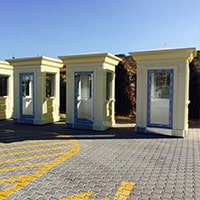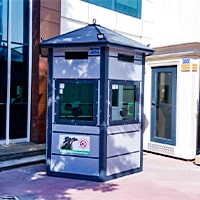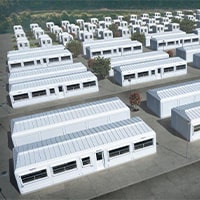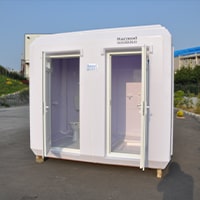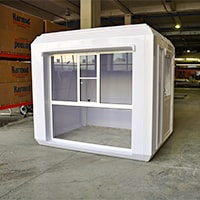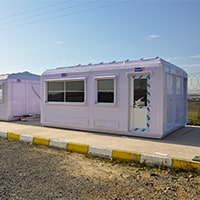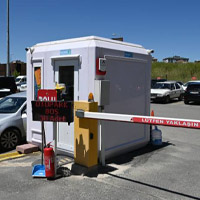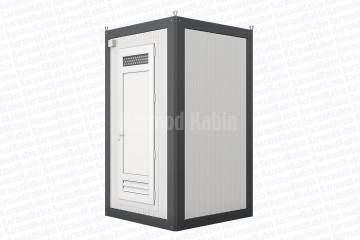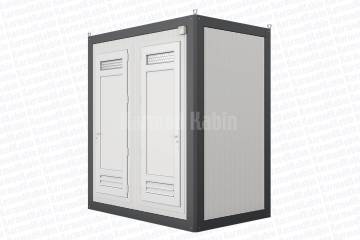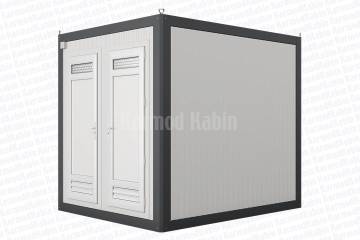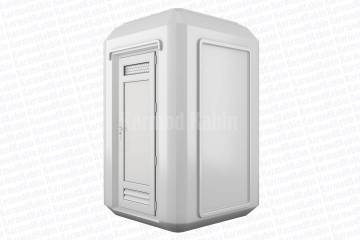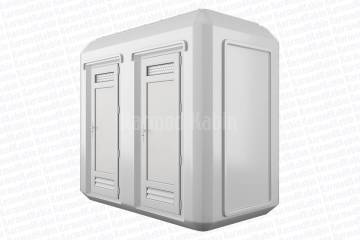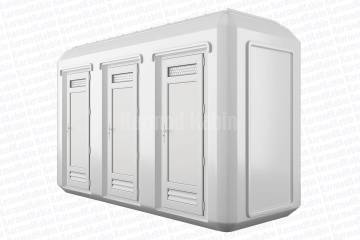

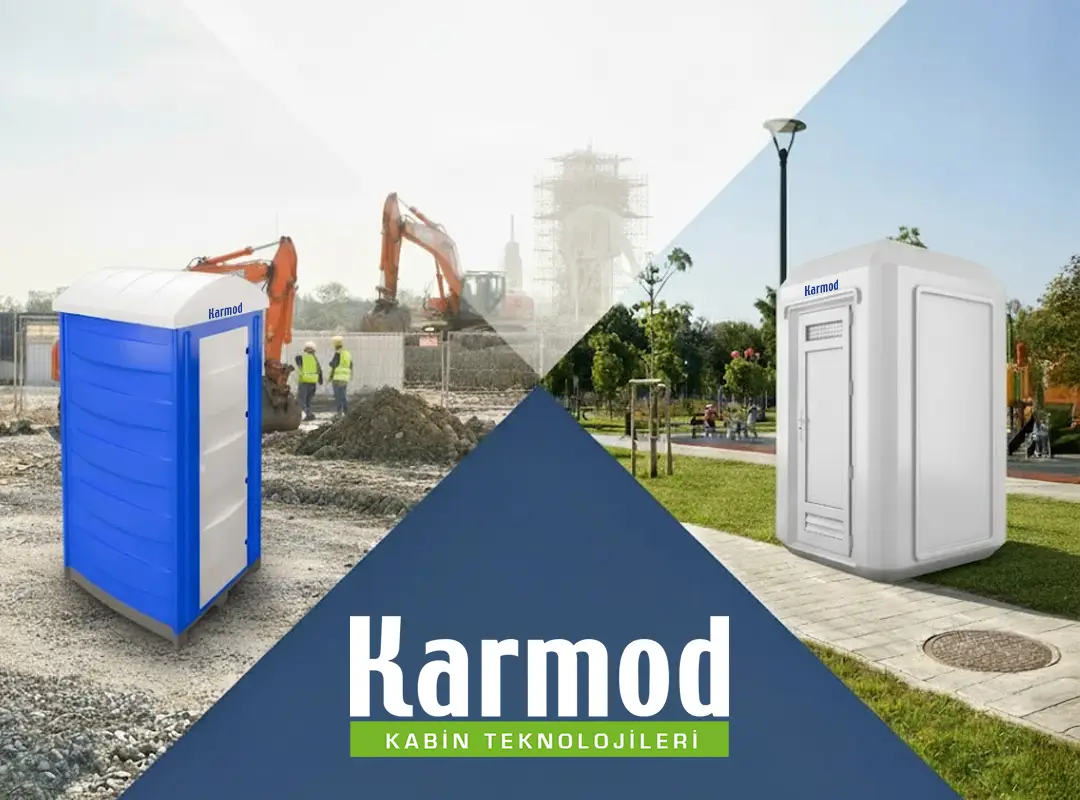
The demand for portable and prefabricated toilet cabins has grown rapidly as modern projects require fast, hygienic, and environmentally responsible sanitation solutions. Whether for construction sites, public spaces, festivals, or remote work zones, both septic and non-septic toilet cabin models provide essential comfort and practicality. Each system offers unique advantages depending on the installation environment, water accessibility, and waste management preferences.
Septic toilet cabins are designed for areas without direct sewage infrastructure, storing and treating waste internally through a septic tank system. Non-septic models, on the other hand, are connected to external sewer lines or waste networks, offering continuous and maintenance-free use in urban or semi-urban areas. Understanding how each model functions helps businesses and municipalities make the right choice for their sanitation needs.
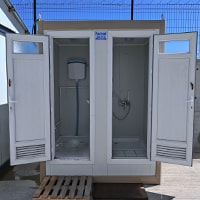
The primary distinction between these two models lies in their waste disposal systems. Septic cabins operate independently, equipped with sealed waste tanks and treatment mechanisms that allow them to function even in off-grid locations. They are ideal for temporary or mobile setups where connection to a sewer network is not possible.
Non-septic toilet cabins, by contrast, are designed for fixed installations with access to a central sewage or drainage system. These cabins do not require internal tanks, making them lighter, easier to maintain, and suitable for long-term use. Non-septic models are frequently used in public parks, schools, airports, and industrial facilities, where a consistent water and sewer connection exists.
Modern toilet cabins-both septic and non-septic-are built to combine durability, hygiene, and ease of maintenance. The structural design focuses on providing comfort in all weather conditions while maintaining a lightweight and easily transportable form. High-quality materials such as galvanized steel frames, sandwich panels, and anti-bacterial surfaces ensure long service life, even in high-traffic environments.
The outer shell of these cabins is often made from sandwich panels with polyurethane or rock wool insulation, offering both thermal protection and noise control. Inside, fiberglass-reinforced flooring prevents corrosion and makes cleaning effortless. Every detail, from ventilation to lighting, is optimized for user comfort and hygiene standards. Many models also feature non-slip flooring, ventilation fans, and automatic flush systems, creating a modern experience comparable to permanent restroom facilities.
Manufacturers are now integrating smart technologies into cabin designs, including motion-sensor lighting, solar-powered systems, and touch-free fixtures. These innovations not only enhance user safety but also reduce water and energy consumption, aligning with today’s eco-friendly expectations in modular construction.
Septic toilet cabins are the ideal solution for locations without sewer or drainage infrastructure. Their self-contained design allows them to function independently, making them indispensable for construction sites, rural zones, event areas, mining camps, and temporary field offices. With an internal septic tank system, these cabins store, separate, and partially treat waste safely without requiring constant external connections.
One of the biggest advantages is mobility. Septic cabins can be installed and relocated easily without extensive groundwork, making them perfect for short-term or rotating projects. The tanks are completely sealed to prevent leakage and odor, ensuring hygienic use in any environment. Additionally, maintenance is straightforward - waste can be safely removed and transported by authorized service providers.
Key Advantages of Septic Toilet Cabins
Septic toilet cabins combine functionality and flexibility, ensuring that even the most remote locations maintain proper sanitation standards without compromising on comfort or environmental responsibility.
Non-septic toilet cabins are the preferred option in urban or semi-urban areas where access to an existing sewage system is available. Unlike septic cabins, these models don’t rely on internal tanks for waste storage, which means they offer continuous use without the need for periodic emptying or maintenance. This makes them ideal for public spaces, schools, office complexes, airports, and long-term construction zones where water and waste infrastructure already exists.
Another important advantage is cost efficiency in long-term operation. Since there’s no need for septic tank cleaning or waste removal services, non-septic cabins significantly reduce maintenance expenses over time. Their connection to permanent pipelines ensures uninterrupted hygiene, eliminating odor and overflow risks.
Additionally, these cabins can be equipped with advanced hygiene features, such as automatic flush systems, motion-sensor faucets, and ventilation fans, making them a perfect match for projects prioritizing user comfort and sanitation consistency.
Situations Where Non-Septic Toilet Cabins Are Ideal
Choosing non-septic toilet cabins means opting for efficiency, durability, and practicality, ensuring a long-lasting hygiene solution that operates seamlessly within existing infrastructure.
The quality and lifespan of a toilet cabin depend largely on the materials used in its structure and interior design. Manufacturers prioritize materials that can withstand humidity, frequent cleaning, and heavy daily use without losing form or appearance. Both septic and non-septic models are built using components that ensure hygiene, corrosion resistance, and easy maintenance - all crucial for long-term performance.
Most toilet cabins are produced using a galvanized steel frame that provides structural integrity and resists rust in humid environments. The walls are typically made of sandwich panels with polyurethane or rock wool insulation, ensuring temperature balance and soundproofing. Internal surfaces often feature fiberglass or PVC coatings that are smooth, waterproof, and easy to disinfect, reducing bacteria accumulation and making the cleaning process effortless.
Main Materials Commonly Used in Toilet Cabin Manufacturing
These materials combine to create cabins that are robust, easy to clean, and built for daily use. As a result, toilet cabins can operate reliably in diverse environments - from industrial zones to coastal regions - without deterioration or frequent repairs.
Septic and non-septic toilet cabins have become indispensable across a wide range of industries and public spaces due to their versatility, portability, and hygiene standards. Both types serve the same fundamental purpose - providing reliable sanitary solutions - but their flexibility allows them to be adapted for different operational needs and environments.
In construction and industrial sectors, toilet cabins are used on-site to ensure workers have access to clean and safe facilities throughout projects. In public and commercial areas, such as city parks, sports venues, beaches, and shopping centers, non-septic models are preferred because they can connect directly to the sewer system for continuous use. Meanwhile, septic cabins are the go-to choice for temporary or mobile projects, including festivals, road construction, remote mining camps, and agricultural operations.
Their modular nature allows quick installation and relocation, which makes them equally suitable for governmental and humanitarian uses, such as disaster-relief zones or refugee camps. Regardless of location, both types ensure that sanitation remains accessible, hygienic, and compliant with local regulations.
Popular Application Areas
Whether it’s a long-term infrastructure project or a short-term event setup, both septic and non-septic toilet cabins provide dependable, cost-effective, and user-friendly sanitary solutions anywhere they’re needed.
Hygiene and maintenance play a crucial role in ensuring that toilet cabins remain safe, odor-free, and pleasant for users over the long term. Both septic and non-septic models are designed with modern hygiene standards in mind, featuring smooth, non-porous surfaces that prevent bacterial growth and make cleaning quick and efficient. Proper ventilation systems and drainage layouts also help reduce humidity and eliminate unpleasant odors.
For septic toilet cabins, regular servicing of the waste tank is essential. Depending on usage frequency, these tanks must be emptied and cleaned by authorized waste management services to maintain sanitation and system performance. Many modern septic models include chemical or biological treatment systems that break down waste naturally, minimizing odor and environmental impact.
Non-septic cabins, being directly connected to sewer systems, require less intensive maintenance. However, periodic checks on plumbing connections, flushing systems, and ventilation fans ensure smooth, uninterrupted operation. Using disinfectant-safe cleaning products and scheduling routine inspections can dramatically extend the lifespan of both cabin types while ensuring comfort for every user.
Recommended Hygiene Practices
Maintaining consistent hygiene not only safeguards health but also strengthens the professional image of any site or facility using these toilet cabin systems.
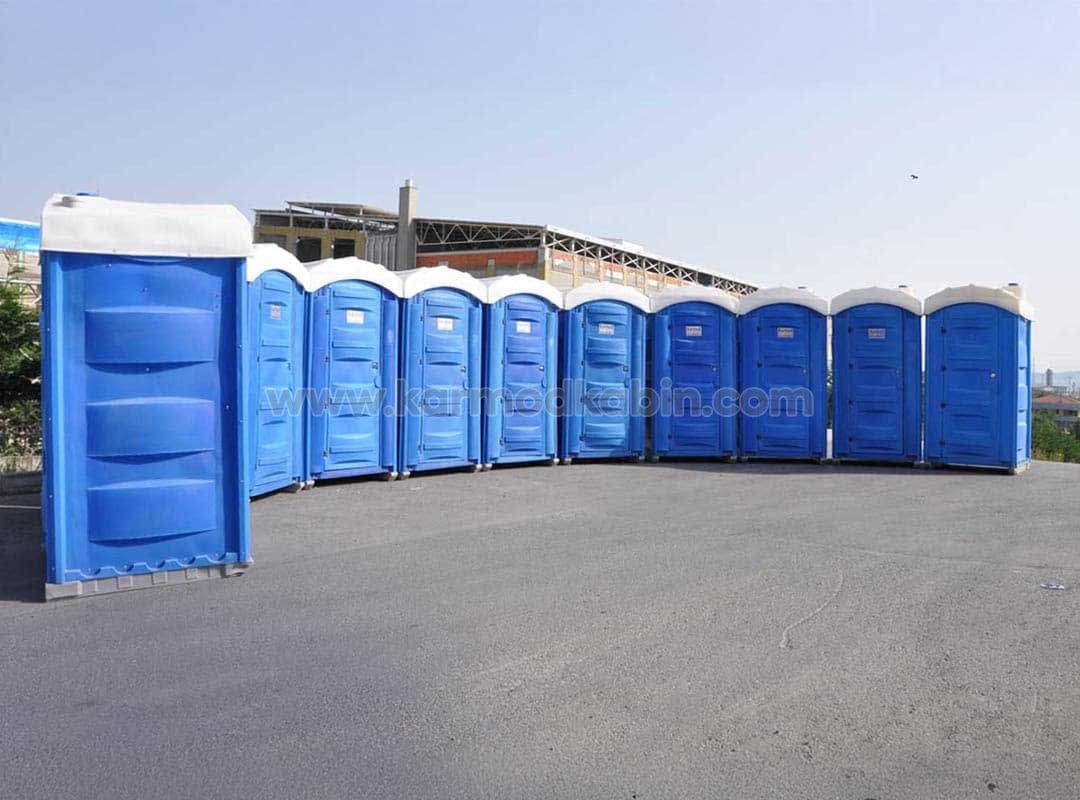
Modern toilet cabin production goes beyond standard designs - today’s clients expect custom-built units that match their brand identity, location, and user needs. Both septic and non-septic toilet cabins can be tailored in terms of size, layout, color, and equipment, ensuring that each model aligns perfectly with the purpose of use, whether it’s for a public park, a construction site, or a luxury event space.
Manufacturers now offer a wide variety of optional add-ons and smart features that improve comfort, accessibility, and hygiene. These features not only enhance user satisfaction but also make maintenance and operation easier for facility managers.
Popular Customization and Feature Options
By offering such versatility, manufacturers ensure that each client receives a functional, aesthetic, and durable solution tailored precisely to their operational requirements. Modern customization options prove that even a portable toilet cabin can reflect comfort, innovation, and professionalism.
Sustainability has become a key consideration in the design and production of modern toilet cabins. Both septic and non-septic models are now engineered to minimize environmental impact through improved water management, waste treatment, and material efficiency. Manufacturers are adopting eco-friendly systems that not only comply with environmental regulations but also help organizations meet their sustainability goals.
Septic toilet cabins often include biological waste treatment units that break down waste using natural processes, significantly reducing pollution and odor. The treated liquid waste can even be filtered safely for non-potable reuse, such as cleaning or irrigation in some advanced systems. Meanwhile, non-septic cabins contribute to sustainability through efficient water use and connection to municipal waste networks, ensuring that all sewage is properly processed through city treatment facilities.
In addition, modern cabins are increasingly produced using recyclable materials such as galvanized steel, PVC-free panels, and energy-efficient insulation. Solar-powered lighting and ventilation systems further decrease the carbon footprint, allowing cabins to operate even in off-grid locations with minimal environmental strain.
Green Advantages of Modern Toilet Cabin Systems
By combining responsible design with smart engineering, modern toilet cabins represent a sustainable sanitation solution that supports both user comfort and environmental protection.
Selecting the right toilet cabin model depends on location, infrastructure availability, and project requirements. Both septic and non-septic options offer reliable sanitation, but each is designed to meet different operational needs. Septic toilet cabins are the best choice for remote or mobile sites-such as construction areas, events, or agricultural fields-where there’s no sewer connection. Their independent system ensures hygiene and functionality anywhere, without requiring complex installation.
Non-septic toilet cabins, on the other hand, are ideal for urban areas and permanent facilities. Their direct connection to existing sewage systems guarantees continuous operation and minimal maintenance, making them a smart long-term investment for public institutions, industrial zones, and commercial properties.
Before making a decision, consider factors like water access, user volume, environmental conditions, and maintenance logistics. Consulting with a professional manufacturer helps ensure that your cabin is designed precisely to your specifications-whether that means durability for harsh outdoor conditions or premium features for a high-end public space.
Why Choose Us for Your Toilet Cabin Needs
Contact us today to explore our modern, hygienic, and customizable toilet cabin models. Our expert team will guide you in choosing the perfect solution - designed for comfort, built for endurance, and ready to use anywhere your project takes you.
Leading manufacturer in modular cabin since 1986.
 EN
EN