
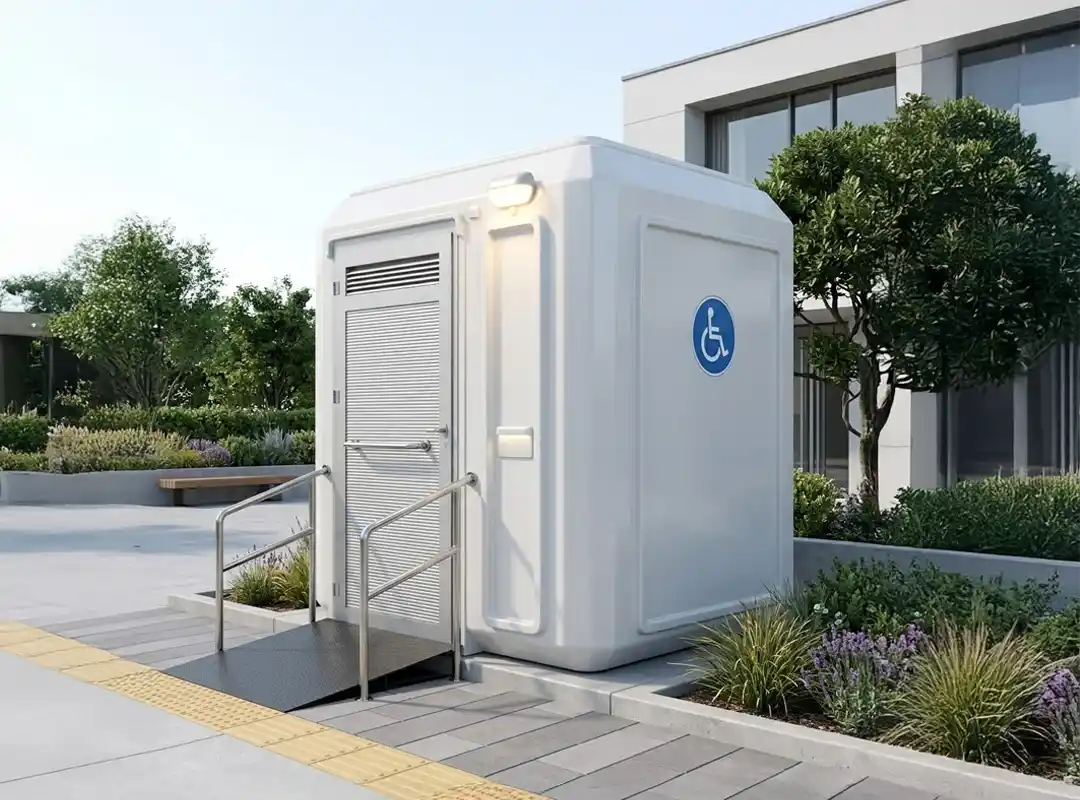
Accessibility is not a secondary feature-it is a fundamental requirement in modern construction and temporary site planning. Whether in public spaces, construction zones, industrial facilities, or event areas, disabled WC cabins play a critical role in ensuring dignity, safety, and independent access for individuals with limited mobility. Understanding accessibility standards is essential not only for compliance, but also for delivering responsible, user-focused solutions.
Well-designed disabled WC cabins combine thoughtful layout, regulatory alignment, and practical usability. When done correctly, they serve a wide range of users while integrating seamlessly into both temporary and permanent environments.
Accessibility standards exist to remove physical barriers and create environments that can be used safely and comfortably by everyone. In the context of WC cabins, these standards directly affect how a person enters, moves within, and exits the space without assistance.
For employers, site operators, and facility managers, meeting accessibility standards is not just a legal checkbox. It reflects an understanding of inclusive design and social responsibility. Facilities that overlook these standards risk more than penalties-they risk excluding users and damaging their professional credibility.
In temporary settings such as construction sites or outdoor venues, accessible WC cabins are often the only sanitary option for disabled individuals. This makes correct design and placement even more critical, as there is no alternative facility to compensate for poor planning.
At the heart of every compliant disabled WC cabin is ease of movement. The interior layout must allow sufficient space for wheelchairs to maneuver, turn, and position comfortably. This requires careful attention to internal dimensions, door swing direction, and fixture placement.
Grab bars are another essential element. Positioned strategically near the toilet and along key support points, they provide stability during transfers and reduce the risk of falls. These supports must be securely mounted and placed at appropriate heights to be genuinely effective.
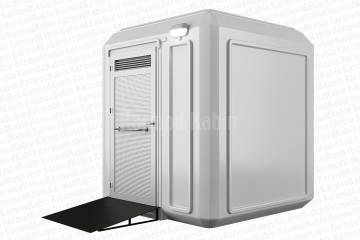
Equally important is the entrance. Doors should be wide enough for wheelchair access and easy to operate, often featuring outward opening mechanisms to maximize internal space. Small design decisions like these can dramatically improve user independence and safety.
One of the most common challenges in disabled WC cabin design is balancing compact construction with generous internal space. Accessibility standards typically require a clear turning radius that allows a wheelchair to rotate without obstruction. This influences not only cabin size but also how internal components are arranged.
The toilet position is carefully considered, ensuring side access for transfers. Washbasins are usually mounted at a height that accommodates seated users, with sufficient knee clearance underneath. Accessories such as soap dispensers, mirrors, and hand dryers must also be reachable from a seated position.
When these spatial requirements are met, the cabin feels intuitive rather than restrictive. Users can navigate the space with confidence, which is the ultimate goal of accessible design.
Safety goes beyond layout. Floor surfaces must be non-slip, even when wet, to minimize accident risks. Proper drainage ensures water does not accumulate, while ventilation systems help maintain air quality and comfort.
Materials used inside disabled WC cabins are selected for durability and ease of cleaning. Smooth, non-porous surfaces reduce bacteria buildup and allow for fast, effective sanitation-an important factor in high-traffic environments.
In industrial or outdoor settings, cabins must also withstand environmental stress. Weather-resistant construction and robust structural elements ensure that accessibility features remain reliable throughout the project lifecycle.
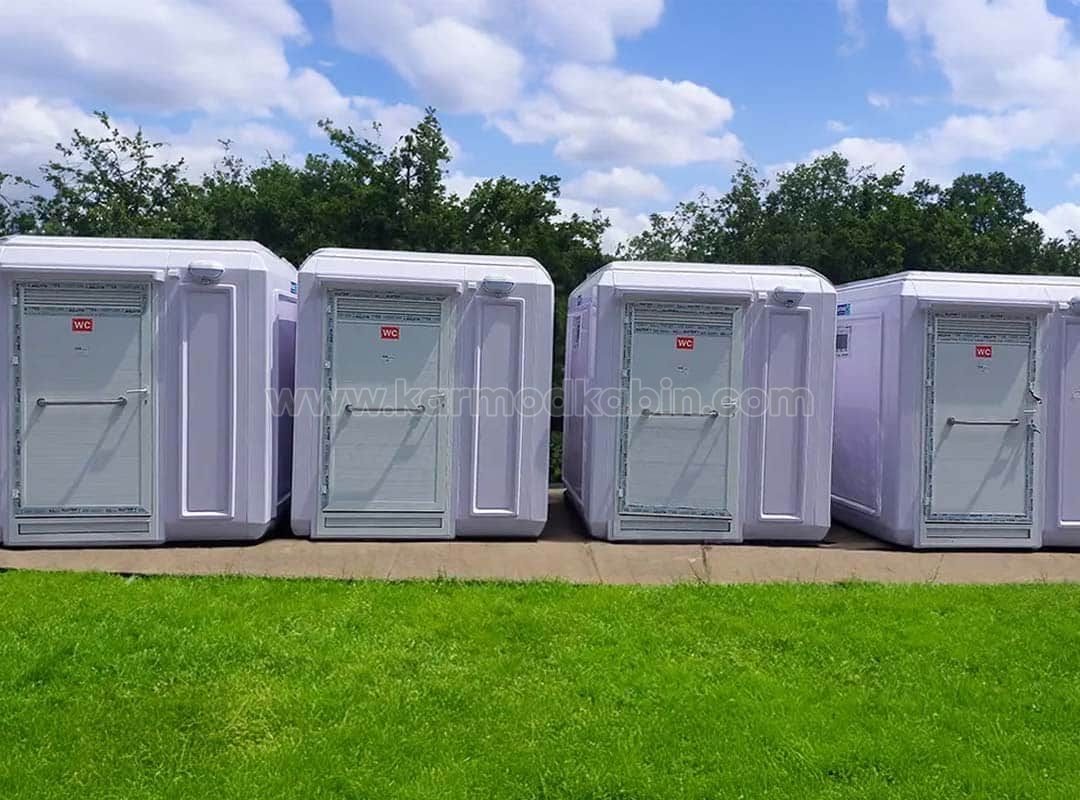
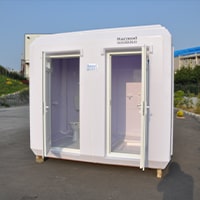
Disabled WC cabins are often associated with temporary installations, but their importance spans both short-term and long-term use. On construction sites, events, or emergency facilities, portable disabled WC cabins provide immediate compliance without the need for permanent infrastructure.
Permanent facilities, on the other hand, may integrate similar design principles into fixed structures. The advantage of cabin-based solutions lies in their flexibility. They can be deployed where needed, relocated as site layouts change, and adapted to different user volumes.
This adaptability makes disabled WC cabins a practical choice for organizations that operate across multiple sites or manage projects with evolving requirements.
Meeting accessibility standards is not simply about following regulations-it is about demonstrating professionalism. A site that provides properly designed disabled WC cabins sends a clear message about inclusivity, planning competence, and respect for users.
For businesses, this attention to detail often influences how clients, partners, and inspectors perceive operations. Accessible facilities reflect foresight and care, reinforcing trust and long-term reputation.
In many cases, investing in compliant disabled WC cabins also reduces future risks, as facilities are better prepared for audits, inspections, and changing regulatory expectations.
Selecting the appropriate disabled WC cabin starts with understanding the specific environment in which it will be used. Factors such as daily user numbers, site accessibility, climate conditions, and project duration all influence the ideal configuration.
Experienced providers can guide this process by recommending layouts and features that align with both standards and real-world usage. This ensures that accessibility is not treated as an afterthought, but as an integrated part of the overall facility plan.
When planned thoughtfully, disabled WC cabins enhance usability for everyone and contribute to smoother site operations.
If your project requires accessible sanitary facilities, taking the right approach from the beginning saves time, cost, and risk later on. Disabled WC cabins designed in line with accessibility standards help you meet obligations while creating a respectful, user-friendly environment.
Contact us to discuss your site requirements, explore compliant disabled WC cabin solutions, and receive expert guidance tailored to your project. Accessibility is not just about meeting standards-it is about building spaces that work for everyone.
Leading manufacturer in modular cabin since 1986.
 EN
EN