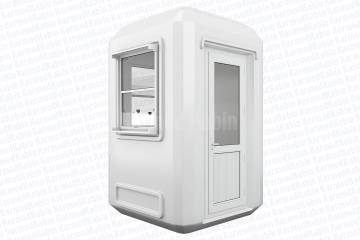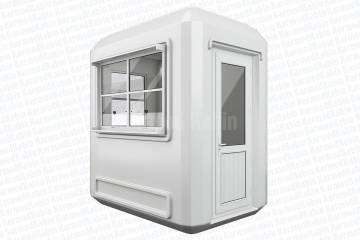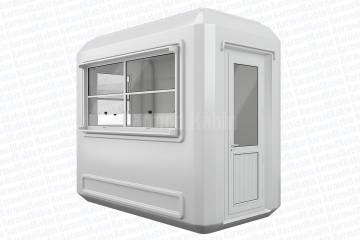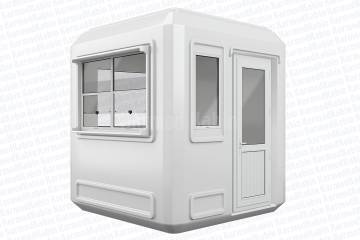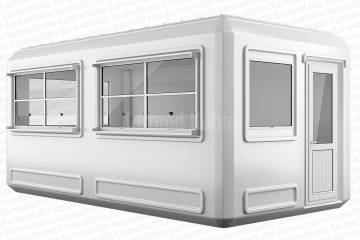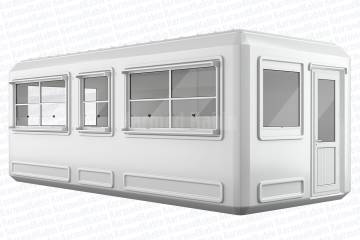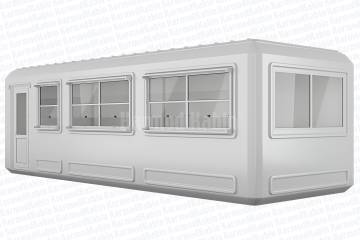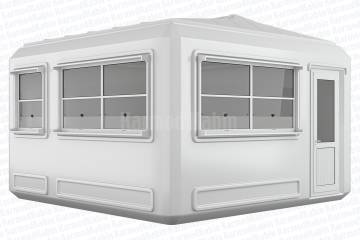

Security cabin buyers in 2026 are asking two questions more than ever: How much should I budget? and What will actually influence the price I pay? The answer isn’t a single number; it’s a moving target defined by material indexes, labor conditions, logistics, energy efficiency standards, and the level of technology you integrate. Understanding these levers helps you plan realistically - and negotiate confidently - before you place an order.
Across residential compounds, industrial facilities, ports, and event grounds, the winning strategies in 2026 combine modular production, optimized insulation, and plug-and-play tech. Buyers who align the cabin’s size and specification with the real workload (operator count, monitoring intensity, climate) consistently report better ROI. In other words, a well-scoped brief saves money twice: once at purchase, and again during years of operation.
The security cabin market in 2026 reflects a clear shift toward smarter, greener, and more durable prefabricated solutions. While the global demand for modular security structures continues to grow, several macro trends are reshaping how prices are determined - from raw material costs to sustainability standards and smart technology adoption.
One of the main drivers is the rising cost of raw materials such as galvanized steel, aluminum, and insulation panels. Global supply chains are still stabilizing post-2024, and fluctuations in energy prices directly affect production and logistics. At the same time, governments in many regions are introducing stricter energy-efficiency and safety regulations, encouraging manufacturers to use eco-friendly, fire-resistant, and better-insulated panels, which slightly increase production costs but extend product lifespan and reduce long-term maintenance.
Another defining factor in 2026 is digitalization. Security cabins are no longer basic guard posts - they’re now being designed as smart control points with IoT integration, solar compatibility, and data-ready infrastructure. This has led to an expansion in price ranges depending on the level of technology included.
Prices in 2026 are shaped not only by size and materials but also by technological depth and sustainability compliance. Buyers are no longer just comparing square meters - they’re comparing innovation levels, energy performance, and long-term ROI.
To understand security cabin prices in 2026, it’s essential to look beneath the final quote and analyze the core cost components. Each stage of production - from raw materials to delivery - plays a measurable role in determining the total investment.
Materials
Materials account for the largest portion of cabin pricing, typically around 40–55% of the total cost. High-quality galvanized steel frames, sandwich panels with polyurethane insulation, and reinforced doors or windows define durability and comfort. Premium materials such as BR-grade glass, weatherproof coatings, and fire-resistant composites increase the price but also extend the cabin’s operational life, making them a smart long-term investment.
Labor
Skilled labor remains a major factor, particularly as modular production relies on precision engineering and certified assembly teams. In 2026, the labor cost component has slightly increased due to rising wage standards and stricter safety requirements, particularly in Europe and the Middle East. However, automated fabrication technologies help stabilize these expenses, keeping prefabricated cabin production more cost-efficient than traditional construction.
Logistics and Transport
Delivery and installation costs depend on the cabin’s size, weight, and distance to the project site. Prefabricated models have the advantage of faster setup, often within hours, but larger or multi-unit orders may require cranes or forklifts, influencing total logistics costs. In 2026, with fuel and freight prices still volatile, smart route planning and modular packaging help minimize expenses.
Compliance and Certification
Regulatory compliance has become increasingly important. Meeting fire, insulation, and electrical safety standards ensures both user safety and insurance eligibility. These certifications add a modest upfront cost but significantly boost credibility and value during audits or project approvals.
When analyzed together, these four pillars - materials, labor, logistics, and compliance - define 90% of a cabin’s total cost structure. Understanding them allows buyers to make strategic adjustments without compromising on quality.
In 2026, the size and internal layout of a security cabin remain among the most influential factors in determining cost. Every additional square meter impacts not only material use but also transportation, insulation, and energy consumption - meaning the right balance between function and efficiency is crucial for long-term value.
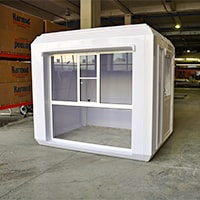
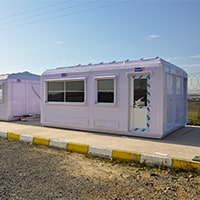
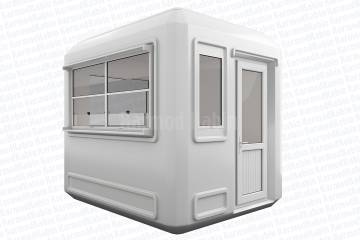
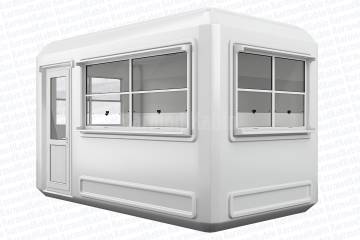
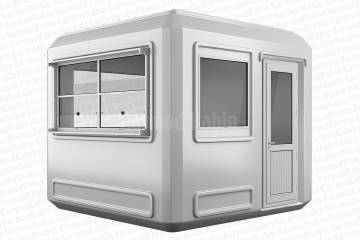
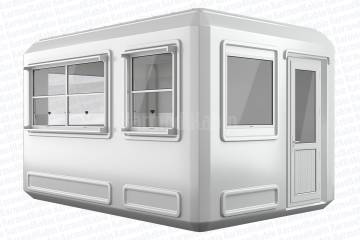
Smaller cabins (such as 1.2 × 1.2 m or 1.5 × 1.5 m) are typically the most affordable options, ideal for single-guard operations or limited-space areas like parking lots. Mid-sized models (2.0 × 2.0 m or 2.4 × 2.4 m) are the industry standard in 2026, offering enough room for ergonomic workstations and equipment without excessive footprint. Larger or customized models (3.0 × 2.5 m and beyond) naturally cost more due to reinforced flooring, added wiring, and increased assembly labor.
The interior layout also influences pricing. A well-designed cabin with built-in desks, cable ducts, insulation, LED lighting, and ventilation provides superior usability and durability but comes at a slightly higher cost. The inclusion of accessories - air conditioning units, double-glazed windows, security shutters, or bullet-resistant panels - can raise the price by 15–40%, depending on specifications.
Space efficiency equals cost efficiency. Overestimating size wastes materials and energy, while underestimating it reduces comfort and productivity. The best approach is to analyze the number of guards, type of monitoring equipment, and expected operating conditions, then select the optimal dimension-to-cost ratio that ensures long-term performance without unnecessary expenditure.
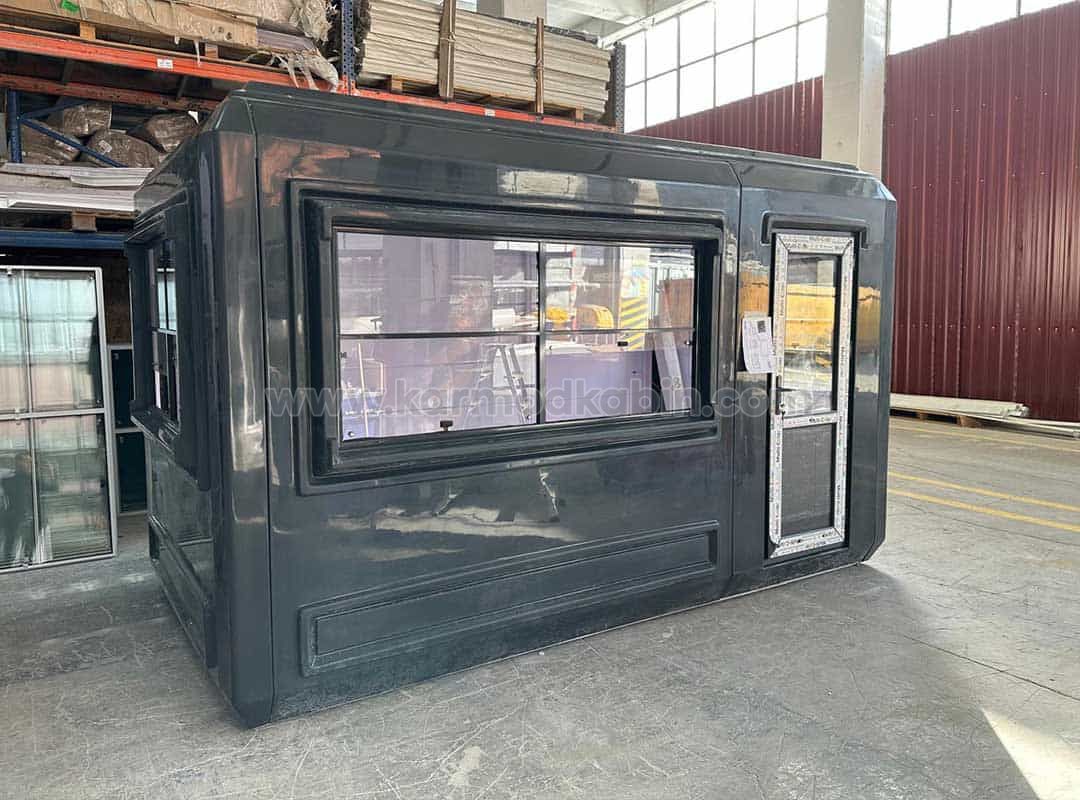
The 2026 market has made one thing clear: technology defines the new generation of security cabins. What was once a simple shelter for guards has evolved into a smart control point, capable of integrating with advanced monitoring and communication systems. However, these upgrades also play a noticeable role in determining the final cabin price.
CCTV and Surveillance Systems
Adding CCTV-ready wiring, camera mounts, or full monitoring setups can increase cabin costs by 10–25%, depending on how many cameras and screens are installed. Some buyers opt for simple wiring conduits to add cameras later, while others request fully integrated systems that transmit data to a central control room in real time. The latter, though more expensive upfront, ensures a seamless connection between field security and command centers - a key advantage for high-risk sites.
Smart Locks and Access Control
Digital access systems, such as RFID locks, biometric scanners, or keypad entries, are becoming increasingly standard in 2026. These features enhance site control and reduce security breaches but add approximately 5–10% to the cabin’s base cost. Still, they offer excellent long-term value by minimizing manual oversight and improving entry traceability.
IoT and Automation
IoT integration is the premium upgrade that defines the top-tier models of 2026. Cabins equipped with temperature sensors, motion detectors, automated lighting, or solar-powered monitoring can self-regulate energy use and send alerts during anomalies. While IoT-enabled systems raise the price by 20–35%, they drastically cut operational costs through smarter energy and data management.
In essence, technology upgrades shift the pricing landscape from “structure-only” to “intelligent security solutions.” The added investment pays off in durability, convenience, and reduced human error - exactly what modern facilities demand in 2026.
As energy prices continue to fluctuate globally, energy efficiency has become one of the biggest price drivers in 2026’s security cabin market. Buyers are no longer evaluating cabins only by purchase cost - they’re analyzing how much the unit saves in long-term operation. Better insulation and smart energy design may add slightly to the initial price tag, but they significantly reduce power consumption, maintenance costs, and environmental impact.
Insulation and Panel Quality
High-performance sandwich panels with polyurethane (PUR) or rockwool cores are now the industry standard. These panels ensure superior thermal and acoustic insulation, keeping the interior cool in summer and warm in winter - a crucial factor for guards working long shifts. Though they can increase production cost by about 10–15%, the return comes in reduced electricity usage and extended material lifespan.
Energy-Efficient Systems
Modern cabins frequently integrate LED lighting, motion sensors, and low-energy HVAC systems. Solar-ready designs and roof insulation upgrades also reduce long-term power dependency. Especially for remote or off-grid sites, these features translate into thousands of dollars saved over the cabin’s lifetime.
The shift toward sustainability is also encouraged by government incentives and environmental standards. In many markets, cabins with eco-rated materials or solar compatibility can qualify for energy rebates or certification benefits, further improving the financial case for investing in efficiency.
In conclusion, while the upfront cost of energy-efficient cabins is slightly higher, the lifetime ROI easily outweighs the difference. The 2026 buyer no longer asks, “How much does it cost now?” but “How much will it save over the next ten years?”
In 2026, regional economic conditions and currency fluctuations have become key factors influencing the price and delivery time of security cabins worldwide. With globalization driving demand, understanding these dynamics helps buyers plan budgets and schedules more accurately.
Lead Times and Production Schedules
Standard modular security cabins can typically be produced within 2–4 weeks, depending on the model’s size and complexity. However, customized designs - especially those with additional insulation, technology integration, or bullet-resistant panels - can extend production to 6–8 weeks. Lead times are also affected by seasonal demand peaks; for example, large construction or infrastructure projects often create temporary production bottlenecks in Q2 and Q3 of each year. Planning orders ahead ensures both timely delivery and better pricing.
Currency Exchange and Import Costs
Currency performance plays a decisive role in pricing. As materials like steel, aluminum, and composite panels are globally traded commodities, fluctuations in USD, EUR, or local currencies can shift costs by up to 10–15% within months. Import-dependent regions may experience sharper price changes due to transportation surcharges and customs duties, especially when sourcing specialized components or smart systems.
Regional Market Variations
Overall, while the global market remains competitive, currency volatility and logistical pressures mean buyers benefit most when partnering with manufacturers offering local production or regional distribution - reducing both risk and waiting time.
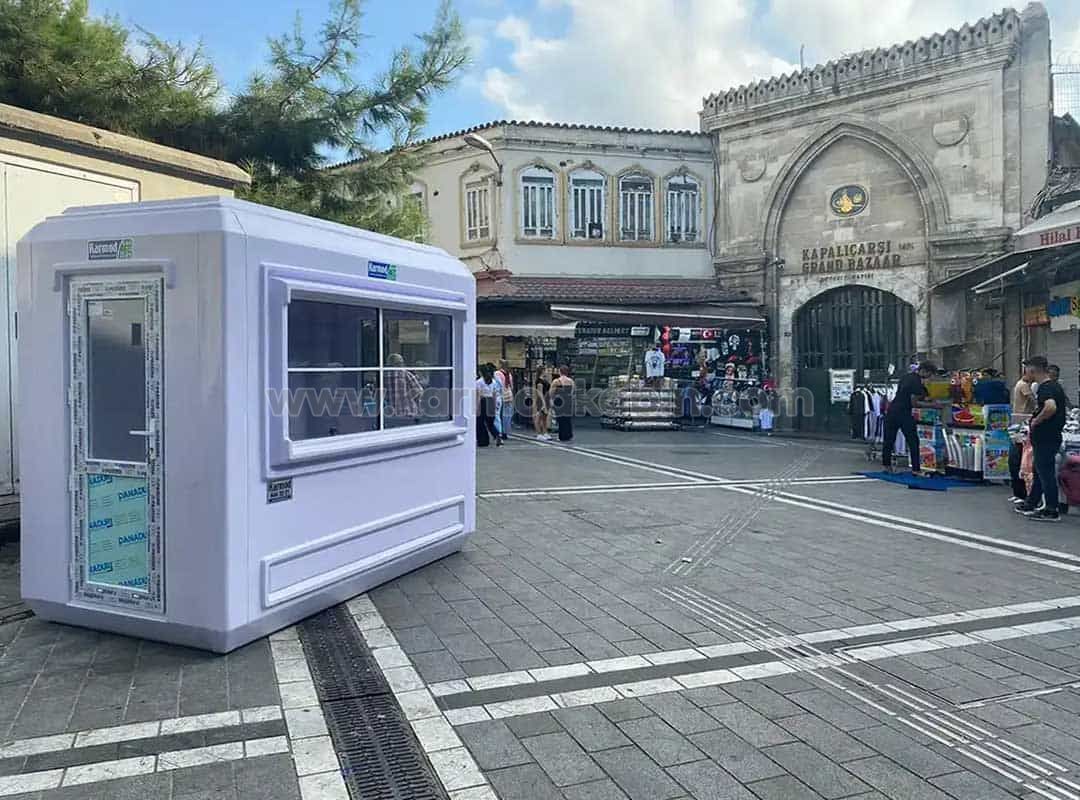
In 2026, security cabin pricing is increasingly segmented by use case. Whether you’re purchasing a compact parking booth or a high-end armored gatehouse, understanding typical budget ranges helps set realistic expectations and identify which features truly justify their cost.
Gatehouses and Entry Control Cabins
Gatehouses are among the most popular models, serving as the first point of contact for visitors and vehicles. The average standard-sized cabin (2.0 × 2.0 m) in 2026 costs between $3,500 and $6,000, depending on insulation, glazing, and brand. Adding features like air conditioning, LED lighting, and integrated communication panels can bring the total to around $7,500. For luxury residential compounds or commercial buildings, designers often opt for custom facades or architectural finishes, which slightly increase the price but enhance aesthetic appeal and brand image.
Parking and Toll Booths
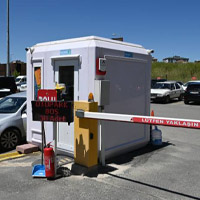
Compact and highly efficient, parking booths (1.2 × 1.2 m or 1.5 × 1.5 m) are the most economical options, with 2026 prices ranging from $2,500 to $4,000. These models emphasize visibility, ventilation, and quick installation rather than extensive technology. When equipped with payment terminals, intercom systems, or ticket printers, pricing typically increases by 10–20%. Their lightweight and portable design make them ideal for city parking areas or temporary traffic control stations.
High-Security and Armored Units
At the top of the market are bullet-resistant or reinforced security cabins, designed for embassies, police departments, and sensitive infrastructure. Depending on the BR protection level (BR4–BR7) and material type (steel, composite, or ballistic glass), these models can range from $12,000 to $25,000 . Their structure includes multi-layer wall systems, ballistic glass, and advanced communication or surveillance technology. Though expensive, they provide unmatched protection and durability - a long-term investment for critical sites.
By aligning your budget with your intended use case, you can choose the right balance between safety, design, and cost efficiency - ensuring every dollar spent delivers measurable performance.
For many buyers, the real challenge isn’t just affording the initial purchase - it’s reducing long-term operating costs while keeping the cabin reliable, comfortable, and compliant with safety standards. In 2026, manufacturers and buyers alike are focusing on smarter ways to lower the total cost of ownership (TCO) without cutting corners on performance or durability.
Choose Durable, Low-Maintenance Materials
The cheapest model isn’t always the most economical in the long run. Cabins built from galvanized steel frames, high-density sandwich panels, and weatherproof coatings resist corrosion, fading, and warping - meaning fewer repairs and replacements over time. Opting for maintenance-free exteriors like powder-coated finishes or aluminum trims also minimizes repainting and refurbishment expenses.
Prioritize Energy Efficiency
Energy consumption represents one of the largest ongoing costs for guard cabins. Selecting models with polyurethane insulation, double-glazed windows, and LED lighting significantly cuts electricity bills. If the location allows, integrating solar panels or low-voltage systems can further reduce dependency on grid power - a growing trend in remote installations.
Modular and Reusable Design
Investing in modular cabins provides long-term flexibility. These structures can be relocated or repurposed as projects change, eliminating the need to buy new units for every site. A well-built modular design can serve multiple projects over several years, making it a sustainable and financially sound choice.
Buy Direct from Manufacturers
Purchasing directly from producers rather than intermediaries eliminates unnecessary markups. In 2026, many leading manufacturers offer factory-direct sales, which include design consultation, transportation, and setup services - ensuring better pricing and warranty coverage.
By combining smart material choices, energy-conscious design, and modular flexibility, it’s possible to achieve premium quality while keeping lifetime costs under control. The key is to view a security cabin as a long-term asset, not a disposable structure.
In 2026, the decision between a standard security cabin and a custom-built model is largely driven by your site’s operational complexity, design expectations, and budget priorities. Both options have clear advantages - the key is matching them to the real-world needs of your project.
Standard cabins remain the go-to choice for most projects because of their proven efficiency, lower cost, and faster delivery. Produced in common sizes such as 1.5 × 1.5 m or 2.0 × 2.0 m, they’re ideal for parking areas, gate controls, and temporary work sites. Manufacturers keep these models ready or semi-ready for shipment, making them perfect for urgent installations.
Advantages include:
For clients with unique operational requirements - such as multi-operator environments, integrated tech systems, or specific architectural aesthetics - custom cabins are the better choice. These units are engineered from the ground up, accommodating everything from bulletproof glass and server racks to luxury interiors with branding options. Though pricing can be 20–40% higher than standard models, customization ensures maximum efficiency, brand alignment, and long-term ROI.
Typical custom-use cases include:
Standard cabins fit most general-purpose projects, while custom cabins are strategic investments for businesses prioritizing design, technology, or high security. Many clients in 2026 even combine both - deploying standard units for basic control points and custom ones for main entrances - achieving the perfect balance of cost and sophistication.
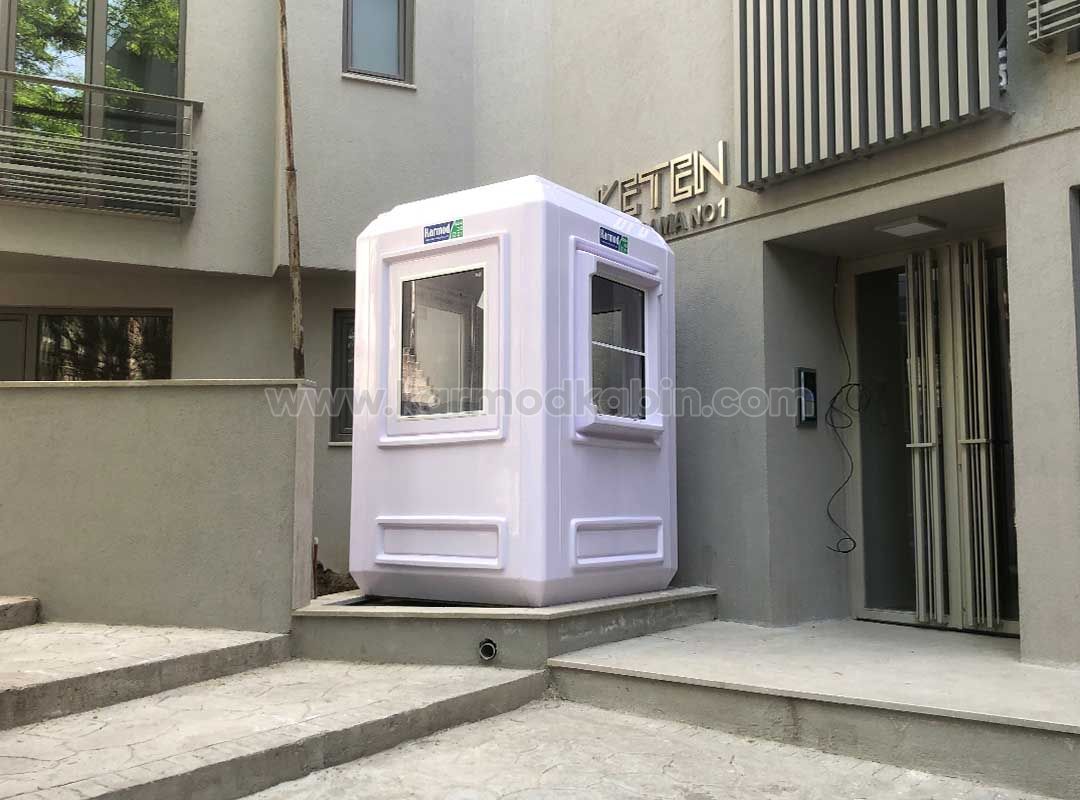
As the 2026 market grows more competitive, finding the perfect balance between price, performance, and durability is key. Whether you need a compact parking booth, a multi-operator control cabin, or a reinforced guard post, our team designs each unit to match your specific site conditions, operational needs, and budget goals.
We combine modern production technology with premium materials - from galvanized steel frames and insulated sandwich panels to advanced smart systems ready for CCTV, IoT, and access control. Every cabin we produce is energy-efficient, comfortable, and built to withstand intensive daily use in any environment. You can select the size, color, layout, insulation level, and accessories to ensure complete compatibility with your site requirements.
Our experts guide you through every step - from choosing the optimal model and dimension to delivery, installation, and after-sales support. We offer fast lead times, direct factory pricing, and long-term reliability backed by tested engineering standards.
Get in touch with us today to request your personalized 2026 quotation. Let’s build a security cabin that fits your vision, your budget, and your standards - perfectly.
Leading manufacturer in modular cabin since 1986.
 EN
EN