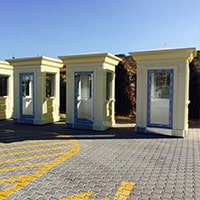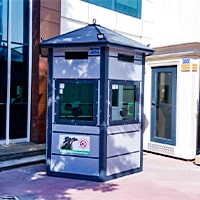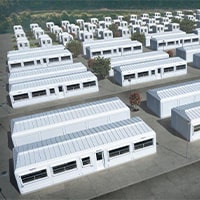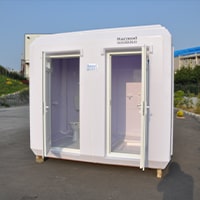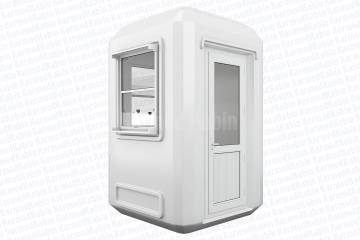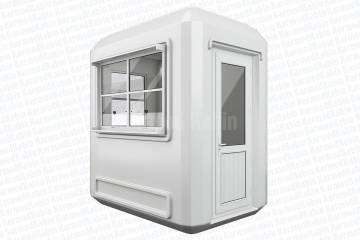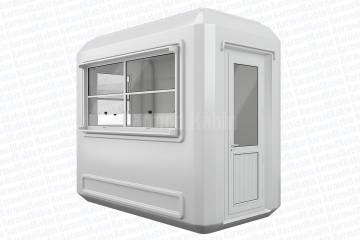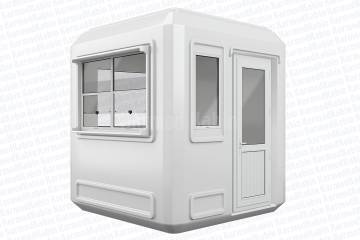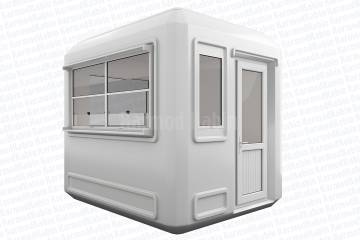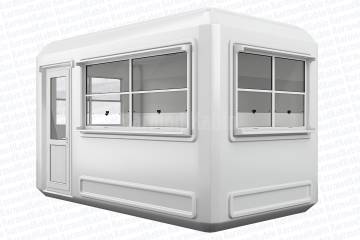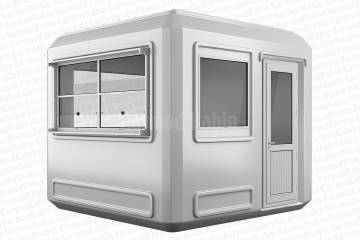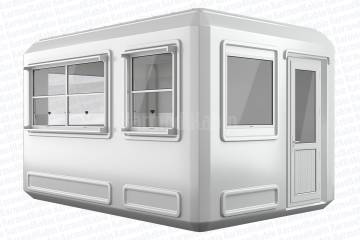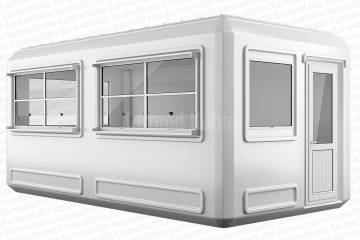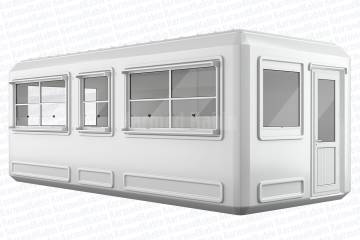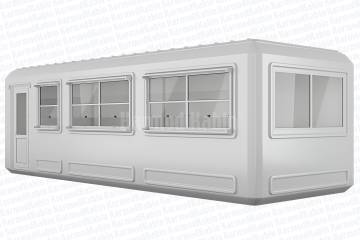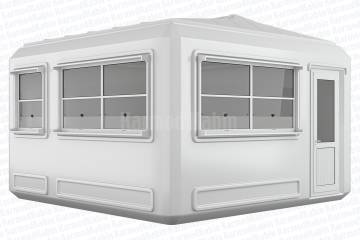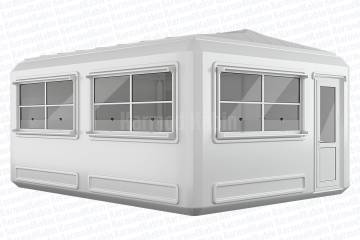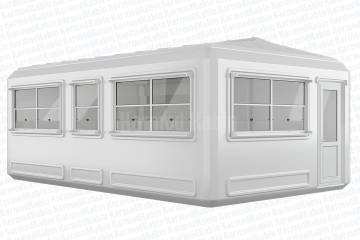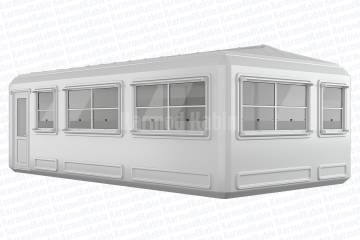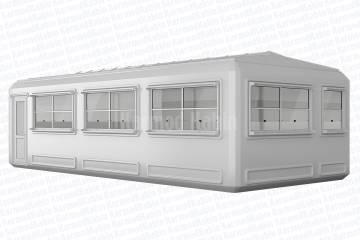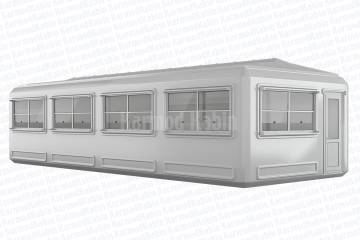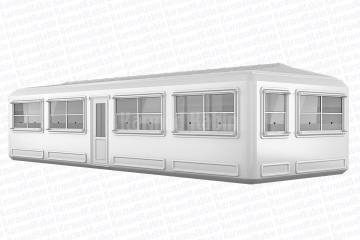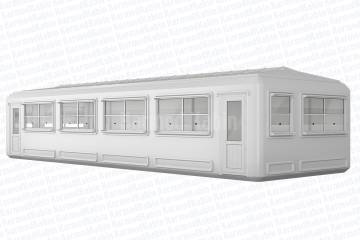

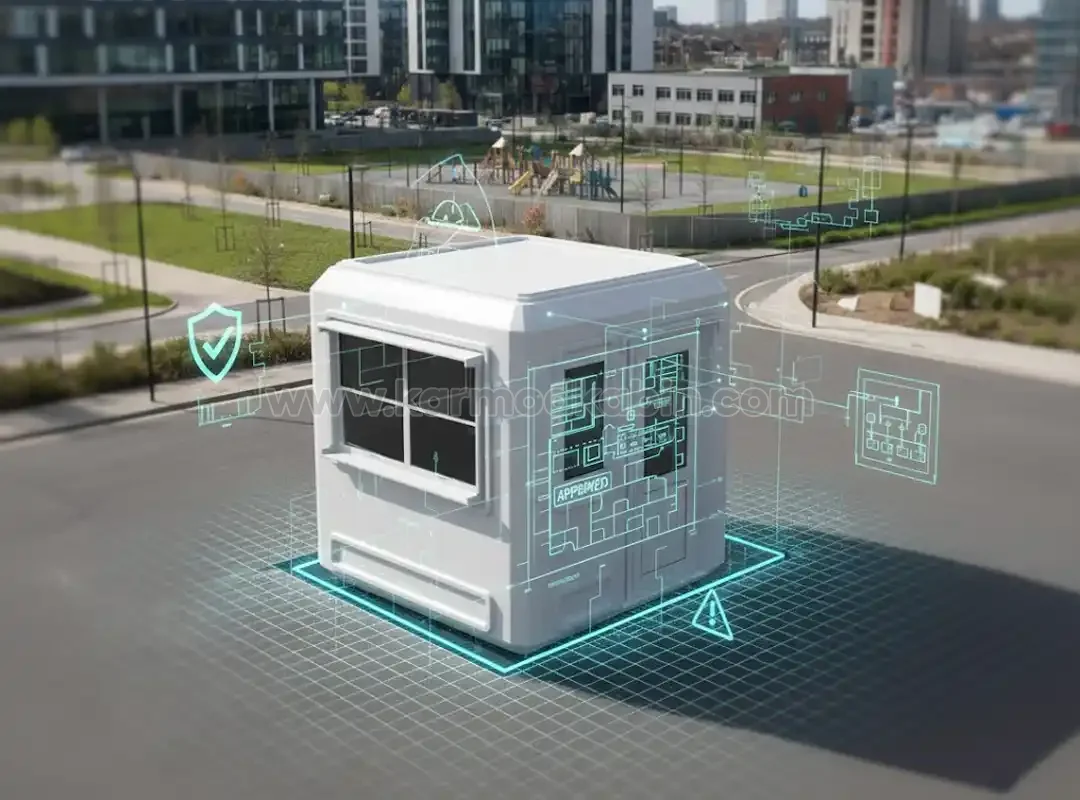
Security cabins are not just simple portable structures; they are essential components of modern security infrastructure for businesses, government facilities, schools, and industrial sites. However, before installing one, understanding the legal requirements and licensing procedures is crucial. Each municipality or region may have its own regulations regarding placement, size, safety standards, and usage type. A professional approach to permits not only prevents future legal problems but also enhances your credibility as a business.
When you plan to buy or install a GRP security cabin, knowing the permit and licensing process allows you to save time, avoid penalties, and ensure that your structure is compliant with local building and safety laws. Whether you are setting up a guard booth for a construction site or a permanent GRP security cabin for an institution, following the proper legal steps is the foundation of safe and sustainable operation.
Obtaining a proper GRP security cabin permit is not just a bureaucratic step-it’s a sign of professionalism, reliability, and compliance. Businesses that operate without the correct licenses risk fines, forced removal, or even legal disputes. More importantly, a permitted and licensed guard booth or GRP security cabin assures clients and authorities that your facility meets all safety, environmental, and structural regulations. It demonstrates that your company prioritizes both the safety of personnel and adherence to the law. For large corporations, public institutions, and construction sites, these factors are not optional-they are essential for maintaining credibility and long-term operational stability.
A licensed GRP security cabin also plays a vital role in your brand’s image and client trust. When partners and inspectors see that your security infrastructure is fully approved, it reflects a commitment to transparency and quality. Additionally, many insurance companies and government contracts require proof of proper permits before accepting bids or providing coverage. By taking care of the licensing process from the start, you eliminate risks, save future costs, and position your business as a responsible and forward-thinking operator in the security and construction sectors.
Before setting up a GRP security cabin or guard booth, you must ensure compliance with your region’s specific licensing and building regulations. Municipalities often require documents proving that the land, the structure, and the intended use all meet zoning and construction standards. These regulations protect not only public safety but also the long-term functionality of your cabin. Submitting incomplete or outdated documentation can delay approvals or lead to costly rejections. Therefore, it’s important to gather every technical and legal document before installation begins.
Typical requirements may vary depending on whether your cabin is temporary or permanent, but they usually include:
By preparing these materials in advance, you demonstrate responsibility and professionalism. Working directly with a certified GRP security cabin manufacturer simplifies this process-such suppliers can provide all required technical documents, ensuring your installation meets every legal condition and passes inspection without delays.
Acquiring a GRP security cabin permit may sound complex at first, but it becomes much more manageable when approached with a structured plan. The first step is to confirm that your selected site complies with local zoning and land-use regulations. Each municipality has different classifications for commercial, industrial, or temporary structures, so verifying this early helps prevent legal conflicts. Once your site is eligible, contact your local building authority or municipality to obtain the official list of documents required for your permit application. This checklist usually includes technical drawings, safety reports, and product certificates-everything necessary to demonstrate that your cabin meets local construction and fire standards.
After gathering your documentation, prepare a complete technical submission file with all architectural, structural, and compliance details. Submit it to the relevant municipal department and monitor the process closely. Most authorities will review your application for conformity with structural safety, fire regulations, and visual aesthetics of the area. If any revisions are requested, respond quickly to avoid delays. Once approved, you’ll receive an installation permit authorizing you to proceed. After installation, an inspection is usually scheduled to verify that the cabin was built exactly as approved. When this inspection is successfully completed, you’ll receive the official operating or occupancy license, confirming that your GRP security cabin is legally compliant and ready for use.
Typical approval workflow includes:
Working with a certified GRP security cabin manufacturer ensures your documents and technical files meet all requirements from the start, helping you complete the process faster and without complications.
When applying for a GRP security cabin permit, local authorities usually require a detailed collection of documents that prove your structure’s compliance with construction, zoning, and safety regulations. Each municipality has its own procedures, but the general aim is the same-to confirm that your guard booth or security structure is safe, durable, and legally placed. Submitting a clear and complete documentation package from the start helps prevent delays and shows that your business operates responsibly. It also increases the likelihood of a fast approval, as technical departments prioritize well-prepared applications.
Below are the most common documents municipalities and government offices typically request:
When these documents are organized and verified by your cabin supplier, you minimize errors and speed up approval. Many professional manufacturers provide pre-prepared document packages tailored to municipal requirements-making it easier for your project to move from planning to operation without interruptions.
Before setting up a GRP security cabin, it’s essential to determine whether your project requires a temporary or permanent installation license. This distinction affects not only the documentation and approval process but also the overall cost, inspection schedule, and future relocation options. Temporary permits are generally used for construction sites, events, or seasonal operations where the cabin will stay on-site for a limited period. These permits are easier to obtain and often have simplified documentation requirements. However, they are valid only for a specific duration, after which you must either renew the permit or remove the structure.
A permanent installation license, on the other hand, applies to long-term placements-such as GRP security cabins installed at factory gates, school entrances, residential compounds, or government facilities. These require more detailed architectural and safety documentation, as they are considered fixed elements of the property. Permanent licenses may also include stricter requirements for foundation systems, fire resistance, and energy efficiency. Although the approval process takes longer, it offers lasting legal protection and eliminates the need for renewals. Choosing the right type of license from the beginning ensures smooth operations, avoids unnecessary costs, and aligns your GRP security cabin investment with your long-term operational goals.
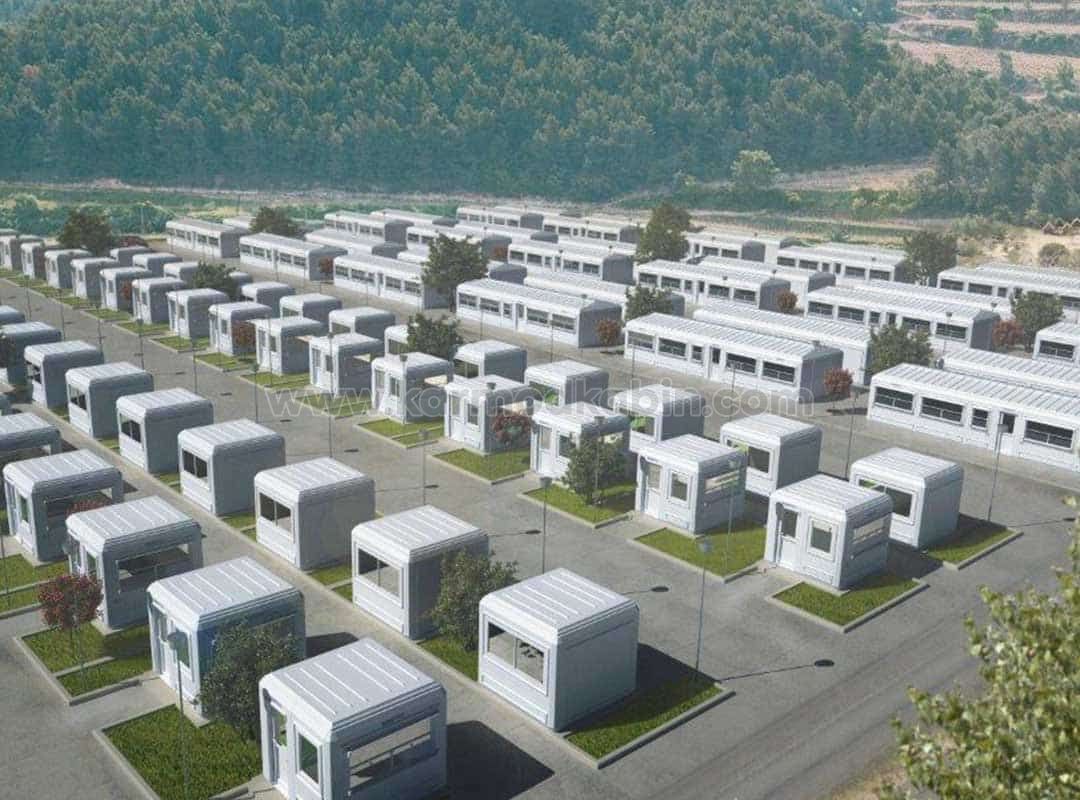
Every GRP security cabin installation must comply with established building and safety standards to ensure the protection of personnel, visitors, and property. These regulations are not just formalities-they determine the cabin’s ability to resist fire, extreme weather, vandalism, or even ballistic threats in high-risk areas. Most countries follow standards inspired by international codes such as ISO, EN, or local Building Regulations, which set specific rules for structural stability, insulation, and fire resistance. The materials used in the cabin-like galvanized steel panels, BR-rated bulletproof glass, and fire-retardant insulation-should all have official certifications. Complying with these requirements guarantees that your guard booth is not only safe but also approved for legal use in public or industrial environments.
Additionally, safety standards extend beyond materials. Authorities often inspect ventilation systems, electrical wiring, lighting, emergency exits, and accessibility features to ensure comfort and safety for staff. For example, proper ventilation and temperature control are critical for 24/7 guard operations, while emergency lighting and fire extinguishers are mandatory under most fire safety codes. In high-risk facilities, enhanced specifications like BR6–BR7 ballistic protection, reinforced doors, or blast-resistant panels may be required. Partnering with a certified GRP security cabin manufacturer helps ensure your model meets all legal standards from design to installation-protecting your staff, your assets, and your reputation.
Many businesses underestimate the complexity of obtaining a GRP security cabin permit and end up making costly mistakes that delay approvals or even result in legal penalties. One of the most frequent errors is installing the cabin before securing official authorization. Municipalities can impose heavy fines or demand immediate removal if the structure is placed without permission. Another common issue is incomplete documentation-missing drawings, expired certificates, or incorrect zoning details can lead to long processing times or outright rejection. Applicants also often overlook fire safety reports or electrical conformity certificates, assuming these are optional. In reality, these are mandatory in most jurisdictions and critical for both approval and insurance coverage.
Businesses also face setbacks when they rely on suppliers unfamiliar with local permit regulations. Choosing a non-certified or inexperienced manufacturer can result in cabins that don’t meet technical requirements, forcing you to redo part of the process. Delays also occur when companies fail to respond quickly to feedback from municipal engineers or inspectors. A proactive, well-documented approach is key. Working with a certified GRP security cabin supplier that provides ready-to-submit technical files eliminates these risks. They understand how to align your project with zoning, structural, and fire safety regulations-saving time, reducing stress, and preventing unexpected costs in the licensing phase.
The cost and duration of obtaining a GRP security cabin permit can vary depending on the project’s scale, the municipality’s regulations, and whether the cabin is temporary or permanent. Generally, temporary permits are faster and more affordable, while permanent installations require detailed evaluations and multiple inspections. Application fees can range from small administrative costs to larger payments covering structural reviews or environmental assessments. On average, a straightforward permit process takes two to six weeks, though complex installations in sensitive zones-like schools, airports, or government compounds-may take longer. Collaborating with a supplier that provides pre-approved documentation can shorten this timeline considerably, ensuring your guard booth becomes operational as quickly as possible.
Ignoring the legal process, however, can be far more expensive. Non-compliance may result in penalties, forced removal orders, or even suspension of business operations. In some regions, fines are applied daily until the structure is removed or brought into compliance. Additionally, insurance providers may refuse to cover incidents involving unlicensed cabins, creating financial risk in case of accidents or damage. To avoid these consequences, always confirm your supplier’s certification status, keep copies of all permits on-site, and schedule renewals on time. Proper licensing not only protects you from penalties-it strengthens your company’s reputation as a professional and law-abiding operator in the security sector.
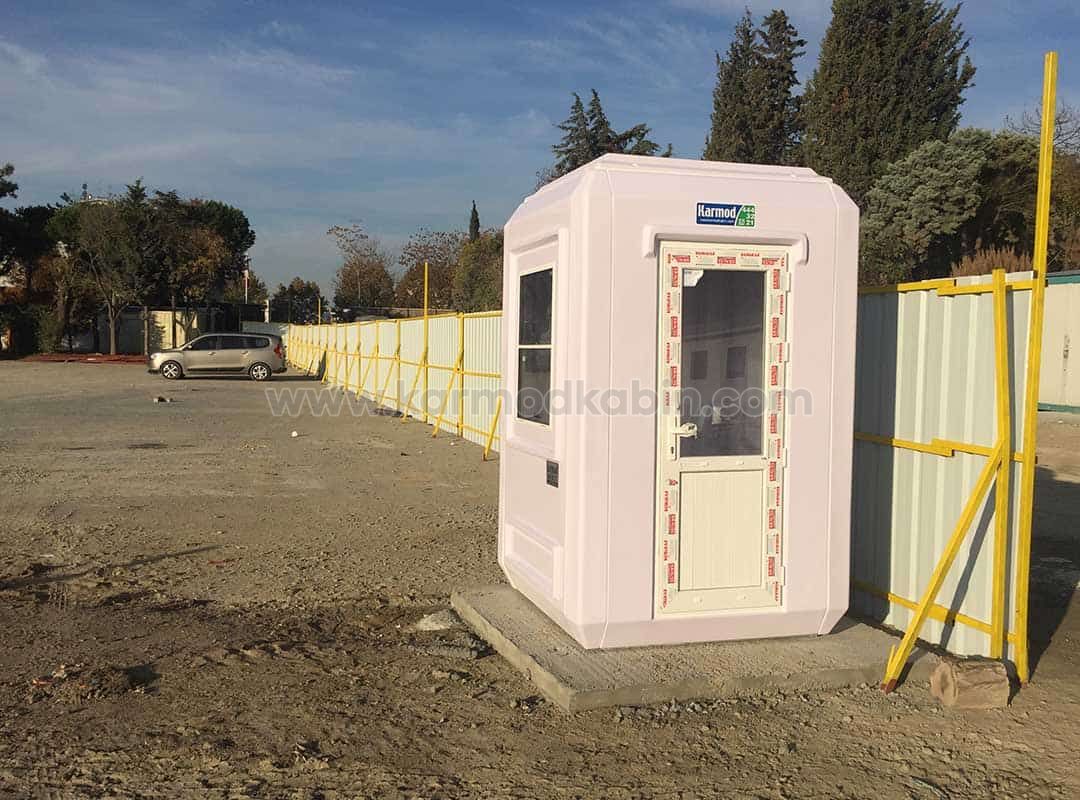
Ensuring that your GRP security cabin meets all legal specifications begins with choosing a certified manufacturer that designs according to local and international standards. A reputable supplier will provide a full technical file-including architectural drawings, structural analyses, fire safety certifications, and electrical compliance documents-ready for municipal submission. Before installation, it’s crucial to verify that your model matches local building codes related to fire resistance, energy efficiency, noise insulation, and accessibility. Even minor nonconformities-like incorrect cabin height, door width, or ventilation setup-can result in failed inspections or delays in licensing. By aligning your purchase with the correct standards from the start, you avoid unnecessary modifications and ensure faster approval.
Another key factor is proper site preparation and installation. Even if your cabin itself is compliant, incorrect placement-too close to roads, boundary lines, or restricted zones-can cause legal issues. Always follow the approved site plan exactly and document each step of the process with photos and installation reports. Partnering with a professional installation team ensures that the cabin’s anchoring, foundation, and connections meet safety requirements. It’s also wise to keep a record of all product certificates and inspection reports in a visible file within the cabin, as inspectors often ask for on-site verification. In short, legal compliance isn’t just about paperwork-it’s about demonstrating that every part of your cabin, from design to final setup, prioritizes safety, quality, and accountability.
Navigating the legal requirements for GRP security cabin permits can be overwhelming, but choosing the right partner makes the process simple, fast, and stress-free. By working with a certified cabin manufacturer, you not only receive a high-quality structure but also gain access to all the technical documentation, compliance certificates, and engineering drawings required for quick municipal approval. This professional guidance helps you avoid mistakes, save valuable time, and ensure your guard booth or GRP security cabin is ready for legal inspection from day one.
When you work with us, you don’t just buy a cabin-you invest in safety, durability, and compliance. Every model is designed to meet strict international standards, ensuring comfort and protection for your personnel while meeting all building regulations. Whether you need a portable unit for a temporary project or a permanent cabin for institutional use, we provide fully documented and ready-to-install solutions tailored to your needs.
Why choose our certified GRP security cabins:
Contact us today to get your permit-ready, certified GRP security cabin - built for legal compliance, safety, and long-lasting performance. Your project deserves a cabin that’s as strong and dependable as your business.

Leading manufacturer in modular cabin since 1986.
 EN
EN