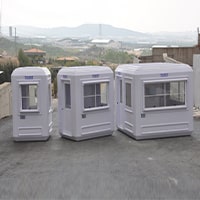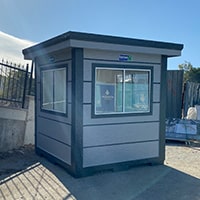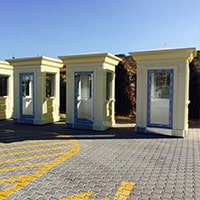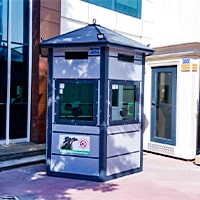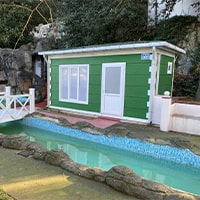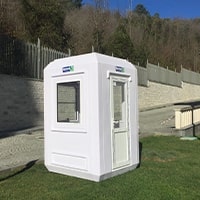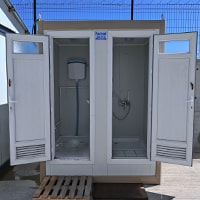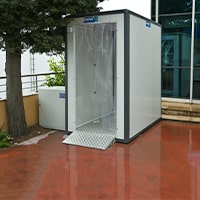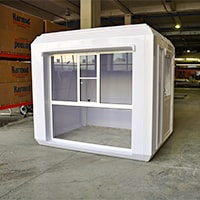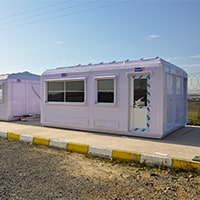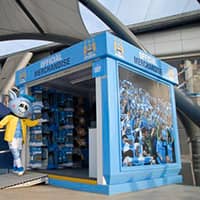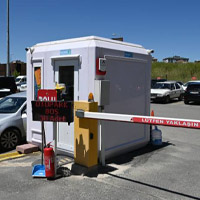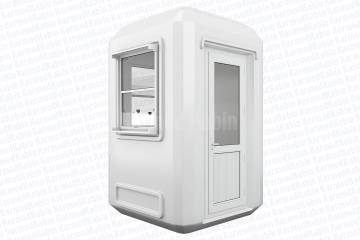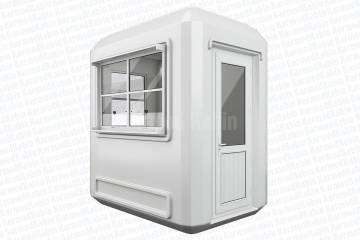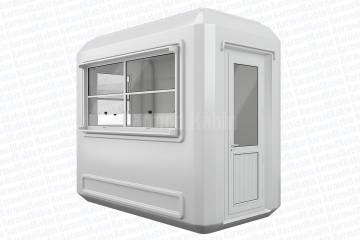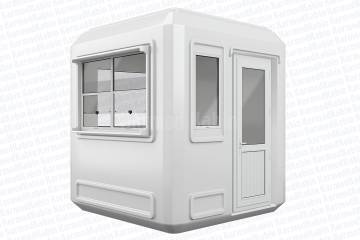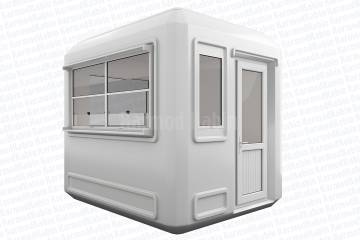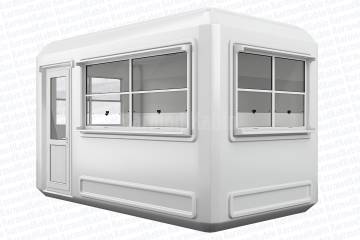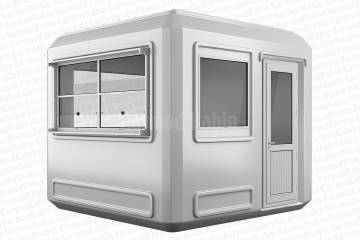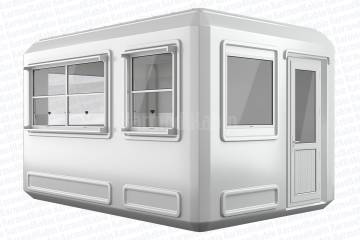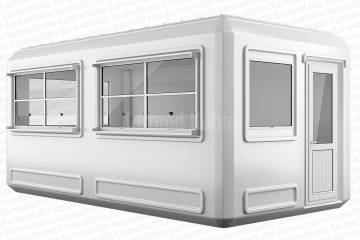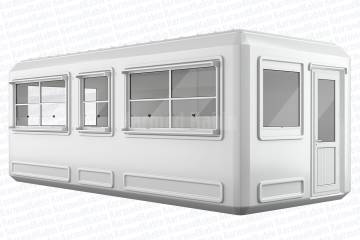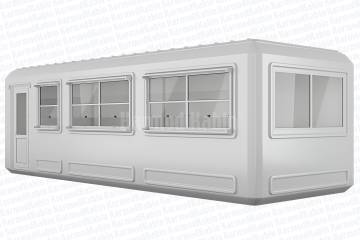

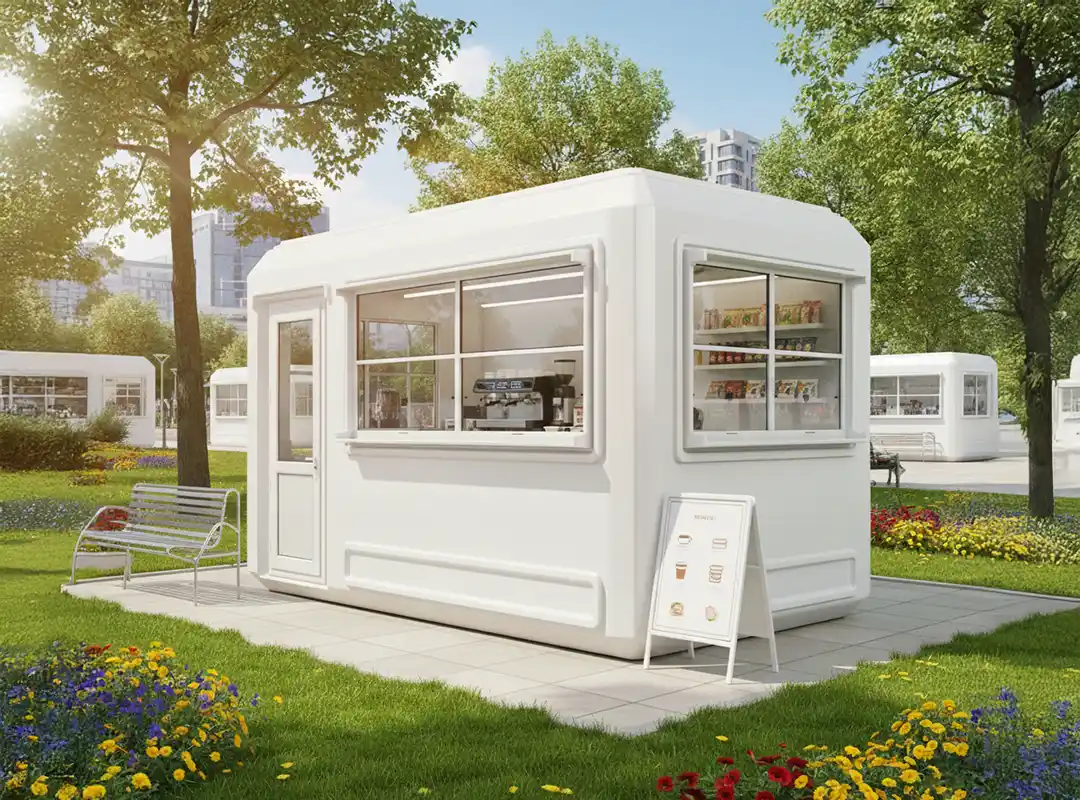
A snack cabin is a compact, prefabricated structure designed specifically for selling food and beverages in high-traffic areas. Think of it as the modern evolution of the traditional kiosk, but built with durability, hygiene, and mobility in mind. These cabins are factory-produced, delivered ready to use, and designed to operate efficiently in both temporary and permanent settings.
What makes a snack cabin especially attractive is its balance between speed and professionalism. Instead of months of construction, businesses can start serving customers within days. For entrepreneurs, municipalities, and event organizers, this means faster returns, controlled costs, and a consistent brand presence across different locations.
A snack cabin is typically a single-unit modular or container-based structure, equipped to handle food preparation, display, and sales. It is engineered to meet basic operational needs such as ventilation, insulation, electrical systems, and service counters, all within a compact footprint.
Unlike improvised stands or trailers, snack cabins feel permanent and trustworthy to customers. Solid walls, proper doors and windows, and clean interior finishes create a sense of hygiene and reliability, which is crucial in food service. This perception directly affects customer confidence and sales volume.
One of the defining characteristics of a snack cabin is its functional layout. Every square meter is planned for efficiency, allowing staff to work comfortably even in limited space. This is especially important during peak hours when speed of service matters most.
Common features usually include:
These features ensure the cabin is not just visually appealing, but also compliant with practical food service requirements.
Snack cabins are widely used in locations where foot traffic is high and fast service is essential. Parks, promenades, and city squares are among the most common settings, as they attract both locals and tourists throughout the day.
They are also frequently placed in:
In each of these locations, the cabin serves as a reliable, weather-resistant point of sale that can operate independently or as part of a larger commercial area.
For events, flexibility is everything. Snack cabins are ideal for concerts, fairs, exhibitions, and seasonal markets because they can be installed quickly and removed just as easily. This allows organizers to scale food services based on crowd size and event duration.
Temporary does not mean low quality. Even for short-term use, these cabins provide a professional look that enhances the overall atmosphere of the event. Visitors are more likely to buy from a clean, solid structure than from makeshift stalls, which directly impacts vendor revenue.
In urban environments, snack cabins often become semi-permanent or permanent fixtures. Municipalities use them to organize street vending, while private operators use them to establish branded snack points without investing in full-scale buildings.
This approach is particularly effective in areas where traditional construction is restricted or costly. The cabin provides a compliant, visually consistent solution that fits into modern city planning while supporting local businesses.
One major advantage of a snack cabin is cost control. Since production happens in a factory, material quality and labor are standardized, reducing unexpected expenses. Installation is fast, and there is no prolonged disruption to the surrounding area.
Another key benefit is scalability. Businesses can start with one unit, test demand, and then expand with additional cabins in other locations. This modular growth model is far less risky than committing to long-term leases or permanent construction from the start.
Snack cabins are not limited to one type of user. They are suitable for:
For anyone looking to combine speed, visibility, and operational efficiency, this type of structure offers a smart entry point into the food service market.
Beyond immediate sales, a snack cabin is an investment in flexibility. If one location underperforms, the unit can be relocated. If a concept evolves, the interior can be adapted. This adaptability protects businesses from changing market conditions.
For decision-makers comparing options, snack cabins stand out as a solution that aligns with modern urban needs, customer expectations, and business realities. For those considering a new food service venture or expanding an existing one, requesting a tailored quotation is often the first practical step toward turning the idea into a working, revenue-generating space.
If you are considering a fast, flexible, and professional way to sell food in high-demand locations, a snack cabin offers a strong starting point. Whether your goal is a seasonal setup, a permanent urban kiosk, or a scalable food concept, the right cabin design can make a measurable difference in daily operations and customer perception.
A well-planned snack cabin is not just a structure. It is a sales point, a brand touchpoint, and a practical investment. By choosing a factory-built solution, you gain control over costs, timelines, and quality from day one.
Get in touch today to request a tailored quote based on your location, usage scenario, and branding needs. A short consultation can help you define the right size, layout, and configuration to match your business goals and start serving customers sooner than you expect.
Leading manufacturer in modular cabin since 1986.
 EN
EN