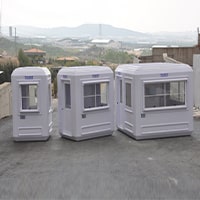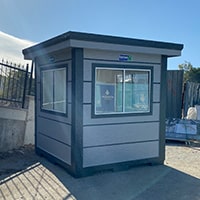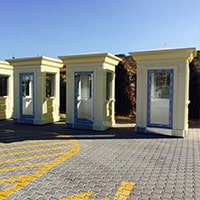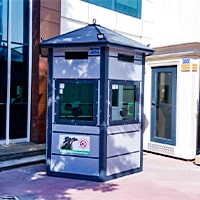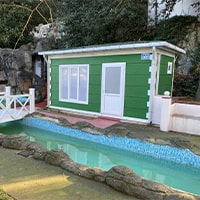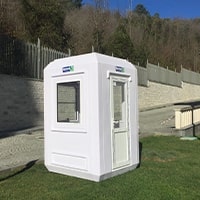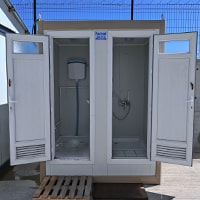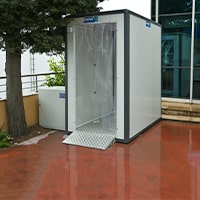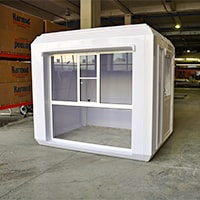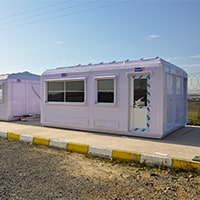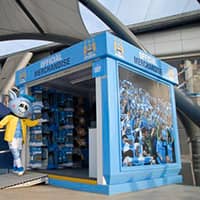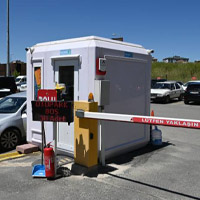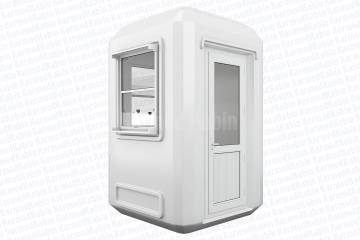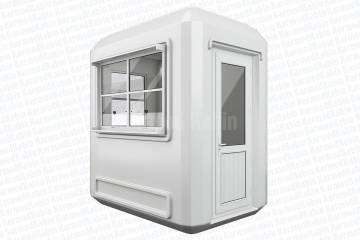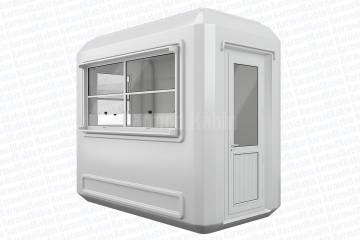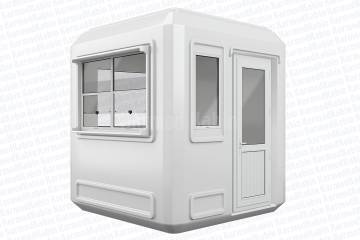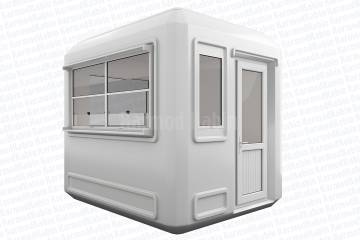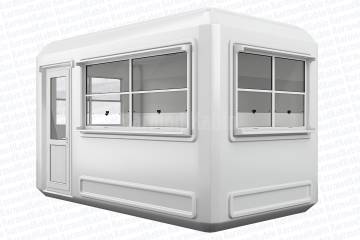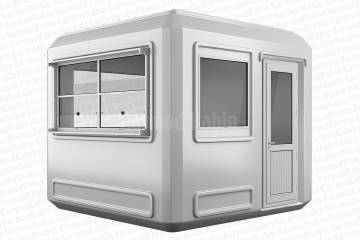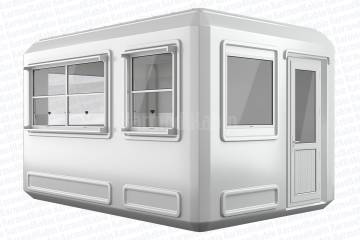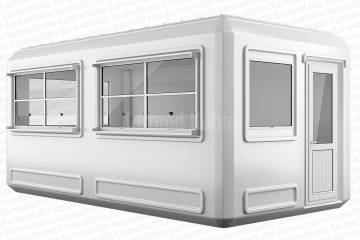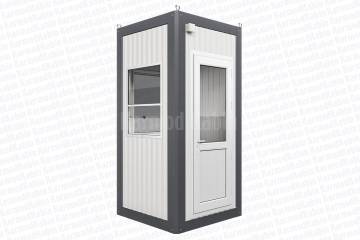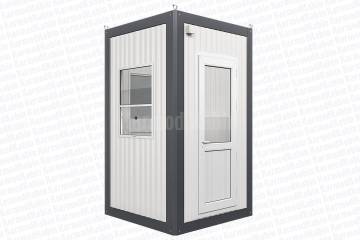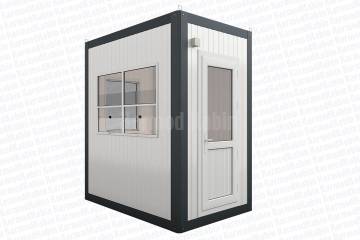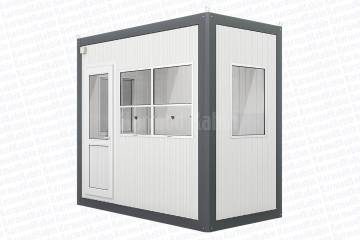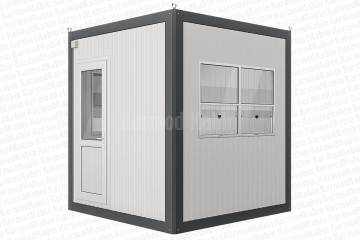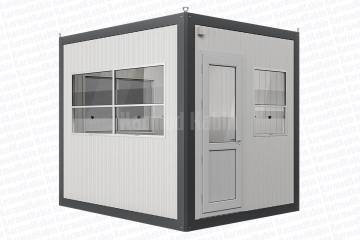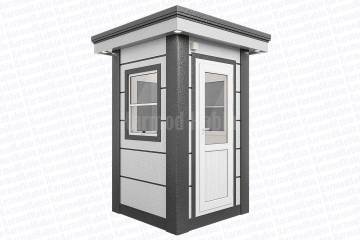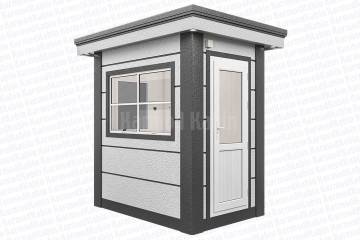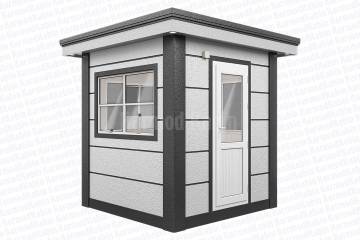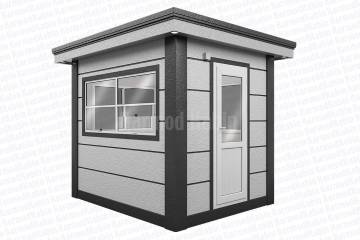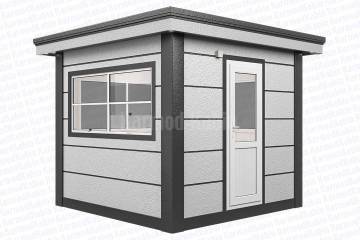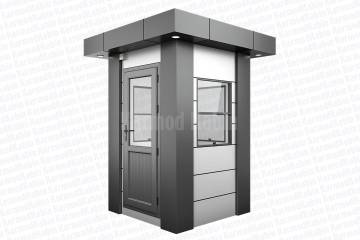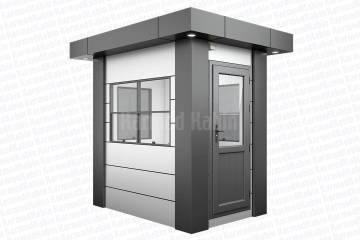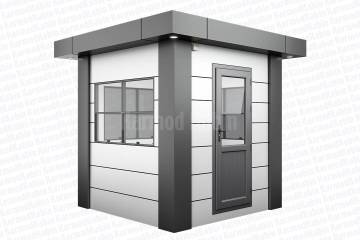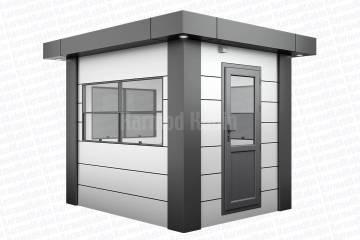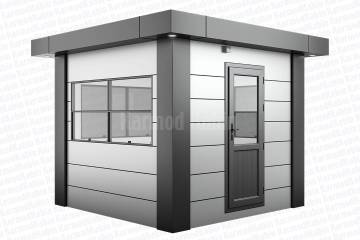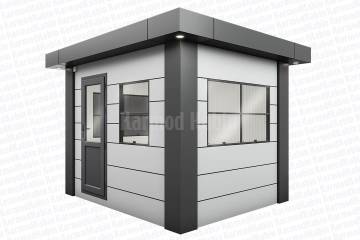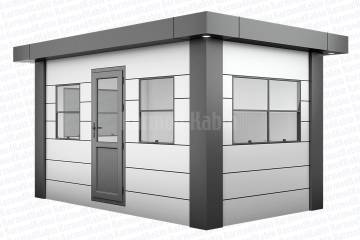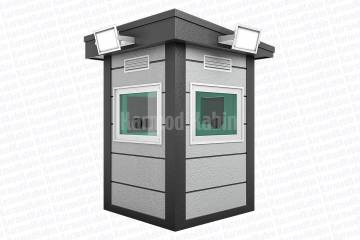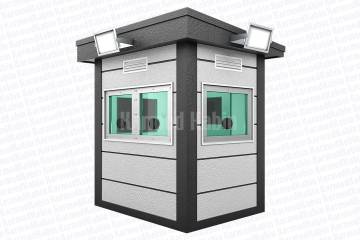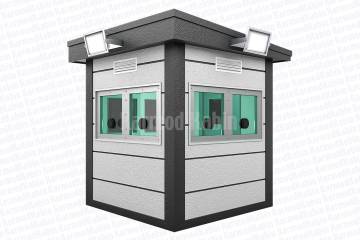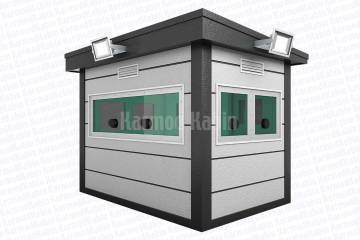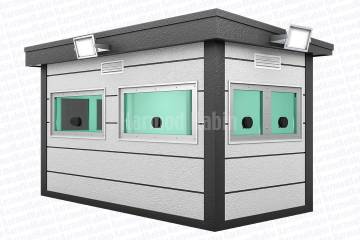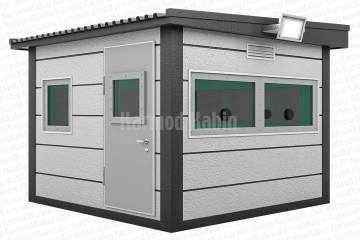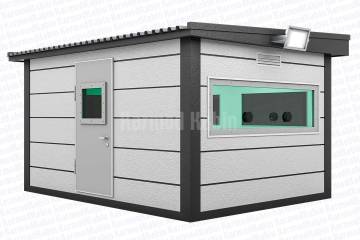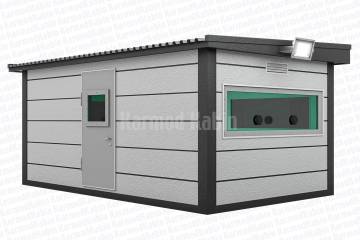

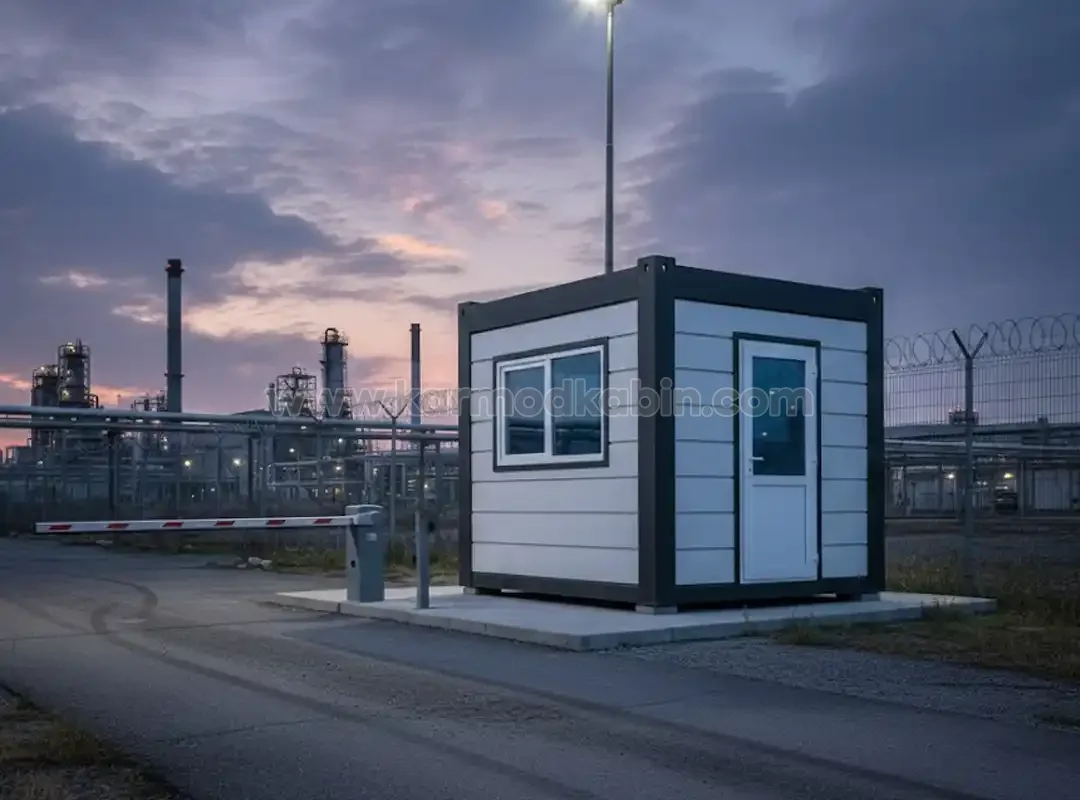
A security cabin, also known as a guard hut, is a compact yet functional structure designed to provide safety, shelter, and visibility for security personnel. These cabins are commonly positioned at entry and exit points, construction sites, factories, parking areas, or any facility requiring continuous monitoring. Built from durable materials like galvanized steel, sandwich panels, or composite cladding, modern guard cabins combine strength with comfort - allowing officers to perform their duties efficiently under any weather condition.
Unlike traditional concrete structures, prefabricated security cabins are designed for fast installation, mobility, and long-term durability. They can be transported easily, customized to meet corporate standards, and equipped with modern features such as insulation, lighting, ventilation, and communication systems. Whether for temporary use at an event or as a permanent fixture in an industrial complex, these modular units offer a perfect balance between security, convenience, and cost-effectiveness.
A security cabin is a purpose-built structure designed to provide a safe, functional, and comfortable working environment for security personnel. Its primary role is to serve as a monitoring and control point, allowing guards to oversee entrances, exits, and perimeters efficiently. These cabins act as the first line of defense for any facility - whether a residential compound, industrial site, commercial complex, or event venue. Equipped with essentials like electric connections, lighting, and sometimes integrated surveillance systems, they allow security staff to perform their duties effectively without exposure to harsh outdoor conditions.
At its core, a security cabin is more than just a shelter - it represents organization, safety, and readiness. It centralizes the control of entry logs, visitor management, and communication with other departments. In large-scale facilities, these cabins are strategically positioned to enhance visibility and reduce response times in emergencies. Whether made from steel, sandwich panels, or composite materials, their design focuses on long-term durability, rapid installation, and adaptability to different operational requirements.
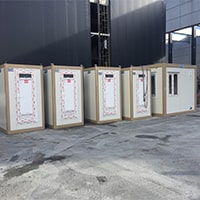
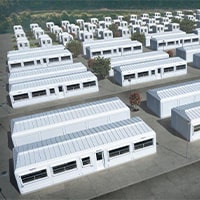
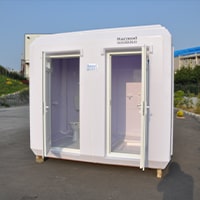
Security cabins come in a variety of models to match different operational environments, usage needs, and aesthetic preferences. The most common types include portable guard huts, steel security cabins, container-based units, and modular prefabricated cabins. Each type offers distinct advantages depending on where and how it will be used.
Portable guard huts are ideal for short-term or mobile use - such as construction sites or temporary checkpoints - because they can be easily relocated and reinstalled within hours. Steel security cabins, on the other hand, are preferred for long-term and heavy-duty applications where extra protection and durability are required. Container guard cabins offer a balance between strength and interior space, often featuring insulation, windows, and electric systems pre-installed. Meanwhile, modular guard huts stand out for their customizable design and quick assembly process, making them a top choice for corporate or government institutions that demand a specific look or configuration.
Key features often include:
Security cabins are highly versatile structures designed for a wide range of applications where controlled access, monitoring, or personnel protection is needed. Their modular and portable nature allows them to be deployed in industrial, commercial, public, and residential areas with minimal setup time. Because they can be customized to different operational needs, they serve as essential units in both temporary and permanent security setups.
You’ll often find security guard huts in factory entrances, logistics centers, residential compounds, and shopping mall parking lots, where they serve as the first checkpoint for vehicles and visitors. They’re also indispensable in construction sites, airports, ports, military bases, and government facilities, ensuring that access control and monitoring operations are uninterrupted. During events or exhibitions, portable models provide flexible and efficient crowd management solutions, while corporate offices and embassies often prefer customized cabins that align with their architectural aesthetics and branding.
Some of the most common deployment areas include:
These cabins create a reliable base of operation for security staff - ensuring that visibility, protection, and communication remain constant, regardless of the location.
The durability of a security cabin largely depends on the materials and construction methods used during production. Modern manufacturers rely on high-strength galvanized steel, sandwich panels, and composite cladding to ensure that the cabins can withstand challenging outdoor conditions year-round. These materials are resistant to rust, moisture, and corrosion - extending the life of the cabin even in coastal or industrial environments. The outer shell is often coated with electrostatic paint or galvanized protection, preventing surface wear and maintaining a clean, professional look for many years.
The interior construction is just as important as the exterior. Insulated wall panels help regulate temperature, ensuring comfort in both summer heat and winter cold. Double-glazed PVC windows, non-slip vinyl or epoxy flooring, and weatherproof doors enhance both comfort and safety for personnel. Structural reinforcements at the corners and joints provide added stability during transportation or relocation. For areas with elevated security risks, bullet-resistant glass and armored steel panels can be integrated to meet specific protection standards.
High-quality manufacturing also ensures:
A well-constructed security cabin is not just a shelter - it’s an investment in safety, reliability, and professionalism, reflecting the quality standards of the organization it protects.
A well-designed security cabin interior directly affects the productivity and comfort of the personnel working inside. Modern guard huts are no longer just small boxes for surveillance - they’re ergonomic, insulated, and equipped with amenities that allow security staff to perform their duties efficiently throughout long shifts. The interior layout is carefully planned to optimize visibility, accessibility, and comfort, ensuring that every square meter serves a purpose.
Standard layouts often include a work desk, seating area, power sockets, lighting fixtures, and ventilation systems. Depending on the client’s needs, cabins can also be equipped with air conditioning units, small storage cabinets, heaters, and intercom systems for seamless communication. Proper thermal and acoustic insulation helps maintain a stable indoor temperature while blocking out external noise, which is especially valuable in busy industrial or urban environments.
Other interior comfort features may include:
In high-security or high-traffic areas, cabins can also include monitor stands for CCTV systems, radio communication panels, and smart access control devices. Altogether, these features transform the guard hut from a simple shelter into a fully functional workspace, blending practicality with comfort and modern design.
Prefabricated and modular security cabins offer a wide range of advantages that make them the preferred choice for both private and public sector projects. Their production process takes place in a controlled factory environment, ensuring consistent quality, fast delivery, and easy installation. Compared to traditional brick or concrete structures, these cabins can be assembled and made operational within hours, reducing project timelines and labor costs dramatically.
One of the greatest benefits of modular guard huts is mobility. They can be easily transported to new locations without structural damage, making them ideal for temporary or rotating security posts at construction sites, events, or industrial zones. In addition, the modular system allows for customization in size, layout, and design, meaning the same model can serve very different purposes - from a simple parking booth to a fully equipped armored checkpoint.
Key advantages include:
Ultimately, prefabricated guard cabins combine strength, flexibility, and practicality, offering long-term value for any organization focused on security, efficiency, and aesthetics.
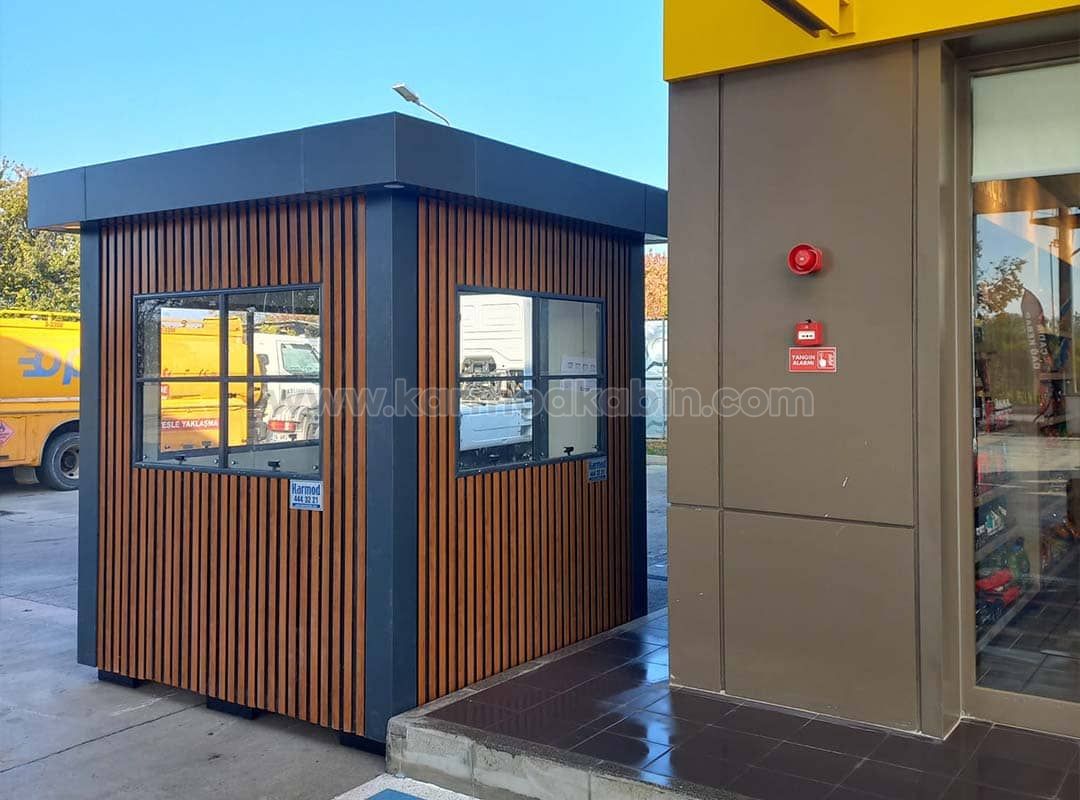
One of the biggest strengths of modern security cabins lies in their flexibility and ability to adapt to different industries, brands, and operational environments. Manufacturers offer a wide range of customization options, allowing each guard hut to reflect the identity and functional needs of the organization it serves. From exterior color schemes to advanced internal configurations, every element can be tailored to enhance both appearance and performance.
For corporate clients, customization often focuses on visual integration and branding. Cabins can be produced in specific corporate colors, feature company logos, and include architectural elements that match the surrounding buildings. This creates a uniform and professional appearance, especially in corporate campuses, consulates, or luxury residential sites. For industrial or high-security areas, customization is more about functionality - adding reinforced steel doors, bulletproof glass, air-conditioning units, or integrated CCTV systems for advanced surveillance capabilities.
Possible customization options include:
These options allow clients to design a cabin that is not only functional but also aligned with the visual identity and operational needs of their facility - combining practicality with style and professionalism.
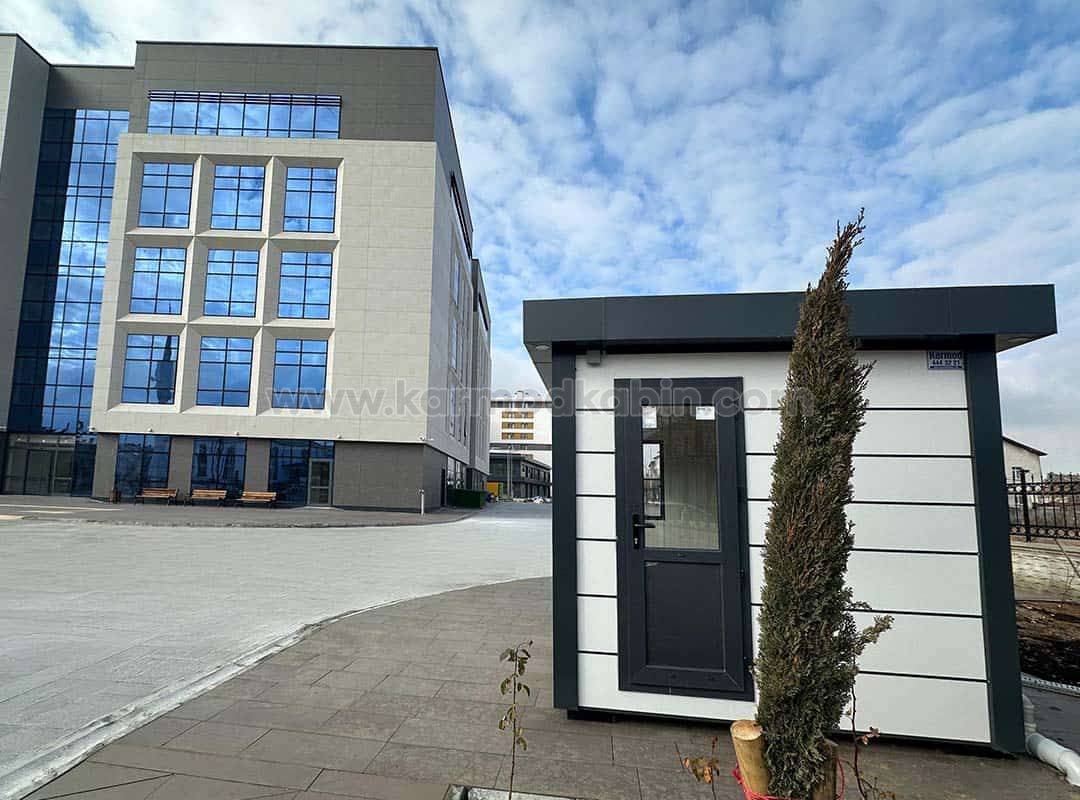
Modern security cabins are designed not only for safety and comfort but also with a strong focus on energy efficiency and sustainability. The materials and insulation technologies used in prefabricated guard huts help minimize energy consumption while maintaining a stable indoor environment throughout the year. High-density polyurethane or rock wool insulation is commonly applied within wall panels, roofs, and floors to reduce heat transfer - keeping interiors cool in summer and warm in winter, with less reliance on heating or cooling systems.
Energy-efficient design also includes double-glazed PVC windows, LED lighting, and low-consumption ventilation systems, which significantly lower the cabin’s overall power demand. These features are especially valuable for facilities operating 24/7, where even minor energy savings translate into noticeable long-term cost reductions. Many manufacturers now also offer solar-ready models, allowing clients to integrate renewable energy systems that make the units fully or partially self-sufficient.
From a sustainability perspective, prefabricated cabins generate less waste during production and installation compared to conventional structures. The materials - such as galvanized steel, aluminum frames, and composite panels - are recyclable and long-lasting, reducing both environmental impact and maintenance costs. As businesses and municipalities increasingly adopt green policies, energy-efficient security cabins represent a modern, eco-conscious solution that aligns with global sustainability goals while providing optimal protection.
Every security cabin must comply with strict legal and safety standards to guarantee the protection of both personnel and the property they guard. Reputable manufacturers follow internationally recognized norms during the production process, ensuring that each cabin is structurally sound, fire-resistant, and suitable for long-term use in public or industrial areas. Compliance with these standards not only enhances reliability but also prevents future legal complications for facility owners.
The most important guidelines involve structural integrity, fire safety, and occupational health. Cabins are often produced under ISO 9001 (quality management) and ISO 14001 (environmental management) systems, which regulate material selection, production quality, and waste control. For regions that require additional certifications, manufacturers can adapt to CE marking, EN 1090 structural steel standards, or BR ballistic resistance ratings for armored models.
Typical safety and compliance elements include:
By meeting these criteria, a security cabin becomes a legally compliant, safe, and dependable workspace for staff who perform critical duties daily. Choosing a certified manufacturer ensures every detail - from wiring to insulation - aligns with international quality and safety benchmarks.
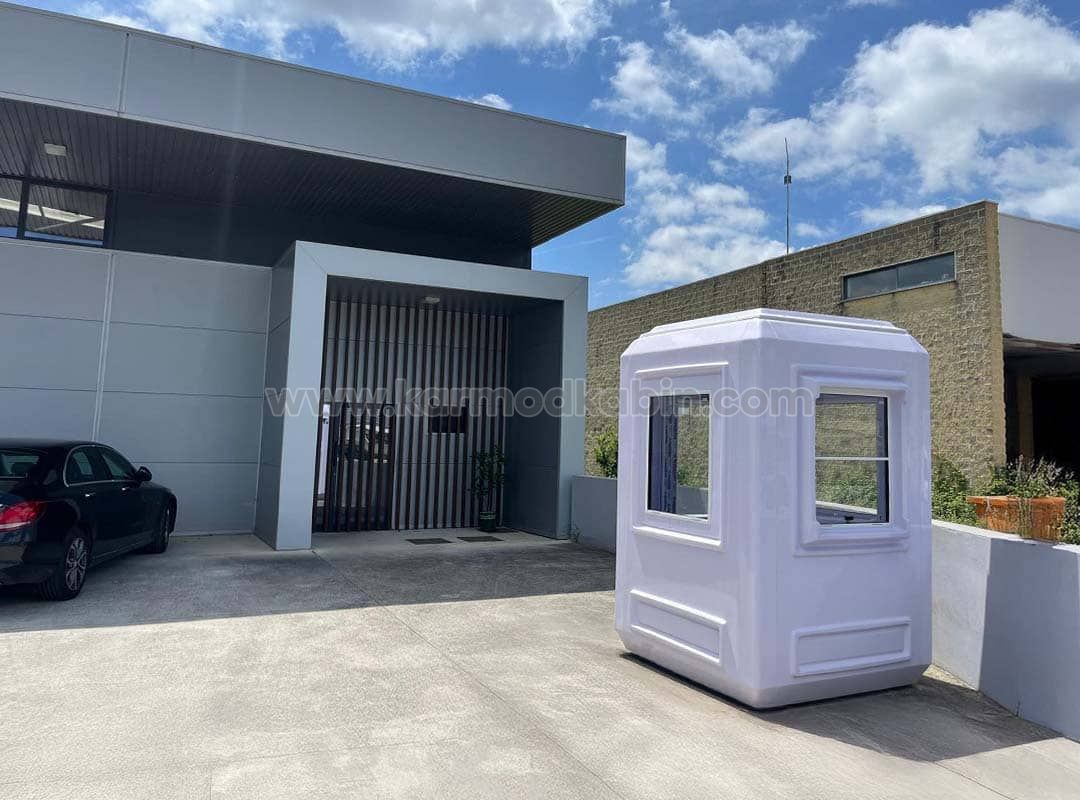
Protect your facility with a durable, customizable, and modern security cabin that reflects your organization’s professionalism. Our prefabricated guard huts, steel cabins, and modular units are designed to deliver comfort, safety, and long-term reliability in every environment - from construction zones to corporate compounds.
When you buy directly from us, you benefit from:
Choose smart, build secure, and invest in a structure that combines efficiency, safety, and design excellence.
Contact us today to order your guard cabin and get a custom quotation directly from our production team.
Leading manufacturer in modular cabin since 1986.
 EN
EN