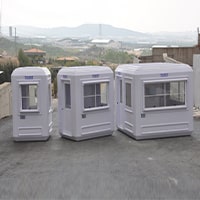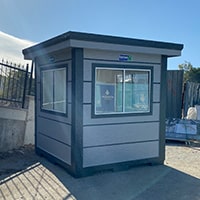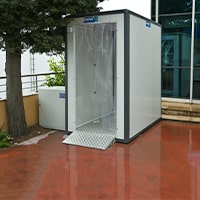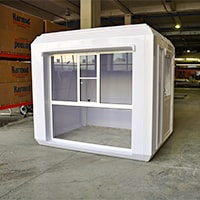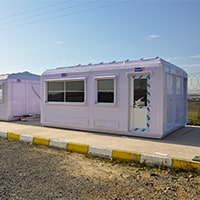

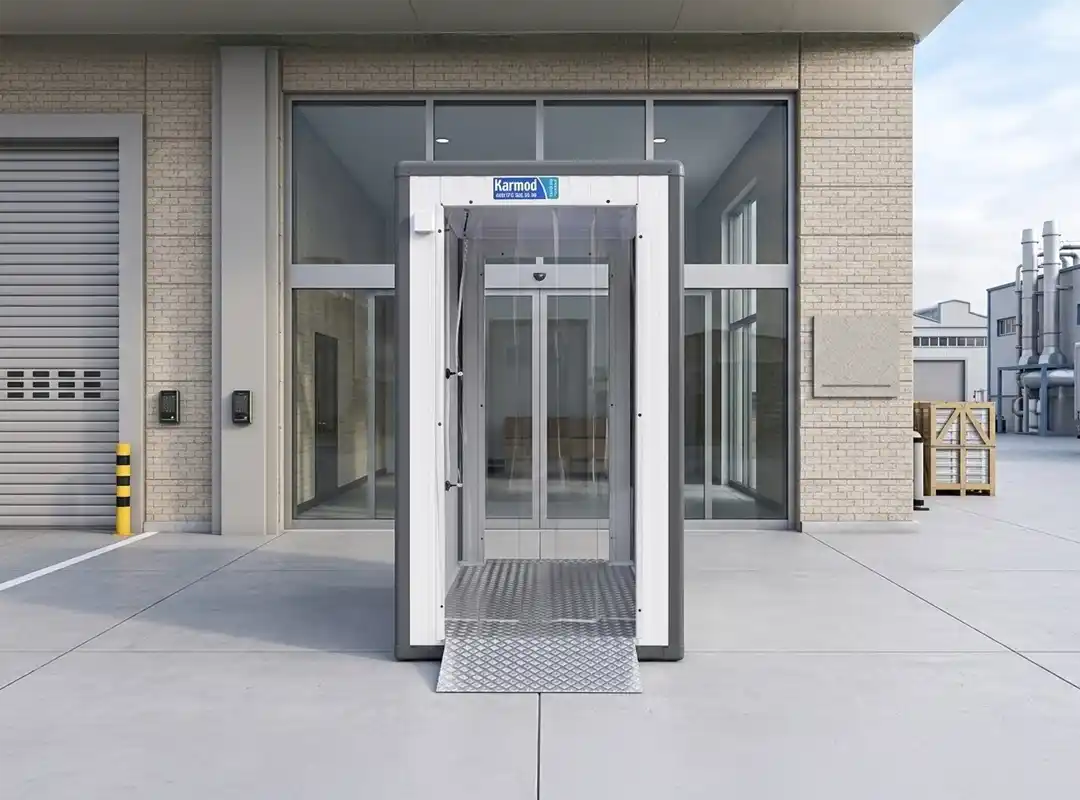
A disinfection cabin is a controlled hygiene unit designed to reduce contamination risks by applying a standardized disinfection process to individuals as they pass through an enclosed space. These cabins are used in environments where infection control cannot be left to personal habits or manual routines alone. By introducing automation and consistency, disinfection cabins help organizations manage hygiene risks more effectively and with less operational friction.
Today, disinfection cabins are no longer viewed as temporary or crisis-only solutions. Many organizations now integrate them into permanent infrastructure as part of long-term health, safety, and risk management strategies. Their presence signals preparedness, responsibility, and a structured approach to hygiene control.
The primary function of a disinfection cabin is to serve as a controlled transition point between potentially contaminated areas and clean zones. Instead of relying on individuals to disinfect themselves correctly, the cabin enforces a uniform process that is applied the same way every time.
This approach is particularly valuable in high-traffic environments. When dozens or hundreds of people pass through the same access points daily, even small lapses in hygiene discipline can lead to larger risks. Disinfection cabins reduce this uncertainty by turning hygiene into a system, not a personal choice.
Disinfection cabins are designed to adapt to different operational environments, which is why their use spans multiple industries. While the technology remains similar, each sector applies cabins based on its own hygiene priorities, traffic intensity, and regulatory expectations.
They are most commonly used in the following locations:
This wide range of applications highlights why disinfection cabins are considered a flexible and scalable hygiene solution rather than a single-purpose product.
The operation of a disinfection cabin is intentionally simple for the user, while being technically controlled in the background. The goal is to ensure effectiveness without slowing down movement or requiring instructions.
A typical disinfection cycle works as follows:
This process usually takes only a few seconds, making disinfection cabins suitable even for high-throughput locations.
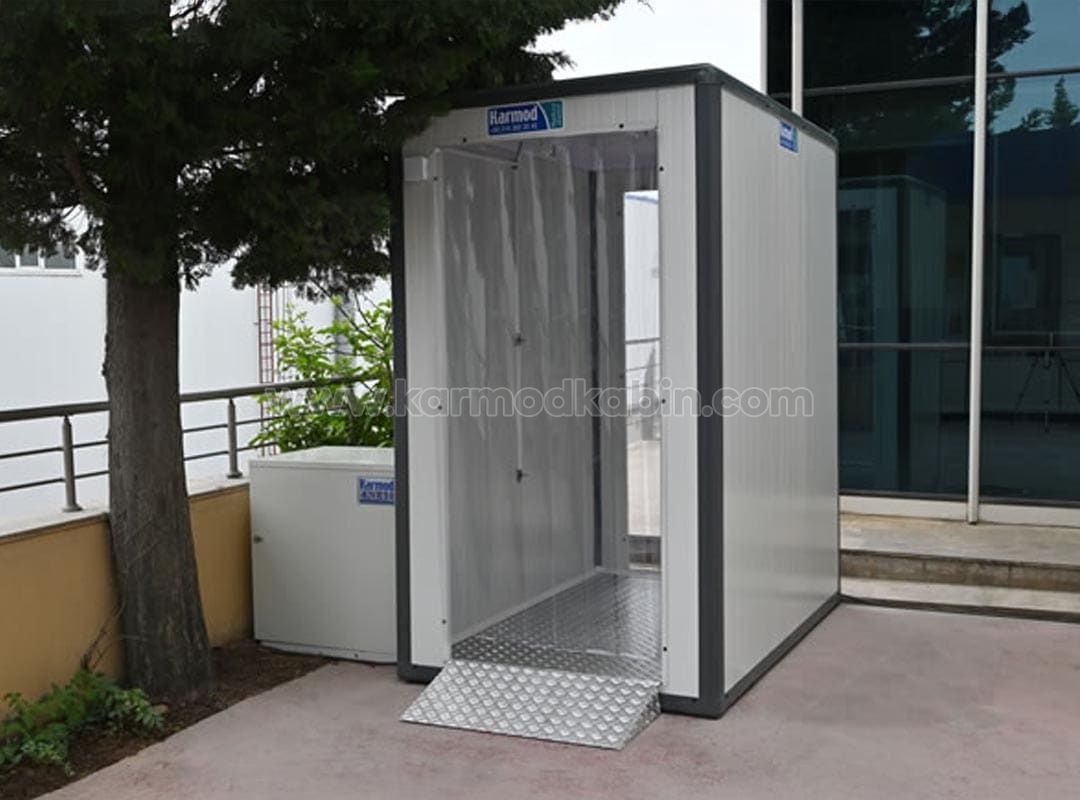
A disinfection cabin’s effectiveness depends on the coordination of several internal systems. Each component is designed to support reliability, durability, and safe operation under frequent use.
Key components typically include:
When these components are properly integrated, the cabin delivers consistent results with minimal maintenance requirements.
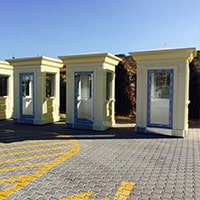
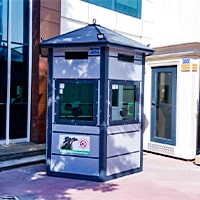
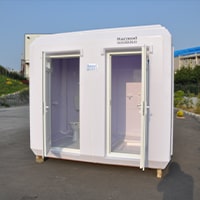
Disinfection cabins are not all built for the same purpose. Some are designed as permanent installations, while others prioritize mobility and rapid deployment.
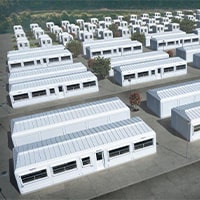
Fixed cabins are commonly used in hospitals, factories, and transportation hubs where daily traffic is predictable. Modular or portable cabins are preferred in emergency zones, temporary sites, and outdoor environments where flexibility is essential. Understanding these differences helps organizations choose a solution that aligns with both current operations and future needs.
Manual disinfection methods depend heavily on human behavior, which can vary under pressure. Fatigue, time constraints, and inconsistent application reduce reliability over time. Disinfection cabins eliminate most of this variability by automating the process.
This automation improves hygiene outcomes while also reducing the need for supervision. Staff no longer need to enforce or monitor disinfection routines, allowing them to focus on core responsibilities. Over time, this leads to smoother operations and stronger safety culture.
Before selecting a disinfection cabin, organizations should evaluate their operational context carefully. Important factors include expected user volume, environmental exposure, compatibility with approved disinfectants, and compliance with local regulations.
Long-term considerations such as durability, ease of cleaning, and scalability are equally important. A well-selected disinfection cabin is not a temporary fix but a long-term asset that can adapt as hygiene standards evolve.
Disinfection cabins are most effective when integrated into a broader hygiene and safety strategy. When selected correctly, they enhance protection without adding complexity or slowing daily operations.
If you are planning to implement a disinfection cabin solution, contact us today. Our team can help you assess your requirements, compare available options, and design a solution that fits your operational and regulatory needs.
Leading manufacturer in modular cabin since 1986.
 EN
EN