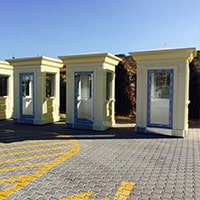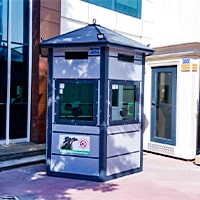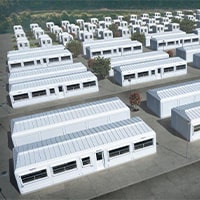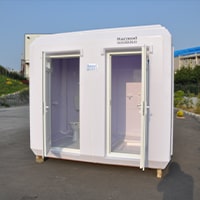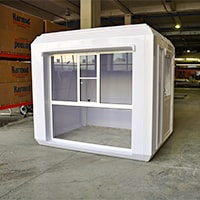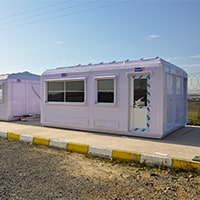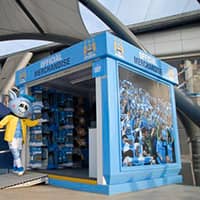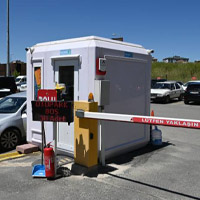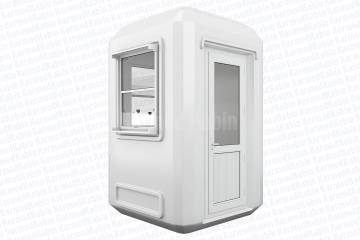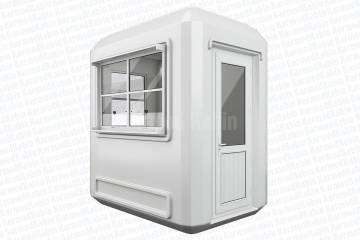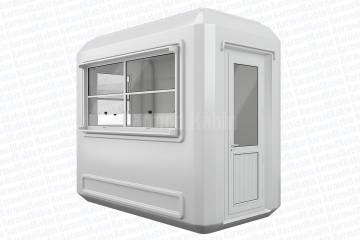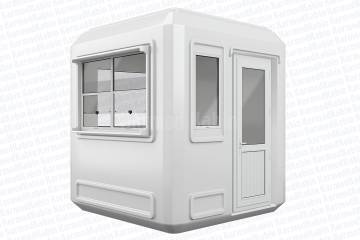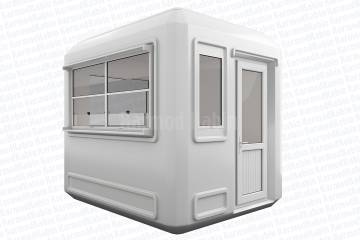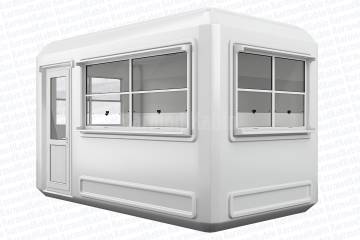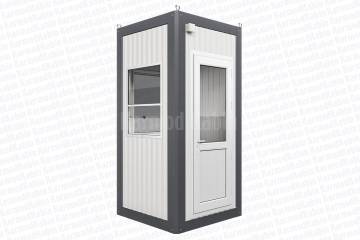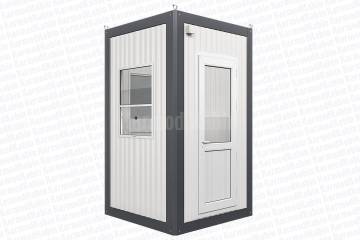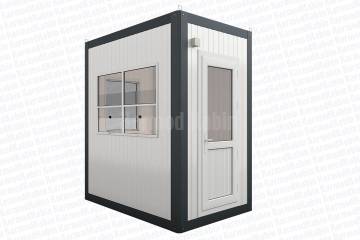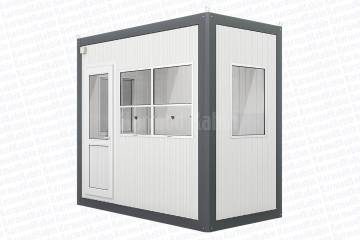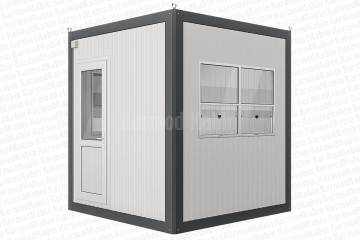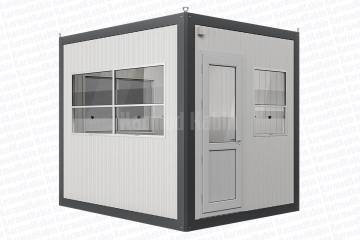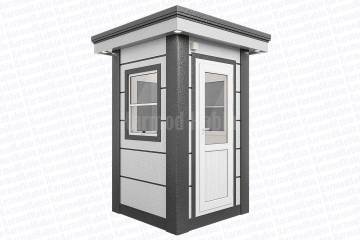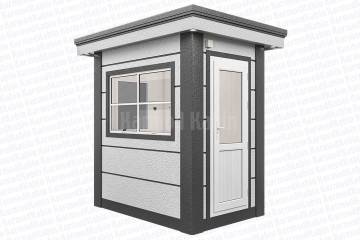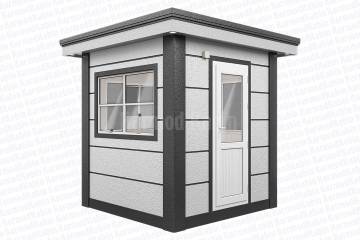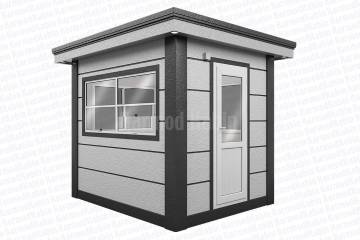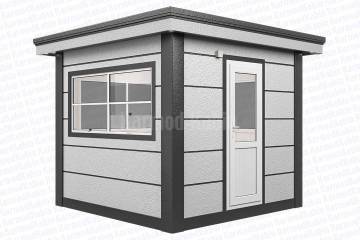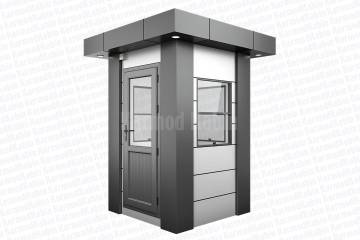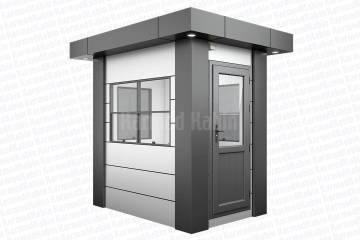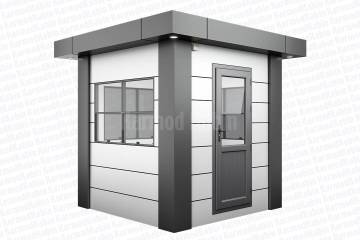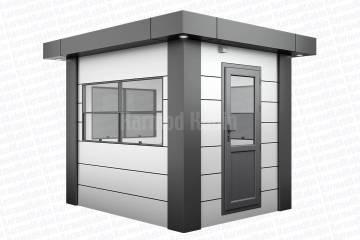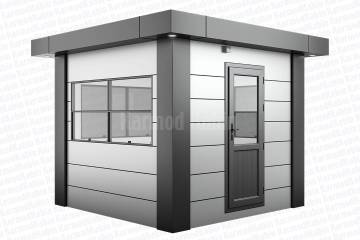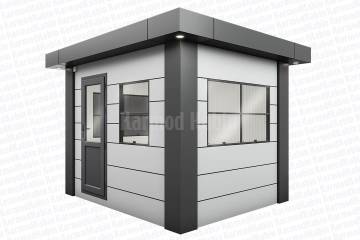
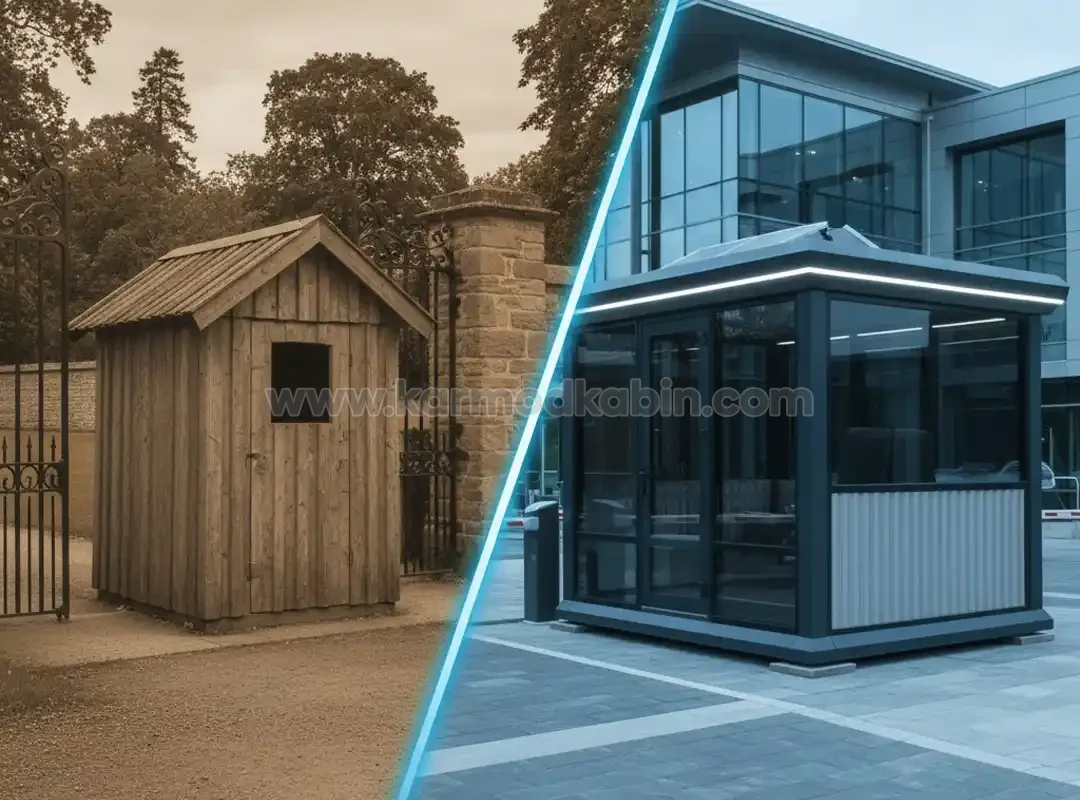
Security has always been a fundamental human need, and throughout history, the structures built to protect people, properties, and institutions have evolved remarkably. The humble guard hut - once a simple wooden shelter meant only to provide shade and basic cover - has transformed into a modern, modular cabin equipped with cutting-edge technology, insulation systems, and ergonomic design. This transformation reflects not only architectural progress but also society’s increasing demand for safety, mobility, and comfort in every environment.
Today’s guard cabins are far more than just watch posts; they are compact, efficient, and purpose-built spaces designed to meet specific operational requirements. From construction sites and residential complexes to government buildings and private estates, these cabins serve as vital elements of any security system. The shift from traditional materials like wood to steel, sandwich panels, and composite walls symbolizes how innovation and practicality have merged to redefine what a “security hut” can be. As manufacturing methods have improved and customization options expanded, modern modular guard cabins now represent the perfect balance between durability, aesthetics, and functionality - an evolution that continues to shape the future of security infrastructure.
In the earliest periods of organized security, guard huts were nothing more than basic wooden shelters built to provide protection from the elements. Their purpose was straightforward - to give guards a small, enclosed space where they could stay alert while monitoring entrances, gates, or restricted areas. Made from untreated timber or simple planks, these early huts offered minimal comfort but served an essential role in maintaining order and visibility in public spaces, royal estates, or military grounds.
These early designs were purely functional, often constructed on-site with available materials. There was no concern for insulation, ventilation, or ergonomics; the focus was on practicality and immediate need. Yet, despite their simplicity, wooden guard huts laid the foundation for an entire industry that would later blend architecture, security engineering, and modular innovation. They symbolized the beginning of structured, stationary security - a small but critical step toward the sophisticated modular cabins we see today.
With the onset of industrialization, the world witnessed a major shift in how security posts were designed and built. Factories, railways, and expanding urban zones required more durable and long-lasting guard shelters that could withstand harsh conditions and heavy use. This era introduced metal guard cabins, a significant leap from traditional wooden structures. Steel and iron began to replace timber, providing higher resistance to weather, corrosion, and time. These metal huts became synonymous with strength and permanence, setting new standards for security infrastructure across industrial zones and public facilities.
The use of metal not only extended the lifespan of these cabins but also changed their visual identity. Sleek, uniform, and easily replicable designs became possible thanks to mass production techniques. As security needs grew more complex, so did the features - sliding windows, reinforced doors, and better ventilation systems became common. Metal guard cabins marked the first real move toward standardized, professional security solutions, bridging the gap between handcrafted wooden shelters and the prefabricated modular systems that would follow in the decades ahead.
As technology and logistics advanced, the security industry began to demand more flexibility - structures that could be relocated easily, installed quickly, and adapted to different environments. This need gave rise to prefabricated and portable guard cabins, marking a revolutionary stage in the evolution of security architecture. Unlike traditional fixed huts, these modern versions were factory-manufactured and assembled on-site within hours, minimizing labor costs and downtime. Their portability meant that a single investment could serve multiple locations, making them especially popular for construction sites, events, and temporary facilities.
Prefabricated guard cabins offered a level of practicality and customization that earlier models could not. They were lightweight, modular, and built to withstand challenging outdoor conditions while maintaining interior comfort. Over time, manufacturers began introducing better insulation, soundproofing, and integrated electrical systems - turning these cabins into fully functional workspaces rather than simple shelters.
The shift toward portable and prefabricated guard cabins didn’t just change how security stations were built - it transformed how companies approached flexibility, scalability, and return on investment in physical security solutions.
As digital transformation reshaped every industry, guard huts too entered a new era - one defined by smart systems, advanced materials, and human-centric design. Modern modular security cabins are no longer just observation points; they are intelligent command centers equipped with tools that enhance surveillance, comfort, and communication. Features such as CCTV monitoring, biometric access, alarm systems, and automated lighting have made guard cabins part of integrated security networks rather than isolated units.
Beyond technology, the focus has also shifted toward the well-being and efficiency of the personnel inside. Ergonomic interiors, proper lighting, sound insulation, and climate control systems now come as standard in premium models. These additions significantly improve guard performance, reducing fatigue during long shifts and ensuring constant alertness. The modern guard cabin stands as a symbol of innovation and reliability, merging digital security with architectural precision - a perfect representation of how far the concept has evolved from its humble wooden origins.
The materials used in guard hut production have undergone a remarkable transformation - evolving from simple wood and metal to advanced, multi-layered composite systems. This shift has allowed manufacturers to create cabins that are not only stronger and more weather-resistant, but also aesthetically refined and energy-efficient. Modern guard cabins now blend durability with visual appeal, ensuring that they fit harmoniously into corporate complexes, residential communities, or public spaces without appearing industrial or outdated.
Every material choice directly affects the cabin’s lifespan, maintenance cost, and comfort level. Today’s high-performance models combine steel frameworks with insulated wall panels, advanced coatings, and impact-resistant finishes. These innovations provide guards with safer, quieter, and more stable environments - even in extreme climates or high-traffic zones.
Commonly used materials in today’s modular guard cabins include:
By embracing these materials, manufacturers have managed to redefine what durability means - combining strength, comfort, and style into compact, modern security cabins that perform flawlessly in any environment.
Energy performance has become one of the most crucial aspects of modern security cabin design. Unlike older models that struggled with heat, humidity, or poor ventilation, today’s modular guard huts are engineered for thermal comfort and sustainability. These cabins feature multi-layer insulation systems that minimize heat loss in winter and prevent overheating in summer - ensuring year-round comfort for security personnel. This attention to energy balance not only improves working conditions but also significantly reduces electricity costs and environmental impact.
Manufacturers now focus on integrating smart climate solutions that adjust automatically to surrounding conditions. Air conditioning units, energy-saving LED lighting, and strategically placed ventilation systems are standard in many models. Some advanced designs even include solar panel integration, allowing security cabins to operate independently in remote areas or construction zones with limited power access.
Key features that make today’s guard cabins energy-efficient include:
These innovations not only enhance comfort but also align with modern sustainability standards - allowing businesses to maintain a secure environment while demonstrating environmental responsibility. Energy-efficient guard cabins are proof that security and sustainability can go hand in hand.
As industries diversify, so do their security needs. A single, standardized guard hut design can no longer meet the unique requirements of every environment. That’s why modern manufacturers now focus on custom-made security cabins, specifically engineered for different operational sectors. From large construction zones to luxury residential complexes, every project demands a tailored approach - in terms of layout, size, equipment, and design aesthetics.
These personalized cabins not only enhance functionality but also strengthen brand identity. For instance, a corporate facility may prefer sleek, glass-fronted booths with integrated access control systems, while an industrial site might need reinforced steel walls and heavy-duty insulation. By offering customization options, manufacturers ensure that each client receives a solution that aligns with both their security goals and architectural preferences.
Common sector-specific customizations include:
By addressing the specific needs of each industry, custom-made security cabins ensure maximum efficiency, safety, and visual harmony - proving that modern modular construction can adapt to any purpose without compromising on style or security.
In today’s fast-paced world, businesses and institutions value speed, flexibility, and efficiency - qualities perfectly embodied by modular guard cabins. Unlike traditional brick-and-mortar or welded metal huts, modular designs are prefabricated, relocatable, and highly adaptable. They can be produced in large quantities, transported easily, and installed within hours, making them the ideal solution for both temporary and permanent use. This scalability has made modular cabins the global standard in security architecture, especially in construction, event management, logistics, and public sector projects.
The dominance of modular guard cabins also comes from their cost-to-performance ratio. They provide the same - or often higher - level of durability and comfort as permanent structures but at a fraction of the price and time investment. Their versatility allows clients to choose dimensions, materials, and configurations tailored to their operational needs. Whether used as a compact checkpoint, a parking booth, or a fully equipped security office, modular guard cabins offer long-term value with minimal maintenance, making them a smart and sustainable investment for modern organizations.
Purchasing your guard cabin directly from the manufacturer offers clear advantages in both price and quality control. Without middlemen or distributors inflating costs, clients gain access to factory-level pricing - ensuring the best possible return on investment. More importantly, direct purchase means every stage of production, from material selection to final assembly, is handled by experts who understand your exact specifications. This direct communication streamlines the customization process and guarantees a product that meets your operational and aesthetic needs perfectly.
Beyond cost savings, buying directly ensures full transparency in production standards, warranty coverage, and after-sales service. Clients can request design adjustments, add smart features, or select specialized materials such as bulletproof glass or composite panels - all while staying within budget.
Key benefits of buying directly from the manufacturer include:
When you buy straight from the source, you’re not just purchasing a guard cabin - you’re investing in long-term performance, durability, and value, backed by the expertise of the very people who built it.
Experience premium durability, comfort, and technology - all designed to your exact needs. - Contact us today and bring modern security solutions to your site.
Leading manufacturer in modular cabin since 1986.
 EN
EN