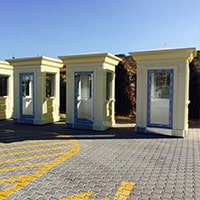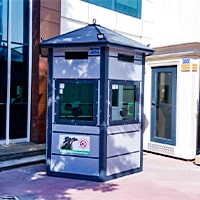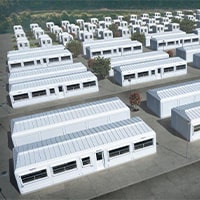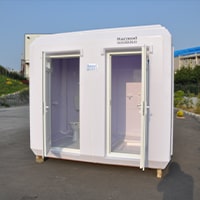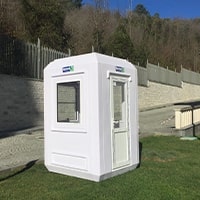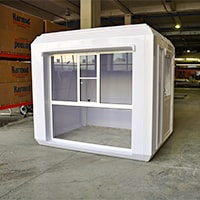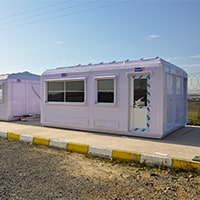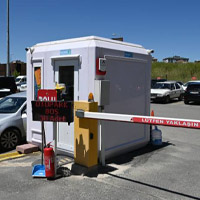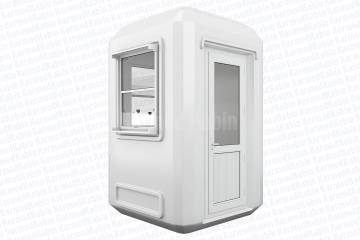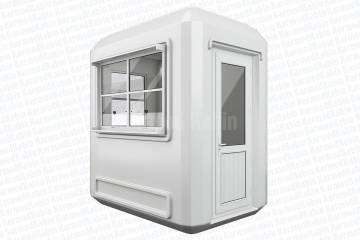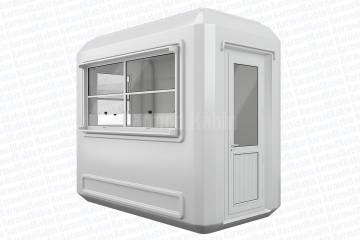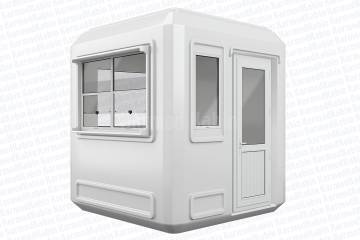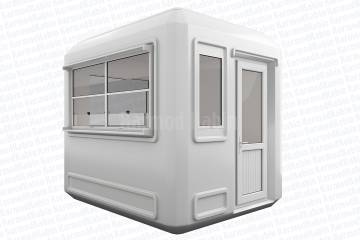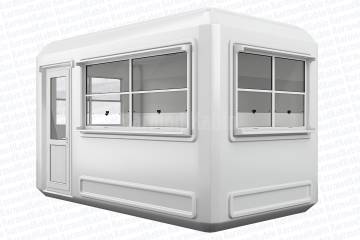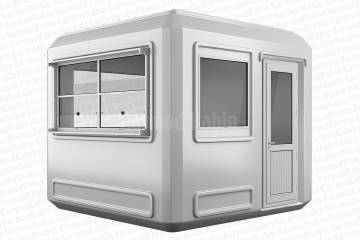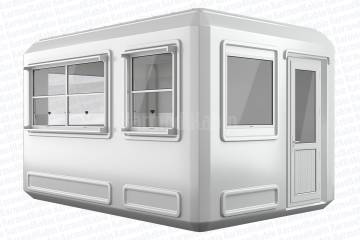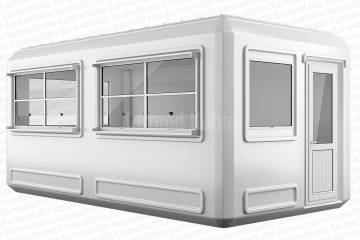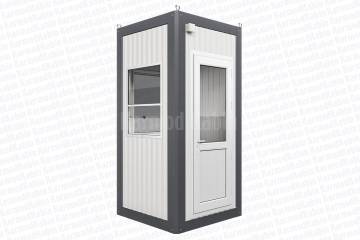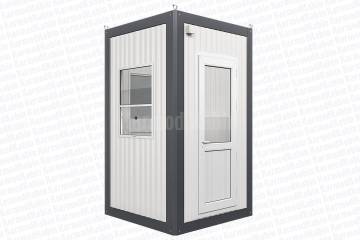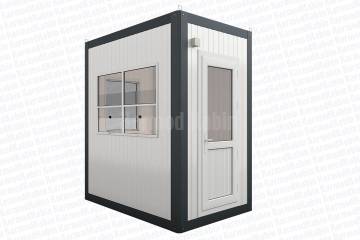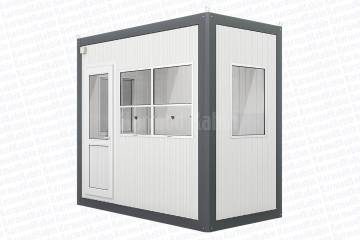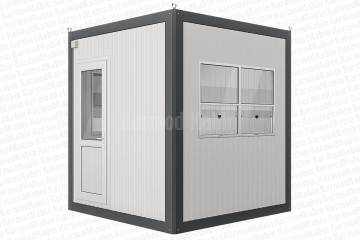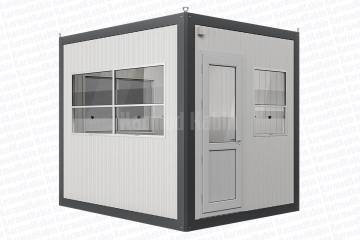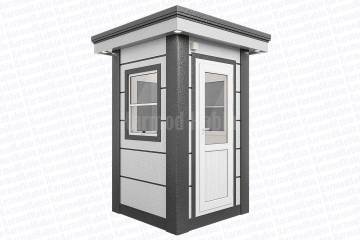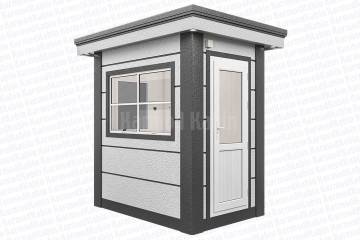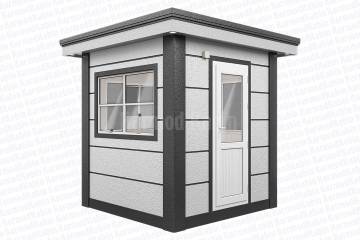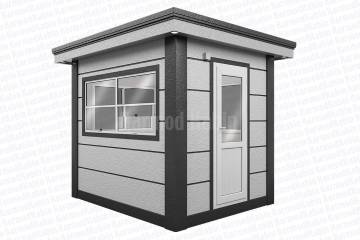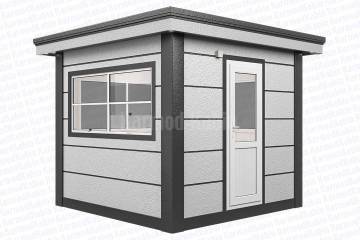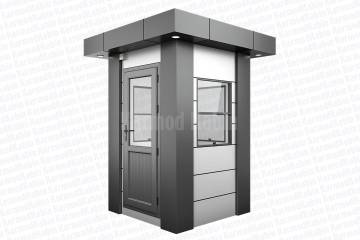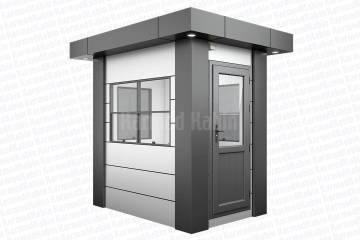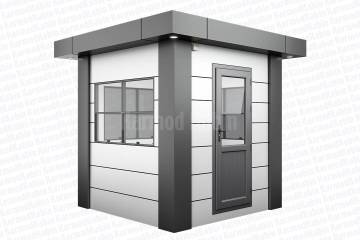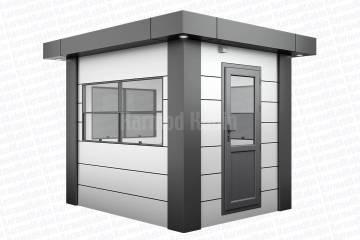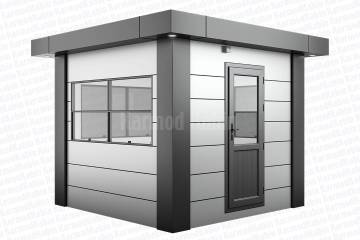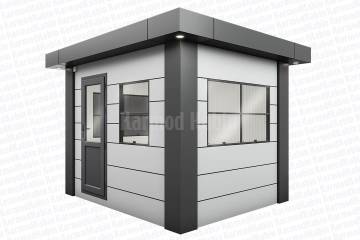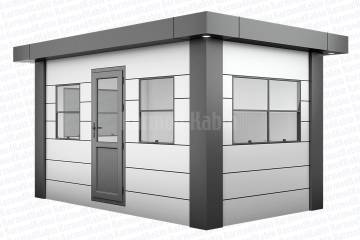

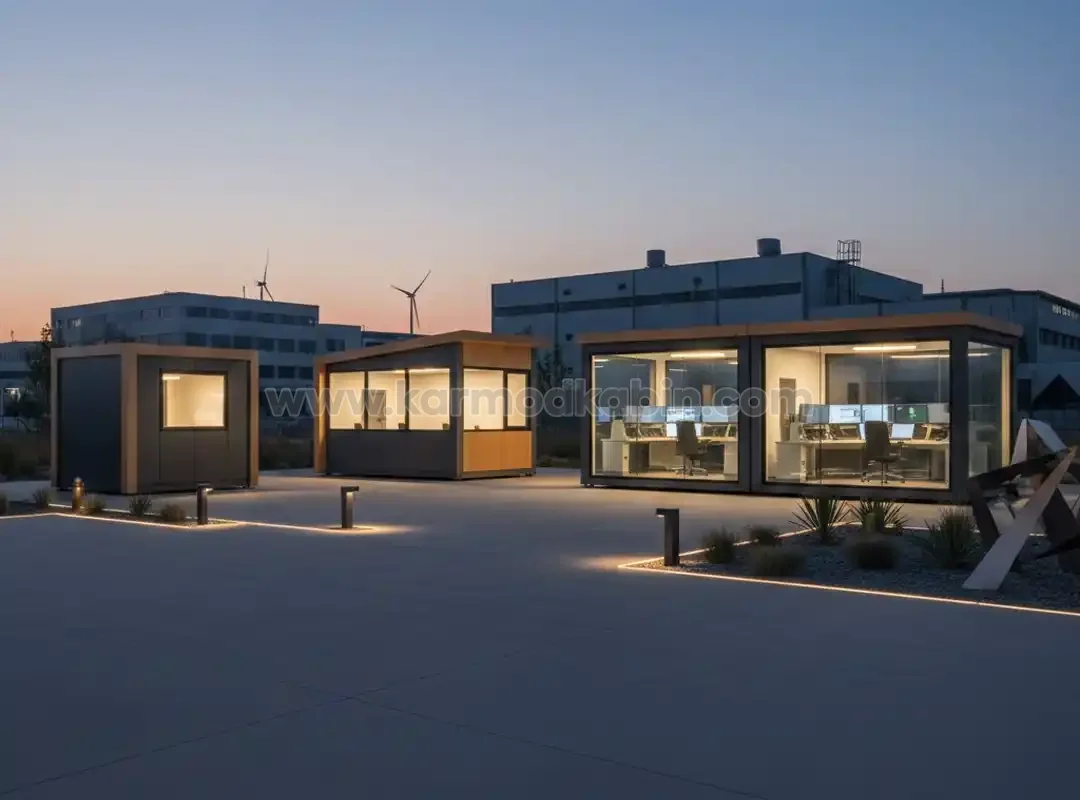
Choosing the right security cabin size is one of the most important decisions when designing or purchasing a guard booth. The cabin’s dimensions directly influence comfort, functionality, and overall site efficiency. A cabin that’s too small limits movement and equipment space, while one that’s too large can lead to unnecessary costs and inefficient land use.
Security cabins serve a wide range of purposes - from guard checkpoints and parking booths to construction site monitoring units. That’s why manufacturers provide standardized sizes to fit different operational needs, while still offering custom options when site conditions demand them.
In today’s security-conscious environments, understanding the balance between size, usability, and installation practicality helps ensure that your investment is both cost-effective and future-ready. Whether it’s a compact model for a small entry point or a multi-operator cabin for industrial facilities, choosing the right dimensions defines how efficiently your site can operate day to day.
The dimensions of a security cabin are far more than a visual or structural choice - they define how well the cabin performs in real-world conditions. Every centimeter affects comfort, functionality, and the efficiency of security operations. Guards often spend long hours inside, and the space must accommodate essential equipment such as monitors, communication devices, and control systems without restricting movement.
A cabin that’s too small may lead to operator fatigue, poor posture, and disorganization, reducing overall alertness. On the other hand, an oversized unit can waste valuable space and increase transportation or installation costs unnecessarily. The key lies in selecting a balanced dimension that offers both ergonomic comfort and operational practicality.
From an architectural perspective, well-designed cabins also consider window height, door width, and viewing angles. These proportions ensure clear visibility of the site’s critical points - entrances, exits, and perimeters - improving both safety and control.
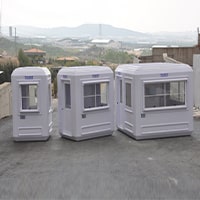
Security cabins are produced in a range of standardized dimensions to meet the most common operational requirements. These measurements are designed for quick installation, easy transportation, and optimal use of interior space, ensuring comfort and efficiency for on-site personnel.
Manufacturers generally offer cabins in single-guard, double-guard, and multi-operator configurations. Each size corresponds to a specific use case:
These standard measurements help streamline production and transportation, ensuring cost efficiency while still allowing for modifications. Depending on the site’s layout, customized adjustments in length, width, or height can easily be made to improve ergonomics or integrate special features.
Selecting the right size for a security cabin isn’t a one-size-fits-all decision - it depends on several functional, spatial, and operational factors. Each site has unique characteristics that directly influence the dimensions required for effective security performance.
One of the primary considerations is the number of personnel who will occupy the cabin. A single guard requires minimal space, while a team of two or more will need additional room for desks, chairs, and monitoring equipment. The type of security operation also plays a key role: cabins used for construction sites, for example, may require space for tool storage or radio communication systems, whereas airport or industrial cabins often need control panels and screens.
Environmental conditions are equally important. In extreme climates, cabins may need thicker insulated walls, integrated HVAC systems, or double-glazed windows - all of which can slightly alter internal measurements. The available ground area also determines whether a rectangular, square, or elongated layout is most efficient.
In addition to functionality, aesthetic integration with the surrounding environment can affect design decisions. Some clients prefer compact, minimalist structures for modern complexes, while others opt for larger, more visible units that emphasize presence and authority.
While standard sizes suit most applications, some projects require customized security cabins to perfectly align with specific operational or architectural needs. That’s where modular flexibility comes into play - one of the greatest strengths of prefabricated security structures.
Manufacturers can adjust length, width, and height with remarkable precision, ensuring that the cabin fits seamlessly into any site layout. Whether it’s a narrow booth for tight urban areas, a larger multi-guard cabin for industrial complexes, or a specialized model with extra equipment space, modular production allows every design to be tailored without compromising quality.
Custom-built models can include:
The modular nature of these cabins also allows for future expansion. Businesses can start with a smaller cabin and later add sections or modules as their security requirements grow - a cost-efficient alternative to traditional construction.
In essence, custom dimensions transform standard security cabins into purpose-built units, offering flexibility that adapts to evolving operational needs while maintaining fast installation and portability.
The interior design of a security cabin determines not only comfort but also how efficiently guards can perform their duties. Every square meter must serve a purpose - from surveillance to communication - and well-planned interiors ensure that all functions are easily accessible without creating clutter or discomfort.
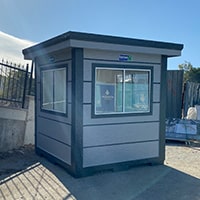
In a standard single-guard cabin, the space typically includes a workstation or desk, chair, electrical panel, and wide viewing windows. Proper layout ensures clear visibility of entry and exit points, with enough space for movement and quick access to communication devices. For double or multi-operator cabins, separate working zones are designed to prevent interference between operators, while shared areas such as control panels or storage compartments maintain organization.
Ergonomics play a key role. Adjustable desk heights, sufficient legroom, and the right window placement reduce fatigue during long shifts. Additionally, thermal insulation, ventilation systems, and adequate lighting help maintain comfort across different seasons.
Key elements of an efficient interior layout include:
By optimizing the interior layout, even small cabins can deliver a professional, comfortable, and productive workspace, enhancing both security and staff satisfaction.
The portability of a security cabin is one of its most valuable advantages, allowing businesses to adapt quickly to changing site requirements. However, proper placement and installation planning are crucial to ensure maximum visibility, stability, and operational efficiency.
Prefabricated cabins are typically designed for easy transport via crane or forklift, meaning they can be relocated between projects or repositioned on-site without structural modification. This mobility is especially beneficial for construction companies, event organizers, and facility managers who require flexible and short-term security solutions. The lightweight yet durable design of steel or sandwich panel cabins allows for repeated relocation without compromising strength or insulation quality.
When choosing a placement area, several practical aspects must be considered:
In addition, environmental conditions such as wind exposure, rainfall, or direct sunlight can influence both comfort and cabin longevity. Positioning the unit strategically not only enhances functionality but also prolongs its lifespan, ensuring optimal performance wherever it’s deployed.
Finding the right security cabin size begins with a clear understanding of your site’s operational requirements and spatial limitations. While it might seem like a straightforward choice, selecting the ideal dimensions can significantly influence both performance and cost efficiency.
Start by evaluating the number of personnel who will occupy the cabin and the type of security duties they perform. A single guard overseeing a small parking area needs far less space than a team managing multiple entry points or surveillance systems. Think about equipment requirements too - CCTV monitors, radios, or control panels take up space and should be planned into the layout early.
Site location plays another critical role. In dense urban areas or temporary installations, compact cabins (like 1.2 × 1.2 m or 1.5 × 1.5 m) are often ideal. For industrial sites or facilities requiring long shifts, larger cabins (2.4 × 2.4 m and above) offer the comfort needed for sustained operations. If your security plan may expand later, consider modular cabins that can be extended or connected.
Before finalizing the size, balance three main factors:
By aligning these criteria, you create a structure that’s not only functional but also scalable - a long-term investment that grows with your site’s security strategy.
Every site is different - from space limitations to security intensity - and that’s why custom-built security cabins are the most effective solution. Our production approach focuses on tailoring each cabin’s dimensions, materials, and layout to fit your exact operational needs.
Whether you require a compact guard booth for an entrance gate or a large multi-operator cabin for an industrial facility, our expert team ensures precision in every detail. We offer flexible configurations with advanced insulation, ergonomic interiors, CCTV readiness, and climate control systems, all manufactured from durable, weather-resistant materials. Each cabin is delivered ready to install, minimizing downtime and setup costs.
Our specialists can help you determine the ideal size, layout, and features for your project - ensuring comfort, efficiency, and compliance with safety standards. With years of experience in modular and prefabricated security solutions, we combine craftsmanship with innovation to deliver results that last.
Get in touch with us today to discuss your project and receive a personalized design proposal for your security cabin - built to your dimensions, your needs, and your standards.
Leading manufacturer in modular cabin since 1986.
 EN
EN