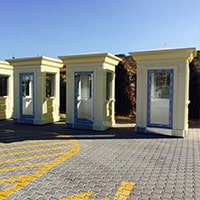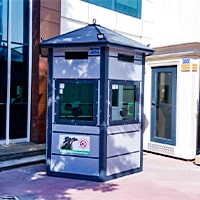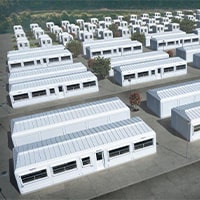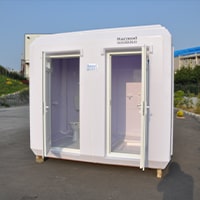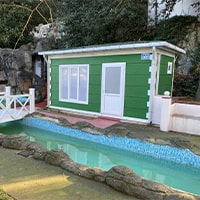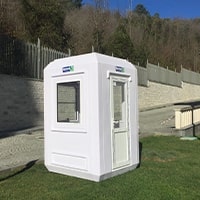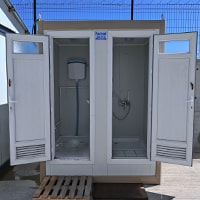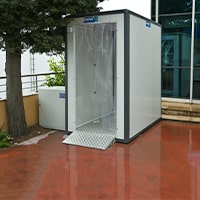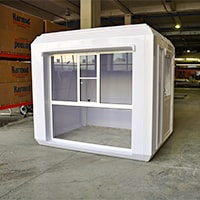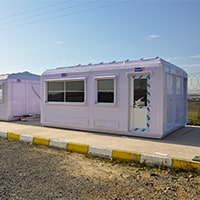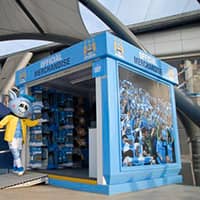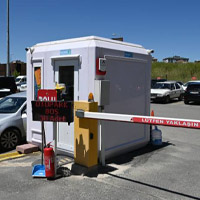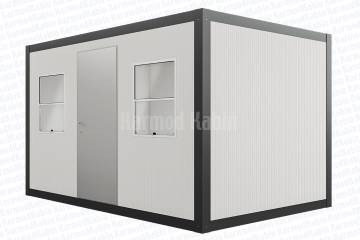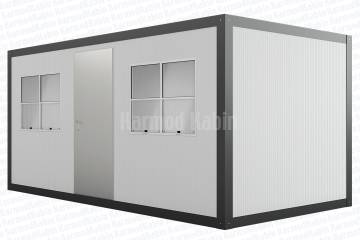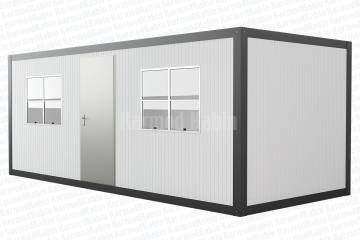

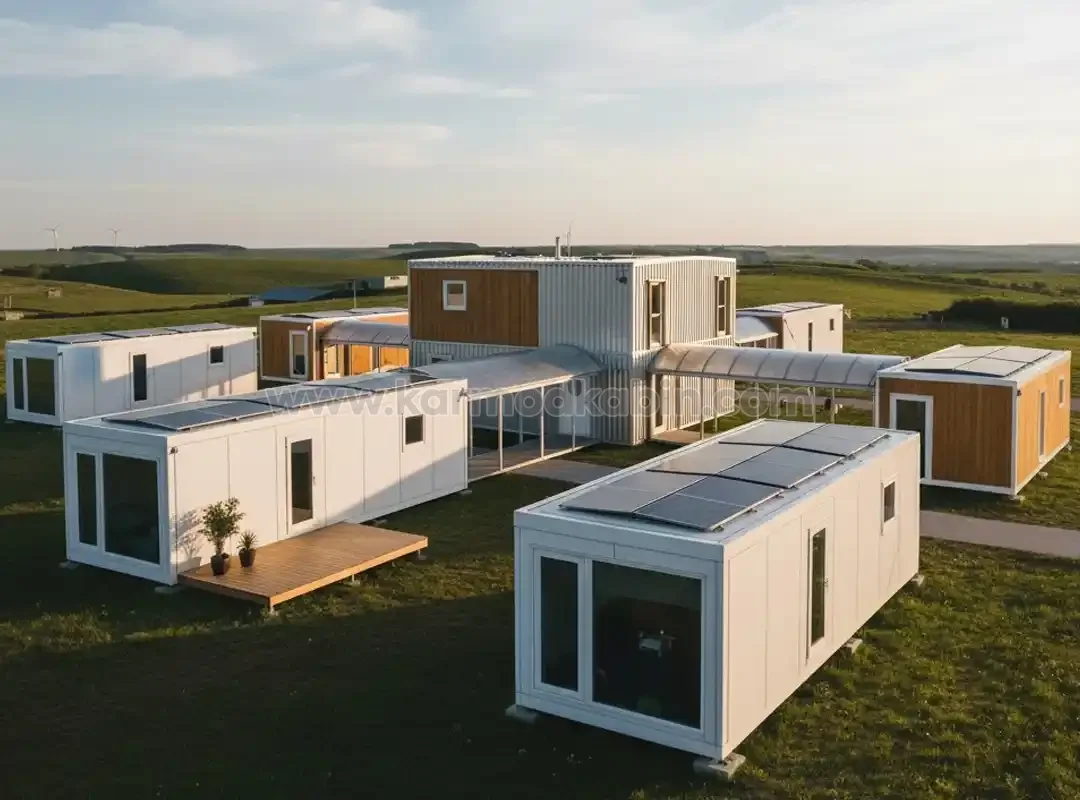
Shelter structures represent the perfect balance between safety, functionality, and comfort. Whether used for emergency housing, temporary accommodation, or long-term outdoor facilities, modern shelters are designed to provide stability and protection in every environment. Thanks to advancements in modular engineering, today’s shelter systems combine lightweight construction with remarkable strength-allowing them to withstand harsh weather, heavy use, and rapid deployment needs.
Beyond their structural purpose, shelters have become essential tools for humanitarian projects, disaster relief operations, and even commercial applications. They offer a reliable space where people can live, work, or recover with dignity and security. Built from durable, insulated, and fire-resistant materials, these structures provide more than just physical protection-they create a safe, comfortable, and sustainable environment that can adapt to any challenge.
Modern shelter structures are designed to serve diverse needs-from emergency relief operations to commercial and recreational applications. Their main purpose is to offer immediate, reliable, and adaptable protection in situations where traditional buildings are not feasible or time is limited. In disaster zones, for instance, shelters provide safe and quick accommodation for displaced families, ensuring protection against rain, wind, and temperature extremes. In industrial or event contexts, they serve as temporary offices, medical units, storage areas, or workforce housing, offering flexible functionality that can be easily expanded or relocated as required.
These structures are not only about providing a roof over one’s head-they’re about restoring normalcy and comfort in unpredictable environments. Their modular designs allow fast assembly without the need for complex construction equipment, which makes them invaluable during urgent situations or large-scale projects. By combining durability, portability, and efficient design, modern shelter systems bridge the gap between temporary necessity and long-term stability.
Safety is the foundation of every high-quality shelter structure. Whether it’s for humanitarian use, construction sites, or outdoor living, a shelter must provide reliable protection against environmental and structural risks. Modern engineering ensures that every component-from the frame to the foundation-is built to resist external forces such as strong winds, heavy rainfall, and even seismic activity. The result is a stable, secure environment that maintains integrity even under extreme conditions.
Core Safety and Stability Features
These elements work together to deliver a shelter that is both safe and enduring. When designed with the right balance of strength and flexibility, shelter structures become dependable spaces that people can trust-no matter the environment or application.
While safety forms the backbone of any shelter, comfort is what transforms a structure into a livable, human-centered space. Modern shelter designs go beyond protection-they are created to provide a sense of stability, privacy, and well-being. Thoughtful interior layouts, insulation systems, and ergonomic design principles ensure that occupants feel secure and at ease, even in challenging environments. Proper ventilation and natural lighting are key features that make shelters brighter, fresher, and healthier spaces to live or work in.
Key Design Elements for Maximum Comfort
Shelters designed with human comfort in mind not only improve living quality but also enhance emotional well-being. Whether serving as temporary housing or a long-term workspace, these thoughtful design touches make every square meter feel like a safe and welcoming refuge.
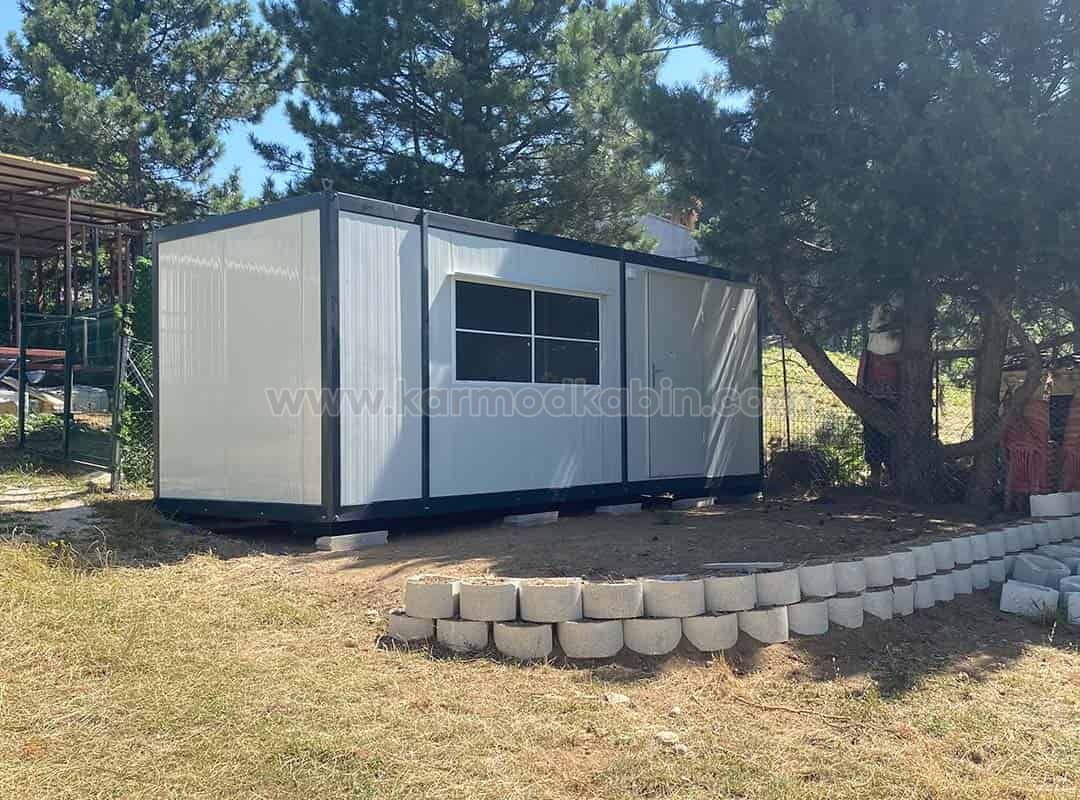
The strength and longevity of a shelter structure depend largely on the quality of materials used. A durable shelter must withstand changing climates, frequent assembly, and continuous use without losing integrity. That’s why modern shelters are built with high-grade steel, aluminum, and insulated composite panels-materials chosen for their resistance to corrosion, impact, and extreme temperatures. These components ensure that the structure remains safe and functional, whether placed in a humid coastal area, a cold mountain region, or a desert climate.
Essential Material Features
Choosing the right materials isn’t only about strength-it’s about ensuring reliability and low maintenance over time. A well-constructed shelter made from premium materials protects its users from every element while maintaining a professional and refined appearance.
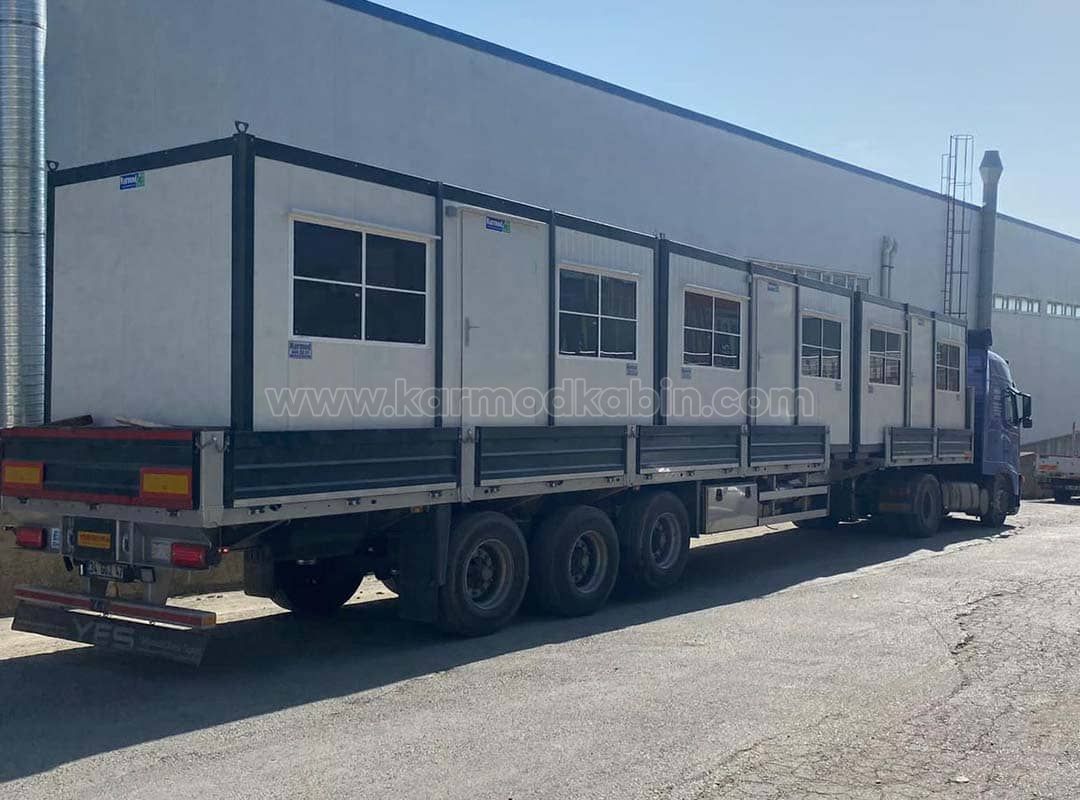
One of the most significant advantages of modern portable shelter structures is their outstanding mobility. Designed with prefabricated and lightweight components, these shelters can be transported, assembled, or dismantled quickly without the need for heavy machinery. This makes them ideal for emergency housing, construction projects, and mobile field operations, where time and adaptability are critical. Every part is engineered for easy handling, allowing teams to set up a safe, fully functional space in a matter of hours.
Portability also provides long-term flexibility and cost savings. Once a project ends or relocation becomes necessary, the shelter can be disassembled and moved to a new location without structural damage or quality loss. This reusable, modular design supports both environmental sustainability and operational efficiency.
Main Advantages of Portable Shelter Structures
By combining mobility with durability, portable shelters deliver unmatched practicality for both short-term and long-term applications-an investment that adapts to your evolving needs.
Energy efficiency has become a defining feature of modern shelter structures, ensuring comfort while minimizing operational costs. Well-insulated walls, high-performance windows, and airtight seals help maintain stable indoor temperatures regardless of the climate. These features reduce dependence on external heating or cooling systems, which translates to lower energy bills and a smaller environmental footprint. For shelters used in remote or off-grid locations, solar-ready designs and energy-efficient lighting systems offer sustainable power options without sacrificing performance or comfort.
Another critical advantage is climate adaptability. Shelters today are built to perform efficiently in both extreme heat and cold, resisting condensation, heat loss, and humidity buildup. Ventilation systems, shading features, and reflective coatings help regulate interior conditions, maintaining an ideal environment for occupants year-round. Whether installed in a desert, coastal zone, or mountain area, a well-engineered shelter ensures that safety and comfort go hand in hand-providing a resilient space that feels just as reliable as a permanent building.
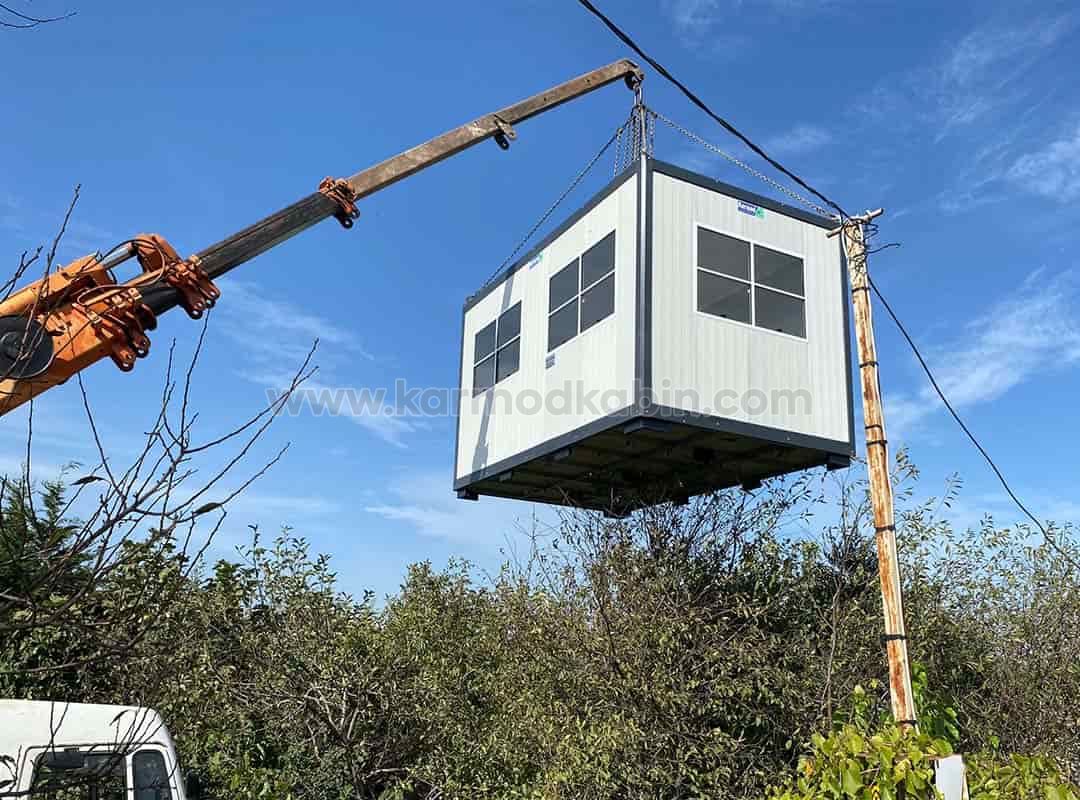
Shelter structures have evolved far beyond their original role as temporary protection. Today, they are used across countless industries and humanitarian fields, offering safe, adaptable, and cost-effective solutions wherever quick construction and flexibility are required. Their modular nature allows easy customization, making them suitable for a wide range of environments and functions-from short-term deployment to long-term occupation.
One of the most common uses is emergency housing. During natural disasters or humanitarian crises, shelters provide displaced individuals with secure, weather-resistant accommodation that can be assembled within hours. Construction and industrial companies also rely on these structures as site offices, storage units, or staff accommodation, ensuring on-site efficiency and safety. Beyond professional settings, shelters serve as outdoor event spaces, temporary classrooms, exhibition halls, and field medical units. Their combination of portability, resilience, and design versatility makes them one of the most valuable modern building solutions for any scenario that demands reliability, speed, and comfort.
Choosing our shelter structures means choosing reliability, innovation, and long-term value. Every unit we produce is engineered with precision, using certified materials and modern design systems that meet international standards for safety, comfort, and durability. We understand that each project has its own challenges-whether it’s emergency housing, a construction site, or a long-term remote facility-and we deliver custom-built shelters tailored to your exact needs. Our solutions are not only robust but also visually refined, reflecting professionalism wherever they’re installed.
When you buy directly from us, you gain more than a product-you gain a partner dedicated to performance and trust.
Here’s why clients around the world prefer our shelters:
Our mission is simple: to provide shelter structures that combine safety, comfort, and efficiency-so you can focus on what truly matters: your people and your projects.

Leading manufacturer in modular cabin since 1986.
 EN
EN