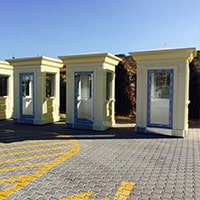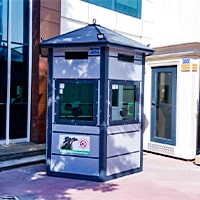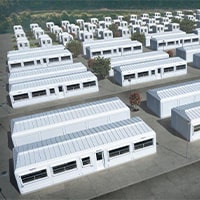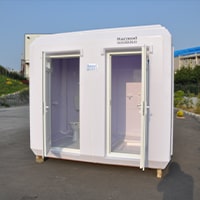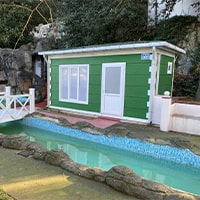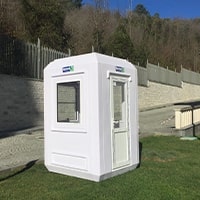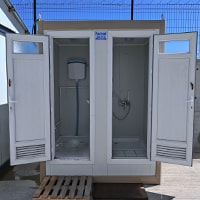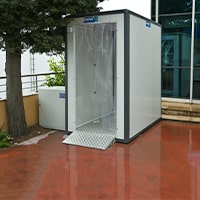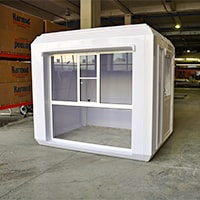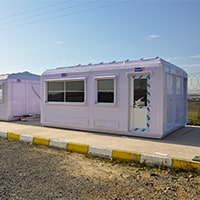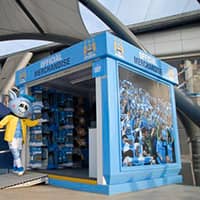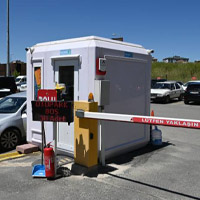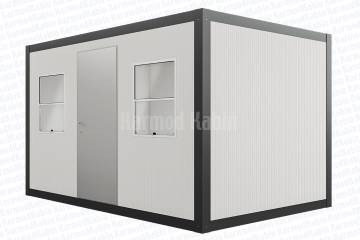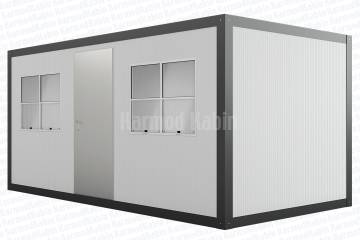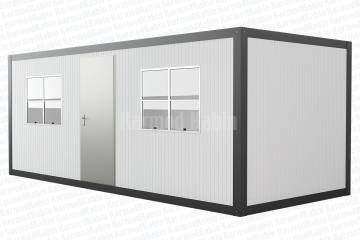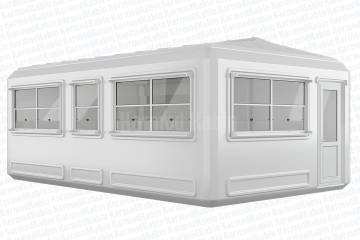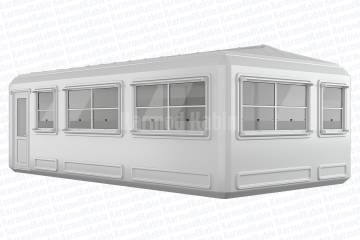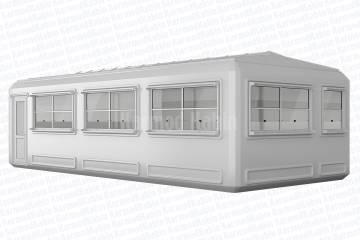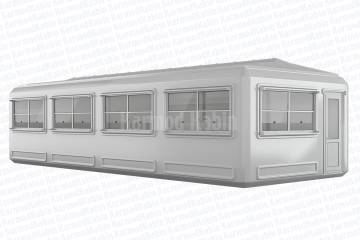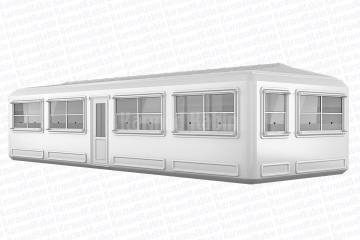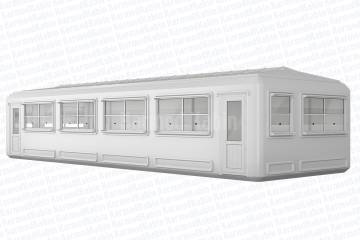

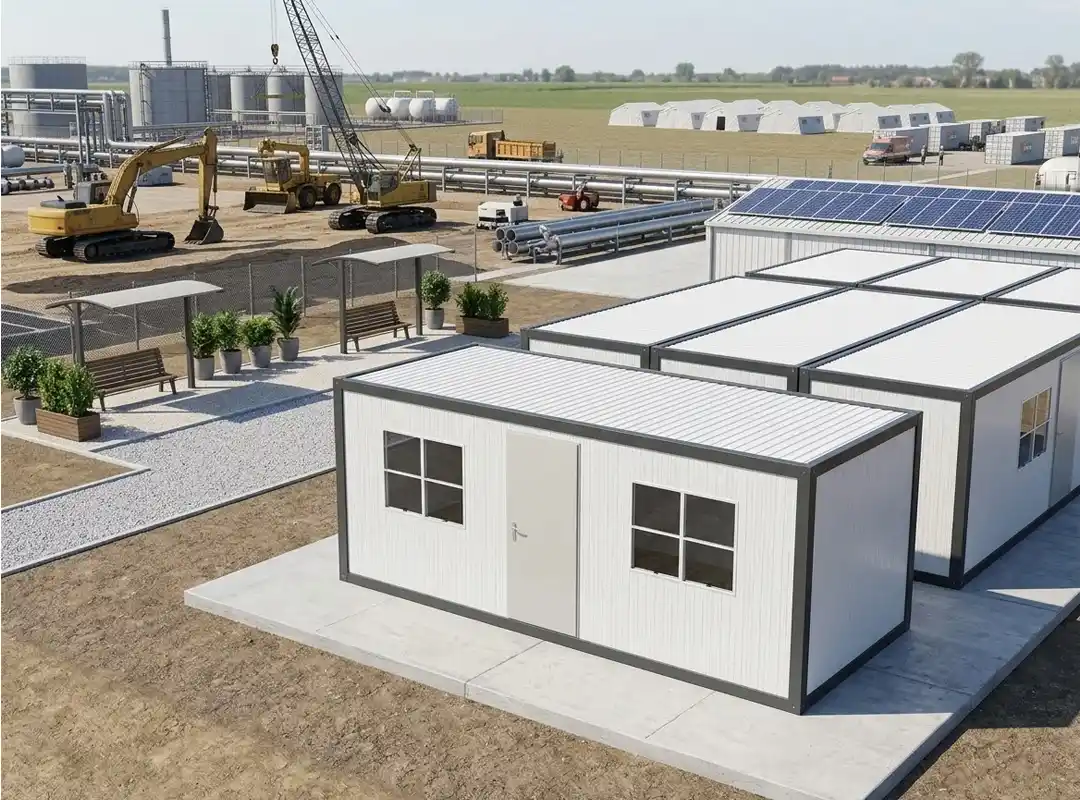
Shelter structures are more than just temporary solutions. In many cases, they are the first line of safety, comfort, and continuity when people need a protected space-fast. From construction sites to disaster zones, from industrial facilities to remote project areas, modern shelter systems have evolved into reliable, durable, and surprisingly comfortable structures.
Designed with real-life needs in mind, today’s shelter structures combine speed, strength, and flexibility. They are practical, cost-effective, and adaptable to changing conditions. Most importantly, they provide peace of mind-something that can’t be measured only in square meters.
Every project starts with a basic human need: protection. Workers need a place to rest, teams need a secure area to operate, and equipment needs to stay safe from environmental conditions. Shelter structures answer all of these needs in one compact solution.
Unlike traditional buildings, shelters can be deployed in days rather than months. This speed is critical in time-sensitive projects such as emergency response operations, large-scale construction sites, or temporary workforce accommodations. When delays cost money, shelters save both time and budget.
Another key advantage is predictability. With shelter structures, you know exactly what you’re getting-clear specifications, controlled production quality, and no surprises caused by weather or on-site construction delays.
A common misconception is that shelters are purely functional and uncomfortable. In reality, modern shelter structures are designed with human comfort at the forefront. Insulation, ventilation, and interior layout are carefully planned to create livable spaces, not just enclosed boxes.
Well-designed shelters improve productivity. A worker who can rest properly, change clothes in a clean space, or take shelter from extreme temperatures performs better. Over time, this directly affects project efficiency and team morale.
Small details make a big difference: proper lighting, sound insulation, and ergonomic layouts turn a temporary structure into a space people actually want to use.
When it comes to shelter structures, safety is non-negotiable. These units are engineered to withstand harsh environmental conditions, including wind, rain, snow, and temperature fluctuations.
High-quality steel frames, reinforced panels, and fire-resistant materials ensure long-term reliability. This is especially important in industrial zones, mining sites, or disaster-prone regions where structural integrity can literally be life-saving.
Compared to improvised solutions or low-quality temporary buildings, professionally manufactured shelters offer certified safety standards and long-term durability. This is an investment in risk reduction as much as it is an investment in infrastructure.
One of the strongest advantages of shelter structures is flexibility. Needs change, projects evolve, and locations shift. Shelters are built to adapt.
They can be:
This adaptability makes shelters ideal for companies that operate across multiple sites or manage seasonal projects. Instead of rebuilding every time, you reuse and reposition-simple and efficient.
Shelter structures offer a clear financial advantage. Compared to traditional construction, initial costs are lower, installation is faster, and maintenance expenses are minimal.
More importantly, costs are controlled from the start. Factory production eliminates unexpected expenses caused by labor shortages, weather delays, or material price fluctuations. You plan your budget once and stick to it.
For businesses focused on return on investment, shelters provide long-term value. They can be reused for years, adapted to new purposes, and sold or relocated when no longer needed in one location.
Sustainability is no longer optional. Shelter structures contribute positively by reducing material waste, minimizing on-site disruption, and allowing for reuse rather than demolition.
Many modern shelter systems are produced using recyclable materials and energy-efficient insulation. This reduces both environmental impact and long-term energy costs.
Choosing shelters is not just a practical decision-it’s a responsible one. Companies that prioritize sustainable solutions also strengthen their brand image and align with modern environmental expectations.
Not all shelter structures are created equal. Design quality, material selection, and production standards make a significant difference in performance and lifespan.
Working with an experienced manufacturer ensures that your shelter is not only functional but also compliant with safety regulations and tailored to your specific needs. From layout planning to delivery logistics, professional support simplifies the entire process.
If you’re considering shelter structures for your next project, now is the right time to explore your options. A well-chosen shelter solution protects your people, supports your operations, and adds real value from day one.
Reach out for a tailored offer and see how the right shelter structure can transform temporary needs into long-term advantages.

Leading manufacturer in modular cabin since 1986.
 EN
EN