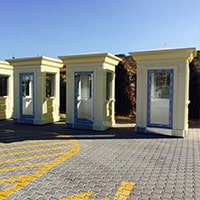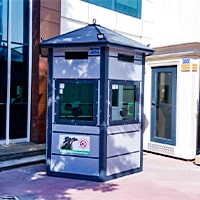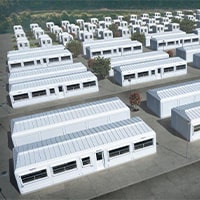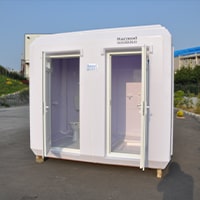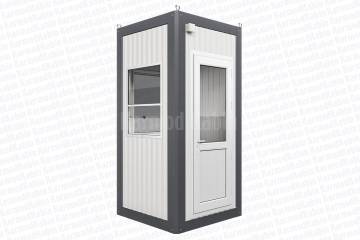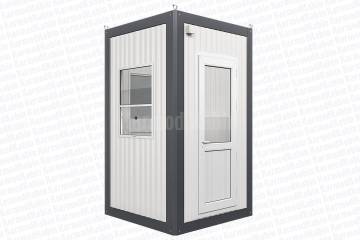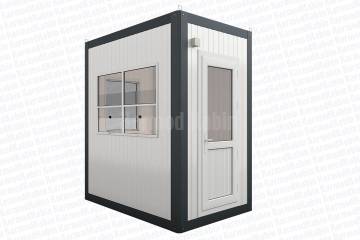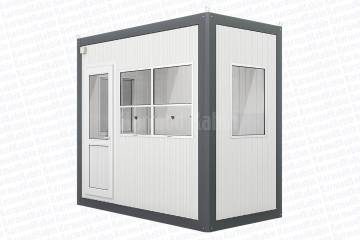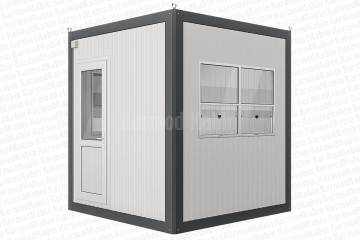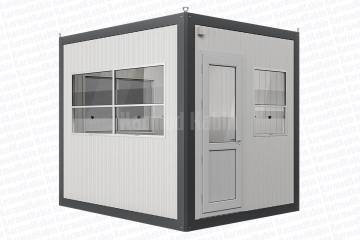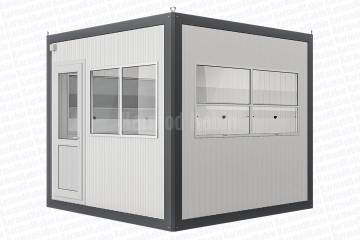

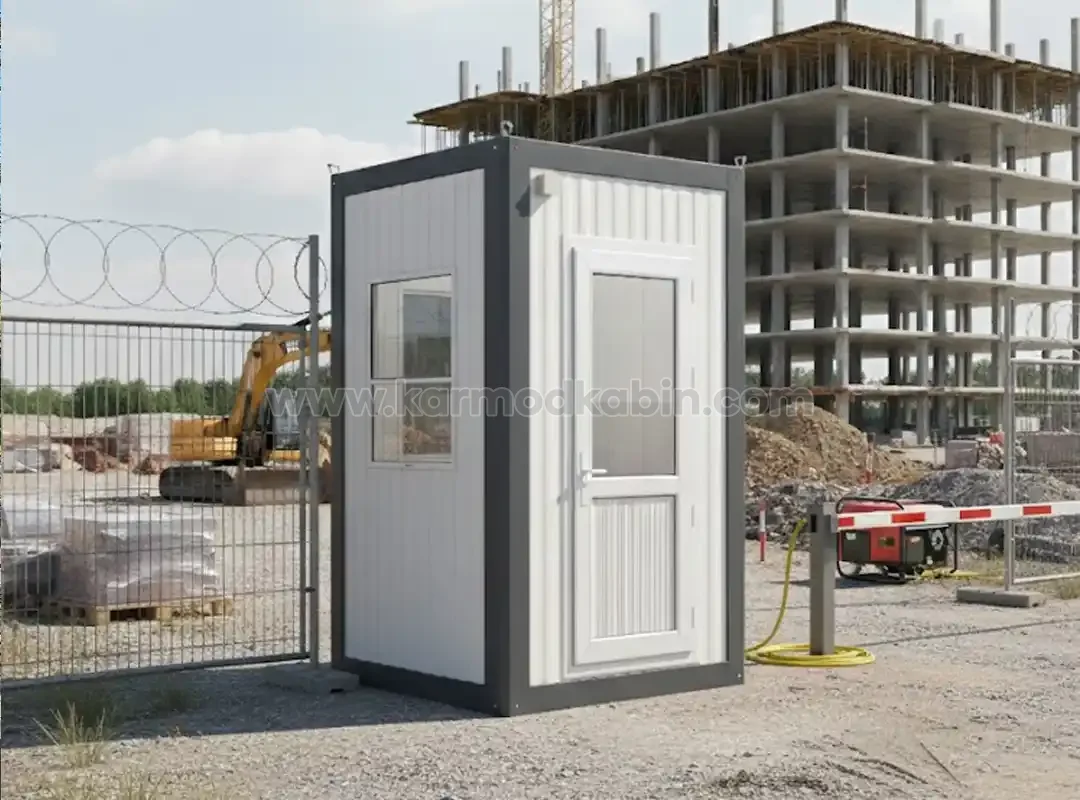
In the field of modern site security, two terms are often used interchangeably: guard hut and security cabin. While they may sound similar, each refers to a slightly different concept in design, purpose, and construction quality. Understanding these differences is essential when choosing the right solution for your facility, event area, or construction site.
Both guard huts and security cabins are compact shelters designed to protect personnel responsible for controlling entry and monitoring safety. However, the variations in materials, comfort, and intended use determine which structure best fits your needs. Whether you are securing a corporate facility or managing a temporary construction zone, knowing what sets them apart will help you make a smarter investment decision.
In the security industry, the terms guard hut and security cabin are often used as if they mean the same thing. This confusion comes mainly from the fact that both structures serve the same core purpose: providing a safe, sheltered space for security staff. In everyday speech, people might refer to any small, enclosed security unit as a “guard hut,” regardless of its material or function. However, professionals in the construction and modular building industry make a clear distinction between the two.
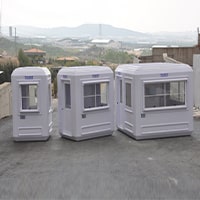
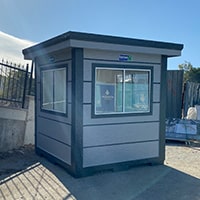
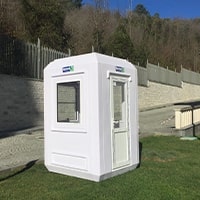
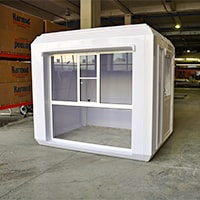
A guard hut typically refers to a simpler, compact unit-often installed at parking lots, gates, or temporary checkpoints. It’s usually small and functional, focusing on basic shelter and visibility. A security cabin, on the other hand, is a more advanced version, offering enhanced insulation, ergonomic interiors, electrical systems, and even integrated technology like CCTV or barrier control panels. This difference in sophistication and purpose is what separates a basic shelter from a complete security solution.
At first glance, guard huts and security cabins may look similar, but their construction and technical details reveal major differences. A guard hut is usually built for short-term use or basic protection. It often features lightweight materials such as sandwich panels, PVC, or aluminum cladding. The design focuses on portability and quick setup, which makes it ideal for temporary sites or outdoor areas with moderate conditions.
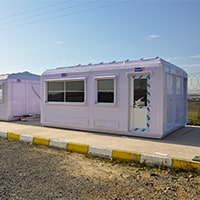
In contrast, a security cabin is a more durable and long-lasting structure. It is typically manufactured using high-quality steel frames, advanced insulation layers, and weather-resistant coatings. The interior may include built-in desks, air conditioning, and electrical outlets, ensuring year-round comfort for personnel. Some models are even bullet-resistant or equipped with surveillance integration systems. In short, while a guard hut serves as a shelter, a security cabin functions as a professional workspace designed for continuous operation.
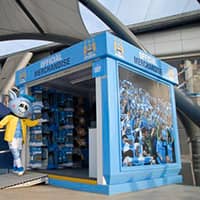
The guard hut is most commonly used in places that require quick, mobile, and economical security solutions. Construction sites, parking areas, gated communities, and event venues often prefer guard huts because they can be easily relocated and set up within hours. Their primary function is to provide temporary shelter and visibility for security staff, enabling them to control access points efficiently. For projects that change location frequently, a lightweight guard hut is often the most practical choice.
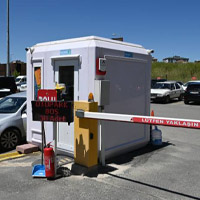
A security cabin, on the other hand, is designed for long-term or high-security environments. You will find them at industrial facilities, government buildings, embassies, airports, and military zones-anywhere that requires advanced protection and constant monitoring. These cabins can accommodate multiple personnel and come equipped with control systems, communication devices, and reinforced walls. Essentially, while a guard hut fulfills basic guarding duties, a security cabin operates as a professional control point designed for continuous security management.
The choice of materials defines the durability, comfort, and appearance of both guard huts and security cabins. While their purpose is similar, the level of quality and customization differs significantly between the two.
Typical materials used in Guard Huts include:
Materials and design features found in Security Cabins:
This combination of materials allows security cabins to deliver both professional functionality and architectural harmony, making them a long-term investment rather than a temporary solution.
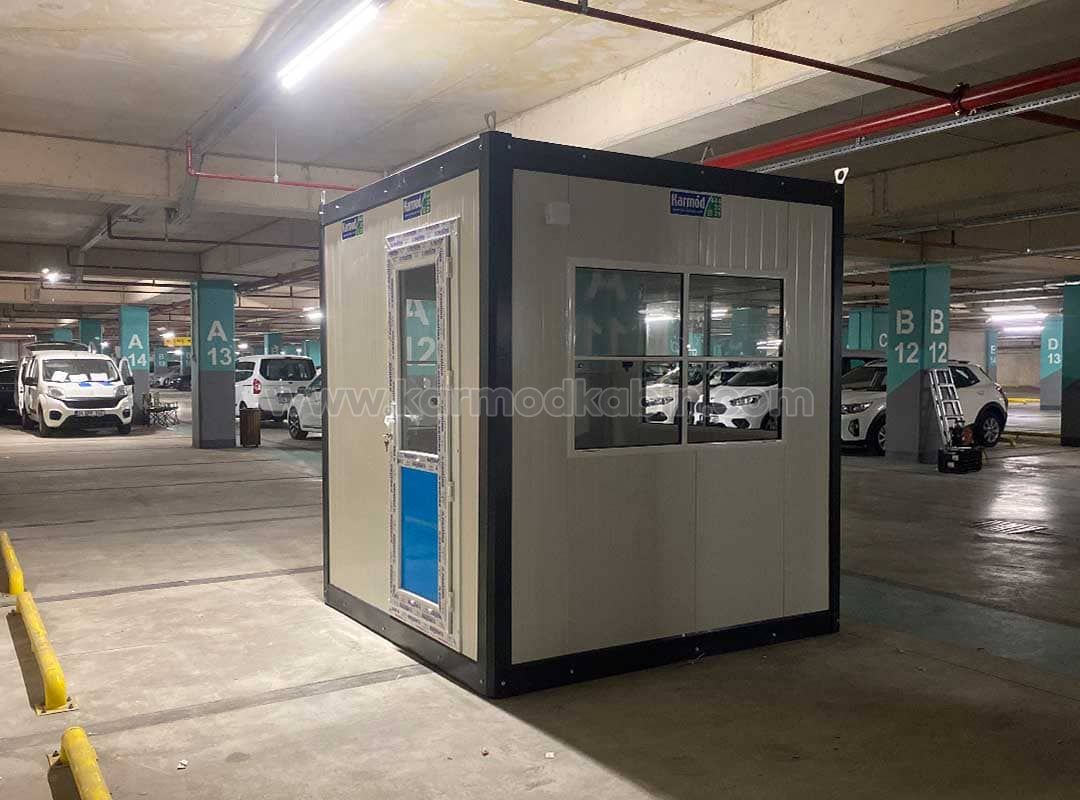
The performance of security personnel directly depends on the comfort and ergonomics of their workspace. In this regard, security cabins provide a significant advantage over basic guard huts. A well-designed interior allows guards to work long shifts without fatigue, maintaining focus and alertness. Proper lighting, adjustable desks, and adequate air circulation contribute to a healthier and more efficient environment. Many modern cabins include climate control systems-such as air conditioning and heaters-ensuring year-round comfort regardless of weather conditions.
Ergonomic design is not only about physical comfort but also about operational efficiency. Features like wide viewing windows, strategically placed control panels, and noise insulation help staff monitor their surroundings effectively. In contrast, smaller guard huts often focus on shelter rather than comfort, offering limited interior space. Investing in ergonomic design improves employee satisfaction and enhances overall site security-making security cabins the preferred choice for professional use.
Selecting between a guard hut and a security cabin depends on your site’s scale, purpose, and operational requirements. If your project involves temporary guarding, event control, or construction supervision, a compact guard hut may be sufficient. It provides fast installation, portability, and cost efficiency-ideal for sites that change frequently. The simplicity of these huts makes them easy to maintain, and they can be relocated whenever necessary.
For long-term or high-security environments, however, a security cabin is the smarter choice. Industrial complexes, residential compounds, airports, and government buildings require more advanced features such as full insulation, electrical systems, and ergonomic interiors. These cabins are built to withstand continuous use while providing comfort and safety to personnel. Before deciding, it’s best to evaluate the expected traffic flow, number of guards, and environmental conditions. Matching the structure to the operational needs ensures maximum functionality and return on investment.
Both guard huts and security cabins can be customized to match the specific operational and aesthetic needs of a site. Clients often request modifications in size, color, window placement, and door positioning to align with corporate standards or spatial limitations. Beyond the visual aspect, customization also includes interior layout - built-in desks, electrical wiring, storage units, and lighting fixtures can all be adapted for seamless functionality. These flexible configurations make modular cabins suitable for a wide range of security tasks.
Modern technology plays a growing role in today’s security cabin designs. Optional features include:
By combining design flexibility with technology, businesses can enhance safety, comfort, and operational control - turning a simple guard post into a connected, high-performance security station.
When comparing guard huts and security cabins, the key differences often become clear through cost and durability. A guard hut is typically the more economical choice, designed for temporary or light-duty use. Its production requires fewer materials and simpler installation, which significantly reduces initial investment. However, because it’s made from lighter components, it may need replacement or repairs sooner-especially in harsh weather conditions or high-traffic areas.
A security cabin, on the other hand, requires a higher upfront investment but offers much longer service life. Built with strong steel framing, advanced insulation, and reinforced finishes, these cabins are engineered to endure years of continuous use. Maintenance is minimal, often limited to periodic cleaning and electrical checks. Over time, the total cost of ownership becomes lower because durability reduces repair expenses and downtime. For businesses prioritizing longevity, comfort, and professional appearance, a security cabin delivers the best long-term value.
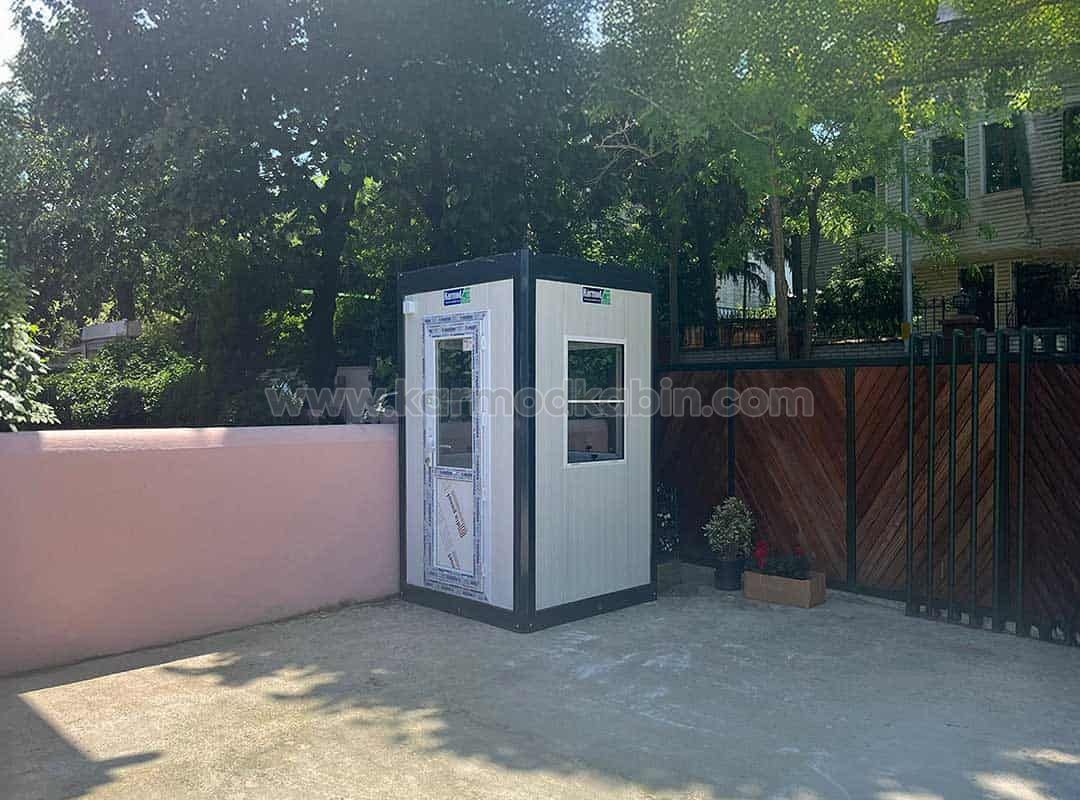
Choosing between a guard hut and a security cabin ultimately depends on your site’s duration of use, level of security, and environmental conditions. If you need a quick, portable, and affordable structure for temporary supervision or event control, a guard hut is the right option. It provides basic shelter and mobility, making it ideal for locations where flexibility matters more than comfort.
However, if your facility operates year-round, handles sensitive materials, or requires staff to stay inside for long shifts, a security cabin is the better investment. It offers superior insulation, integrated power systems, and ergonomic features that improve both safety and performance. When in doubt, evaluate your priorities:
Analyzing these factors helps identify the most efficient solution for your needs - ensuring your investment aligns with both function and comfort.
Whether you need a compact guard hut or a fully equipped security cabin, working with experienced manufacturers ensures you get the right solution for your site. Professional guidance helps you determine the correct model, size, and materials based on your operational needs and environmental conditions. With expert support, you can achieve a balance between functionality, comfort, and cost-efficiency - all while maintaining a professional appearance for your facility.
Our team specializes in designing and producing high-quality modular security structures that combine durability, aesthetics, and practicality. From concept to delivery, every detail is handled with precision to ensure a smooth installation and long-lasting performance. Contact us today to discuss your project and discover how a well-built security cabin can strengthen both safety and efficiency at your site.

Leading manufacturer in modular cabin since 1986.
 EN
EN