
Security is no longer just about presence - it’s about strategy, visibility, and design. Both guard huts and watch towers play vital roles in modern surveillance systems, yet they serve very different operational needs. Understanding these differences helps businesses, institutions, and construction sites choose the right structure for maximum efficiency and protection.
While guard huts are designed for accessibility and on-the-ground control, watch towers emphasize elevated observation and wide-area monitoring. Each has unique advantages depending on the terrain, security level, and type of facility. Knowing which option best fits your environment is key to maintaining a safe, well-managed property that operates without disruption.
In today’s world, physical security structures remain a cornerstone of effective protection strategies. Whether in industrial zones, residential compounds, military bases, or commercial facilities, guard huts and watch towers provide both visibility and authority - essential for deterring threats and managing access control.
Beyond mere shelter, these structures function as strategic observation points. They allow security personnel to monitor surroundings, check incoming vehicles, and ensure controlled entry at all times. When combined with technology such as CCTV systems, alarms, and communication devices, they create an integrated defense system that ensures real-time awareness and rapid response.
From construction sites to embassies, guard structures represent reliability, safety, and professionalism - making them a critical investment for any organization that prioritizes security.
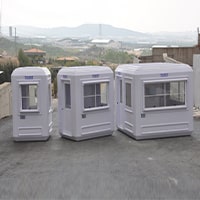
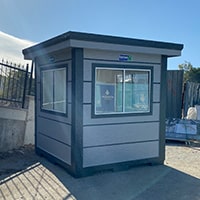
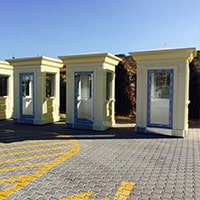
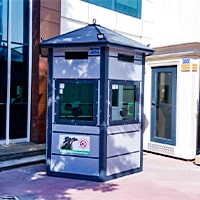
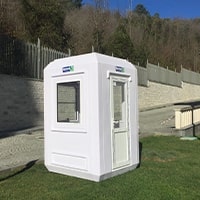
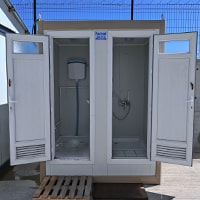
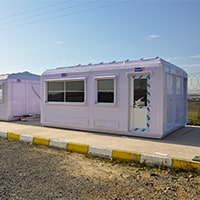
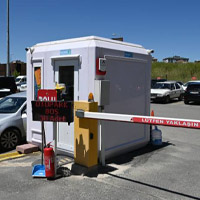
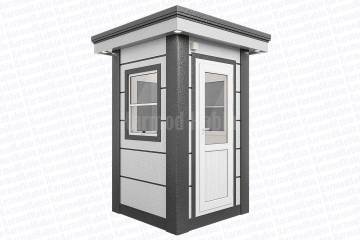
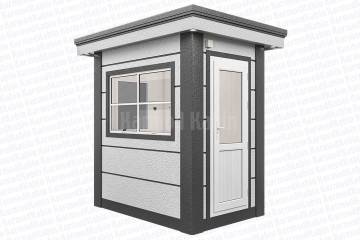
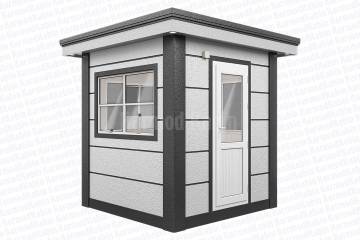
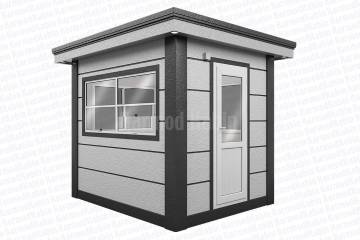
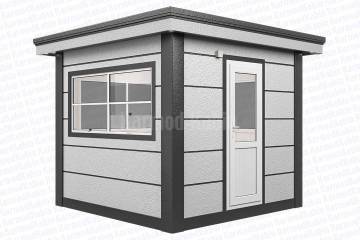
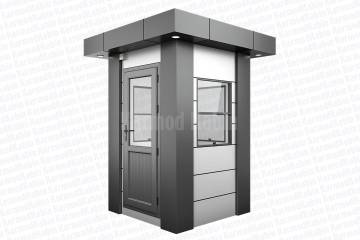
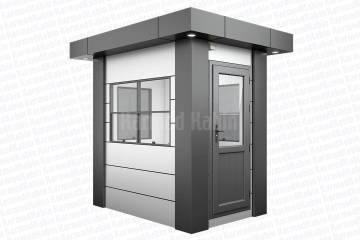
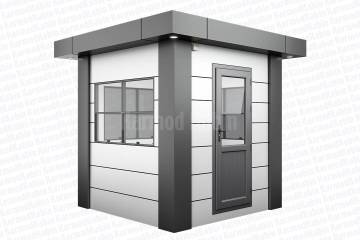
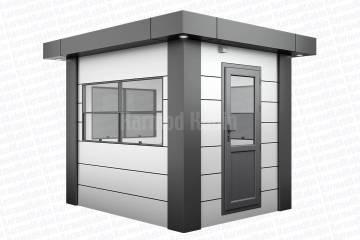
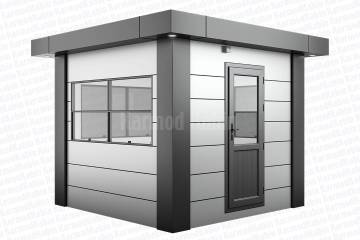
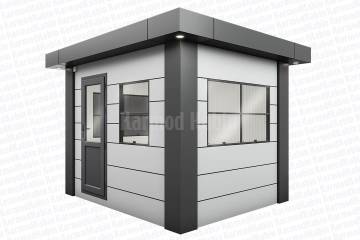
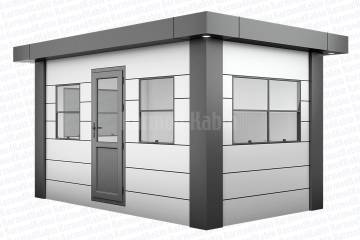
A guard hut is a compact security cabin designed to provide shelter, visibility, and operational control for security staff. Typically located at entry points, parking lots, or facility gates, it serves as the first line of defense and interaction between personnel and visitors. Guard huts offer an ideal space for checking IDs, managing vehicle access, and maintaining security logs - all while keeping guards protected from harsh weather conditions.
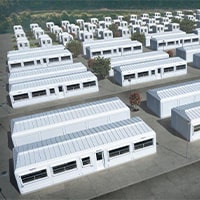
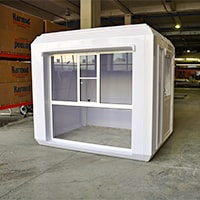
These units are highly versatile and are used across a wide range of environments: residential complexes, industrial zones, office compounds, ports, hospitals, and schools. Because they are modular and portable, they can be easily installed or relocated depending on operational needs. Constructed with durable materials like steel, composite panels, or insulated sandwich systems, guard huts are designed to deliver comfort, safety, and efficiency in one compact form.
A watch tower is a tall, elevated structure built to provide maximum visibility over a large area. Traditionally used in military and perimeter surveillance, modern watch towers have evolved into essential security installations for industrial facilities, borders, correctional centers, and large event grounds. Their main purpose is to allow guards to observe from an elevated vantage point, ensuring early detection of unusual activity or potential threats.
Unlike guard huts, which are positioned at ground level, watch towers emphasize height and range. Depending on their design, they can be fixed, semi-permanent, or modular - built using steel, reinforced concrete, or prefabricated metal frames. Most modern models include stair access, safety railings, and enclosed viewing cabins equipped with communication systems or cameras.
Watch towers serve as the eyes of a facility - offering a broader field of vision and stronger deterrence against unauthorized access or intrusions.
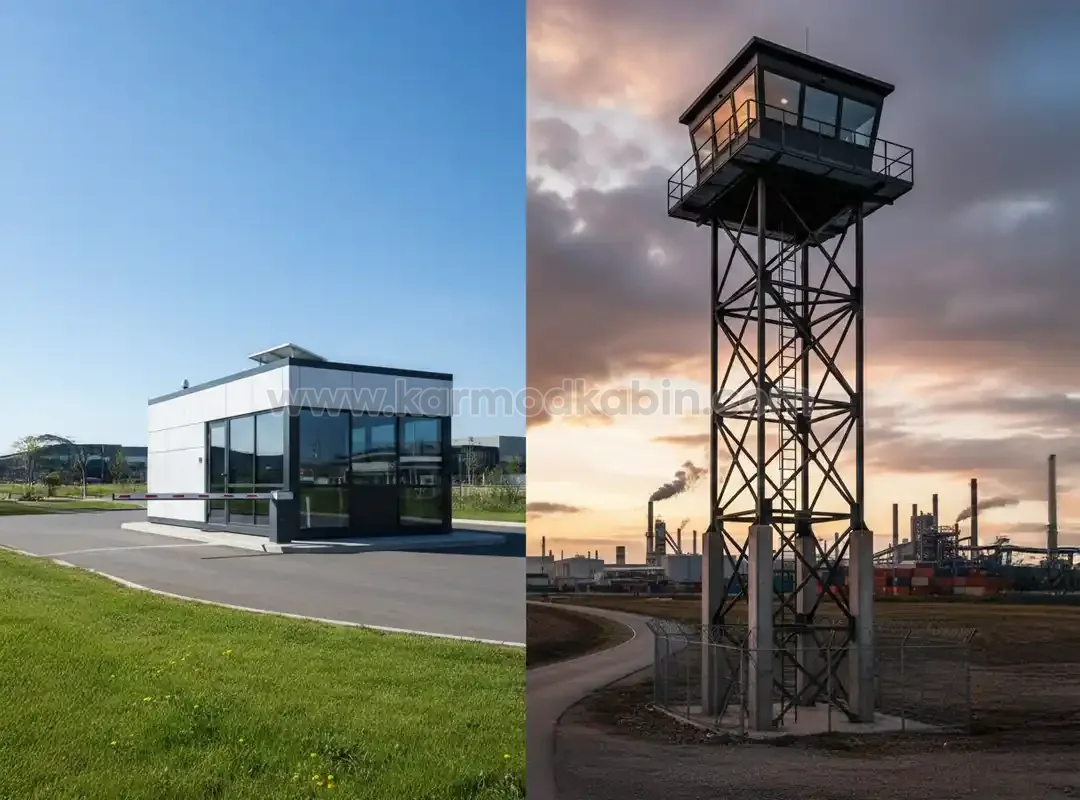
Although both structures serve the same goal - enhancing safety and control - their design philosophies and operational purposes differ significantly. Understanding these distinctions helps determine which solution best suits your site’s layout, size, and risk level.
Here are the main design differences between guard huts and watch towers:
Both structures are crucial components of modern security systems - one focused on control and comfort, the other on height and observation.
The durability and effectiveness of any security structure depend largely on the materials used and how well they adapt to their surroundings. Both guard huts and watch towers can be constructed from various materials, each offering specific advantages based on environmental conditions, security level, and mobility needs.
Below are the most common material and construction variations used in professional-grade security units:
Choosing the right material combination ensures that your security structure remains reliable, safe, and efficient - no matter the environment or purpose.
When deciding between a guard hut and a watch tower, three core factors should guide your choice: space availability, visibility needs, and operator comfort. Each structure offers unique benefits depending on the nature of the site and its security demands.
Guard huts prioritize comfort and accessibility. They feature insulated walls, ergonomic workspaces, and climate control systems, allowing security personnel to perform their duties efficiently throughout the day. They’re perfect for continuous monitoring at entry points or enclosed areas where interaction with visitors is frequent.
Watch towers, on the other hand, focus on elevated visibility and wide-range surveillance. They require less ground space but offer much greater field coverage - ideal for open terrains, industrial perimeters, or high-risk zones where spotting potential threats early is critical.
If comfort and communication are priorities, a guard hut is your best choice. If wide-area observation and deterrence matter most, a watch tower provides unmatched strategic advantage.
Both guard huts and watch towers must meet rigorous safety and durability standards to ensure reliable performance in demanding conditions. These standards protect not only the structure itself but also the personnel working inside.
Below are the key safety and durability factors that define professional-grade security structures:
Meeting these standards ensures that your security infrastructure is not only compliant but also safe, durable, and ready for long-term operation - even in the toughest environments.
One of the most important distinctions between guard huts and watch towers lies in mobility and installation. While both serve the same purpose - enhancing safety and surveillance - the way they are deployed makes them suitable for very different types of sites.
Guard huts are typically portable or modular, designed for quick setup and relocation. This makes them ideal for construction sites, temporary checkpoints, or event venues where flexibility is required. Their prefabricated structure allows them to be installed on almost any surface without heavy groundwork, saving both time and cost.
Watch towers, on the other hand, are fixed or semi-permanent installations. They require a reinforced base or foundation to ensure stability and safety at elevated heights. Once installed, they become a permanent part of a facility’s perimeter defense system - providing unmatched visibility and deterrence.
If your operation requires frequent movement and fast installation, a portable guard hut is the best choice. But for long-term, high-surveillance areas, a fixed watch tower offers superior protection and visibility.
The decision between a guard hut and a watch tower depends on your site’s layout, purpose, and daily operational needs. Guard huts are best suited for areas that require frequent human interaction, access control, and staff comfort - making them the ideal solution for commercial complexes, residential communities, hospitals, offices, and parking facilities.
Choose a guard hut if your priority is:
In contrast, a watch tower is the right choice for military bases, industrial zones, large warehouses, or border security, where long-distance observation and elevated surveillance are essential.
For everyday protection and accessibility, guard huts offer the perfect balance between practicality and performance - ensuring reliable security without excessive setup or cost.
When evaluating guard huts and watch towers, it’s essential to understand how their initial costs, maintenance requirements, and long-term value differ. Both are strategic investments, but their financial and operational dynamics serve distinct purposes.
Here’s a breakdown of key cost and maintenance factors to consider:
In summary, guard huts offer cost efficiency and mobility, while watch towers deliver permanence and broad surveillance - both valuable in their respective contexts.
Looking for a dependable, modern, and cost-effective security structure? Whether you need portable guard huts for ground-level protection or custom-built watch towers for wide-area surveillance, our company delivers turnkey solutions designed to match your exact requirements.
We manufacture every unit using premium materials, advanced insulation systems, and weather-resistant finishes, ensuring long-term durability and comfort. Each project is tailored - from size and layout to equipment and branding - to provide the ideal balance between visibility, safety, and design.
Contact us today to discuss your project and get a personalized quote for your security cabin or watch tower. Protect your property with confidence - buy directly from us and invest in security that lasts.

Leading manufacturer in modular cabin since 1986.
 EN
EN