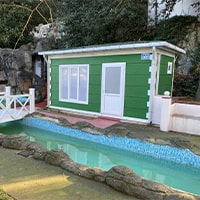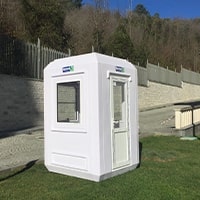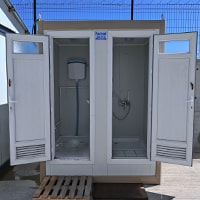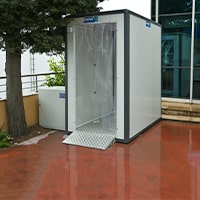

In modern construction sites, residential complexes, or industrial areas, safety is no longer a secondary concern-it’s a priority. Businesses and organizations today focus on both structural and operational security, and one of the most effective ways to ensure this is by installing dedicated protection units. Among the most common options are security cabins and security rooms, each serving similar goals but through very different approaches.
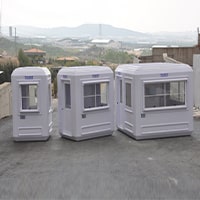
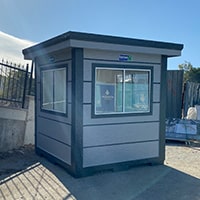
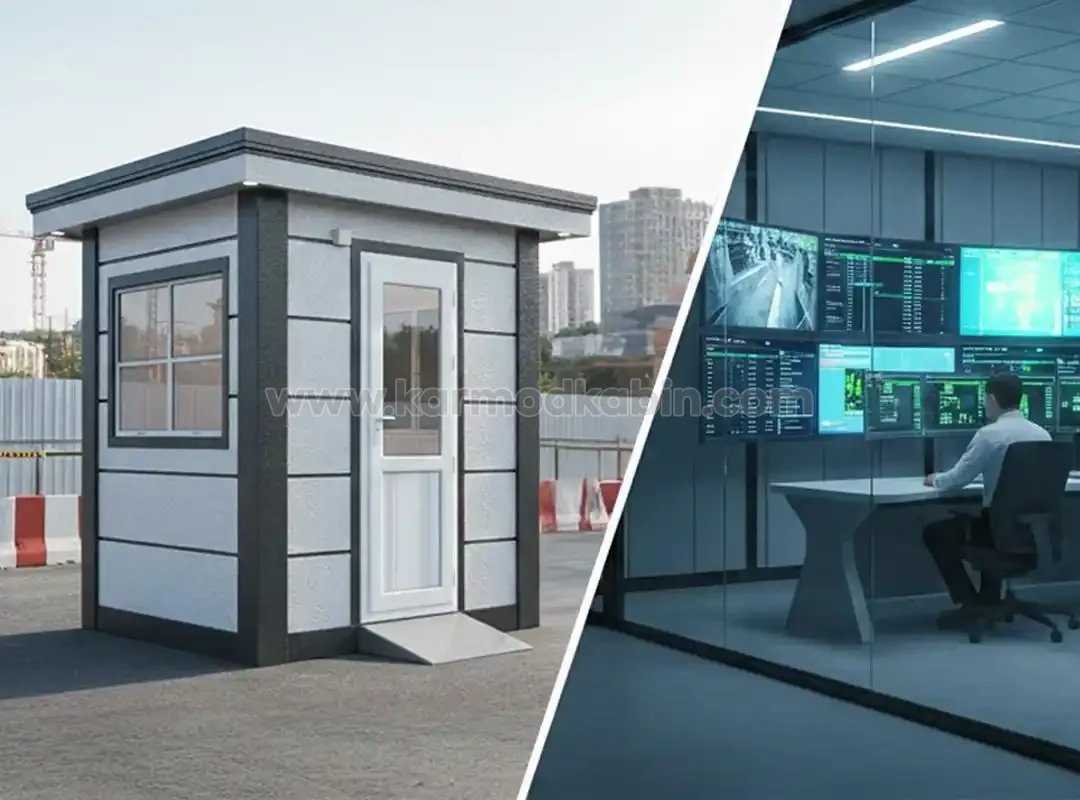
A security cabin is designed as a portable, standalone structure-ideal for quick installation and flexible use. It offers a controlled space for guards to monitor, communicate, and manage entry points, especially in outdoor or frequently changing environments. On the other hand, a security room is typically an integrated part of a building, designed for internal monitoring and long-term control operations. While both aim to protect people and property, their form, cost, and installation processes vary significantly depending on the site’s requirements.
Security professionals and facility managers often face the question: Which option offers better value and efficiency for my site? Understanding the contrast between these two systems helps determine the most practical and cost-effective choice.
Security cabins and security rooms may appear to serve the same purpose at first glance - both are designed to protect property, control access, and safeguard personnel. However, their core functions and design philosophies set them apart. Understanding this distinction helps decision-makers choose the right solution for their specific security needs.
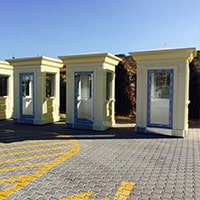
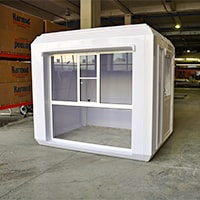
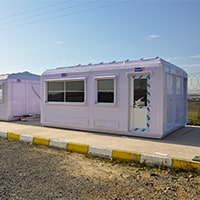
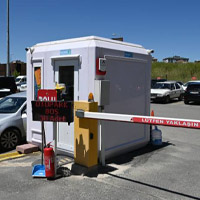
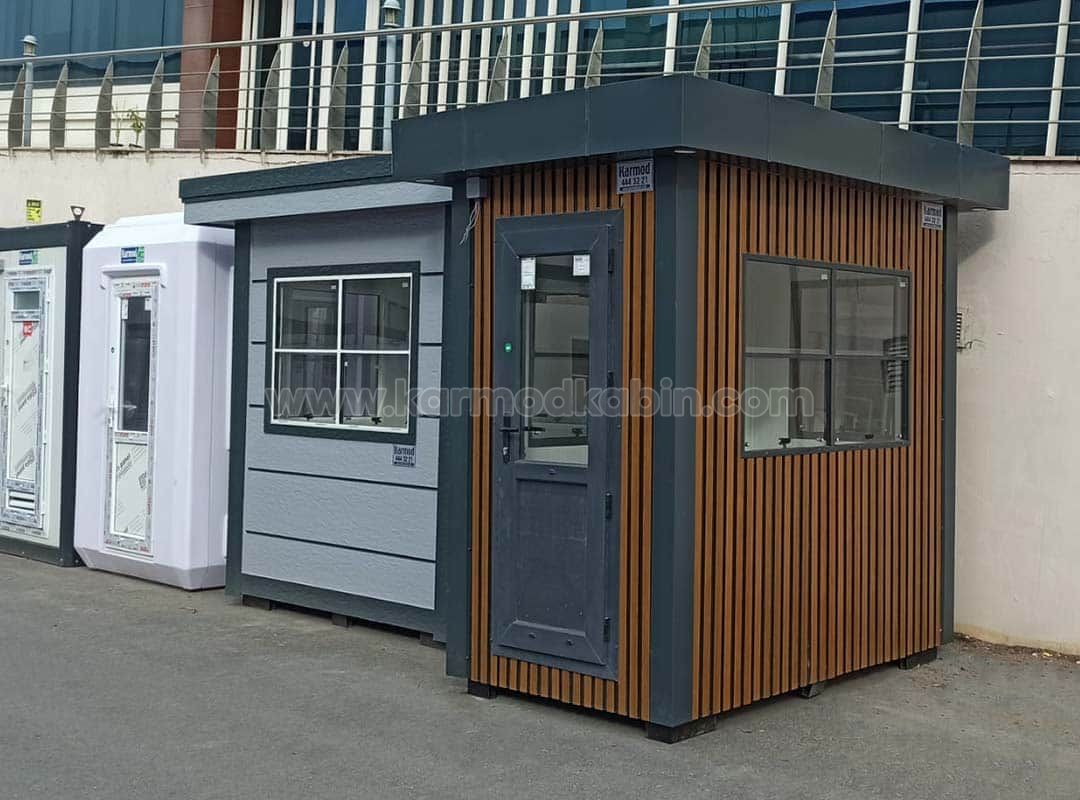
A security cabin acts as an on-site guard station, often positioned at entry and exit points, parking areas, or construction zones. It provides visibility, accessibility, and quick response capability. Since it’s a prefabricated, portable structure, it can be relocated easily whenever the site layout changes. This makes it ideal for temporary or semi-permanent security needs, such as festivals, construction projects, or gated community entrances.
Conversely, a security room is a fixed internal facility, built within an existing structure. It’s commonly used in corporate offices, factories, and large institutions for advanced monitoring purposes. These rooms often host CCTV systems, communication equipment, and alarm control panels, serving as the command center of the entire security network.
When comparing the two, the distinction is clear:
Both play a crucial role in a comprehensive site security strategy - one offers mobility, while the other provides permanence.
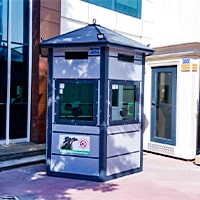
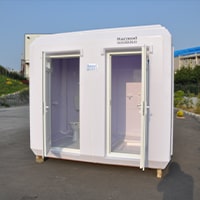
The distinction between a security cabin and a security room begins with their very foundation - both literally and conceptually. A security cabin is a prefabricated modular unit, typically made from galvanized steel, sandwich panels, or durable composite materials. These materials provide excellent thermal and acoustic insulation, ensuring comfort for guards during long shifts. Its structure is designed for outdoor resilience, capable of withstanding harsh weather conditions such as heavy rain, snow, or extreme heat.
Security rooms, in contrast, are permanent parts of a building’s architecture. They are built using concrete or brick, often within the facility’s core, offering maximum protection from external elements. The environment inside a security room is usually controlled and insulated, suitable for advanced monitoring equipment like CCTV servers, access control systems, and communication networks.
From a functional perspective, their differences are just as clear:
A security cabin serves as a frontline defense point, while a security room functions as the operational heart of the overall security system. Both complement each other in layered site protection strategies, ensuring visibility outside and control inside.
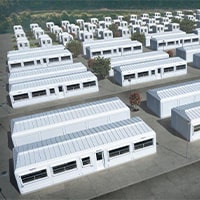
When it comes to setup and relocation, security cabins and security rooms follow entirely different philosophies. A security cabin is built for fast deployment and flexibility. Since it’s a prefabricated structure, installation is straightforward-no need for complex foundations or construction permits in most cases. Once delivered, it can be placed on-site with a crane or forklift and becomes fully functional within hours. This makes it the perfect choice for temporary worksites, construction areas, event grounds, or newly developed compounds where mobility and quick operation are essential.
In contrast, a security room is a fixed installation, constructed as part of a permanent facility. It requires architectural planning, building permits, and integration into the main infrastructure of the building. The installation process is longer and more costly, but the result is a highly stable and integrated space that can host multiple operators, digital screens, and monitoring systems in a controlled environment.
To highlight their mobility and installation contrast:
This difference gives site managers the flexibility to choose based on the nature and duration of the project. For evolving environments, cabins win in adaptability; for stable infrastructures, rooms remain unmatched in permanence.
Budget is one of the most decisive factors when choosing between a security cabin and a security room. While both contribute to site protection, their initial investment and ongoing maintenance costs differ considerably.
A security cabin is generally the more economical option. As a prefabricated unit, it’s manufactured in controlled factory conditions, which minimizes waste, labor costs, and construction delays. Delivery and installation are fast, often requiring little to no groundwork, making it an excellent solution for businesses looking to optimize security without high construction expenses. Additionally, since the cabin is movable, it can be reused at different locations-maximizing return on investment over time.
A security room, however, involves higher upfront costs due to its permanent nature. Expenses include architectural design, building materials, interior finishing, and sometimes air-conditioning or surveillance system integration. Maintenance can also be more demanding, as it’s part of a larger building and subject to ongoing facility management. Yet, this investment pays off in long-term operational stability and seamless integration with existing security systems.
A practical comparison would look like this:
For businesses that prioritize mobility, affordability, and flexibility, a security cabin is ideal. For organizations needing centralized, permanent surveillance infrastructure, a security room offers superior long-term reliability.
When it comes to the well-being and performance of on-site security personnel, comfort and interior design play a far greater role than many realize. Guards often spend long hours inside these units, and the quality of their environment directly impacts attention, efficiency, and morale. Here, the contrast between security cabins and security rooms becomes even more visible.
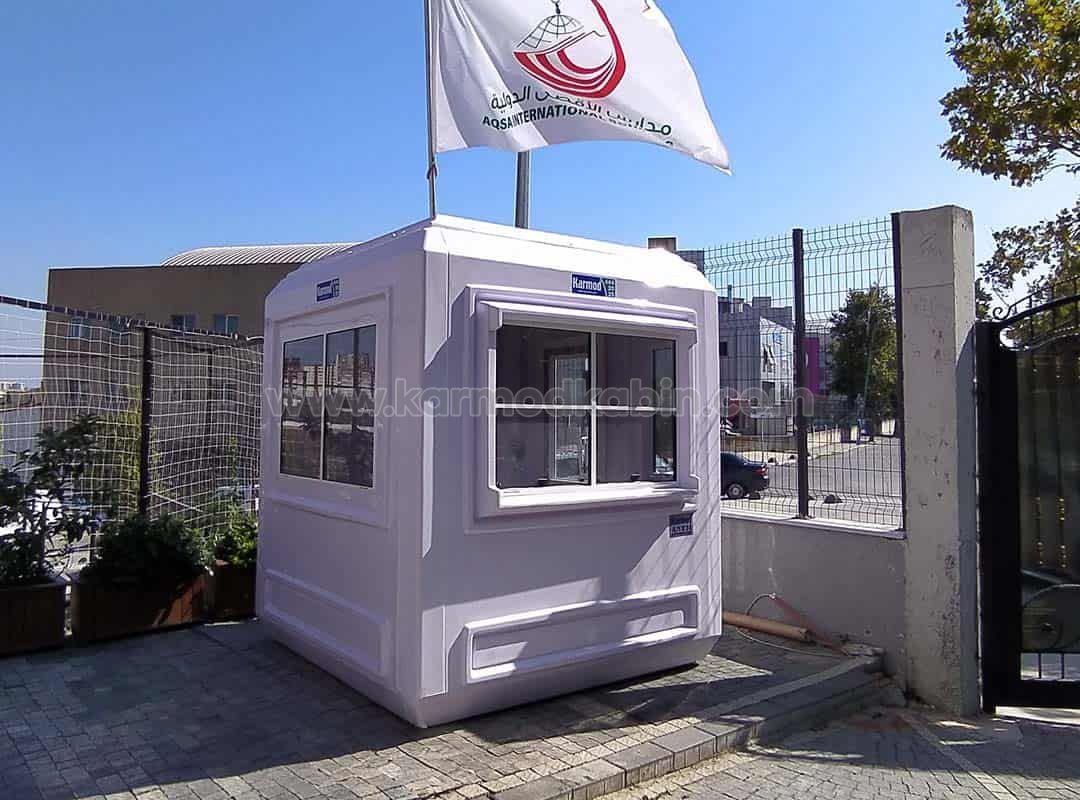
A security cabin may be compact, but modern designs ensure that every square meter is used efficiently. High-quality models feature insulated sandwich panels, ergonomic windows for visibility, built-in desks, air conditioning, and LED lighting systems. The goal is to provide a comfortable working environment in limited space, while maintaining full functionality for monitoring, communication, and access control. For outdoor setups, optional features like double-glazed windows, heat insulation, and custom ventilation systems enhance year-round usability.
On the other hand, a security room offers more generous interior space, allowing for multiple workstations, server racks, and surveillance displays. It’s designed to host teams rather than individuals, focusing on coordination and technological integration. These rooms often include acoustic panels, ergonomic seating, and climate control systems, ensuring continuous comfort during extended monitoring shifts.
To summarize the practical differences in design and comfort:
Both structures share the same goal - ensuring that security staff operate effectively in a well-organized and comfortable space, regardless of the environment.
Modern security infrastructure relies heavily on technology - and both security cabins and security rooms have evolved to meet the demands of a digitally connected world. The degree of integration, however, varies depending on each structure’s purpose and capacity.
A security cabin, while compact, can now be equipped with a range of smart technologies that transform it into a mini control center. Features such as CCTV camera connections, motion sensors, digital access systems, solar-powered lighting, and IoT-based alarm systems are becoming standard in high-quality cabin models. Some advanced cabins even include facial recognition devices or license plate scanners to enhance entrance control. This level of integration gives field personnel real-time data access without needing to leave their post, significantly improving situational awareness and response time.
By contrast, a security room serves as the central command hub of a facility’s security system. It often contains multiple screens, control panels, alarm management systems, communication networks, and server backups. The room is typically connected to all surveillance points across the premises - from security cameras to fire alarms - ensuring centralized oversight. With redundant power supplies, secure data storage, and access control layers, security rooms provide the technological backbone for continuous 24/7 monitoring.
In essence:
When these two systems operate together, they create a seamless network that covers both on-site physical presence and centralized digital intelligence - the perfect balance for advanced site security.
Deciding between a security cabin and a security room ultimately depends on your site’s scale, mobility requirements, and operational goals. Both offer significant benefits but cater to very different scenarios. Understanding where each option performs best allows you to maximize efficiency and security coverage.
A security cabin is ideal for outdoor, temporary, or semi-permanent environments. Construction sites, parking lots, gated communities, logistics hubs, and event areas often rely on cabins because of their mobility, quick setup, and weather resistance. Their standalone nature means they can operate independently with solar panels, communication systems, or generators - an advantage in remote areas where infrastructure is limited. For companies managing multiple rotating projects, the reusability of cabins makes them a cost-effective investment.
In contrast, a security room is best suited for fixed, high-traffic, and complex facilities such as factories, corporate campuses, airports, or shopping centers. These spaces require constant coordination and access to multiple surveillance networks simultaneously. Security rooms offer the stability and control necessary for large-scale monitoring, making them essential in long-term operations where data integration and staff collaboration are priorities.
To make the right choice:
In many modern facilities, both coexist - cabins handle the frontline, while rooms manage the network behind the scenes. This dual approach ensures layered protection, combining mobility with strategic control.
Both security cabins and security rooms achieve their full potential when tailored to the specific needs of the site. Professional installation and customization not only improve functionality but also ensure long-term durability and operator comfort - two aspects that directly affect security efficiency.
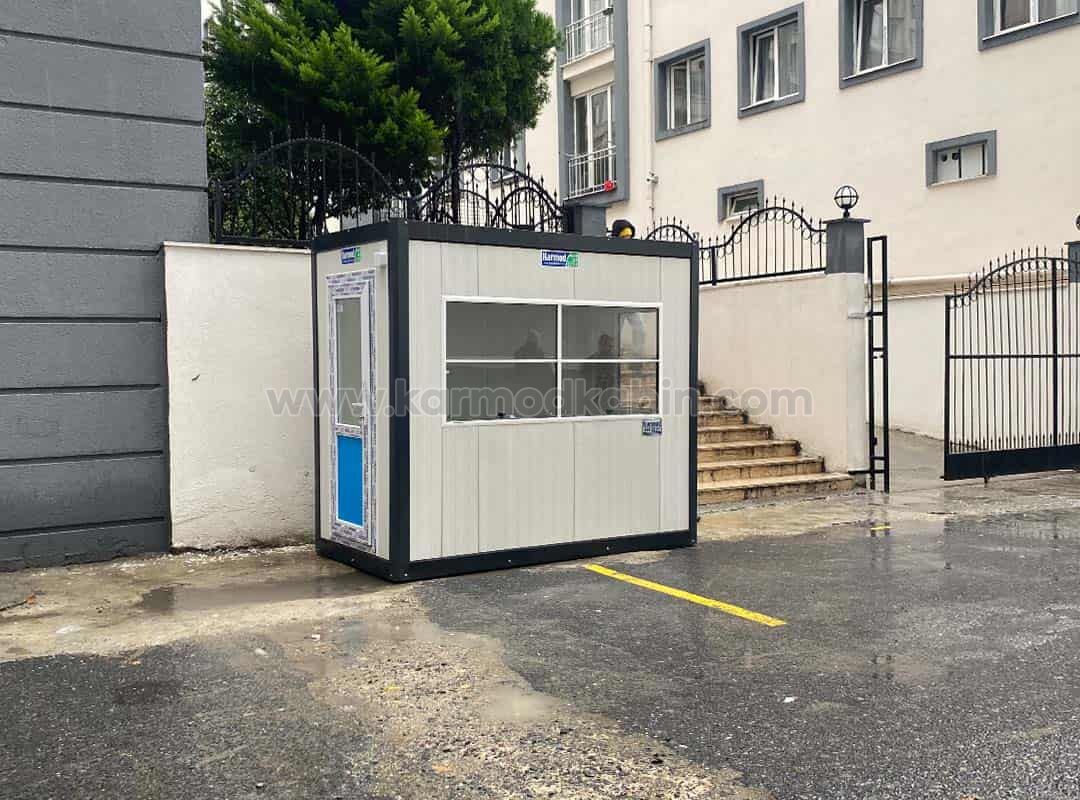
A security cabin, for instance, can be fully customized before delivery. Clients can choose the size, window placement, insulation level, interior layout, and added features like CCTV mounts, alarm systems, and LED lighting. Many modern manufacturers also offer branding options such as exterior color matching and company logos, which help integrate the cabin into the aesthetic of a corporate or residential environment. Installation is rapid: the prefabricated unit arrives ready for use, requiring only electrical and communication connections.
On the other hand, a security room demands a different level of planning and coordination. It’s built on-site, meaning customization is handled during the architectural phase. This allows precise integration with the building’s power supply, ventilation, data cabling, and fire safety systems. Security rooms can be fitted with soundproofing, reinforced walls, specialized flooring, and ergonomic workstation designs, providing a professional and resilient control center for long-term use.
When managed by experienced professionals, both options can be optimized for maximum safety, usability, and performance. Whether your goal is a portable guard post or a centralized command hub, investing in expert installation ensures reliability from day one.
Selecting between a security cabin and a security room isn’t simply about cost or convenience - it’s about aligning your security strategy with the realities of your site. Every environment presents different challenges: terrain, climate, access points, traffic flow, and the scale of surveillance all influence the ideal solution.
If your project demands mobility, modularity, and fast deployment, a security cabin provides unmatched flexibility. It’s especially practical for construction sites, parking areas, ports, or temporary checkpoints, where the layout may change frequently. Its prefabricated nature means it can be relocated, expanded, or repurposed easily, allowing businesses to adapt quickly without new construction expenses.
However, if your site requires continuous monitoring and data centralization, a security room delivers the control infrastructure you need. Ideal for corporate buildings, industrial complexes, and government facilities, it allows multiple operators to manage surveillance feeds, access logs, and communication channels from one secure, climate-controlled environment.
When making the decision, consider:
Ultimately, the right choice balances security performance with operational practicality. Many businesses today adopt hybrid systems - cabins for outdoor control and rooms for indoor coordination - to achieve comprehensive, 360° site protection.
Every site has its own rhythm, risks, and requirements - and your security solution should reflect that. Whether you’re protecting a construction area, managing vehicle entry points, or securing a residential complex, our custom-built security cabins are designed to adapt perfectly to your environment.
We specialize in durable, modern, and fully customizable guard cabins that combine functionality with comfort. From climate control and ergonomic interiors to CCTV integration, smart locks, and energy-efficient panels, every detail is engineered to enhance both security and operator experience. Our expert team ensures fast delivery, professional installation, and long-term reliability, helping you establish safety without compromising aesthetics or efficiency.
Take the next step toward a more secure site - get in touch with us today to request your personalized quote or cabin design.

Leading manufacturer in modular cabin since 1986.
 EN
EN