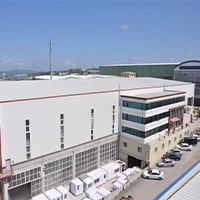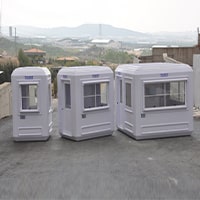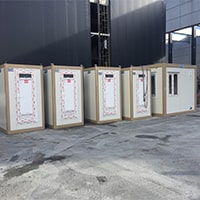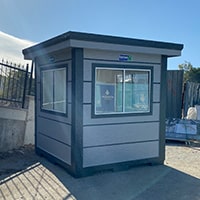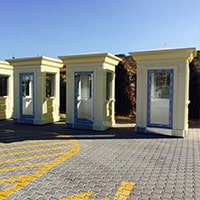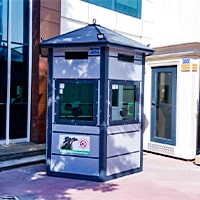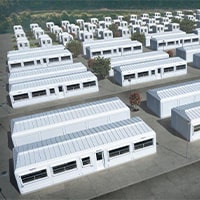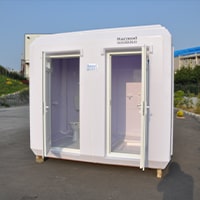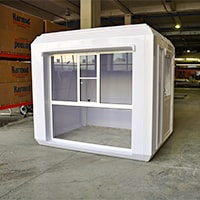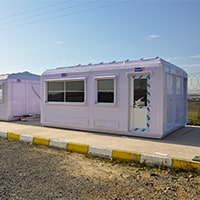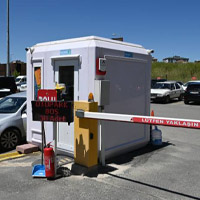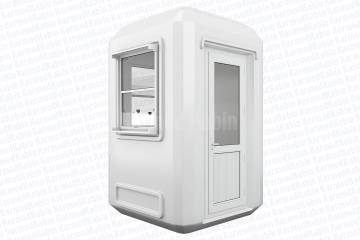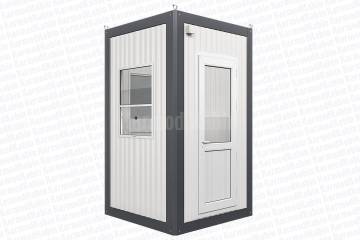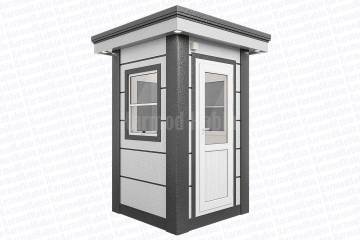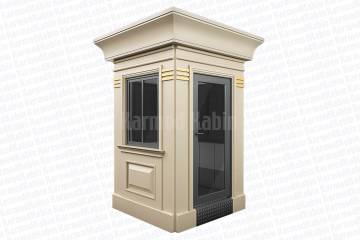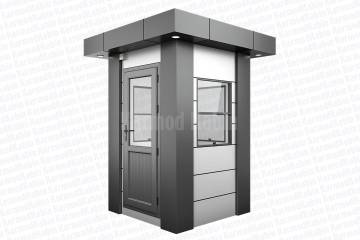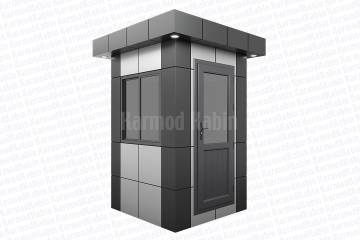

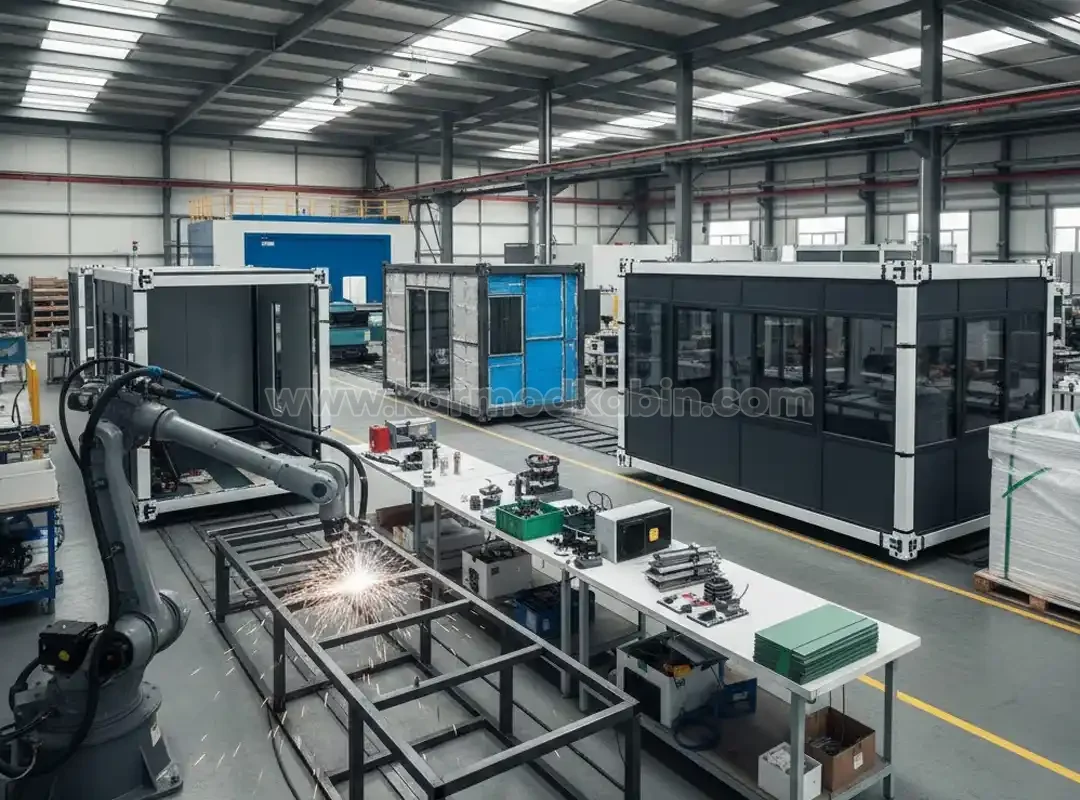
Behind every durable and comfortable security cabin, there’s a precise manufacturing process that blends engineering, craftsmanship, and advanced technology. These structures are not just small rooms - they are professionally engineered systems designed to provide safety, visibility, and comfort for on-site personnel in all weather conditions.
Modern factories follow a step-by-step production model where every stage, from material selection to final inspection, is carefully controlled. This approach ensures uniform quality, faster delivery times, and structural reliability that traditional on-site construction cannot match. Prefabricated production also allows for customization, modular expansion, and efficient cost control, giving clients flexibility without compromising durability.
Whether the cabin is destined for a parking area, industrial facility, or government complex, it undergoes a series of stages involving design, framing, insulation, finishing, and quality testing. Understanding this process not only builds confidence in the product but also highlights why factory-manufactured security cabins stand as the gold standard for modern security infrastructure.
Every security cabin begins its life not on the production line, but at the design table. Engineers and architects collaborate to define the cabin’s dimensions, purpose, and operating environment. Whether it’s a compact parking booth or a large multi-operator control unit, the design process focuses on ergonomics, durability, and functionality. CAD (Computer-Aided Design) software is used to create precise blueprints, which include every bolt, panel, and connection point.
Once the design is finalized, the production team prepares a detailed manufacturing plan. This plan dictates the materials, thicknesses, insulation type, and wiring layout to ensure the finished cabin performs flawlessly in the field. During this stage, customization requests-such as window placement, panel colors, interior furnishings, or electrical systems-are integrated into the production model.
After approvals, the project transitions to the manufacturing floor, where advanced machinery and skilled technicians begin turning raw materials into a precision-built structure. From the first steel frame to the final coat of paint, every step is inspected for accuracy and consistency. The result is a product that’s engineered for long-term stability, weather resistance, and user comfort-ready for delivery,
installation, and years of reliable operation.
Every security cabin’s durability begins with its structural skeleton - the steel frame. This stage sets the foundation for stability, precision, and longevity. Factories use high-grade galvanized steel and computer-controlled cutting systems to ensure each profile matches the design’s dimensions with millimeter accuracy. Once welded, the frame undergoes protective treatments to ensure it remains corrosion-free for years.
Main steps in this stage include:
This meticulous process ensures that every cabin frame leaves the factory ready to withstand heavy use, harsh weather, and long-term outdoor exposure.
Once the structure is set, the cabin begins to take shape. The goal here is to achieve maximum insulation, airtightness, and stability. Factories use precision cutting and assembly methods to transform raw panels into fully insulated walls, roofs, and floors.
Typical production steps include:
By the end of this stage, the cabin becomes a fully enclosed shell, protecting occupants from wind, rain, and temperature extremes.
With the cabin shell complete, it’s time to transform it into a functional workspace. This phase combines comfort and safety through the careful integration of electrical, plumbing, and climate control systems.
Main components of this stage include:
After installation, every connection is tested for safety and performance - ensuring the cabin arrives ready to use without additional on-site work.
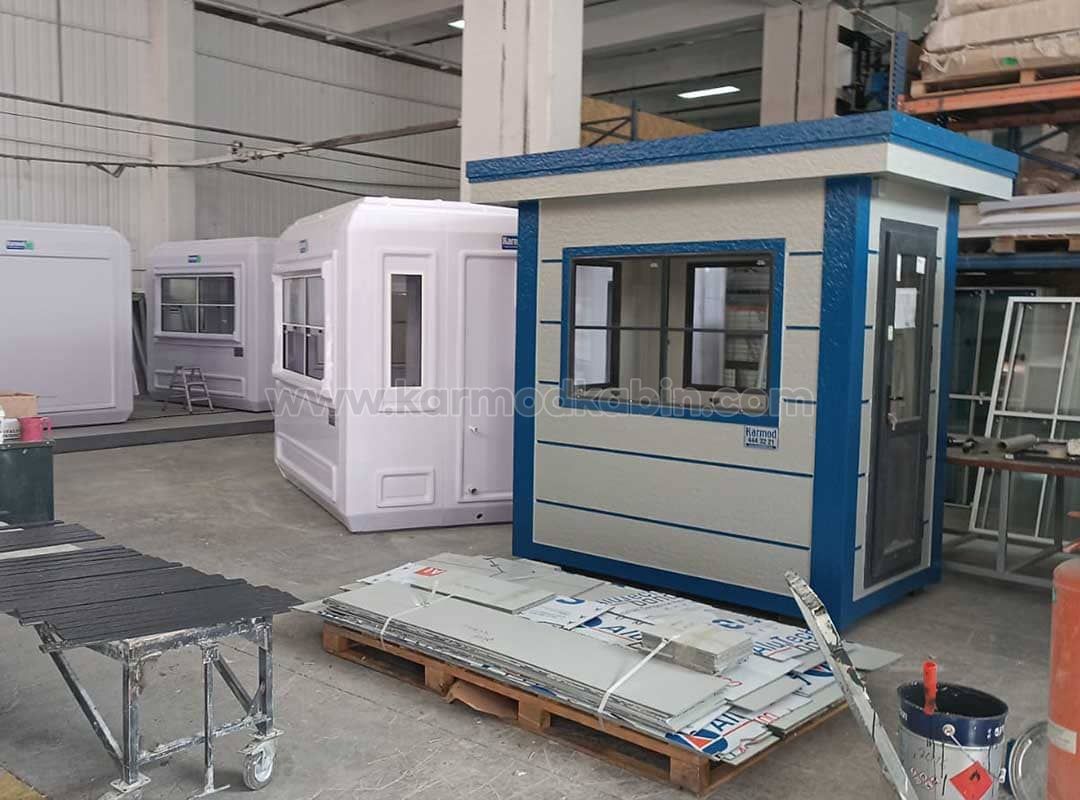
After the technical installations are complete, the focus shifts toward interior design, comfort, and usability - the stage where the cabin starts to look and feel like a finished workspace. This phase combines aesthetics with practicality, ensuring that the structure is not only strong but also comfortable for long-term daily use.
The interior surfaces are lined with decorative wall panels or vinyl-coated boards, chosen for their easy-to-clean, fire-retardant, and scratch-resistant properties. Flooring is installed next, typically using anti-slip PVC, laminate, or industrial vinyl coverings that provide both safety and hygiene. Ceilings are fitted with insulated boards that improve acoustic performance and help maintain stable indoor temperatures.
Attention to ergonomics defines this stage. Windows are positioned for optimal visibility, desks and shelves are installed where required, and lighting is adjusted to eliminate glare or dark corners. Cabins designed for extended guard duty often include seating areas, document holders, and electrical sockets for communication devices. Optional details such as mini storage cabinets, blinds, or LED control panels enhance the overall usability and comfort.
The entire interior is polished and inspected to ensure a professional finish - free of sharp edges, gaps, or imperfections. The goal of this stage is to provide a clean, ergonomic, and durable interior that supports operator productivity while maintaining a pleasant working environment.
No security cabin leaves the factory without undergoing a strict quality control and testing process. This stage is where engineering precision meets accountability - every joint, connection, and system is examined to ensure the cabin performs flawlessly once deployed in the field.
Quality control teams begin by inspecting the structural integrity of the cabin. Welded joints, frame alignment, and panel sealing are tested for strength and tightness. The cabin is then checked for waterproofing, wind resistance, and insulation efficiency to guarantee that it will endure harsh outdoor conditions. Doors and windows are opened and closed repeatedly to verify smooth operation, and silicone seals are inspected for proper bonding to prevent air or water leaks.
Next comes system testing. Electrical circuits are powered up to confirm lighting, sockets, and safety fuses function correctly. For cabins with plumbing or HVAC systems, water flow and temperature control are tested to eliminate any risk of leakage or malfunction. If the unit includes CCTV, intercom, or smart features, each is connected and verified for signal strength and responsiveness.
Once all internal and external checks are complete, the cabin receives a factory quality certificate. This document confirms compliance with international safety and production standards, such as ISO 9001 or CE certification, depending on the market. Only after passing this final audit is the cabin approved for packaging and dispatch.
Through this rigorous process, every unit is guaranteed to meet the same high standard of safety, comfort, and durability, ensuring the buyer receives a product built for real-world reliability.
The final production stage ensures that the cabin reaches the client undamaged, fully functional, and ready for operation. Each model is packed, labeled, and transported with care to preserve the factory-quality finish.
Typical logistics workflow:
This process guarantees a fast, smooth, and worry-free setup, turning a manufactured product into a fully operational security point within hours.
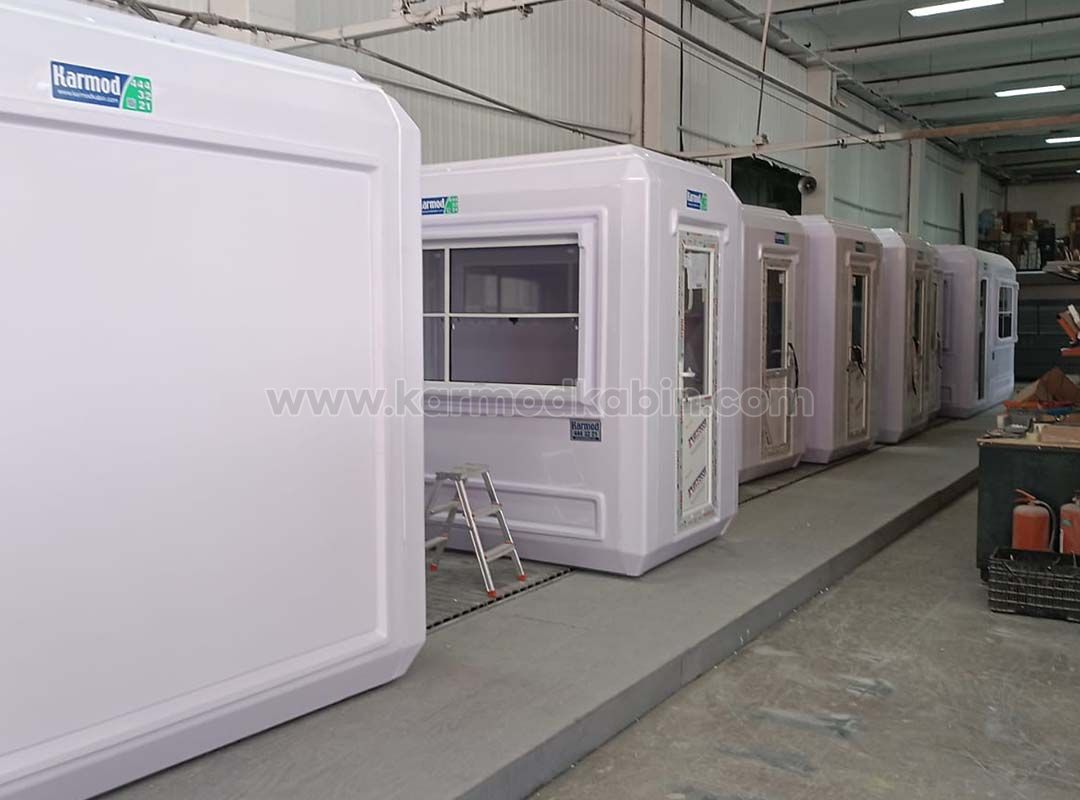
Factory-built cabins stand apart because every production step happens under controlled, repeatable conditions. Unlike field construction, factory assembly ensures accuracy, efficiency, and consistent performance - regardless of weather or site limitations.
Key advantages of factory manufacturing include:
This method delivers cabins that are stronger, safer, and more cost-efficient, reflecting the true value of professional prefabrication.
Every security cabin we produce represents a promise - precision engineering, durable materials, and total user comfort. From the first design sketch to final installation, each stage is handled by expert teams who understand that your safety and operational efficiency depend on the smallest details.
Our factory-built cabins are available in a wide range of sizes, configurations, and design styles, suitable for every industry - from construction and logistics to residential compounds, airports, and government facilities. You can choose the layout, insulation level, and accessories that best fit your site. Whether you need compact single-guard cabins or advanced modular security systems with integrated CCTV and smart controls, we tailor every structure to your specifications.
When you buy directly from our factory, you eliminate intermediaries and gain access to:
Let your next project benefit from the strength and precision of modern prefabrication technology. Contact us today to request your personalized design and quotation - and experience firsthand why thousands of businesses in 2025 trust factory-built security cabins for lasting performance and value.
Leading manufacturer in modular cabin since 1986.
 EN
EN