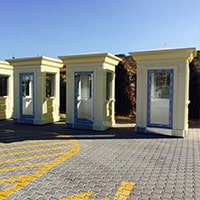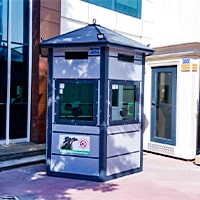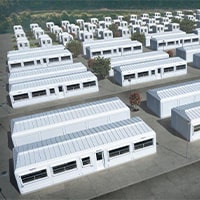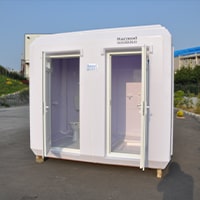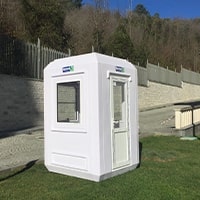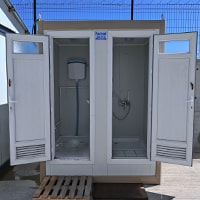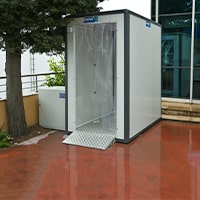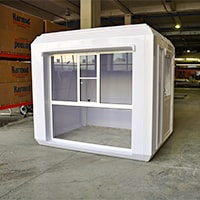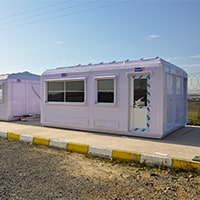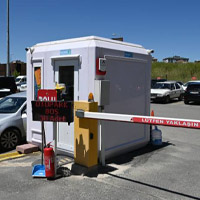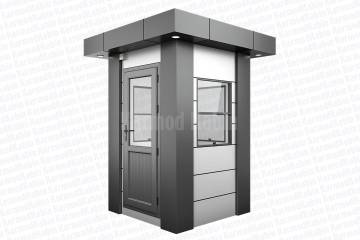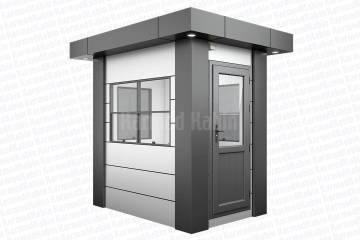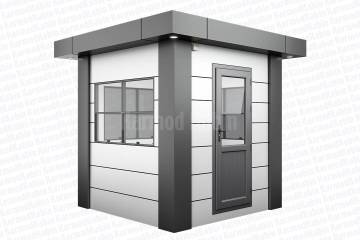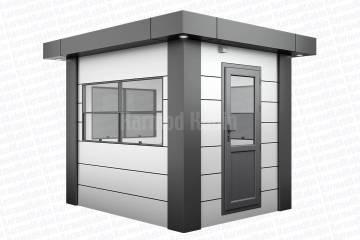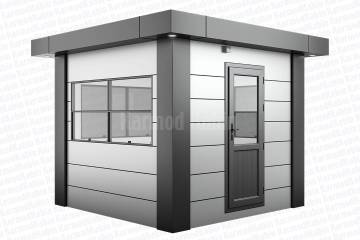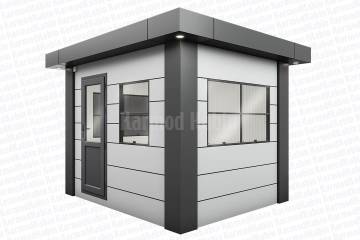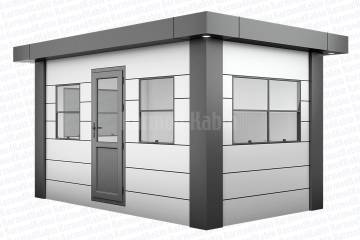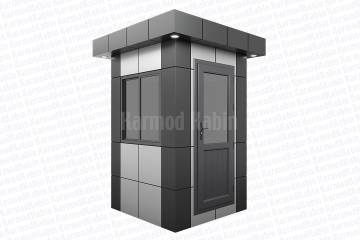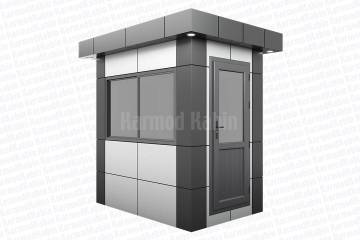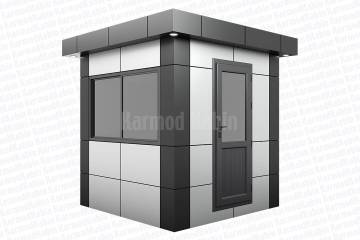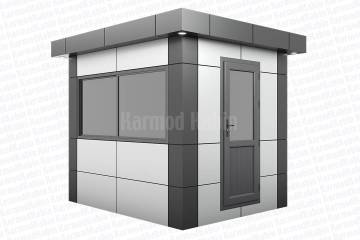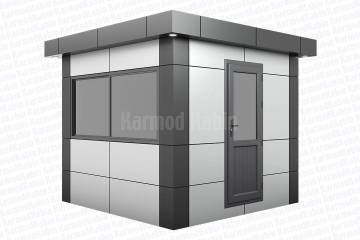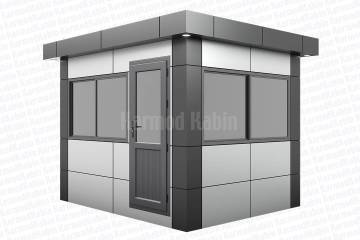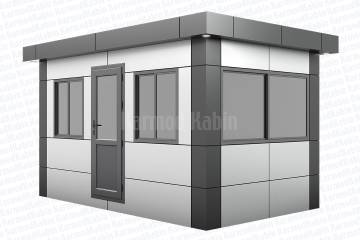

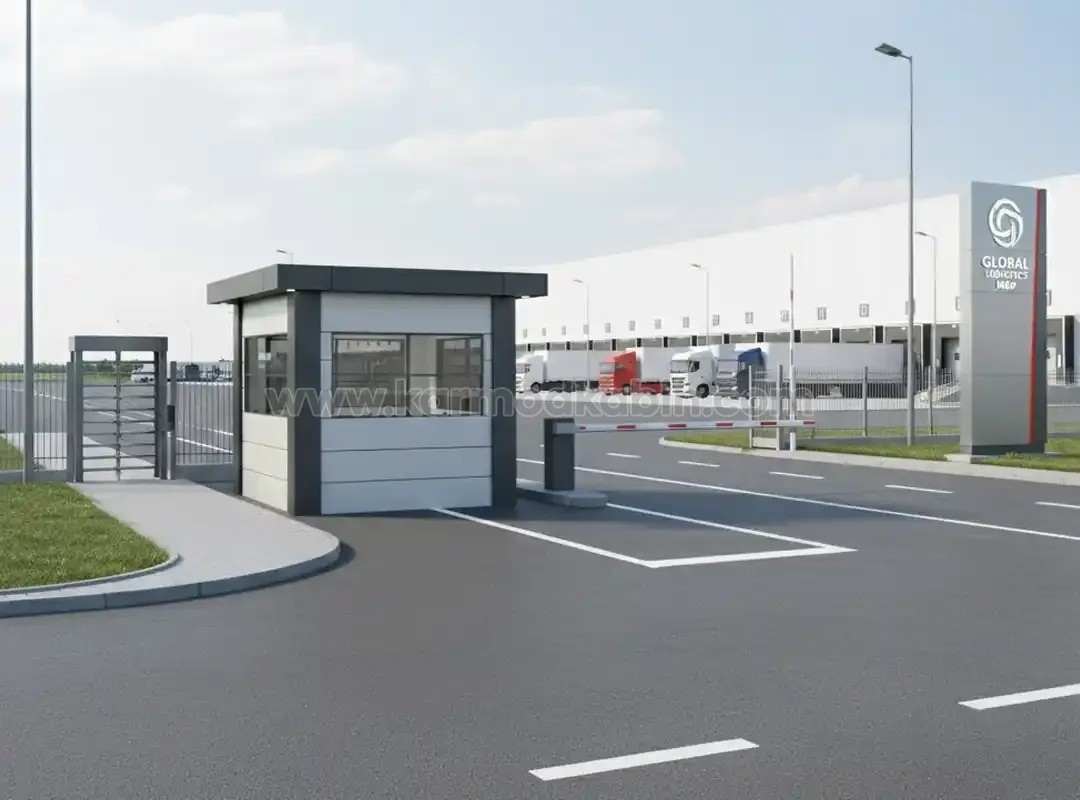
In any secure facility - whether it’s an industrial site, logistics hub, or commercial compound - the positioning of guard huts plays a decisive role in maintaining safety, control, and efficiency. A well-placed guard hut ensures that every person and vehicle entering or exiting the premises is monitored, recorded, and authorized without causing unnecessary delays. It’s not just about having guards on site; it’s about placing them where visibility, accessibility, and communication are maximized.
Proper placement also helps streamline operational flow. By strategically positioning guard huts at key checkpoints, companies can minimize congestion, reduce security blind spots, and improve coordination between different entry and exit zones. The result is a site that not only feels secure but also operates more smoothly - protecting assets while keeping day-to-day operations efficient and professional.
Placing guard huts may seem like a simple step, but in reality, it defines the entire security structure of an operation. A strategically located hut ensures that guards can observe all key activity zones - from vehicle checkpoints to pedestrian gates - without blind spots or communication barriers. When the cabin is positioned with foresight, it strengthens both surveillance capability and operational control, ensuring that every entry or exit is validated in real time.
Strategic placement also minimizes vulnerabilities. A well-thought-out layout creates a balance between visibility, accessibility, and deterrence. Guards stationed in the right locations can respond faster to incidents, manage congestion, and coordinate better with other security units. Whether it’s an industrial facility or a large logistics yard, strategic hut placement transforms security from a reactive task into a proactive, organized system - one that protects assets and people efficiently while keeping workflow uninterrupted.
Before deciding where to install guard huts, it’s crucial to understand how people, vehicles, and goods move through the facility. Every industrial or commercial site has its own traffic rhythm, and ignoring this pattern can lead to congestion, delays, and blind spots in surveillance. By carefully studying entry and exit flow, companies can position guard huts for maximum visibility and operational convenience.
When assessing traffic flow, the following factors should be evaluated:
By analyzing these elements, facilities can achieve a well-structured access system that enhances both security efficiency and on-site organization.
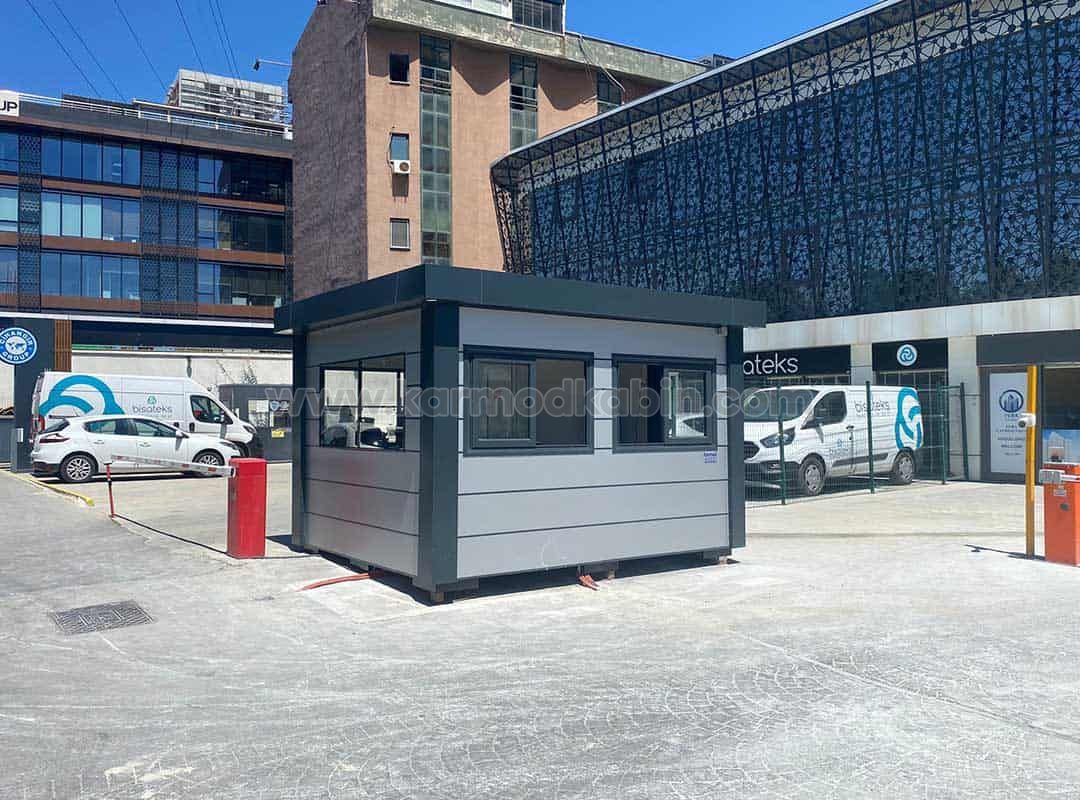
Visibility is everything in site security. A guard hut must be positioned where the line of sight covers all key entry and exit points, minimizing blind spots that intruders could exploit. The goal is to create a 360-degree observation zone - where guards can monitor both pedestrian and vehicle movements while maintaining quick communication with control centers. A strategically located hut not only improves detection but also reduces reaction time in emergencies or suspicious incidents.
Response efficiency is equally dependent on proximity and accessibility. A hut placed too far from main activity zones may delay guard intervention, while one placed too close to traffic can cause congestion or distraction. The balance lies in locating huts within visible yet protected areas - ideally near intersections, gatehouses, or surveillance clusters. When visibility and access are optimized together, guards can act fast, coordinate better, and maintain uninterrupted control even during peak operational hours.
Modern guard huts are more than just physical checkpoints - they are intelligent command nodes that connect seamlessly with advanced security technologies. To maximize performance, each hut should be integrated into the facility’s overall surveillance and access control ecosystem, allowing guards to monitor, verify, and respond instantly to any situation.
Here are some essential systems to integrate for maximum efficiency:
When these elements are synchronized, the guard hut transforms from a static structure into a smart surveillance unit - one that not only observes but also commands. This integration improves both security precision and operational fluidity across the entire site.
Every facility type has unique operational dynamics, and the placement of guard huts must adapt accordingly. In factories, where workers, suppliers, and logistics teams move continuously, huts should be positioned near main gates and delivery zones to control both pedestrian and vehicle entry. Placing one near the employee parking area also ensures smoother management of daily attendance and visitor checks.
In warehouses and distribution centers, where large trucks and forklifts operate throughout the day, guard huts should oversee loading bays and perimeter entrances. These are critical areas for theft prevention and access tracking. Meanwhile, in construction sites or temporary projects, portable guard huts offer the flexibility to relocate as the work area expands or shifts - maintaining constant visibility over changing access points.
Adapting placement strategies to each site type guarantees optimal efficiency and safety. When every movement is monitored from the right angle, companies create a seamless balance between security oversight and operational convenience.
Even the best-designed guard huts can lose effectiveness if they’re placed incorrectly. Many facilities unintentionally compromise their security by overlooking key planning details during installation. Recognizing these errors early helps ensure a system that functions flawlessly and efficiently.
Here are some of the most frequent placement mistakes - and how to avoid them:
Avoiding these pitfalls ensures that every guard hut operates as a strategic component of the site’s overall security network, not just a checkpoint.
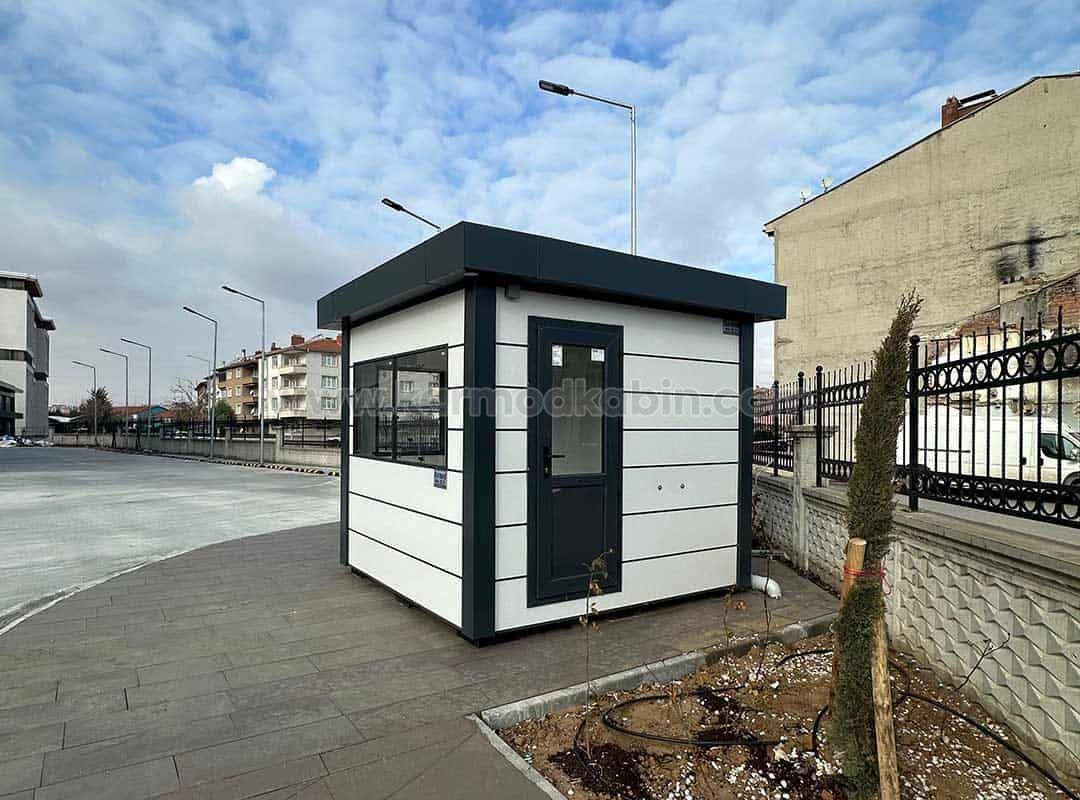
A well-positioned guard hut doesn’t just improve security - it streamlines the entire workflow of an industrial or commercial site. When guards have a clear view of traffic, gates, and loading zones, they can guide vehicles efficiently, verify access faster, and reduce unnecessary waiting times. This coordination enhances productivity, ensuring that trucks enter, unload, and exit in an organized sequence without causing bottlenecks or confusion at critical points.
Smart positioning also has a direct impact on worker safety. By monitoring high-traffic areas, guards can intervene quickly in case of accidents, unauthorized entry, or safety breaches. Placing huts near intersections or areas where machinery operates helps prevent collisions and improves overall awareness on site. With thoughtful planning, guard huts become more than just observation points - they evolve into operational hubs that maintain order, protect people, and optimize movement across the facility.
Partnering with a professional manufacturer is the smartest way to ensure your guard hut placement strategy performs at its best. When you buy directly from experienced producers, you gain access to customized, durable, and precisely engineered structures that perfectly fit your site layout and security plan.
Here’s why purchasing directly from us gives your facility a real advantage:
Contact us today to order your custom-designed guard hut and optimize your facility’s entry and exit control. Our precision-built cabins combine strength, comfort, and strategic functionality - ensuring your security setup works smarter, not harder.

Leading manufacturer in modular cabin since 1986.
 EN
EN