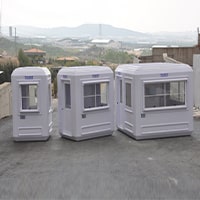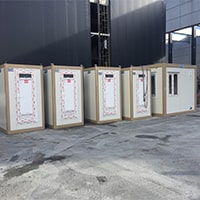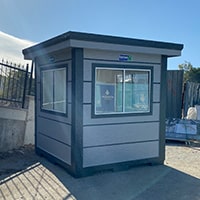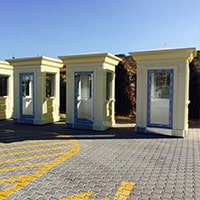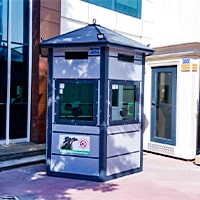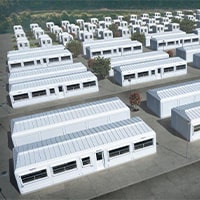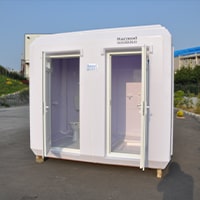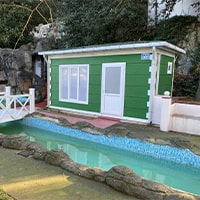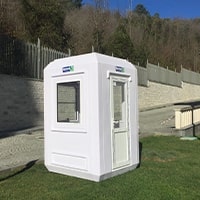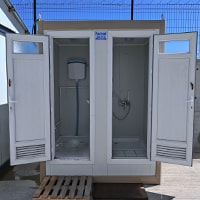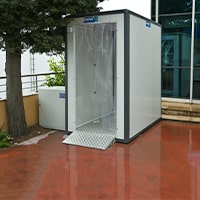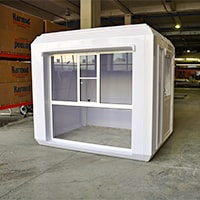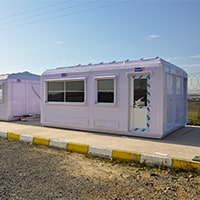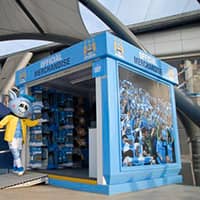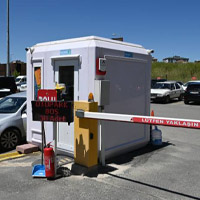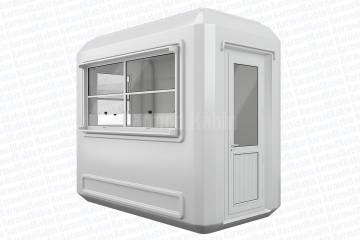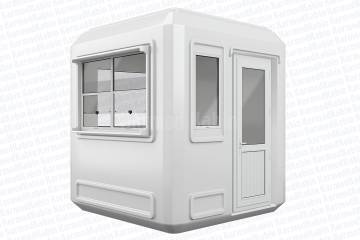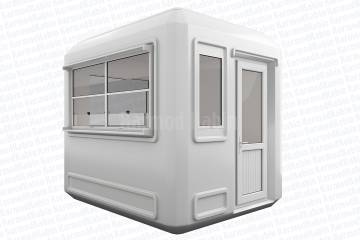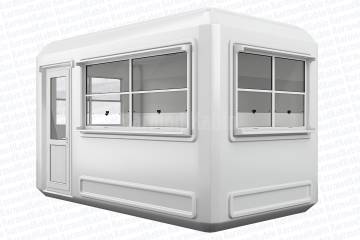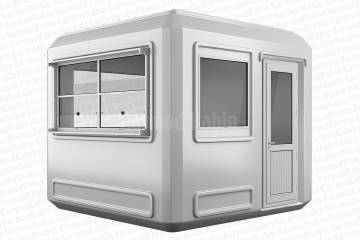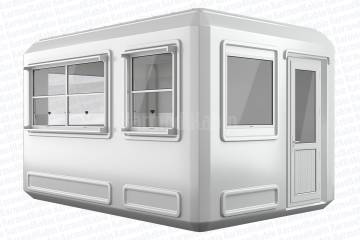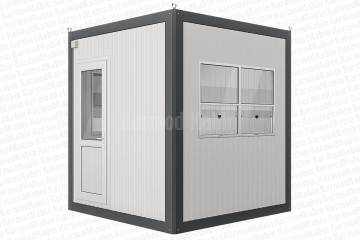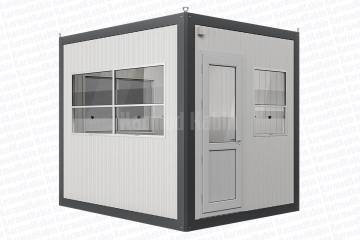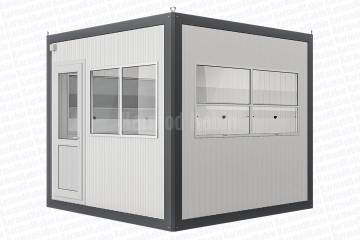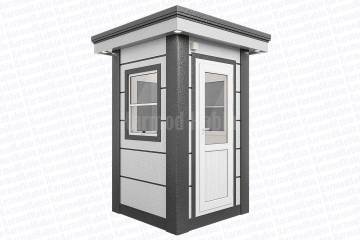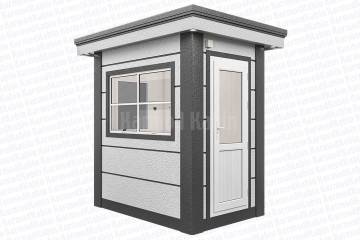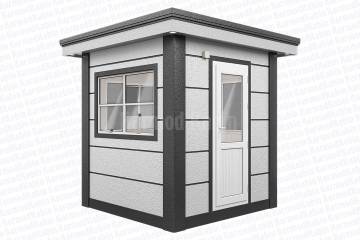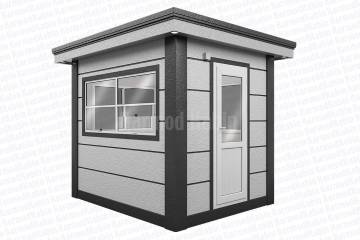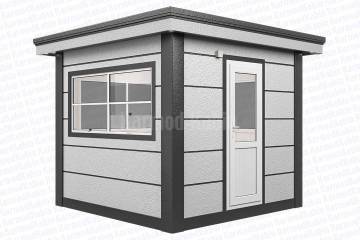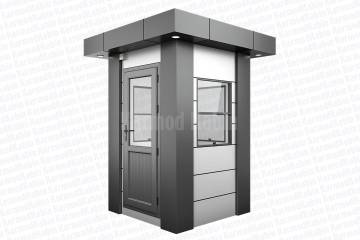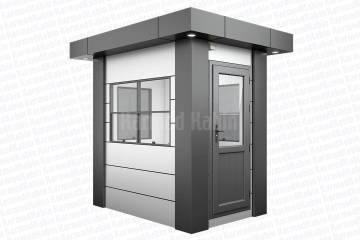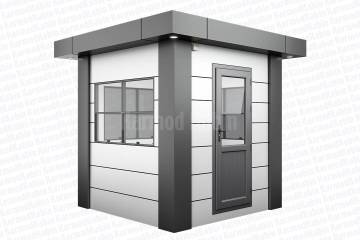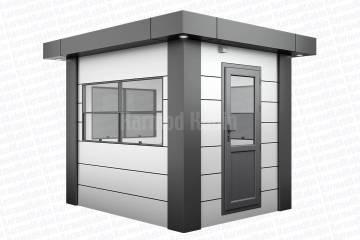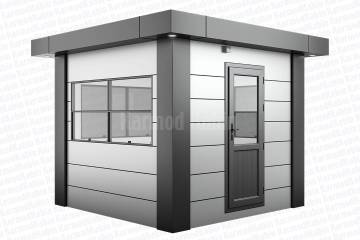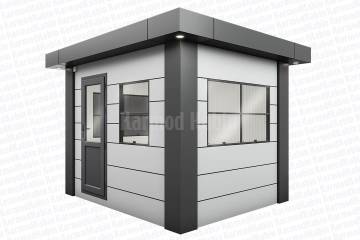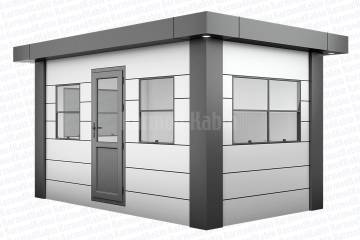

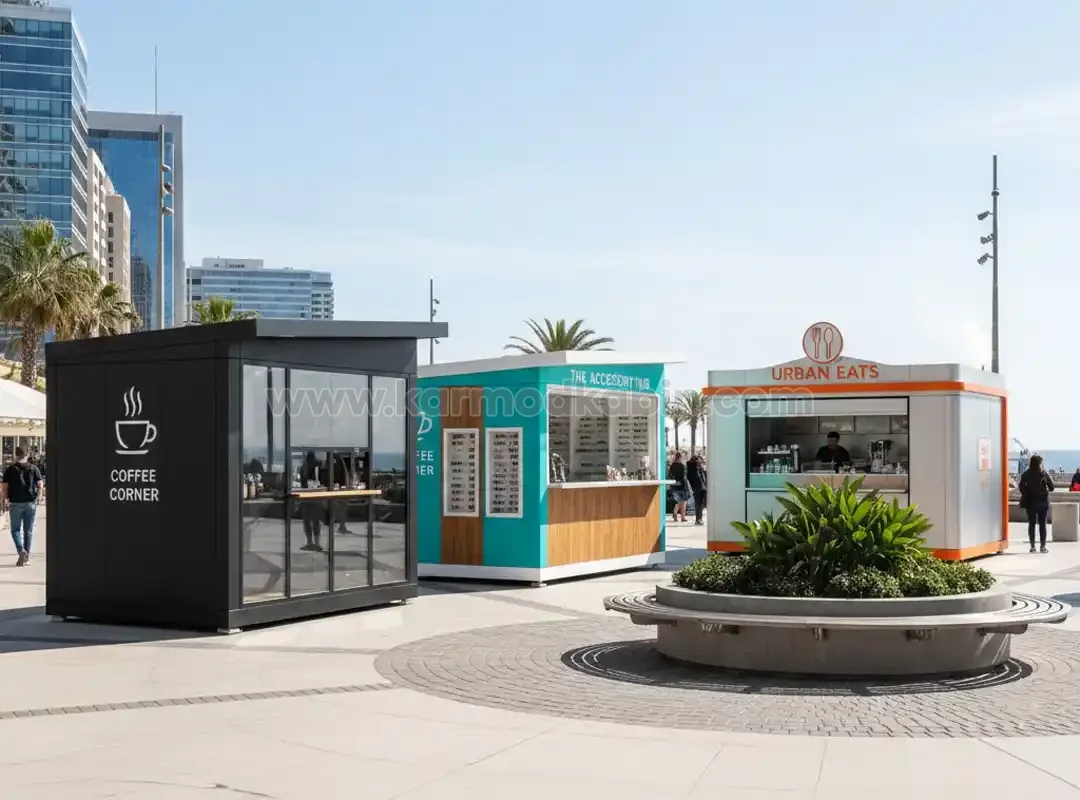
In today’s fast-paced business world, portable kiosks have become one of the smartest and most flexible ways for small entrepreneurs to launch their ventures. Instead of committing to expensive shop rentals or long construction periods, business owners can now start operations within days using modular, ready-made kiosk units designed for efficiency and style.
Portable kiosks allow you to bring your business directly to your audience - whether that’s a shopping mall, seaside promenade, festival area, or gas station forecourt. Their lightweight and mobile design makes them ideal for testing markets, expanding into new locations, or even operating seasonally. For first-time entrepreneurs, this model represents the perfect blend of low risk, fast setup, and professional image.
The global trend toward flexible retail and service models has made kiosks the go-to solution for 2025’s small business movement. From food and beverage concepts to boutique retail or digital service points, the kiosk business model empowers entrepreneurs to own, move, and grow their brands with minimal overhead and maximum impact.
For many aspiring business owners, the biggest challenge isn’t finding a great idea - it’s finding an affordable way to bring that idea to life. Portable kiosks offer the perfect solution: they eliminate the heavy costs of renting or constructing a traditional shop while providing all the essentials needed to start selling immediately.
A modern kiosk is a self-contained business unit - complete with electricity, lighting, insulation, and sometimes even water connections. It’s not just a booth; it’s a miniature store or café that can operate anywhere. Entrepreneurs can install them in high-traffic areas such as shopping centers, university campuses, stadium entrances, or community events, capturing immediate customer attention without large investments or long-term commitments.
What makes portable kiosks so appealing is their mobility and scalability. You can start small with a single kiosk, test your concept, and easily expand by adding more units once demand grows. This allows new entrepreneurs to minimize financial risk while maximizing exposure, making kiosks the ideal foundation for both short-term opportunities and long-term brand growth.
Running a business through a portable kiosk gives entrepreneurs access to professional retail visibility without the usual expenses or risks. These compact structures are designed for efficiency, versatility, and return on investment - which is why they’ve become a go-to business model for 2025’s small business owners.
Here are some of the main advantages that make portable kiosks so popular among new entrepreneurs:
These advantages make portable kiosks one of the most cost-effective and flexible retail solutions available today - empowering entrepreneurs to grow fast while staying financially agile.
Portable kiosks have redefined what “starting a business” means - they fit seamlessly into nearly any industry that values mobility, low costs, and visibility. Their adaptability allows entrepreneurs to enter markets that once required significant capital, and 2025 has seen a major boom in these sectors.
Here are some of the most successful industries where portable kiosks are driving entrepreneurial growth:
Because kiosks can adapt to various layouts and utilities, they offer limitless opportunities for creative entrepreneurs - anyone with a solid idea and passion can bring it to life quickly and professionally.
Selecting the correct kiosk model is one of the most important decisions when starting your portable business. Your kiosk’s size, layout, and functionality should align perfectly with your brand identity, operational needs, and target audience. A good kiosk doesn’t just hold your products - it becomes your business’s visual ambassador, representing quality and professionalism wherever it’s placed.
Before deciding, consider these key factors:
Choosing the right model means balancing practicality, presentation, and profitability. With the correct design, your kiosk becomes more than a sales point - it becomes a mobile storefront that attracts attention and delivers consistent returns.
Before launching your kiosk business, it’s crucial to understand the legal framework and local regulations that govern portable commercial units. While portable kiosks are easier to deploy than traditional shops, they still require compliance with municipal laws, zoning permissions, and health or safety standards depending on your business type and location.
Here are the most common legal aspects new entrepreneurs should review:
Complying with regulations not only prevents fines or shutdowns but also helps your brand appear professional and trustworthy. Partnering with experienced kiosk manufacturers can simplify the process, as they often provide guidance and models already designed to meet regional compliance standards.
In a competitive marketplace, your kiosk’s design and branding are what attract customers before a single word is spoken. The right look can instantly communicate professionalism, creativity, and trust - turning your small structure into a powerful marketing tool.
Designing a successful kiosk means combining functionality with visual appeal. Every element, from materials to lighting, should reflect your business’s identity and values. A well-designed kiosk not only supports daily operations but also helps customers remember your brand long after they’ve walked away.
Key design and branding elements to focus on:
An eye-catching kiosk doesn’t just sell products - it builds recognition. When combined with a thoughtful layout and cohesive branding, it becomes a miniature storefront with big impact, helping your business stand out wherever it’s placed.
Starting a kiosk business in 2025 offers one of the best investment-to-return ratios for small entrepreneurs. With minimal setup costs and fast revenue potential, portable kiosks deliver profitability much faster than traditional brick-and-mortar stores. Understanding the cost structure and ROI timeline will help you plan your business with confidence and clarity.
The total cost of launching a portable kiosk depends on the model, size, materials, and equipment. On average:
Most kiosk businesses start generating income within the first few months of operation. A well-located and effectively branded kiosk can recover its initial cost in 6–12 months, depending on traffic and pricing strategy. The modular nature of kiosks also allows entrepreneurs to expand quickly by replicating a successful model in other locations, maximizing return potential.
Because kiosks are portable, they retain residual value - meaning you can resell or repurpose the structure if your business pivots. This makes them one of the safest and smartest physical investments for small entrepreneurs entering the 2025 market.
One of the greatest advantages of operating a portable kiosk business is the freedom to adapt - whether that means expanding into new markets or moving to a better location. Unlike fixed stores, kiosks give entrepreneurs complete mobility and scalability, allowing the business to grow step by step without major financial risk.
Once your first kiosk proves profitable, expansion becomes easy and affordable. You can replicate your concept by ordering identical units or diversify your product range using different kiosk models.
Effective scaling strategies include:
If your current spot doesn’t attract enough customers, relocation is fast and cost-effective. Prefabricated kiosks can be lifted by forklift or crane and transported anywhere with minimal setup time. This flexibility means you can chase opportunity instead of waiting for it - a major advantage over traditional retail spaces.
Whether you’re scaling across regions or simply repositioning for better foot traffic, your kiosk’s portability ensures your business remains agile, adaptable, and profitable in any economic climate.
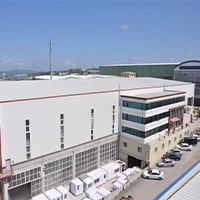
Success in the kiosk business begins with choosing a reliable manufacturer who understands both design aesthetics and functional performance. A professionally built kiosk is more than a simple structure - it’s a strategic business tool designed to attract customers, operate efficiently, and withstand years of outdoor use.
When you partner with experienced manufacturers, you gain access to customizable retail kiosk solutions made from high-quality materials such as galvanized steel, composite panels, and tempered glass. These structures are designed for long-term durability, featuring insulated walls, weatherproof finishes, and plug-and-play systems that make setup simple. Whether you’re opening a coffee corner, retail booth, or mobile service point, expert producers can tailor every aspect - from size and window placement to color and signage - to your brand identity.
Why buy directly from trusted manufacturers:
Investing in a factory-built kiosk from a trusted source ensures that your business starts strong, looks professional, and grows sustainably. Contact us today to design your own kiosk - built for your concept, your location, and your success.
Leading manufacturer in modular cabin since 1986.
 EN
EN