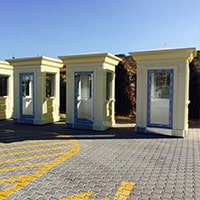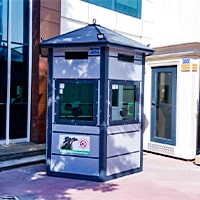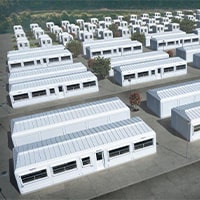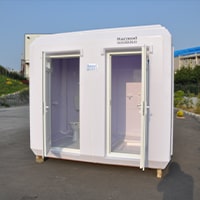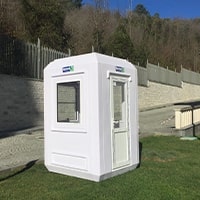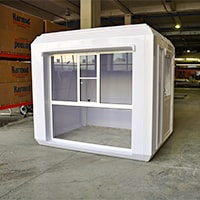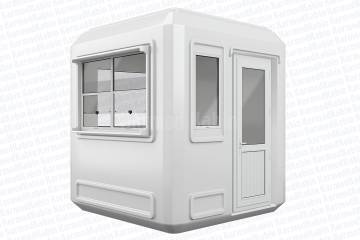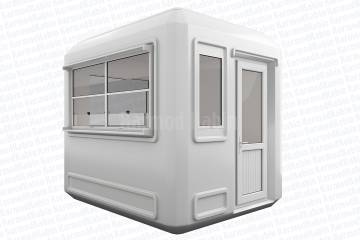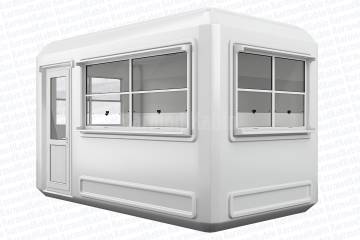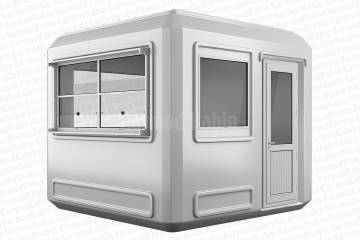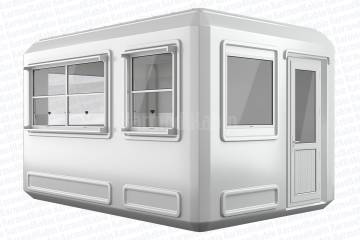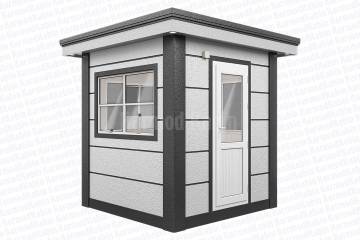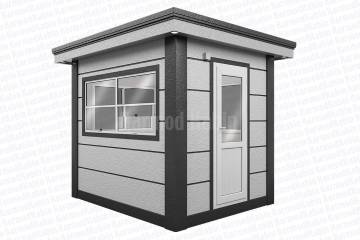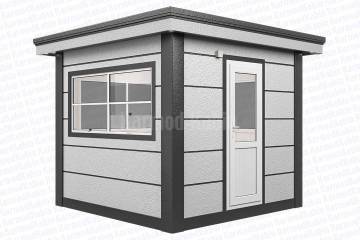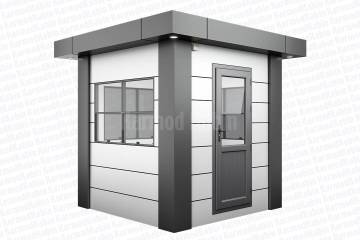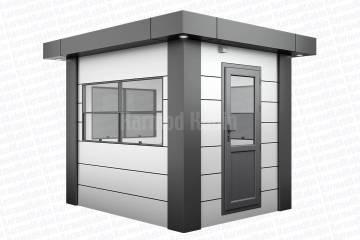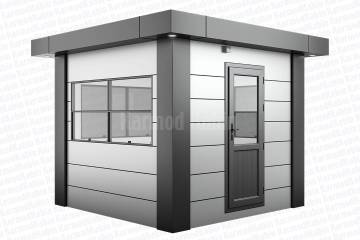

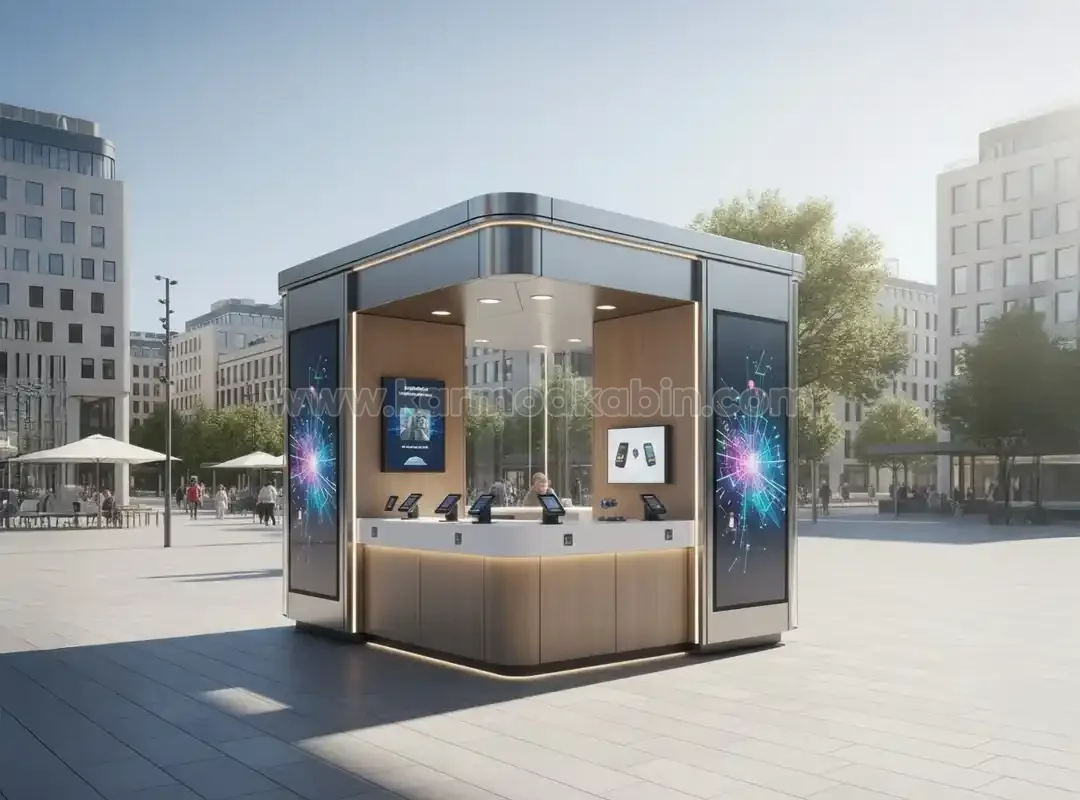
In the fast-changing world of retail, adaptability and innovation define success. Consumers today expect convenience, speed, and a seamless shopping experience - and that’s exactly what retail kiosks deliver. These compact yet powerful sales units are transforming how brands connect with customers, offering a flexible and cost-effective way to increase visibility and boost sales. Whether used in malls, airports, train stations, or outdoor events, retail kiosks create direct engagement with shoppers while reducing operational costs compared to traditional storefronts.
Retail kiosk solutions are not just temporary points of sale - they are strategic business tools. Equipped with modern design, digital screens, and contactless payment systems, these kiosks allow brands to reach high-traffic areas where consumers make fast purchasing decisions. For startups, they represent an affordable entry point into competitive markets; for established retailers, they act as an agile extension of existing stores. The result is greater brand exposure, more impulse purchases, and measurable sales growth.
Retail kiosks have become a cornerstone of modern shopping culture. As customer habits evolve toward quick and accessible purchasing, these modular structures meet the demand for convenience and immediacy. They bridge the gap between online and offline shopping by offering a physical space where customers can touch, test, and instantly purchase products without needing a large retail footprint.
For businesses, retail kiosks serve as high-impact marketing platforms. They allow brands to display limited collections, launch seasonal promotions, or test new markets with minimal investment. The mobility of kiosks also makes it possible to relocate them easily - for instance, moving from a mall during winter to an outdoor festival in summer. This flexibility allows retailers to maintain constant engagement with their audience and respond swiftly to shifting consumer trends.
Customer experience has become the heart of modern retail, and kiosks are one of the most effective ways to create meaningful, engaging, and fast interactions with shoppers. Unlike traditional stores that require longer browsing and queuing times, retail kiosks simplify the process - they allow customers to explore, choose, and purchase within minutes. This sense of immediacy not only satisfies today’s fast-paced consumer behavior but also increases the likelihood of impulse buying.
Well-designed kiosks enhance the shopping journey by offering clarity, accessibility, and comfort. Clear product displays, intuitive touch screens, and easy-to-navigate layouts help customers find what they want without needing assistance. Digital integration also plays a major role: interactive screens can provide real-time promotions, inventory information, or personalized recommendations based on browsing history. This creates a bridge between the convenience of online shopping and the tangible satisfaction of in-person retail.
Moreover, retail kiosks can be customized to reflect the brand’s identity - through lighting, colors, and signage - creating a memorable impression that encourages repeat visits. When a customer experiences a smooth transaction in a compact, aesthetically pleasing environment, they associate that efficiency and trust with the brand itself. Over time, this positive connection builds loyalty, transforming a single purchase into an ongoing relationship between the brand and its audience.
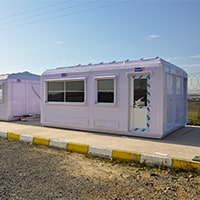
Retail kiosks come in a variety of models, each designed to serve specific business goals and customer needs. From compact vending-style units to large walk-in modular showrooms, these kiosks can be adapted to virtually any retail environment. The right kiosk model depends on the type of products being sold, the target audience, and the location where it will operate. By choosing the right configuration, businesses can maximize visibility, functionality, and profitability.
These kiosks empower customers to make purchases, payments, or product inquiries independently. Commonly used by telecom providers, quick-service restaurants, and ticketing services, self-service kiosks reduce waiting times and staff requirements while improving operational efficiency.
Designed for engagement and brand storytelling, digital kiosks feature touch screens, LED displays, and multimedia content. They are ideal for electronics brands, beauty retailers, or any business that benefits from visual interaction. Customers can explore product catalogs, watch tutorials, or even place online orders through the kiosk.
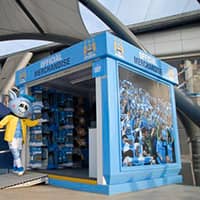
Perfect for seasonal sales, new product launches, or market testing, pop-up kiosks combine flexibility with visual impact. They are often modular and mobile, allowing relocation between malls, airports, and outdoor venues.
These kiosks are designed to showcase specific products or collections, especially in cosmetics, jewelry, or tech accessories. Their goal is not only to drive sales but also to enhance brand visibility and attract passersby through eye-catching design.
Every kiosk type plays a unique role in the retail ecosystem, offering different ways to engage customers and expand business reach. By identifying which model aligns best with your brand’s objectives, you can create a stronger presence and convert casual interest into consistent sales growth.
The success of a retail kiosk begins with design - not only its appearance but how it functions to attract, engage, and convert customers. In high-traffic retail spaces, a kiosk must stand out visually while offering an effortless shopping experience. Clean lines, strategic lighting, accessible counters, and modern materials such as glass, aluminum, and composite panels create a premium aesthetic that communicates professionalism and trust. A visually appealing kiosk immediately captures attention and invites interaction, making it a silent yet powerful salesperson.
Beyond aesthetics, technology integration has become a defining factor in retail kiosk performance. Interactive screens, digital catalog systems, and smart sensors allow customers to browse products, customize orders, and make payments within seconds. These systems can also collect data on customer preferences, helping businesses adapt their offerings based on real-time behavior. Contactless payment options and integrated inventory software streamline transactions, reducing waiting times and ensuring smoother service.
Technology also supports personalized marketing. For example, digital signage can display promotions based on the time of day or customer demographics. Smart lighting and motion sensors can adjust brightness as customers approach, creating a more dynamic and engaging atmosphere. Combined with Wi-Fi connectivity and mobile app integration, these features transform an ordinary kiosk into an intelligent retail hub that delivers both convenience and brand innovation.
By merging thoughtful design with advanced technology, retail kiosks become more than just sales points - they evolve into complete customer engagement systems. This combination enhances brand image, builds loyalty, and directly drives sales performance.
Choosing the right location for a retail kiosk is one of the most critical decisions in maximizing sales and return on investment. Unlike permanent stores, kiosks rely heavily on foot traffic and visibility - every passerby is a potential customer. A kiosk’s success often depends less on its size and more on its strategic positioning within the environment. High-traffic areas such as shopping malls, airports, train stations, and busy plazas provide constant exposure to new audiences, increasing brand recognition and spontaneous purchases.
However, effective location strategy is not just about crowd density - it’s about matching the right audience to the right product. For example, a tech-accessory kiosk thrives near electronics stores or business hubs, while a beauty or fashion kiosk performs best in areas frequented by lifestyle-conscious shoppers. Understanding demographic data, purchasing habits, and seasonal patterns helps determine the best placement and operating hours.
Retailers should also consider the logistical and environmental conditions of the site. Adequate lighting, reliable power supply, weather protection, and accessibility all contribute to performance. For outdoor kiosks, additional factors like wind resistance, temperature control, and waterproofing become essential for uninterrupted operation.
Ultimately, the key is flexibility. Modular kiosk designs can be easily relocated or adjusted based on performance metrics, allowing retailers to experiment with different locations until they find the most profitable one. This adaptability gives businesses a competitive advantage, ensuring they are always where the customers are - ready to sell, engage, and grow.
In the age of digital transformation, seamless integration between retail kiosks, payment systems, and inventory management is essential for operational efficiency and customer satisfaction. Today’s shoppers expect quick, secure, and flexible payment options - from traditional credit cards to mobile wallets and contactless transactions. A well-equipped kiosk supports all of these methods, ensuring that no sale is lost due to limited payment functionality.
Integrating digital payment systems also enhances trust and convenience. Customers appreciate smooth transactions without the need for cash or manual receipts, while retailers benefit from faster service and reduced risk of error. Advanced kiosks now include real-time transaction tracking, digital invoicing, and connectivity with cloud-based accounting systems, simplifying financial management and reporting.
Equally important is the integration of inventory control systems. Modern retail kiosks can automatically sync sales data with back-end stock management platforms. When an item is sold, the system updates inventory levels instantly, allowing retailers to track performance, prevent stockouts, and restock efficiently. Some models even support AI-driven analytics that predict demand patterns, helping businesses prepare for peak sales periods or promotional events.
This smart synchronization between payment and inventory systems creates a fully automated retail ecosystem - one that reduces human error, increases productivity, and delivers a superior customer experience. By embracing digital integration, retail kiosks become not just selling units but intelligent business tools that help brands operate more strategically, maximize revenue, and build long-term success.
Investing in modular retail kiosks has become one of the most strategic moves for businesses aiming to grow efficiently in today’s fast-paced retail environment. These modern, adaptable structures allow brands to enter new markets, engage customers directly, and operate with minimal overhead. Unlike traditional stores that demand long-term leases and high setup costs, modular kiosks provide flexibility, mobility, and measurable profitability.
They are designed for versatility - easy to install, relocate, and reconfigure according to seasonal or market needs. Retailers can use them to test new products, launch limited collections, or maintain visibility in high-traffic zones without committing to a permanent storefront. Their compact yet impactful presence makes them perfect for shopping malls, transportation hubs, and outdoor events.
Key advantages of modular retail kiosks include:
By combining flexibility, efficiency, and brand visibility, modular retail kiosks offer an ideal platform for scaling retail operations. They allow businesses to grow strategically, minimize risk, and adapt to evolving customer behaviors - all while keeping costs under control.
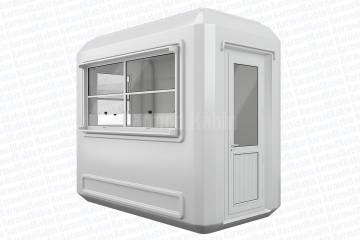
Launch your retail business faster with our modern, ready-to-use kiosk models - designed to attract customers and boost sales from day one. Each unit is manufactured with premium materials, practical layouts, and a sleek appearance that enhances your brand’s visibility in any location, from shopping malls to outdoor events.
When you buy directly from us, you save time and money while getting a kiosk that’s fully equipped, durable, and ready to operate immediately. We provide complete customization options, allowing you to choose the size, design, and branding that best represents your business. Buy directly from us and get your custom retail kiosk delivered ready to sell - fast, reliable, and built to perform.

Leading manufacturer in modular cabin since 1986.
 EN
EN