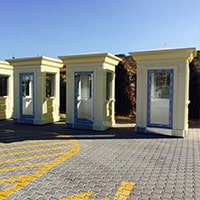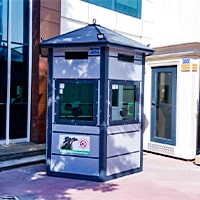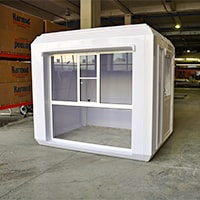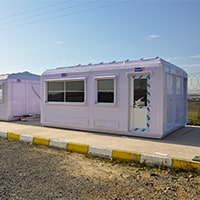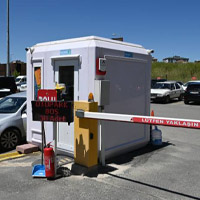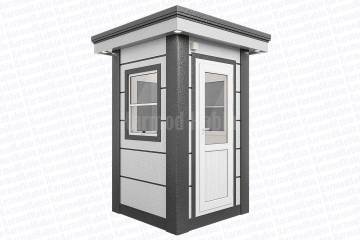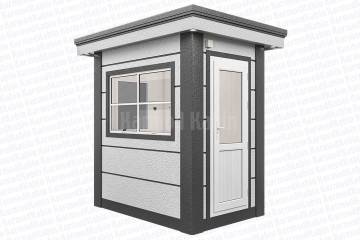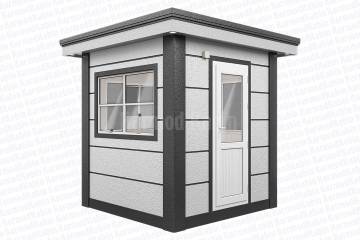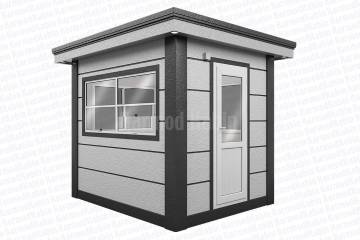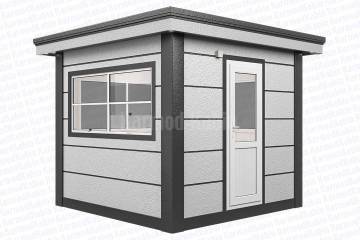

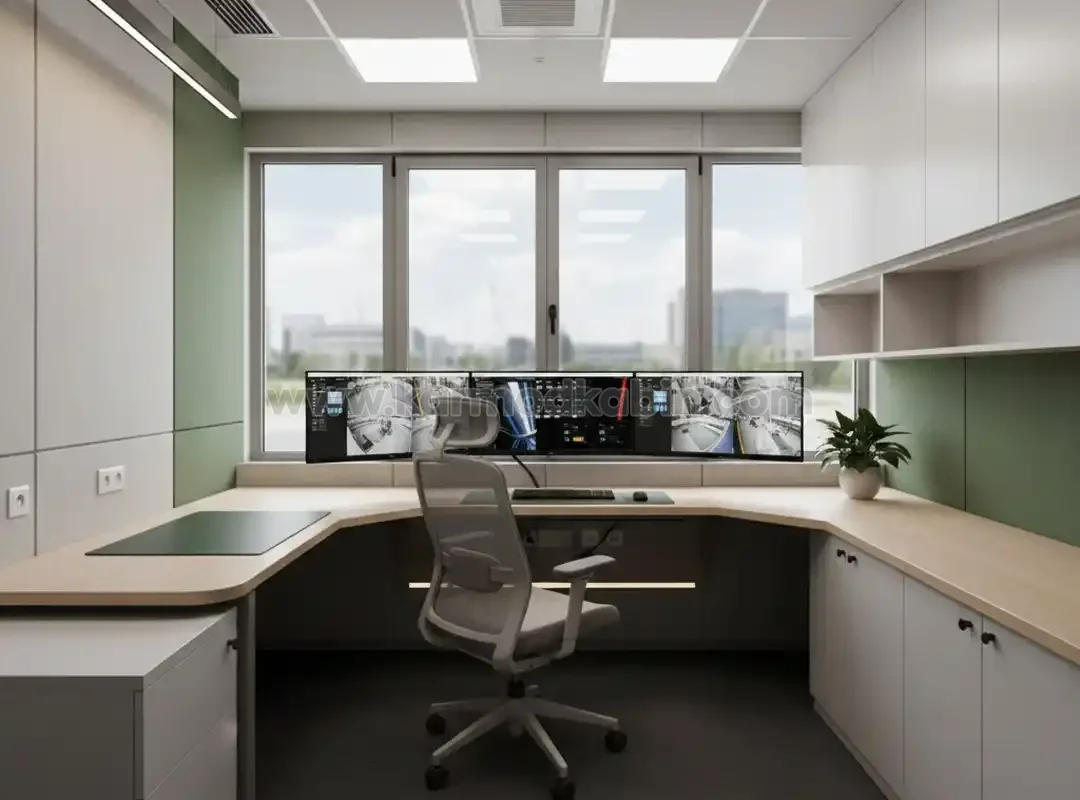
In the past, a guard hut was seen merely as a small shelter - a simple structure built to provide basic protection from rain, wind, and sun. But modern security infrastructure has redefined this concept entirely. Today’s modern guard huts are more than shelters; they are fully functional work environments that blend safety, ergonomics, and comfort into one efficient space. As the role of security personnel evolves, so does the importance of designing interiors that enhance focus, reduce fatigue, and support long-term performance.
The interior of a guard hut directly influences how effectively a security officer performs their duties. A poorly designed space can lead to discomfort, distraction, and a lack of concentration - factors that compromise both safety and productivity. In contrast, a thoughtfully planned interior layout, paired with ergonomic furniture, climate control, soundproofing, and modern lighting, transforms the guard hut into a professional workspace. A comfortable interior not only promotes well-being but also reflects an organization’s commitment to safety and operational excellence.
Guard huts have come a long way from their early industrial versions - small steel boxes with little more than a chair and a window. In the past, most were built solely for durability, without considering how interior space affected the guards who spent hours inside. However, as occupational health standards evolved and industries began to recognize the link between worker comfort and productivity, design philosophy shifted. Modern guard huts are now conceived as miniature offices rather than temporary shelters.
Contemporary designs incorporate principles from architecture and human-centered design. Each surface, corner, and material choice serves a purpose: improving functionality, reducing stress, and ensuring that even small spaces feel organized and breathable. The inclusion of insulation, air circulation systems, ergonomic seating, and layered lighting are not just luxuries - they are essentials. This new generation of guard huts merges industrial strength with interior sophistication, offering both safety and psychological comfort.
Security personnel spend long, uninterrupted hours inside these compact spaces - often in varying weather conditions and under demanding circumstances. Prolonged exposure to poorly ventilated or cramped environments can cause physical strain, headaches, and reduced alertness. The relationship between comfort and vigilance is direct: the more comfortable a guard feels, the sharper their focus and the better their response time.
Interior comfort involves more than temperature and seating - it’s a holistic concept that encompasses sound levels, visual stimulation, spatial organization, and air quality. A well-designed cabin provides balanced lighting, ergonomic posture support, and optimal temperature regulation, reducing stress and fatigue during long shifts. In studies across the security industry, improved cabin conditions have been linked to up to 30% better attention span and 25% lower error rates during surveillance operations. Comfort, therefore, is not just a matter of aesthetics; it is a measurable component of security effectiveness.
Space is the most valuable commodity inside a guard hut. A standard unit typically ranges from 3 to 10 square meters, yet it must accommodate seating, equipment, control systems, and storage - all without creating clutter. Effective spatial planning ensures that every element inside serves a purpose while maintaining movement freedom and accessibility.
Designers use vertical wall-mounted storage, foldable workstations, and modular shelving systems to optimize functionality. Electrical systems, data cables, and lighting fixtures are integrated into walls and ceilings to free up floor space. Smart spatial design also considers visual flow: guards must have unobstructed sightlines to entry points, CCTV screens, and exterior surroundings. When every inch of interior space is planned with purpose, even a small hut can feel open, efficient, and professional.
Modern guard huts rely on a series of integrated design features that prioritize both operational needs and user comfort. These elements work together to create a workspace that feels balanced, durable, and human-centered:
Each feature contributes to the ultimate goal: creating a compact yet high-performing space where comfort fuels vigilance and productivity.
Ergonomics transforms the guard hut from a passive space into an active support system for the worker. Long shifts demand stability, flexibility, and adaptability - all achievable through ergonomic design. Adjustable desks, contoured seating, and cushioned flooring reduce the risk of fatigue, while proper screen placement prevents eye strain during continuous monitoring.
Beyond physical comfort, ergonomics also influences mental well-being. The positioning of furniture, lighting, and controls affects how secure and in-control the worker feels. Guards should be able to reach all operational tools - radios, alarms, intercoms - without unnecessary stretching or turning. This efficiency not only prevents injury but fosters confidence and reduces stress. When the workspace supports the natural posture and workflow of its occupant, the entire security process becomes smoother, safer, and more sustainable.
Proper lighting is one of the most underestimated aspects of security cabin design, yet it has a profound effect on alertness and precision.
Effective visibility ensures situational awareness - a core requirement for every guard hut. The combination of natural and artificial lighting creates an environment that keeps guards alert, accurate, and comfortable across all hours of operation.
A stable indoor climate directly affects physical comfort and concentration. Guard huts equipped with energy-efficient HVAC systems maintain a consistent environment regardless of external weather conditions. Wall insulation with a thermal conductivity (λ) value between 0.018–0.023 W/mK minimizes heat loss and reduces energy demand.
Airflow management is equally critical. Modern huts incorporate dual ventilation points - one near the ceiling for hot air release and another at floor level for fresh air intake. In hot climates, reflective roofing materials and UV-resistant coatings keep interior temperatures manageable. In colder regions, integrated convector heaters and double-sealed windows prevent heat leakage. High-grade filters (HEPA or activated carbon) also maintain air purity, crucial in polluted or industrial zones. When air and temperature are regulated correctly, guards can perform their duties comfortably for extended periods without strain or distraction.
Sound management plays a crucial role in maintaining focus and reducing mental fatigue. Modern guard huts employ advanced acoustic technologies to achieve quiet, distraction-free interiors:
Acoustic optimization transforms the hut into a focused workspace. A quiet environment enhances awareness, communication, and safety - especially during long overnight shifts where concentration naturally wanes.
Modern guard huts are equipped like mini control centers. Advanced designs integrate CCTV monitors, access control systems, intercoms, and communication networks within ergonomic desk panels. Electrical cabling is concealed behind walls, maintaining a clean and hazard-free environment.
Touchscreen panels and IoT systems now allow guards to control lighting, temperature, and even door locks with a single interface. Wireless connectivity enables real-time data sharing between the hut and central monitoring offices. With such integration, guard huts are no longer static shelters but intelligent workstations that combine human oversight with automated efficiency. Technology elevates the workspace into a connected ecosystem - efficient, modern, and highly responsive.
Beyond functionality, the visual and psychological atmosphere inside a guard hut profoundly affects morale. Clean lines, neutral colors, and organized layouts create calmness and focus. Light shades of grey, beige, or white reflect brightness, making interiors feel larger and more open. Accents in green or blue tones promote alertness while lowering stress.
Attention to material texture also matters: soft-touch finishes, anti-glare surfaces, and matte coatings contribute to visual comfort. A visually appealing cabin boosts professional image - not just for guards, but for visitors or clients who perceive order, safety, and attention to detail the moment they approach the structure.
The future of guard hut interiors lies in automation, adaptability, and sustainability. Designers are experimenting with modular furniture that adapts to different guard roles - from control monitoring to access management. Smart climate systems automatically adjust temperature and humidity based on occupancy, reducing energy use by up to 25%.
Additionally, sustainable materials are becoming a standard: low-VOC paints, recycled steel frames, and bamboo composite furniture improve both air quality and ecological performance. Soon, technologies like electrochromic glass (which adjusts transparency) and AI-driven comfort systems will redefine how security personnel experience their workspace - merging efficiency, health, and sustainability in perfect harmony.
Upgrade your security operations with a modern, ergonomic guard hut interior designed for maximum comfort, productivity, and long-term performance. Contact us today to create your customized workspace where advanced design meets everyday functionality.

Leading manufacturer in modular cabin since 1986.
 EN
EN