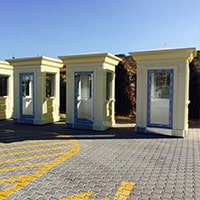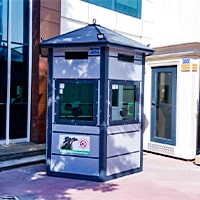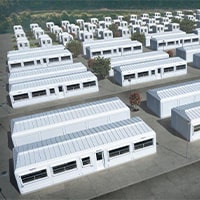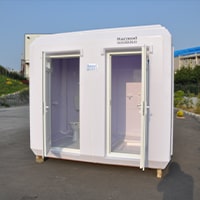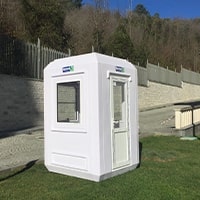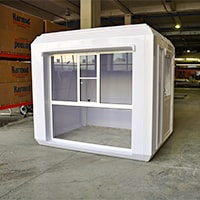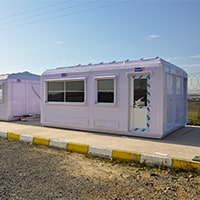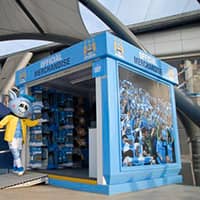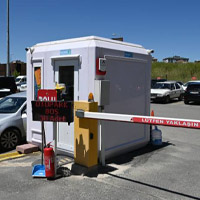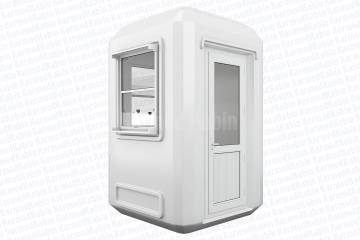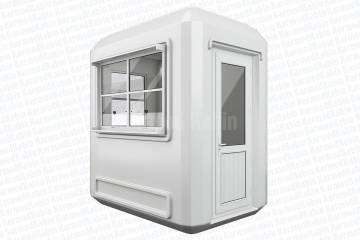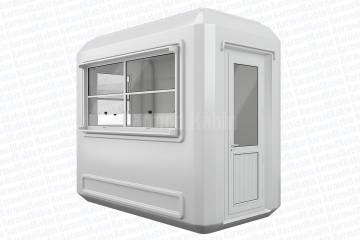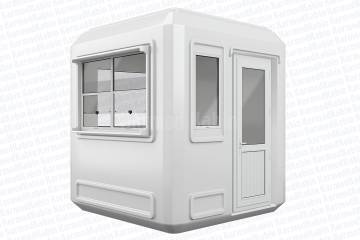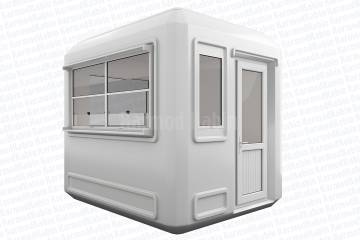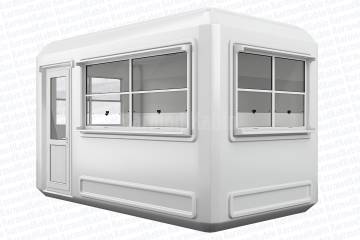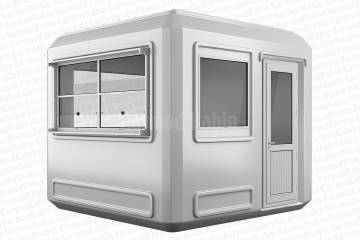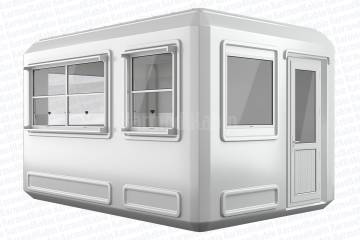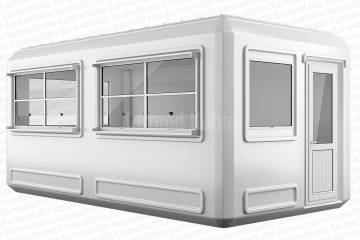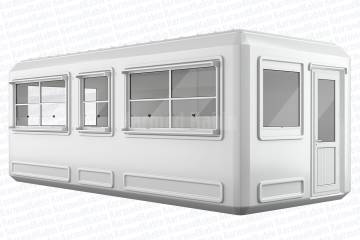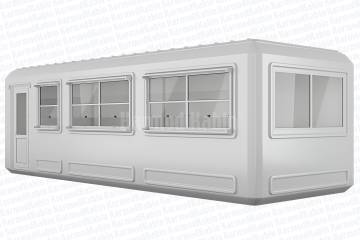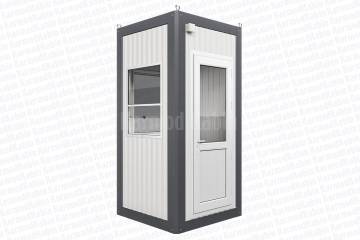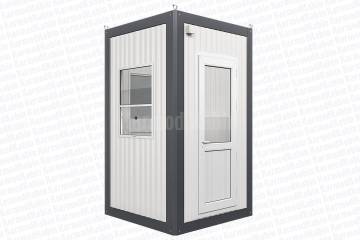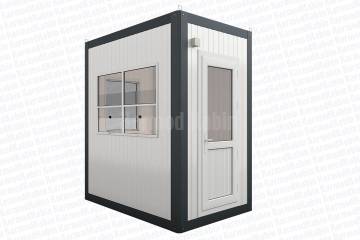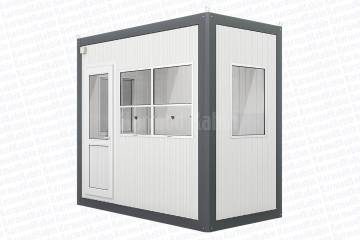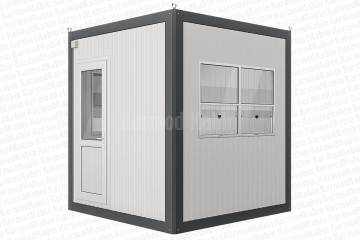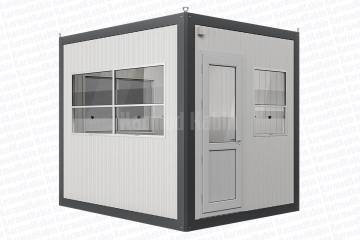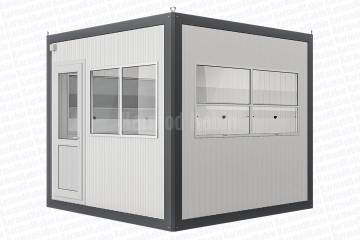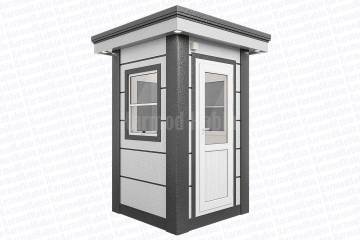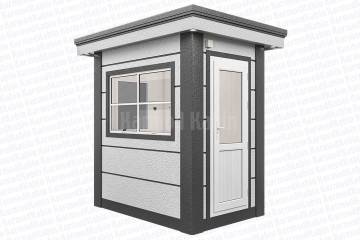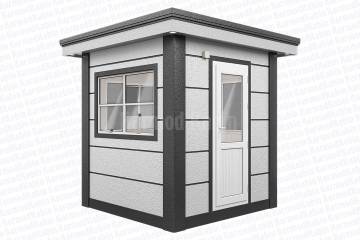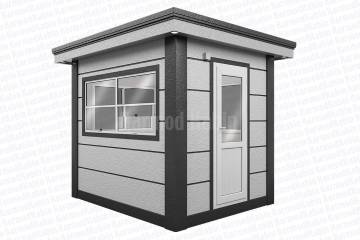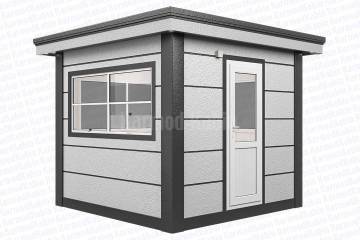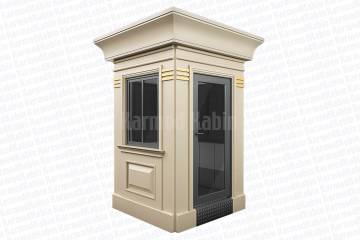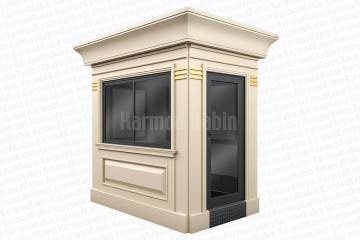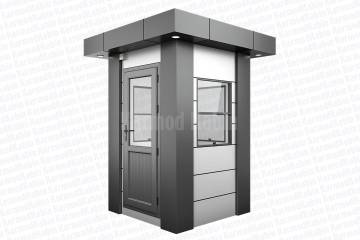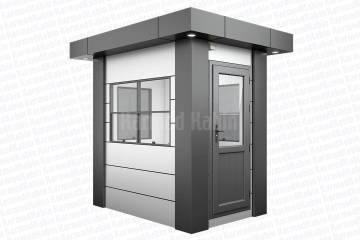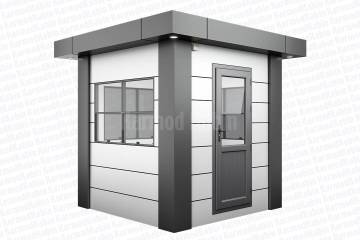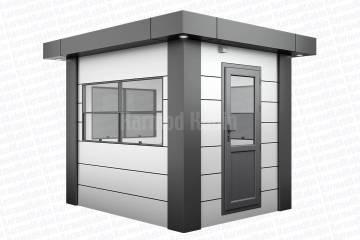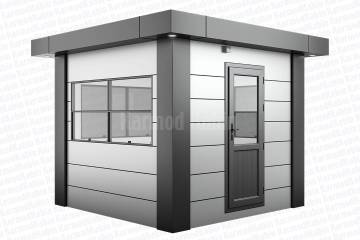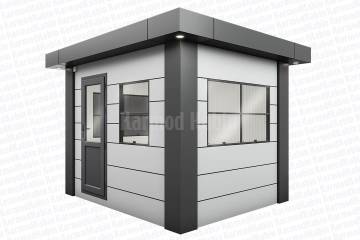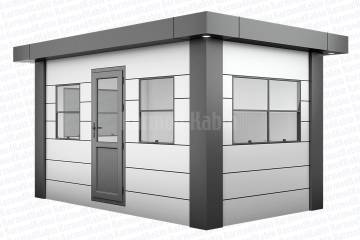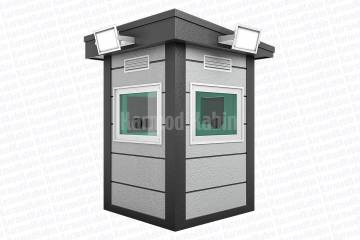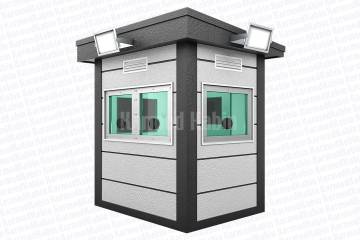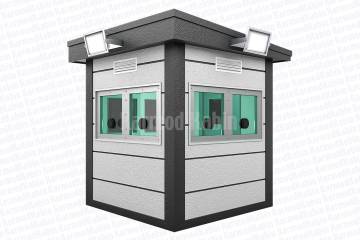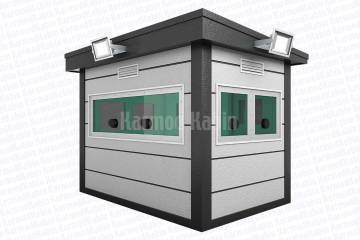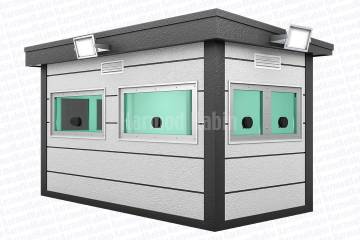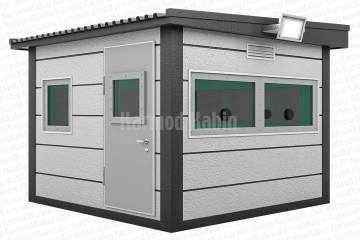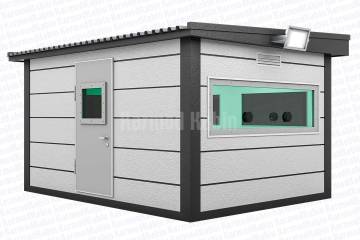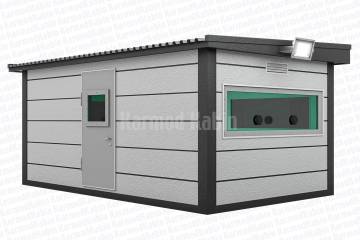

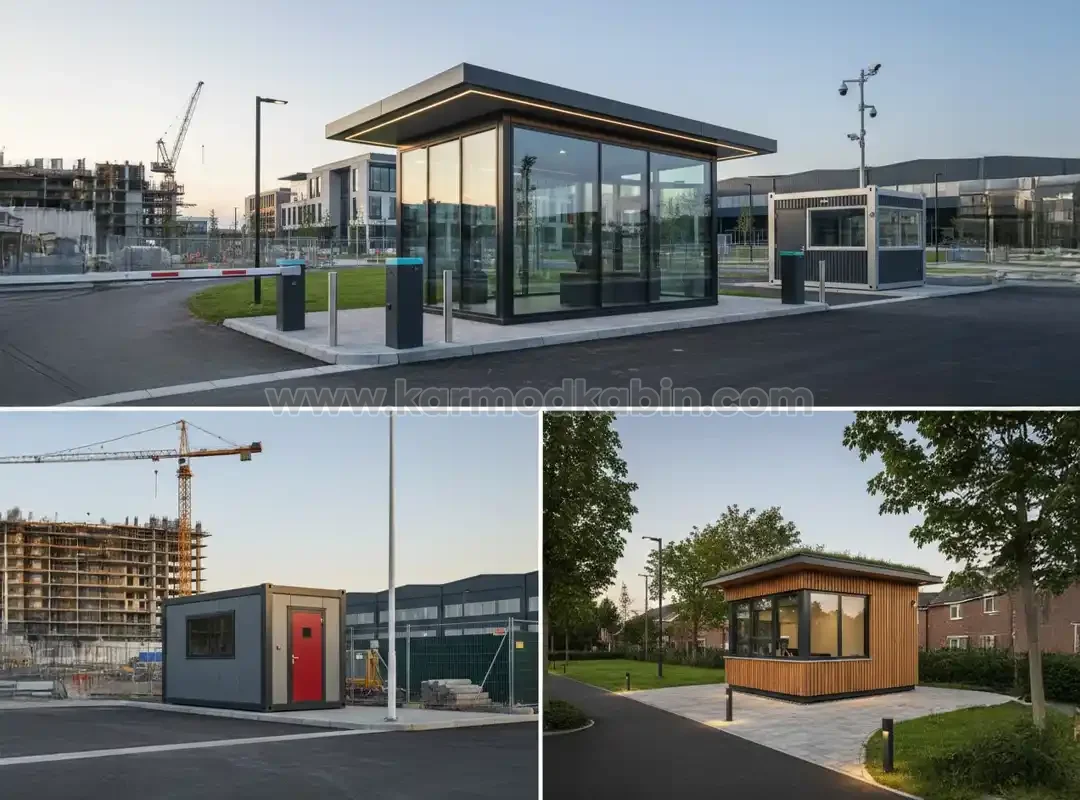
Security begins long before an incident occurs-it starts with design. A well-planned guard hut is not just a shelter for personnel; it’s the operational core of any protected site. From construction zones and industrial facilities to residential compounds and corporate entrances, the design of a guard hut determines how efficiently access is controlled and how confidently visitors perceive your organization’s safety standards.
Modern guard hut designs merge functionality with aesthetics. Using advanced materials, ergonomic layouts, and integrated security technologies, they offer both comfort and control. Whether you need a portable security cabin for a temporary project or a custom steel gatehouse for a permanent site, investing in smart, durable design ensures long-term performance, brand consistency, and most importantly-peace of mind.
Every security system starts with human presence, and the guard hut is where it all happens. It’s not just a small booth at the entrance-it’s the central observation and control point for the entire facility. When thoughtfully designed, a guard hut improves visibility, communication, and speed of response. A single second gained through a clear sightline or an ergonomic workstation can prevent an incident or stop unauthorized access before it escalates.
In addition to safety, design quality also shapes first impressions. Visitors, suppliers, and staff judge an organization’s professionalism from the moment they approach the gate. A modern, well-constructed guard hut reflects order and reliability, enhancing confidence in your operations. By combining security, comfort, and design, businesses can maintain control without compromising aesthetics or efficiency.
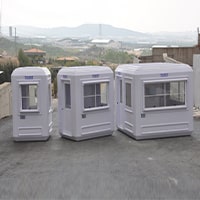
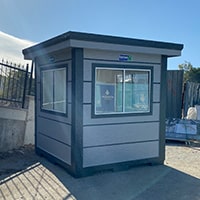
Before investing, it’s essential to match the guard hut’s type to the site’s needs. A portable cabin is best for projects that move frequently-such as construction or event sites-where fast setup and relocation are priorities. In contrast, a fixed gatehouse offers permanence and better insulation, making it ideal for factories, logistics terminals, or campuses with constant security demands. For hybrid use, modular kiosks are the perfect middle ground: scalable, customizable, and easy to transport.
Each model also carries unique long-term advantages. Portable units minimize groundwork and permit requirements. Fixed structures integrate seamlessly with architecture, allowing for thicker insulation, in-wall cabling, and even branded finishes. Understanding these distinctions ensures you invest wisely-not just in a hut, but in a lasting security infrastructure.
A good guard hut is designed around how guards actually work. Sightlines should allow 360° visibility of gates, visitor lanes, and surrounding perimeters. Large, anti-glare windows on three sides enhance awareness, while an elevated floor level offers a commanding view. These small details can dramatically improve security performance, especially during night shifts or high-traffic hours.
The entry flow inside and around the hut also matters. Positioning doors, counters, and control panels to align with access gates minimizes unnecessary movement. When everything is within easy reach, guards can check IDs, monitor cameras, and operate barriers without leaving their station. Efficient internal design ensures constant observation-no blind spots, no wasted motion.
Every guard hut must withstand both the elements and the test of time. Steel frames remain the gold standard for strength, especially in industrial or high-security sites. They resist deformation, corrosion, and vandalism. Sandwich panels, made from insulated cores between metal sheets, add thermal comfort and noise reduction-essential for guards working long hours in varying weather conditions.
Composite cladding brings a modern aesthetic while protecting against corrosion and UV damage. It helps maintain a professional look for years with minimal maintenance. Combining these materials offers an ideal balance between resilience and design appeal, creating guard huts that are both durable and visually impressive-essential qualities for any organization that values both function and form.
Glass choice is critical to protection and performance. Standard tempered glass may suffice for everyday use, but higher-risk environments demand laminated or ballistic-rated solutions. Each type delivers a specific level of resistance, balancing visibility, weight, and cost.
Recommended glazing options:
Using the correct glazing keeps guards secure without sacrificing clarity or communication-ensuring both safety and operational efficiency at all times.
Comfort directly affects alertness. A well-insulated guard hut keeps personnel focused and ready, no matter the weather. The key is selecting insulation that balances cost, performance, and durability. Mineral wool offers strong fire resistance and sound absorption, making it ideal for noisy or high-temperature environments. PIR insulation panels, meanwhile, deliver exceptional thermal efficiency with thinner profiles, freeing up valuable interior space.
HVAC systems should be sized correctly to the hut’s volume and local climate. Oversized units waste energy and increase humidity; undersized ones fail to maintain comfort. Combining passive design methods-such as window shading, cross-ventilation, and reflective roofing-reduces energy consumption while improving indoor air quality. Efficient insulation and climate control ensure guards stay sharp during long shifts, even in extreme conditions.
Electrical planning is often overlooked but essential. A guard hut must safely accommodate lighting, communications, CCTV, and access control systems without clutter or risk. Using concealed conduits and labeled wiring not only simplifies maintenance but also ensures compliance with safety standards.
To guarantee uninterrupted operation, it’s wise to design for redundancy. A backup power system-whether generator, battery, or UPS-keeps cameras and locks active during outages. Low-voltage planning supports energy-efficient LED lighting and modern PoE devices.
Recommended infrastructure checklist:
Smart cabling design keeps your hut safe, organized, and operational 24/7.
Modern guard hut designs are no longer limited to physical protection; they are technology hubs that manage entire access ecosystems. Integrating CCTV cameras, smart locks, and license plate recognition (LPR) systems turns a simple cabin into an intelligent checkpoint. Strategic positioning of these devices ensures complete coverage of entry lanes, pedestrian gates, and parking zones.
When designed correctly, technology integration enhances both safety and efficiency. Guards can monitor multiple feeds, operate barriers, and verify identities without leaving their workstation. Every second saved in verification is a reduction in risk exposure. A seamless connection between digital and structural design creates a smarter, faster, and more responsive security environment.
Recommended technology placements:
These systems, when pre-wired and factory-installed, reduce on-site setup time and ensure your guard hut arrives ready to operate. Technology-ready cabins give businesses a long-term advantage-keeping facilities safer, operations smoother, and costs lower.
A guard who feels comfortable performs better. Ergonomic workstations with adjustable desks, well-placed monitors, and adequate storage reduce fatigue during long shifts. The goal is to design an interior where every movement counts-where guards can access communication panels, view cameras, and complete paperwork without strain.
Lighting also plays a vital role. Natural light enhances mood and alertness, while targeted LED fixtures prevent eye fatigue during night shifts. Noise-absorbing wall panels and insulated flooring further contribute to comfort and focus. When your team operates in a well-planned environment, security outcomes improve naturally.
A guard hut designed with human factors in mind doesn’t just protect property-it protects people, productivity, and professionalism.
Safety regulations are not optional-they define the credibility of your structure. A compliant guard hut must include fire-rated doors, emergency exits, and accessible design features that meet international standards such as EN, UL, and ADA. These elements safeguard both occupants and your organization from liability.
Essential compliance checklist:
Investing in safety compliance protects lives and strengthens trust. Customers, partners, and inspectors all recognize the difference between a temporary shelter and a professionally engineered security cabin that meets every modern standard.
The positioning of a guard hut is as important as its construction. A perfectly built hut loses its purpose if it’s placed without considering traffic flow, visibility, or safety distances. Effective site planning starts with understanding approach geometry-how vehicles, visitors, and staff move around the entry point. Aligning your guard hut with the natural traffic line reduces congestion, minimizes confusion, and improves access control response time.
Strategically placed barriers and bollards create physical order and protection. Fixed bollards prevent accidental ramming, while hydraulic barriers allow smooth operation for authorized vehicles. Incorporating pedestrian lanes ensures safety and prevents unauthorized crossings. The combination of functional layout and protective design helps guards maintain full control of entry operations with ease and confidence.
Recommended spacing and safety clearances:
A guard hut that is strategically positioned doesn’t just enhance control-it creates order, professionalism, and safety right from the entrance.
Security architecture doesn’t have to look cold or industrial. With the right finishes, cladding, and colors, a guard hut can express your brand identity and create a welcoming yet authoritative first impression. Matte composite panels, aluminum trims, and UV-protected coatings deliver a sleek, modern appearance that stands the test of time.
Branding elements-like your company logo, reflective signage, or coordinated color palettes-strengthen brand visibility and professionalism. When a visitor sees a neat, branded guard hut, it communicates that the organization values both security and presentation. This detail-oriented approach builds trust before a single word is exchanged.
Well-designed aesthetics don’t just serve style; they reinforce perception. A professional look at the gate sets the tone for everything that happens beyond it.
A major advantage of modern guard huts is the simplicity of transport and installation. Prefabricated and modular designs are built to move-delivered fully assembled or flat-packed for easy reassembly on site. Integrated forklift slots and lifting hooks allow quick positioning with minimal manpower or machinery.
During installation, ensuring a level surface and proper anchoring guarantees long-term stability. Electrical and communication lines can be pre-fitted in the factory, drastically reducing setup time. The result is a plug-and-play system that’s ready for operation within hours, not days.
Businesses value this efficiency because it reduces downtime, labor costs, and coordination challenges. When purchased directly from a manufacturer that designs for mobility and durability, you gain both convenience and reliability in one investment.
A guard hut is a long-term investment, and like any professional structure, it needs proper maintenance to stay efficient and visually appealing. Regular cleaning, inspection, and minor servicing protect your investment from corrosion, leaks, and mechanical failure. Even the most robust steel or composite structure benefits from routine attention-especially in coastal or industrial areas exposed to humidity, dust, or chemical residues.
The key to low-cost maintenance is consistency. Wiping external panels, checking seals around windows, and verifying the condition of locks or HVAC filters prevent larger issues later. A well-maintained guard hut not only lasts longer but also reflects an organization’s discipline and professionalism to every visitor who passes through your gate.
Recommended maintenance intervals:
With a simple schedule like this, your guard hut can easily operate for over a decade without major refurbishment-saving thousands in premature repairs or replacements.
Cost is often the first question, but value should be the real focus. When comparing buying vs. leasing a guard hut, consider how long you plan to use it, how often you’ll move it, and what maintenance is included. Purchasing directly from the manufacturer provides full customization, brand consistency, and the best long-term ROI, especially for permanent facilities or recurring projects.
Leasing may make sense for short-term construction sites or event management, but owned units often become assets-reused, resold, or relocated as needed. Over a 5- to 10-year horizon, the savings on permits, rental fees, and customization quickly outweigh the upfront cost.
A guard hut isn’t a short-term structure-it’s a long-term part of your security strategy. Investing in a durable, factory-engineered model pays back through reliability, lower maintenance costs, and stronger first impressions that benefit your brand daily.
Guard huts are no longer limited to military or industrial use-they are now essential across countless sectors. Their adaptability and compact design make them a universal solution wherever controlled access, monitoring, or reception is required. From construction sites to corporate campuses, every location benefits from a security cabin tailored to its environment and workflow.
In construction zones, guard huts act as command centers-managing deliveries, monitoring worker entry, and safeguarding valuable equipment. On university campuses or business parks, they serve as professional checkpoints that combine aesthetics with function, ensuring both security and a welcoming first impression. In residential communities, they add peace of mind while blending naturally with the landscape.
Common deployment areas:
By customizing each hut’s layout, material, and technology package, businesses can meet unique operational needs while projecting a sense of authority and reliability. Wherever order and protection matter, a well-designed guard hut becomes the silent guardian of your site.
Creating a security cabin that truly fits your site begins with a clear and structured process. Professional manufacturers follow a detailed workflow-starting with understanding your operational requirements and ending with on-site delivery. This ensures your guard hut is not only functional but perfectly aligned with your environment, budget, and brand.
The process typically includes:
Working directly with a specialized security cabin producer eliminates middlemen and ensures faster communication, better customization, and lower overall cost. You receive a ready-to-use, compliant, and stylish guard hut-engineered for both safety and professional presentation.
A well-built guard hut is not an expense-it’s a long-term asset that protects people, property, and reputation. Whether you need a portable security booth for temporary use or a permanent steel gatehouse integrated into your facility, our manufacturing team delivers precision, comfort, and modern aesthetics in every unit.
Request your tailored design proposal today and discover how our factory-engineered guard huts can transform your site’s security standards. We combine robust materials, ergonomic interiors, and advanced technology to ensure maximum protection and efficiency from day one.
Leading manufacturer in modular cabin since 1986.
 EN
EN