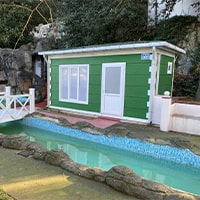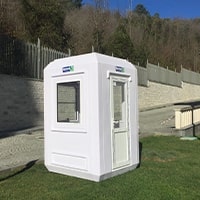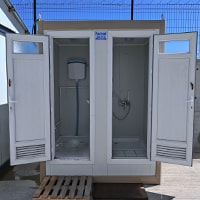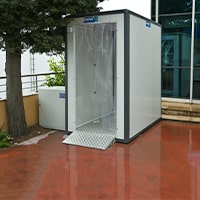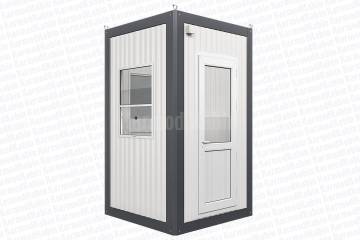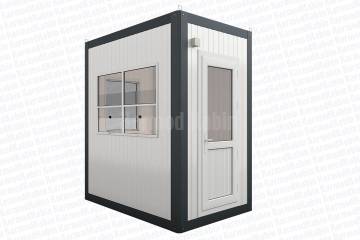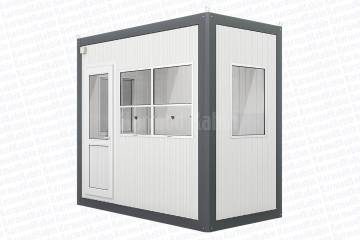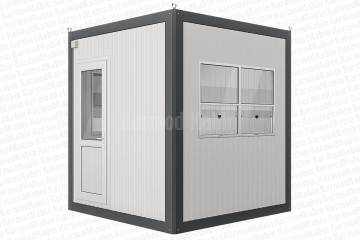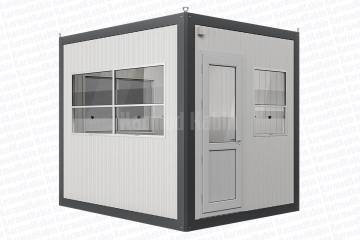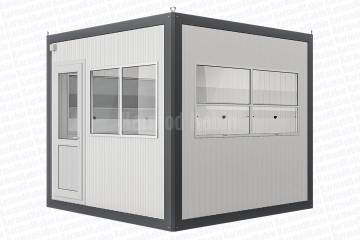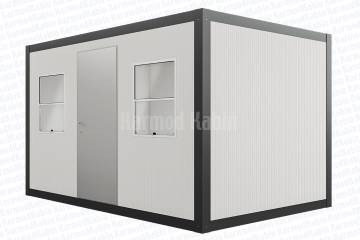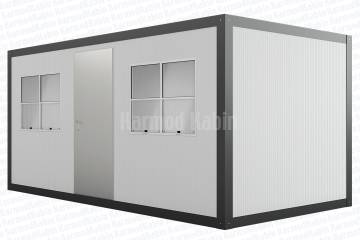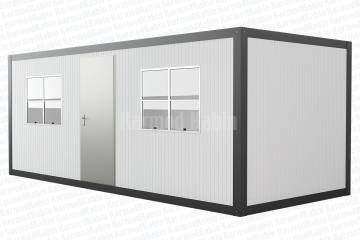

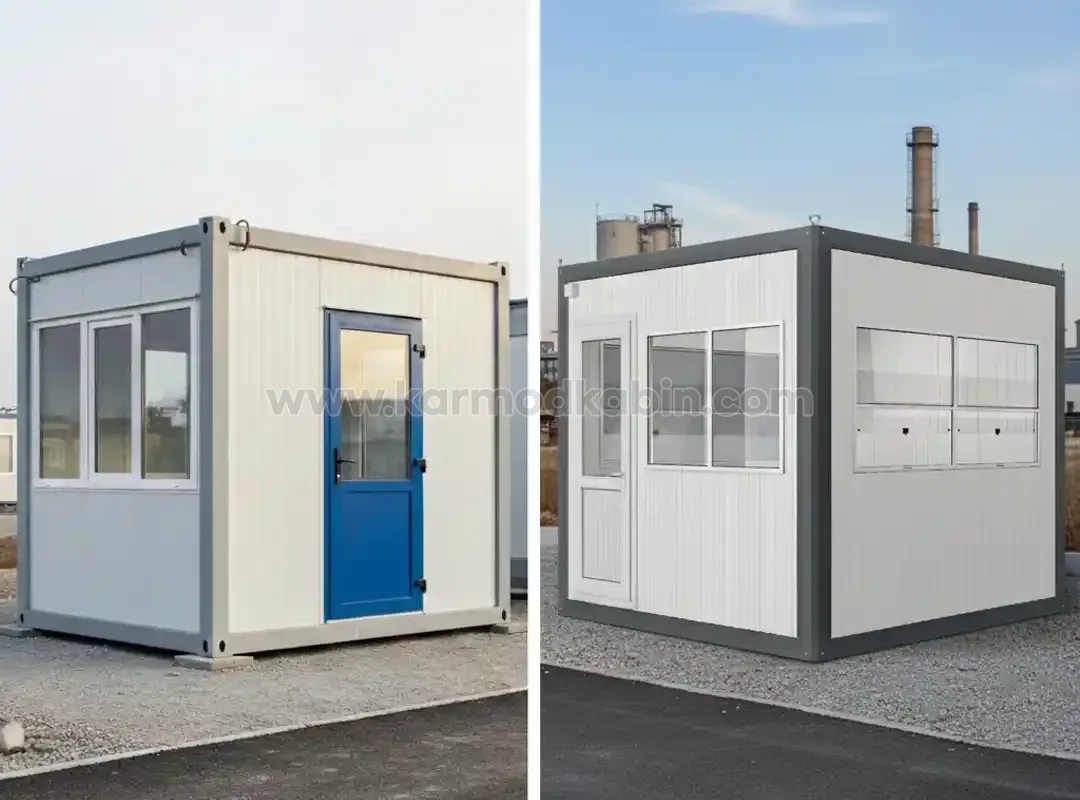
Security cabins are indispensable for modern businesses, construction sites, and institutional facilities that require controlled entry, staff protection, and professional security presence. When selecting the right cabin, two main models dominate the market - Panel Cabins and Container Cabins. Each comes with its own advantages, design principles, and cost-performance balance. Understanding these differences helps you choose the most efficient and long-lasting solution for your needs.
While both types serve the same purpose - providing a secure, comfortable, and functional environment for guards and staff - their materials, structure, and mobility features differ significantly. Panel cabins stand out with their lightweight modular panels and quick assembly, while container cabins offer maximum strength and durability with their steel-based body. Choosing between them depends on your project’s duration, location, and operational expectations.
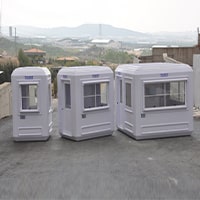
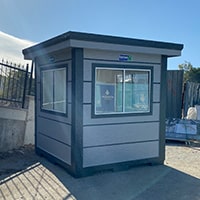
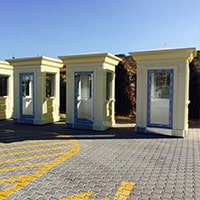
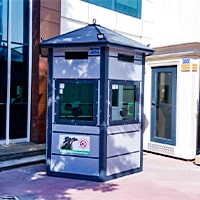
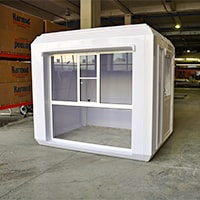
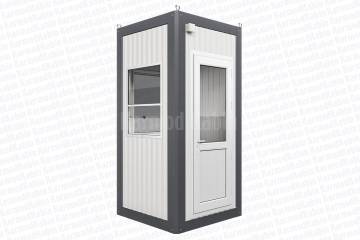
A panel cabin is a modular structure built using insulated sandwich panels, lightweight steel frames, and prefabricated components that allow for quick installation and easy relocation. These cabins are designed for projects or facilities that need functional security spaces without complex construction requirements. Their modular nature makes them adaptable for different layouts and purposes, from guard booths and ticket offices to portable site offices and temporary control points. Despite their lightweight design, panel cabins maintain strong insulation performance and can be customized with features such as air conditioning, lighting, and ergonomic interiors.
The key advantage of a panel cabin lies in its flexibility and affordability. Because the panels are prefabricated and standardized, they can be assembled within hours and easily dismantled for relocation when the project ends. They require minimal foundation work, which makes them suitable for temporary or semi-permanent installations. Furthermore, panel cabins can be personalized in size, window placement, and wall thickness depending on the security level or climate conditions. For businesses looking for a cost-effective, fast, and customizable solution, panel cabins offer the perfect balance between practicality and comfort.
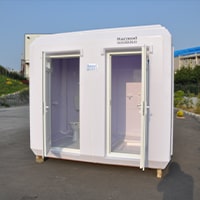
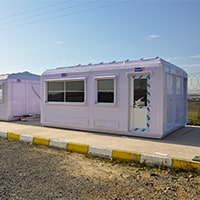
A container cabin is a robust, steel-framed structure originally inspired by the design of shipping containers, offering exceptional strength, durability, and weather resistance. Built to endure heavy use and harsh environments, container cabins are ideal for long-term security operations, industrial zones, construction projects, and government facilities. Their all-steel body provides superior protection against external impacts, theft attempts, and severe weather conditions such as heavy rain, wind, or extreme heat. Internally, these cabins can be fully customized with thermal insulation, electrical systems, ventilation, and bullet-resistant materials, depending on the required security level.
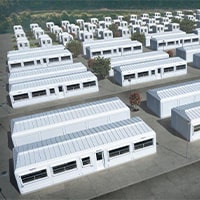
One of the main advantages of a container cabin is its longevity and adaptability. These units are designed to function as permanent or semi-permanent installations, capable of remaining stable and efficient for many years with minimal maintenance. Their modular structure also allows for easy expansion - multiple container units can be combined to create larger security complexes or command centers. Additionally, container cabins can be transported and reinstalled without structural damage, making them both durable and mobile at the same time. For businesses that need a heavy-duty, long-lasting, and secure solution, container cabins are the ultimate choice.
Security cabins are essential structures designed to provide a safe and functional workspace for personnel managing entry control, surveillance, or protection duties. They can be found in a wide variety of environments-from construction sites and parking areas to industrial facilities, schools, shopping centers, and residential compounds. These cabins serve as both practical and symbolic elements of security: they enhance safety while representing order, professionalism, and accessibility at the same time.
The most common models in today’s market are panel cabins and container cabins. Both are modular, prefabricated solutions built to accommodate different levels of usage intensity and environmental conditions. Panel cabins are typically preferred for light-duty and short- to mid-term use, offering easy portability and cost efficiency. Container cabins, on the other hand, are built from solid steel frames that make them ideal for long-term or high-security installations. Understanding the use case and functional priorities of each type allows businesses and institutions to choose the most suitable model for their specific security needs.
When it comes to durability, the most defining difference between panel and container cabins lies in their structural core. Panel cabins are built using modular sandwich panels supported by a lightweight steel frame. This makes them quick to assemble and easy to move, but they are generally better suited for environments with mild weather and low mechanical stress. Their structure offers sufficient strength for short- to medium-term use but may require additional reinforcement in areas exposed to heavy wind, snow, or seismic activity. With proper maintenance, a panel cabin can serve effectively for several years while maintaining comfort and functionality.
Container cabins, on the other hand, are constructed entirely from welded steel frames with corrugated walls, giving them industrial-grade resilience. This solid build enables them to withstand heavy loads, transport shocks, and challenging weather conditions without deformation. The rigid steel chassis also allows for stacking and multi-level installations-something that is rarely possible with panel cabins. In high-security zones or areas requiring long-term use, container cabins outperform in terms of longevity, impact resistance, and overall structural integrity. In short, while panel cabins excel in mobility and cost efficiency, container cabins dominate in strength, endurance, and safety assurance.
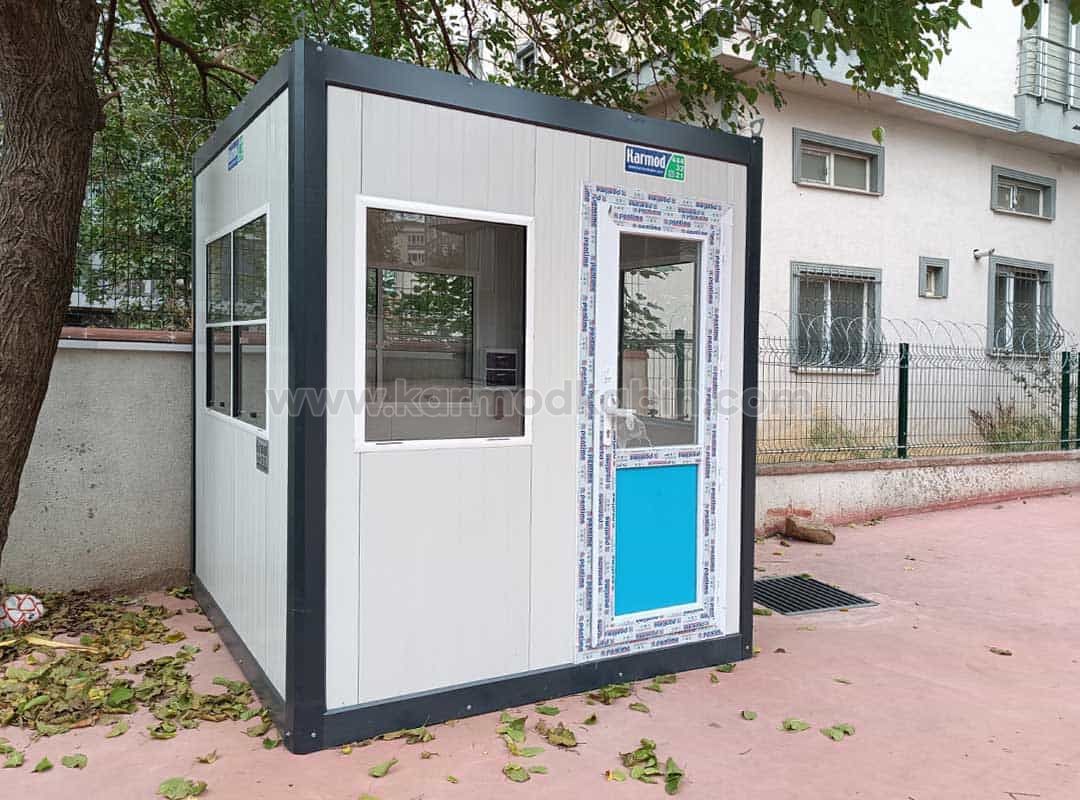
Insulation quality plays a major role in determining the comfort and safety level of any security cabin. Panel cabins are typically equipped with polyurethane (PUR), polystyrene (EPS), or rock wool sandwich panels, providing excellent thermal and acoustic insulation. This makes them suitable for regions with moderate climates and environments where noise reduction is important, such as near residential areas or school zones. Their panel composition also allows quick customization-wall thickness, insulation density, and exterior coatings can be adjusted based on the user’s needs. However, because the outer frame is lighter than steel, extreme temperature changes may affect heat retention if not properly sealed.
Container cabins, by contrast, offer enhanced fire resistance and temperature stability due to their all-steel structure and fireproof mineral wool or glass wool insulation. They are better suited for heavy-duty environments such as industrial complexes, refineries, and government checkpoints, where both fire protection and internal climate control are critical. The dense insulation materials combined with sealed steel walls prevent heat transfer and reduce outside noise effectively. In addition, most container cabins can be fitted with BR-rated bulletproof glass and fire-resistant coatings for maximum protection. In short, while panel cabins are more energy-efficient for lightweight operations, container cabins deliver superior insulation performance and fire safety under demanding conditions.
When it comes to mobility and installation, panel cabins clearly stand out for their speed and simplicity. Their modular design allows each panel to be transported separately and assembled directly on-site with minimal equipment. Because they are lightweight, panel cabins do not usually require a deep foundation-flat ground or a basic concrete base is sufficient. This makes them ideal for temporary projects, construction sites, or events where quick setup and future relocation are priorities. A team of professionals can typically install a panel cabin within just a few hours, and the entire structure can later be dismantled and reinstalled elsewhere without any damage.
Container cabins, on the other hand, are designed for heavy-duty, semi-permanent, or permanent use. Their rigid steel frame is pre-assembled at the factory, which means they are delivered to the site as a single unit. While this ensures a stronger structure, it also requires a crane or lifting system during placement. The process is fast-usually completed in a single day-but transportation and placement logistics must be carefully planned. Once installed, container cabins can remain stable for many years with minimal maintenance. If needed, they can still be relocated, though it’s a more technical process compared to panel systems. Ultimately, if easy relocation and fast setup are your top priorities, panel cabins are the go-to choice; for long-term stability and strength, container cabins are unmatched.
The maintenance and lifespan of a security cabin largely depend on its materials and build quality. Panel cabins are engineered for efficiency and minimal upkeep. Their modular panels are coated with protective paint and insulation layers that resist rust, moisture, and surface wear. Periodic cleaning and basic checks on joints and seals are usually enough to keep them in good condition. However, because of their lighter construction, panel cabins may require more frequent minor repairs if exposed to harsh conditions like heavy rain or direct coastal humidity. When properly maintained, a panel cabin can last between 8 to 12 years, offering excellent value for short- and mid-term use.
Container cabins, built from solid steel frames, deliver far greater longevity and resilience. Their welded structure and corrosion-resistant coatings enable them to withstand demanding industrial environments for 20 years or more with proper care. Maintenance typically involves repainting exposed metal parts every few years and checking for rust around joints and corners. From an environmental standpoint, both models are sustainable options-panel cabins use recyclable materials and efficient insulation, while container cabins are often made from repurposed or recycled steel, extending their lifecycle and reducing waste. For organizations aiming to balance eco-conscious practices with durability, both cabin types can meet green standards, though container models generally offer the advantage of a longer service life and reduced replacement frequency.
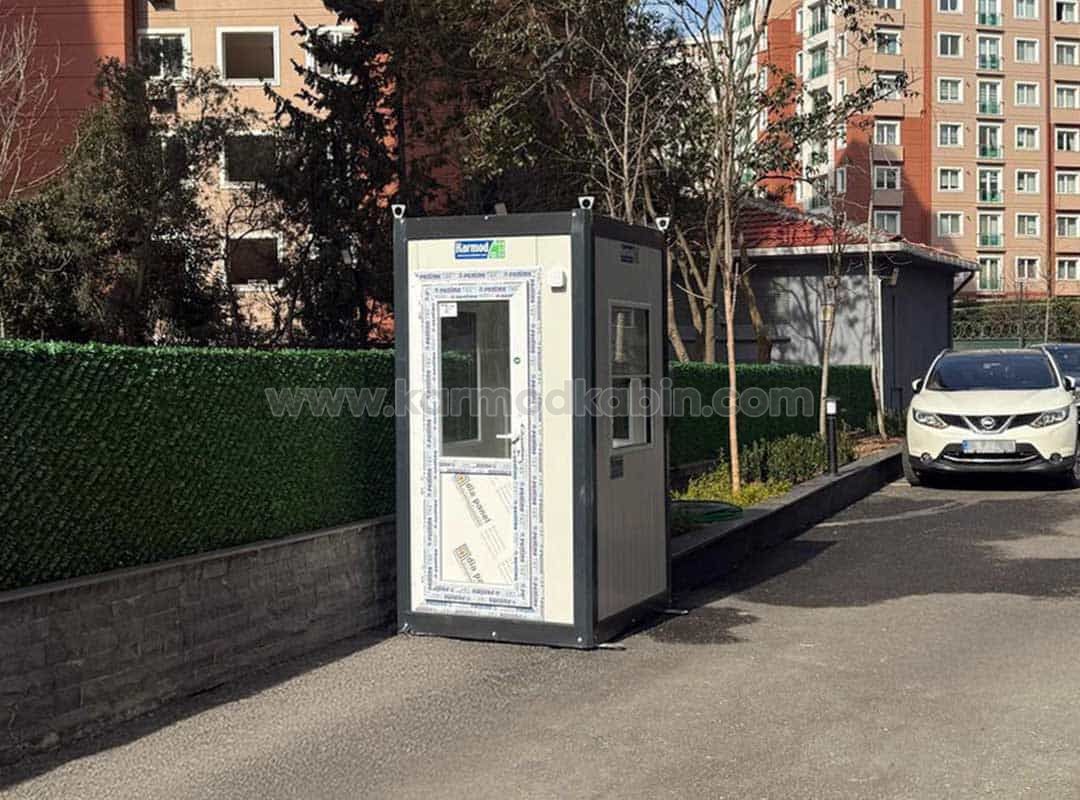
When evaluating the return on investment (ROI) between panel cabins and container cabins, it’s important to consider not just the purchase price but also installation costs, maintenance frequency, energy efficiency, and lifespan. Panel cabins have a clear cost advantage in the short term-they are more affordable to manufacture, transport, and install. For companies that need a quick and functional solution for temporary sites, events, or short-term security posts, panel cabins provide an excellent balance between affordability and practicality. Their lightweight design reduces transportation expenses, and minimal groundwork further lowers total setup costs.
However, for long-term projects or high-security areas, container cabins often deliver a higher ROI over time. While their initial cost is higher, their extended lifespan, low maintenance needs, and ability to endure harsh conditions translate into long-term savings. They also tend to have better resale value since their steel structure remains durable even after years of use. In sectors such as industrial security, logistics, and government operations, container cabins are viewed as long-term investments rather than temporary expenses. In short, panel cabins are ideal for budget-friendly, short-duration installations, whereas container cabins excel in long-term performance, safety, and financial sustainability.
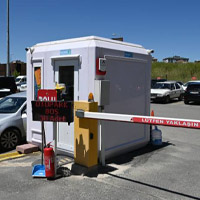
Each security cabin model has its own strengths, making it suitable for different environments and operational needs. Panel cabins are best suited for situations that require speed, flexibility, and affordability. They are widely used at construction sites, temporary checkpoints, parking areas, and public events where mobility and fast installation are priorities. Their modular nature also makes them ideal for organizations that frequently relocate security units between projects. Because panel cabins can be customized in size, color, and layout, they provide a professional appearance even in short-term setups.
Container cabins, however, are the preferred choice for high-security or long-term applications. They are commonly installed at industrial facilities, military bases, factories, airports, ports, and government buildings-locations that demand solid structures and constant operational reliability. Their heavy-duty steel frame, advanced insulation, and optional features like ballistic glass or reinforced doors make them suitable for critical zones. Additionally, container cabins can be expanded or combined into multi-room structures for complex security operations. In summary:
Both models ensure safety and comfort, but the right choice depends on your project’s duration, environment, and security level requirements.
Selecting the ideal security cabin starts with defining your project’s specific requirements-location, duration, security level, and budget. If your priority is quick installation, mobility, and cost-efficiency, a panel cabin will perfectly meet your needs. These models are easy to transport, assemble, and customize, making them ideal for projects that change locations frequently, such as construction sites, event areas, or temporary parking control points. Their clean, professional look also enhances the overall presentation of your security setup while keeping operational costs low.
If, however, your facility demands long-term durability, high protection, and advanced technical infrastructure, a container cabin is the better option. Its solid steel structure, extended lifespan, and high resistance to environmental conditions make it a reliable choice for factories, logistics hubs, government institutions, and permanent checkpoints. In both cases, partnering with an experienced and certified manufacturer ensures you receive a legally compliant, safe, and fully equipped product.
To make the right choice, consider the following checklist:
Contact us today to get expert guidance and a custom quote for your project. Whether you need a lightweight modular guard booth or a heavy-duty steel security cabin, we’ll deliver a certified, ready-to-install model that perfectly fits your operational and legal requirements.
Leading manufacturer in modular cabin since 1986.
 EN
EN