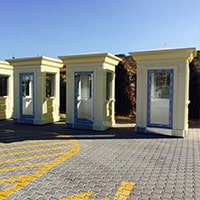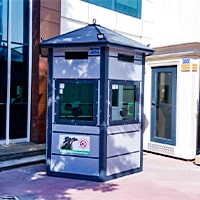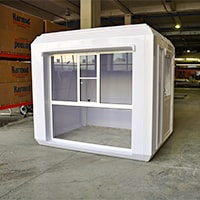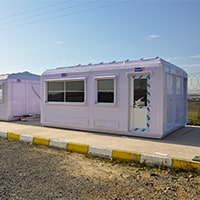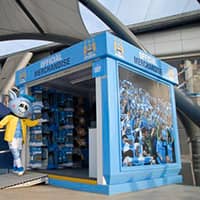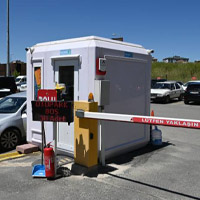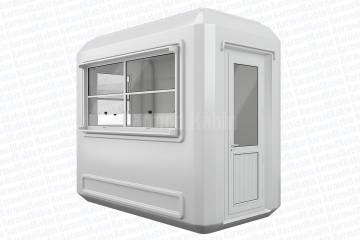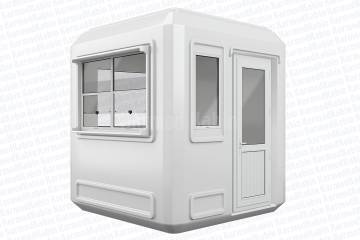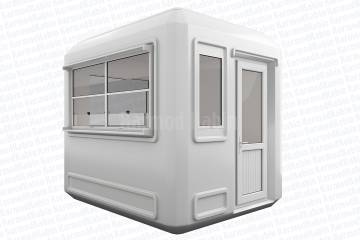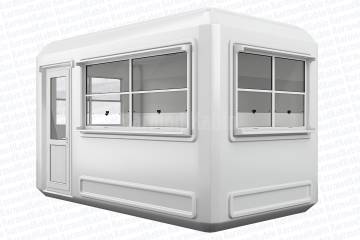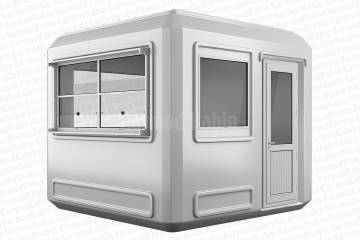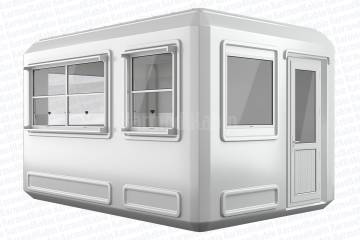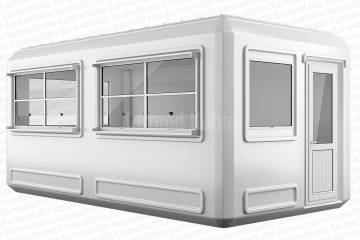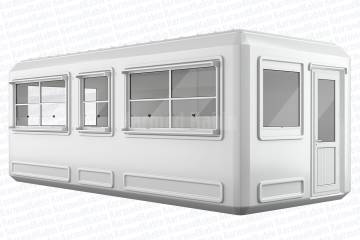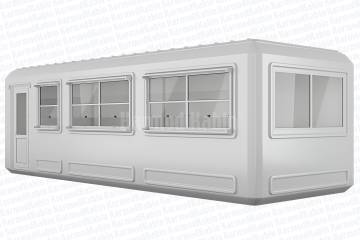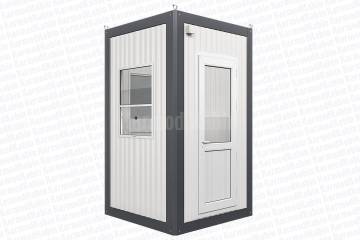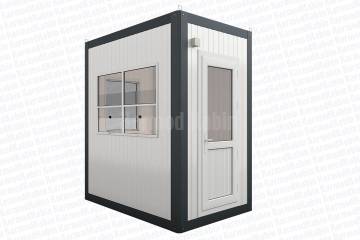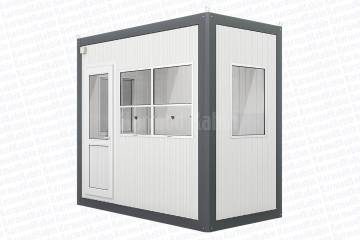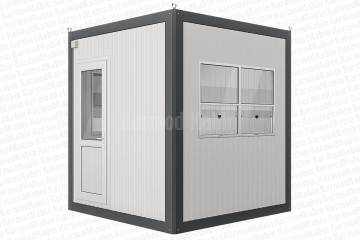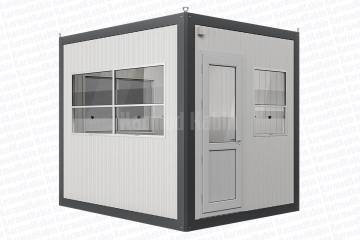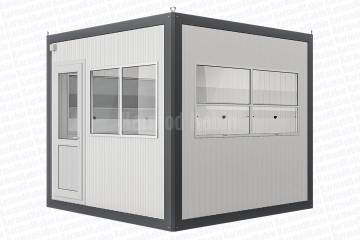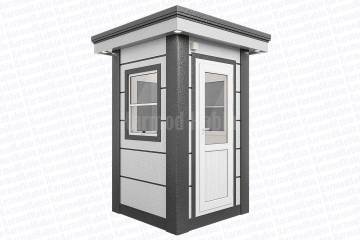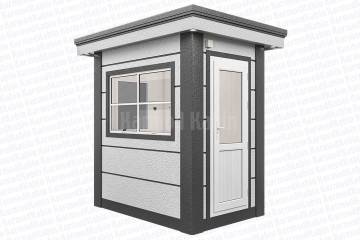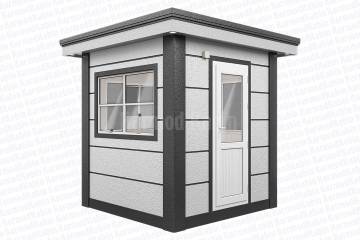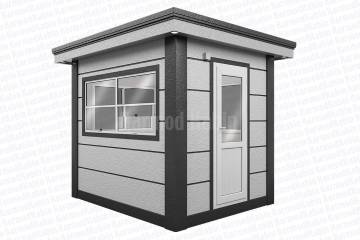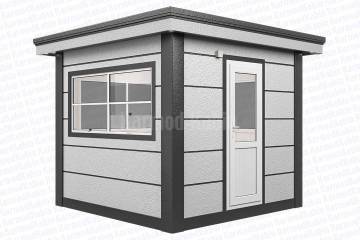

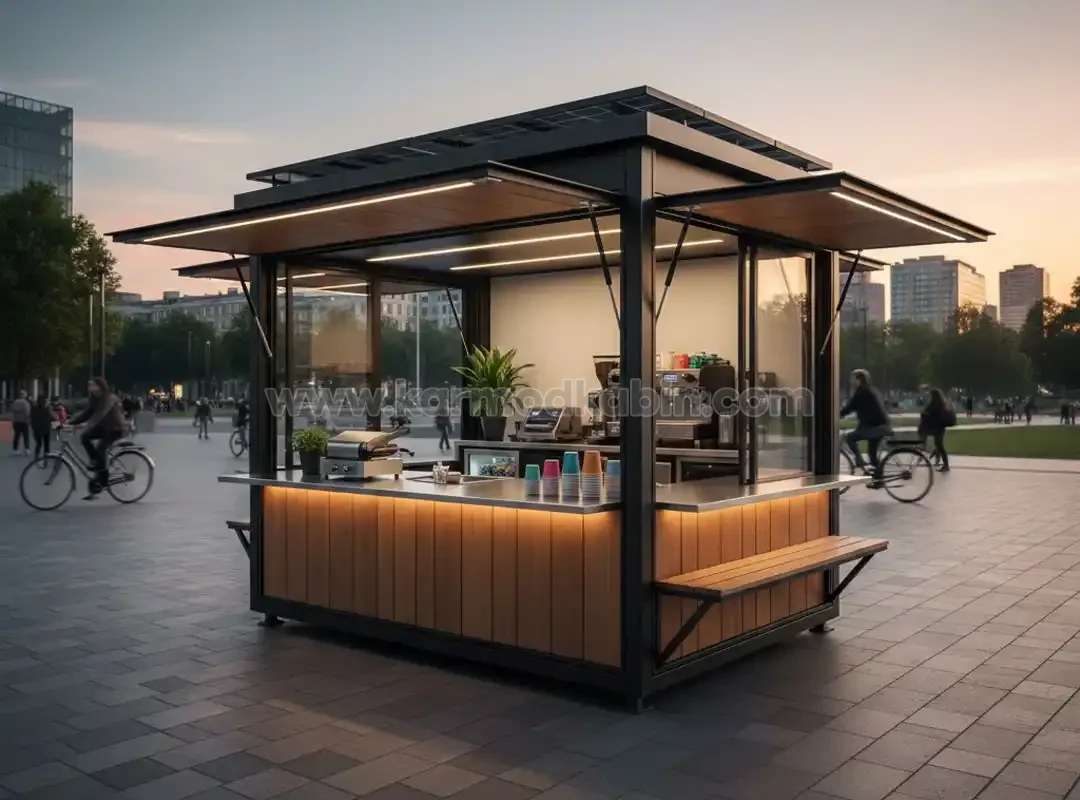
In today’s fast-paced world, food kiosks have become one of the most appealing investment opportunities for entrepreneurs and investors looking for high returns with manageable risk. These compact yet functional structures serve as ideal solutions for busy urban areas, festivals, campuses, and gas stations - offering convenience and instant accessibility to consumers. Their low setup cost and scalability make them a strong alternative to traditional restaurants, especially for those entering the food industry for the first time.
Unlike large-scale dining businesses that require heavy infrastructure and high overhead expenses, a food kiosk offers the advantage of flexibility. Investors can easily relocate the unit, adjust the menu based on demand, and expand the business by adding new kiosks in strategic locations. This modular, mobile, and efficient business model allows investors to tap into different market segments - from coffee lovers and snack enthusiasts to street food fans - without major financial risks.
Across major cities and tourist destinations, the rise of food kiosks represents a shift toward modern convenience and efficiency. Consumers today value accessibility, freshness, and speed - qualities that traditional restaurants often struggle to balance. Food kiosks meet these needs perfectly by combining restaurant-grade quality with on-the-go service. Their ability to operate in high-traffic areas while maintaining affordable prices makes them a popular choice among diverse customer segments.
From the investor’s perspective, the appeal lies in scalability and cost control. The kiosk model allows entrepreneurs to start small, monitor performance, and expand strategically based on results. This agility is particularly valuable in an age where food trends change rapidly. Locations such as shopping malls, transportation terminals, and event venues create a constant flow of potential customers, ensuring that every well-placed kiosk becomes a self-sustaining profit generator.
One of the most compelling reasons to invest in a food kiosk is the low upfront cost compared to conventional restaurants. A ready-made kiosk model eliminates the need for architects, contractors, and extended construction periods. Instead, investors receive a prefabricated, fully functional structure that can be operational within days. This time efficiency translates directly into financial advantage - your capital starts generating income faster.
Operating costs are also minimal. Food kiosks typically require fewer employees, consume less energy, and occupy less space, which significantly reduces overhead expenses. However, success still depends on smart cost management. The total investment will vary according to kiosk size, materials used, and the type of equipment installed. A compact coffee kiosk may require minimal kitchen appliances, while a burger or pizza kiosk needs professional-grade cooking and refrigeration systems.
Main factors affecting investment scale include:
When managed effectively, a food kiosk delivers one of the fastest returns on investment in the food service sector - often within months of operation.
Design is not just about aesthetics; it’s the foundation of efficiency and profitability. A successful food kiosk blends form and function seamlessly, ensuring that both customers and staff enjoy a pleasant experience. The best designs use durable materials like steel frames, composite panels, and aluminum finishes - providing strength against weather, corrosion, and daily wear while maintaining a polished, modern look.
Inside the kiosk, the layout must be optimized for workflow. The cooking area, service counter, and storage compartments should be positioned to reduce movement and maximize productivity. Smart lighting, large serving windows, and effective ventilation systems enhance both functionality and ambiance. A well-lit, inviting kiosk attracts attention and builds trust, while ergonomic interior planning keeps staff efficient even during peak hours.
Essential design priorities include:
When executed correctly, good design becomes a silent salesperson - drawing customers, improving service flow, and increasing daily revenue.
Location remains the single most important factor in determining a food kiosk’s success. High visibility and steady foot traffic translate directly into revenue. A well-positioned kiosk can outperform a poorly located restaurant with ten times the space. The goal is to identify areas where convenience meets demand - places where people seek quick meals, refreshments, or snacks throughout the day.
Prime locations include busy shopping centers, university campuses, public transportation hubs, tourist attractions, and gas stations. Each environment caters to different customer habits: office workers rushing for coffee, students grabbing lunch, travelers refueling during a road trip. Understanding these segments helps shape the menu and operating hours.
In growing urban centers, food kiosks also perform exceptionally well in mixed-use developments, parks, and community events. Their portability allows investors to adapt to shifting population patterns, relocate to more profitable zones, or even operate seasonally. By strategically choosing where and when to operate, investors maximize returns while minimizing risk.
Efficient equipment selection and space planning are critical to smooth daily operations. Since food kiosks are compact, every inch must serve a purpose. Workflow efficiency depends on a well-thought-out layout that separates cooking, serving, and cleaning zones, ensuring safety and hygiene.
The type of equipment will naturally vary depending on the menu, but most kiosks share a common foundation of essential tools that support productivity and quality.
Key equipment components include:
A well-planned layout streamlines the process, minimizing waiting times and improving customer satisfaction. Smart design choices, such as under-counter storage or foldable counters, maximize space and efficiency. When combined with durable materials and easy maintenance, this planning ensures operational reliability and longevity.
Regulatory compliance is the backbone of a legitimate and trustworthy food kiosk operation. Even though kiosks are smaller than full-scale restaurants, they must still adhere to the same health and safety laws that govern the food service industry. Investors must secure the necessary business permits, hygiene certifications, and food-handling licenses from local authorities before opening.
Clean water systems, waste disposal protocols, and temperature-controlled storage areas are fundamental to maintaining hygiene standards. Regular health inspections ensure that operations remain safe and reliable. Additionally, kiosks should include certified electrical systems, fire extinguishers, and non-slip flooring to prevent accidents. Meeting these standards from day one not only avoids penalties but also builds a professional image that encourages repeat customers.
A strong marketing strategy can turn a simple kiosk into a city landmark. Because kiosks rely heavily on visibility, branding and customer engagement are crucial. The most successful operators combine creative design, digital presence, and consistent promotions to drive both foot traffic and loyalty.
Branding starts with your kiosk’s exterior - colors, signage, and lighting should instantly communicate your business identity. Online marketing complements this by reaching customers through social media, Google Maps, and food delivery platforms. Collaboration with nearby offices, universities, or event organizers can create recurring sales opportunities.
Effective strategies include:
When marketing, design, and service quality align, the result is accelerated ROI - often within the first few operational months.
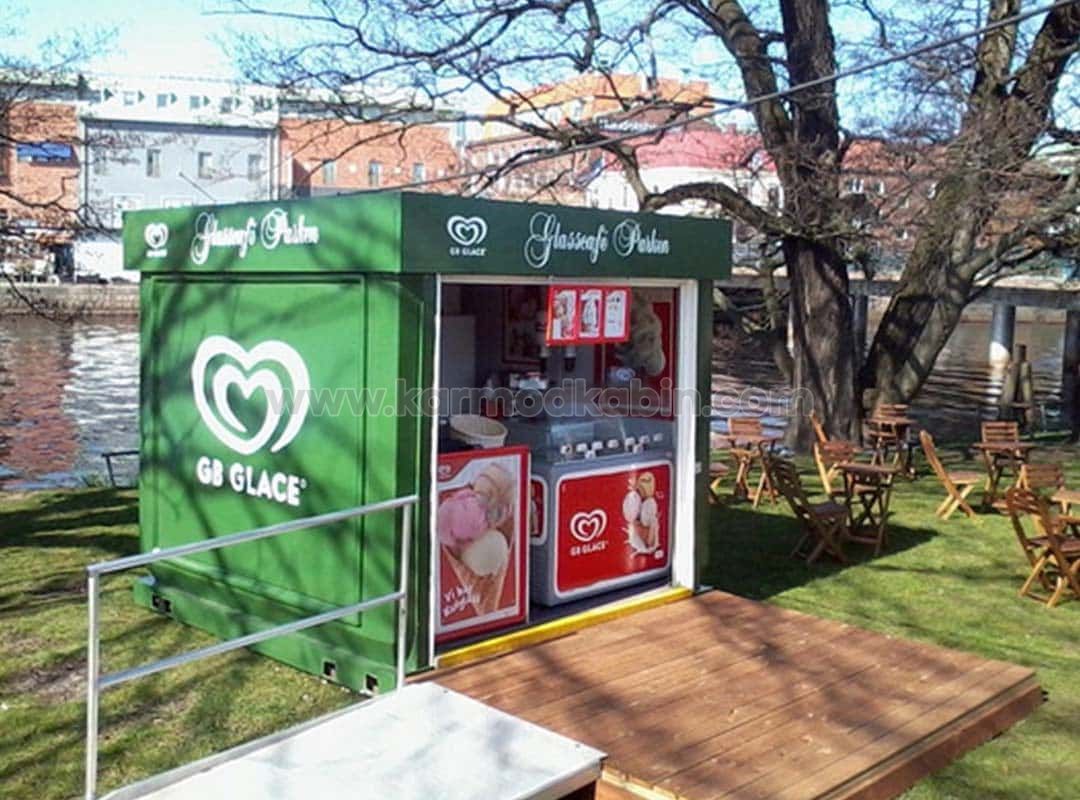
Purchasing a ready-made kiosk directly from a professional manufacturer is the quickest path to business success. These prefabricated structures arrive fully assembled, equipped, and ready for immediate operation. Investors skip the delays of traditional construction and can begin selling within days.
Beyond convenience, ready-made kiosks ensure consistent quality and long-term durability. They are manufactured under controlled conditions using certified materials and standardized engineering. This approach minimizes maintenance issues and provides peace of mind for investors.
Core benefits include:
This turnkey approach allows investors to focus on what truly matters - building their brand, attracting customers, and growing their business.
A customized food kiosk is more than a selling point; it’s a reflection of your brand’s soul. Personalization allows you to express your concept visually, emotionally, and functionally. From exterior finishes and lighting to uniforms and packaging, every design element can strengthen brand recognition and customer trust.
For instance, minimalist black-and-steel finishes convey a premium coffee concept, while bright colors and decorative signage create a fun, family-friendly dessert kiosk. Integrating eco-friendly features such as solar panels or sustainable materials also positions your brand as modern and responsible.
Strategic branding extends beyond visuals - the customer experience, music, scent, and even menu presentation contribute to the story your kiosk tells. A memorable identity turns one-time visitors into loyal advocates.
When you buy directly from us, you partner with a manufacturer that understands both engineering and entrepreneurship. Our food kiosks are designed for investors who value reliability, fast setup, and professional presentation. Every unit is built with high-quality materials, advanced insulation, and integrated electrical and plumbing systems.
We offer a diverse range of models tailored for different business concepts - from coffee and juice kiosks to multi-function food stalls. Each model can be customized with your logo, color scheme, and layout preferences. Our direct sales approach guarantees factory pricing, eliminating unnecessary intermediaries and reducing costs.
Why investors prefer our kiosks:
Our mission is to make your investment profitable from the very first day. If you’re ready to bring your food business idea to life, contact us today to explore our ready-made kiosk models and get a personalized quote designed for your goals.

Leading manufacturer in modular cabin since 1986.
 EN
EN