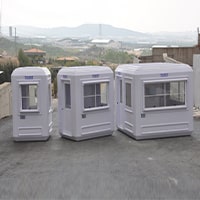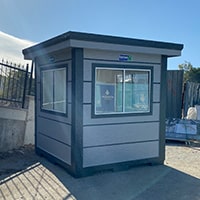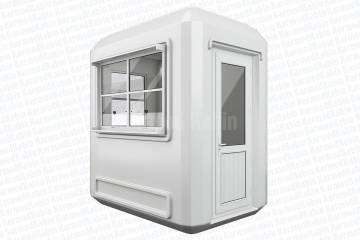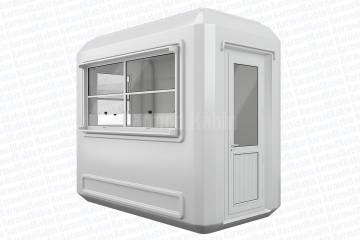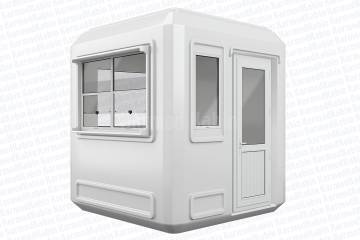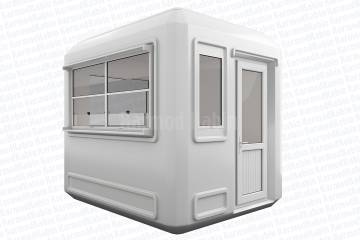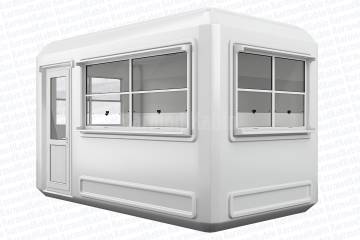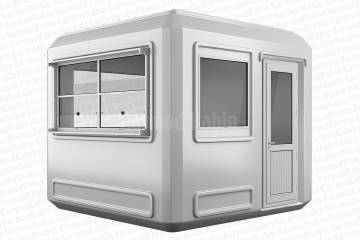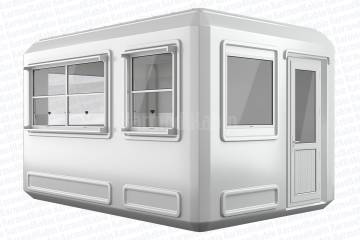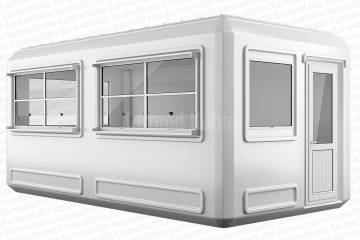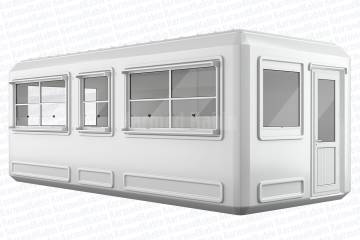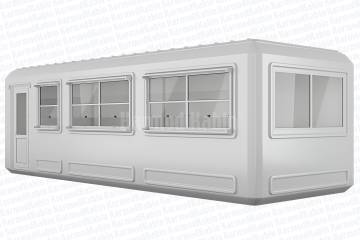

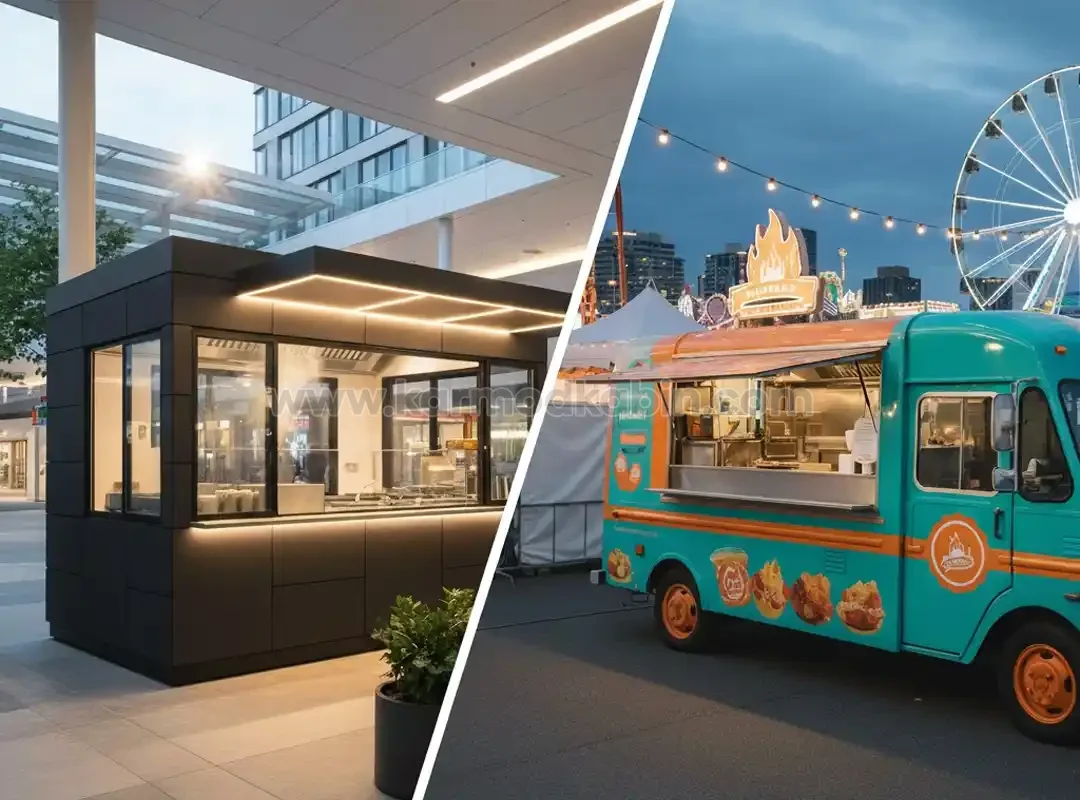
The global appetite for street food and quick-service dining continues to grow in 2025, and two business models lead the race - food kiosks and food trucks. Both offer flexible, high-profit opportunities for entrepreneurs who want to enter the food industry without the massive costs of traditional restaurants. Yet, they operate under very different conditions.
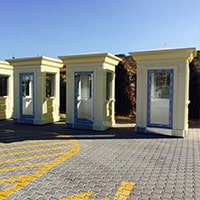
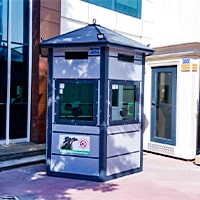
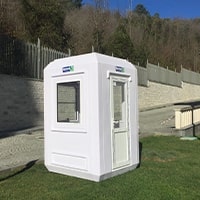
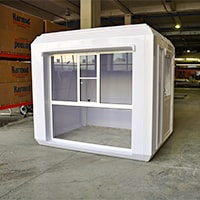
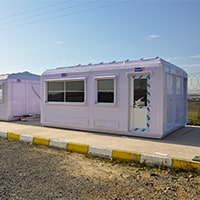
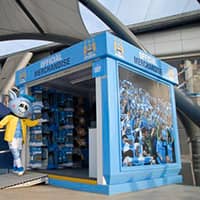
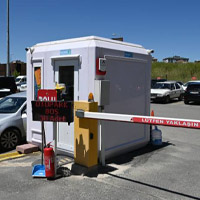
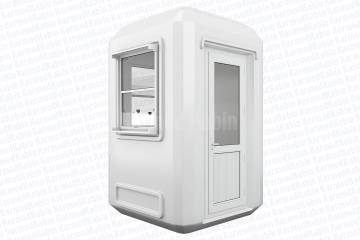
Food kiosks are stationary units, typically located in malls, parks, business districts, or near transportation hubs. They provide a sense of stability and brand recognition. Food trucks, on the other hand, are mobile kitchens - designed for flexibility and movement, ideal for events, festivals, or changing locations based on demand.
Choosing between them depends on your priorities: stability versus mobility, lower startup cost versus flexibility, or permanent branding versus constant exposure to new crowds. Let’s explore both options in depth to help you identify which business model truly fits your goals.
Over the last decade, mobile food concepts have transformed from street-side novelties into mainstream dining solutions. In 2025, both food kiosks and food trucks represent the new face of accessible, affordable, and creative gastronomy. Urban consumers now seek quick, high-quality meals served in visually engaging spaces - and both models deliver just that.
The rise of social media and digital marketing has also fueled this growth. Food businesses with unique aesthetics and strong branding-whether a sleek modular kiosk or a colorful truck-can attract huge audiences online. A single viral post can generate hundreds of new customers overnight. This visibility makes mobile food ventures an appealing choice for young entrepreneurs looking to enter the food service market with moderate risk and high return potential.
Economic and cultural trends further support the boom. Cities are increasingly open to small, modular setups that bring life to underused spaces. Low entry costs, portable infrastructure, and fast ROI make mobile food operations one of the most profitable small business investments today. Whether fixed or mobile, the food-on-the-go sector continues to redefine how people experience dining.
Food kiosks offer something food trucks can’t - stability and brand permanence. Once strategically placed in a high-traffic area such as a shopping mall, office plaza, or public square, a well-designed kiosk becomes a familiar landmark. Customers recognize it, remember it, and return to it. In 2025, this sense of consistency is a major advantage in building a loyal customer base.
Unlike mobile operations, kiosks are designed for long-term profitability. Their structure allows for stronger branding opportunities - custom-built exteriors, illuminated signage, and interior layouts optimized for staff comfort and workflow. When built with durable materials like composite panels or insulated steel, a kiosk can operate year-round, regardless of weather conditions.
Moreover, fixed kiosks benefit from lower operational unpredictability. You know your daily foot traffic, recurring customers, and nearby competition. This allows for stable forecasting and better supplier agreements. Many business owners also prefer kiosks for their ability to offer permanent utilities - fixed water lines, stable electricity, and built-in ventilation, reducing the headaches of mobility and maintenance.
Food trucks appeal to entrepreneurs who value mobility, adaptability, and adventure. They embody the freedom to bring your cuisine directly to your customers - wherever they are. In 2025, the food truck industry remains a vibrant and creative segment of the quick-service market, offering flexibility that stationary kiosks can’t match.
The greatest advantage of food trucks is their ability to follow demand. If business slows in one area, you can simply relocate to a busier zone, event, or festival. This mobility allows you to experiment with new neighborhoods, adjust to seasonal foot traffic, and test markets before committing to a permanent location. Many successful food truck owners even expand later by opening fixed kiosks once their brand gains recognition.
Food trucks also shine in event-based marketing. Music festivals, outdoor fairs, and corporate gatherings are ideal venues where mobile kitchens thrive. The novelty of a truck, combined with direct customer interaction, creates a sense of excitement and approachability that fixed outlets sometimes lack.
However, flexibility comes at a price. Fuel costs, mechanical maintenance, parking restrictions, and local regulations can complicate operations. Still, for entrepreneurs seeking creative freedom, fast exposure, and dynamic customer engagement, a food truck remains a powerful and inspiring business model.
When choosing between a food kiosk and a food truck, one of the first questions every entrepreneur asks is: “Which one costs less to start?” While both are far more affordable than opening a restaurant, their initial setup and ongoing costs differ greatly. The right choice depends on your budget, target location, and long-term growth strategy.
Initial Purchase & Build Cost:
Licensing & Permits:
Utilities Setup:
Maintenance:
Operational Predictability:
In most cases, food kiosks offer a faster ROI due to lower maintenance and consistent customer flow. Food trucks can deliver impressive returns too, but they require more mobility management and ongoing expenses.
Before launching either a food kiosk or a food truck, securing the proper licenses and meeting health regulations is crucial. Compliance not only ensures legal operation but also builds customer confidence - no one wants to buy food from an unregulated business. In 2025, most municipalities have streamlined the process for small modular and mobile food businesses, but the requirements still vary depending on the model.
Food kiosks typically follow the same licensing path as small restaurants. Owners must register their business, secure a local operation permit, and obtain sanitation and food safety certifications. Because kiosks are stationary, inspectors can easily monitor hygiene practices, making the process more predictable and often faster once the setup meets standards.
Food trucks, in contrast, must comply with both food service and transportation regulations. In addition to food handling certificates, they need vehicle inspection documents, mobile vending licenses, and sometimes even parking or route permits. Each city may have its own mobility rules, which can limit where and when trucks can operate.
Health codes apply equally to both. Surfaces must be washable and non-toxic, proper refrigeration must be maintained, and waste disposal systems should meet municipal environmental standards. Working with a professional manufacturer that designs kiosks or trucks according to food-grade regulations can simplify the entire approval process.
Both food kiosks and food trucks need efficient, ergonomic, and hygienic setups to function smoothly. The main difference lies in space utilization and mobility requirements. In 2025, modern designs focus on modular efficiency - maximizing every inch of workspace while maintaining aesthetics and compliance with food safety standards.
Space & Layout:
Power & Utilities:
Equipment:
Exterior Design & Branding:
Build Material:
When it comes to profitability, both food kiosks and food trucks can deliver impressive results - but they do so in different ways. A food kiosk relies on stability and recurring customers, while a food truck depends on flexibility and high turnover at variable locations. Understanding how each model generates revenue will help you choose which aligns better with your long-term goals.
Food kiosks often enjoy predictable daily income because they operate in fixed high-traffic areas. Rent or licensing fees are consistent, but so are customer flows. This allows for accurate financial planning, stable supplier relationships, and long-term brand building. The permanent setup also supports cross-selling and loyalty programs, making it easier to retain customers and boost lifetime value.
Food trucks, by contrast, experience fluctuating earnings. Their ability to move means they can chase large events or festivals where single-day profits may surpass a kiosk’s weekly revenue. However, downtime between events and travel-related expenses can impact monthly predictability. Trucks require more logistical planning to maintain consistent income, but they thrive in dynamic, event-based markets.
Overall, kiosks tend to deliver steady ROI with lower operational risk, whereas trucks offer high-reward potential with greater volatility. The right model depends on whether you value dependable daily profits or the thrill of mobile flexibility.
Running a food kiosk or food truck goes beyond the initial investment - ongoing maintenance and utility costs determine how profitable your business remains over time. In 2025, efficiency, sustainability, and smart resource management have become central to keeping overhead under control.
Utilities and Energy Use:
Repairs and Upkeep:
Waste Management:
Weather and Wear:
Food kiosks tend to be more cost-efficient over the long term, especially for entrepreneurs planning permanent setups. Food trucks require more mobility-related expenses, but they compensate through event-driven revenue spikes.
How customers perceive your business has a direct impact on sales - and in this regard, food kiosks and food trucks create very different brand experiences. In 2025, buyers no longer choose food purely based on taste; they seek visual appeal, convenience, and trust. Your business model defines how those elements come together.
Food kiosks convey stability and professionalism. A well-designed kiosk with clean branding, permanent signage, and modern lighting immediately gives the impression of an established business. Shoppers associate kiosks with reliability - a place they can visit again and again. The consistent setup also makes it easier to deliver a uniform customer experience, which strengthens brand recall.
Food trucks, on the other hand, offer excitement and spontaneity. They attract customers through novelty and movement - each appearance feels like an event. Trucks often become local icons at festivals or markets, creating social buzz and emotional connection. However, the challenge lies in maintaining brand consistency while constantly changing locations.
Psychologically, customers trust permanent kiosks for regular purchases and mobile trucks for unique, occasional experiences. Both models succeed when they reflect authenticity - whether through sleek design and cleanliness (for kiosks) or creativity and storytelling (for trucks). The strongest brands often blend both: starting mobile, then expanding into fixed kiosks for brand longevity.
Marketing plays a decisive role in the success of any food business. Both food kiosks and food trucks offer strong promotional advantages - but they do so in completely different ways. Understanding how each model connects with your target audience helps you build smarter, more sustainable marketing campaigns.
Stationary Visibility (Food Kiosks):
Mobile Reach (Food Trucks):
Choosing the right location determines whether your food business thrives or struggles. In 2025, foot traffic, accessibility, and local regulations remain the key factors that define success - but what counts as a “prime spot” varies greatly between food kiosks and food trucks.
Ideal Locations for Food Kiosks:
Ideal Locations for Food Trucks:
While kiosks thrive on predictable, stable traffic, food trucks profit from mobility and opportunity-driven sales. The key is to analyze footfall data, local regulations, and event calendars before committing. Many successful entrepreneurs eventually operate both - a kiosk as a fixed headquarters and a truck as a roaming brand ambassador.
Your business model should always complement your menu - not the other way around. In 2025, the food industry rewards entrepreneurs who align their product offerings with customer behavior and location dynamics. The same dish that thrives in a kiosk may not perform as well in a truck, and vice versa.
Food kiosks are ideal for menus that emphasize consistency and presentation. Because they operate from a fixed location with stable utilities, kiosks can support equipment for more complex dishes - coffee machines, fryers, ovens, or refrigeration systems. This makes them perfect for specialty coffee brands, dessert bars, fast-casual meals, or smoothie concepts. Their structure also allows for high visual branding and premium packaging, which attracts repeat customers and higher-value transactions.
Food trucks, on the other hand, succeed with menus that prioritize speed, portability, and crowd appeal. Simple, easy-to-serve items such as burgers, tacos, wraps, or street snacks perform best. Trucks are built for volume and energy - they rely on fast prep times and bold flavors to capture attention in busy outdoor environments.
Your target market should guide the choice. A kiosk suits customers who expect reliability and comfort, while a truck is perfect for dynamic audiences - festival-goers, tourists, or lunch-time crowds. Some of the most successful food entrepreneurs even operate both formats: a stationary kiosk for daily income and a mobile truck for brand outreach and event-based profits.
Once your first unit becomes profitable, scaling up is the natural next step. Both food kiosks and food trucks can be expanded efficiently - but the strategies for growth differ based on infrastructure, branding, and mobility. In 2025, successful entrepreneurs are choosing modular systems and standardized production methods to replicate their concepts faster and at lower cost.
Food kiosks offer scalability through franchising and multi-location expansion. Since kiosks are fixed, they can easily be replicated in malls, campuses, or city centers using identical layouts, color schemes, and branding elements. This consistency builds strong recognition and trust - customers immediately know what to expect when they see your kiosk. By purchasing directly from the manufacturer, owners can standardize production and ensure every new kiosk matches quality and operational design.
Food trucks expand differently. Because they can move freely, growth often starts by adding more vehicles to the fleet. Each truck can target different neighborhoods or events, creating brand exposure in multiple areas simultaneously. The downside is managing logistics, routes, and maintenance across locations - but when coordinated well, the mobile model generates powerful brand presence without permanent rent costs.
A hybrid model - combining a flagship kiosk with one or two trucks - has become the most popular scaling strategy in 2025. The kiosk acts as a brand anchor and central kitchen, while trucks amplify reach and marketing visibility. Together, they deliver the perfect balance of stability, flexibility, and long-term scalability.
Sustainability is no longer just a trend - it’s a necessity for every modern food business. In 2025, both food kiosks and food trucks are embracing eco-conscious design and operation strategies to meet growing customer expectations and environmental regulations. Consumers are more likely to support brands that show responsibility toward the planet, and sustainability has become a key factor in purchasing decisions.
Food kiosks have the advantage of integrating long-term eco-friendly infrastructure. Modular kiosks can be built with insulated sandwich panels, energy-efficient LED lighting, and solar-compatible electrical systems. Fixed water connections make it easier to install filtration and waste management systems, minimizing plastic use and contamination. Sustainable materials such as composite cladding or recycled steel also extend durability while reducing environmental impact.
Food trucks are evolving, too. Many modern vehicles now feature hybrid or electric engines, reducing emissions during operation. Portable solar units, biodegradable packaging, and smart generators are becoming standard for eco-aware operators. While mobility presents challenges for waste disposal and energy efficiency, technological advances are making mobile kitchens cleaner and more sustainable than ever.
Beyond materials and power sources, the shift toward sustainability includes locally sourced ingredients, waste sorting, and energy management systems. These practices not only protect the environment but also appeal to eco-conscious consumers who seek transparency and authenticity.
Incorporating sustainability into your kiosk or truck design isn’t just good ethics - it’s smart business. Eco-friendly operations lower costs, enhance brand reputation, and future-proof your investment in a world moving rapidly toward green innovation.
When starting your food business, one decision can make all the difference - buying directly from the manufacturer. Working with a professional kiosk producer ensures not only better pricing but also higher quality, faster delivery, and complete design flexibility. In 2025, direct purchasing has become the smart way for entrepreneurs to launch food kiosks that are both profitable and visually powerful.
A reputable manufacturer understands the specific needs of food entrepreneurs: durability, hygiene, energy efficiency, and aesthetic impact. Every kiosk can be customized to match your menu, target market, and brand identity - transforming your idea into a professional retail-ready business.
Here’s why buying directly is the best investment decision:
Buying directly from us means you’re not just getting a structure - you’re securing a ready-to-earn business asset. Our modular food kiosks are engineered for high performance, strong branding, and maximum ROI.Contact us today to design and purchase your custom food kiosk directly from the manufacturer - and start serving profitably from day one.

Leading manufacturer in modular cabin since 1986.
 EN
EN