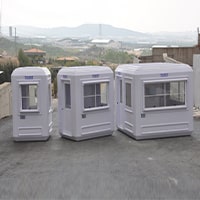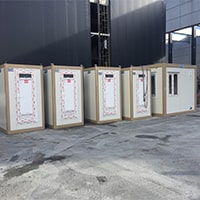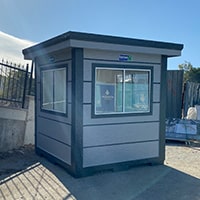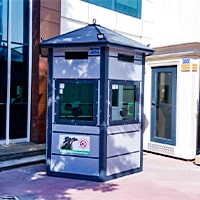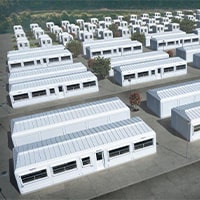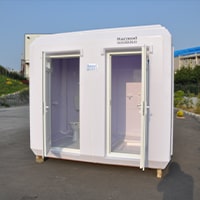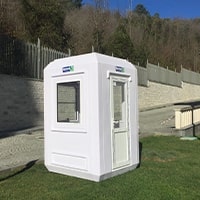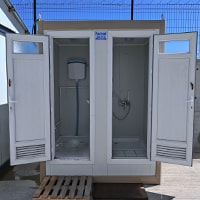

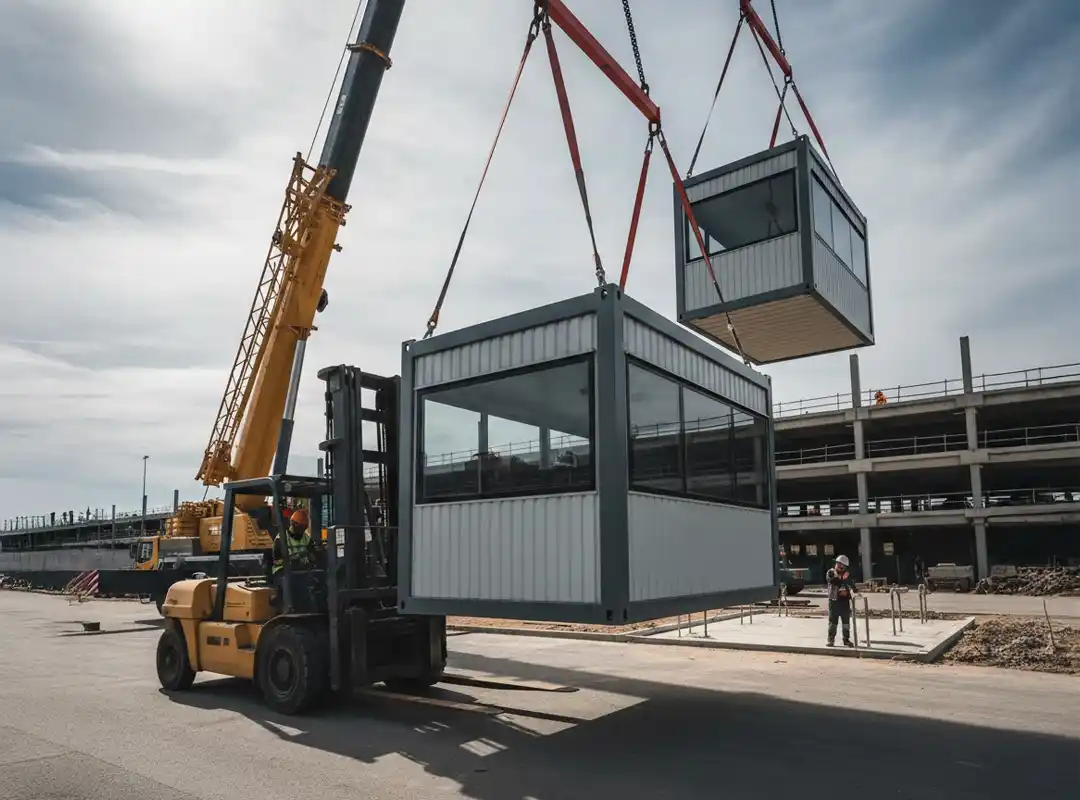
Transporting a security cabin requires precision, planning, and the right equipment. Whether you’re relocating a guard booth within the same facility or delivering a newly manufactured cabin to a project site, safe handling is essential to protect both the structure and its internal components. Because cabins are prefabricated and often fully equipped with electrical and mechanical systems, even minor mistakes during transport can cause damage or misalignment. Understanding the correct lifting, securing, and unloading methods helps ensure a smooth, risk-free operation.
Both forklifts and cranes are commonly used for moving and installing security cabins. The choice between them depends on the cabin’s size, weight, and location accessibility. Forklifts are ideal for short-distance movement and ground-level handling, while cranes are necessary for heavier units or when placement involves elevation or tight spaces. With the proper approach, both methods can ensure quick, efficient, and damage-free transport.
Before transporting a security cabin, several essential factors must be evaluated to guarantee safety and structural integrity throughout the process. The first and most critical step is to determine the weight, dimensions, and center of gravity of the cabin. This data helps you choose the right lifting equipment-whether a forklift or crane-and ensures proper load balance during movement. Always consult the manufacturer’s technical documentation for lifting point diagrams and weight distribution details. Attempting to lift a cabin without this information can lead to wall deformation, floor bending, or damage to integrated systems such as electrical wiring and insulation.
Another vital consideration is the type of terrain and accessibility of the transport route. Smooth, stable ground is required for forklift use, while cranes may be needed for rough, uneven, or elevated surfaces. It’s also important to verify weather conditions before scheduling transport-strong winds or heavy rain can pose serious risks during lifting operations. Finally, ensure that the cabin’s interior components (glass, fixtures, electrical systems) are properly secured to prevent movement or breakage in transit. By preparing in advance and selecting the right logistics plan, you can minimize risks and ensure that your security cabin arrives at its destination safely and fully intact.
Proper preparation is the foundation of a safe and successful security cabin transport operation. Before lifting or loading, the cabin must be thoroughly inspected to confirm that all doors, windows, and internal fixtures are securely closed and locked. Any loose items-such as chairs, electrical accessories, or detachable panels-should be removed or tightly fastened. If the cabin contains electrical or plumbing connections, they must be safely disconnected and sealed. This step prevents damage during movement and ensures no cables or pipes are left exposed.
It’s also crucial to inspect the lifting points and structural frame for any signs of wear, corrosion, or deformation. These are the areas that will bear the load during transport, so they must be in perfect condition. Apply protective padding or corner guards to prevent scratches or dents, especially if multiple cabins are being transported together. For long-distance deliveries, wrapping the cabin with shrink film or waterproof tarpaulin provides additional protection against rain, dust, and road debris. Taking these precautions not only maintains the aesthetic quality of the structure but also extends its lifespan by preventing small damages that could become major issues later on.
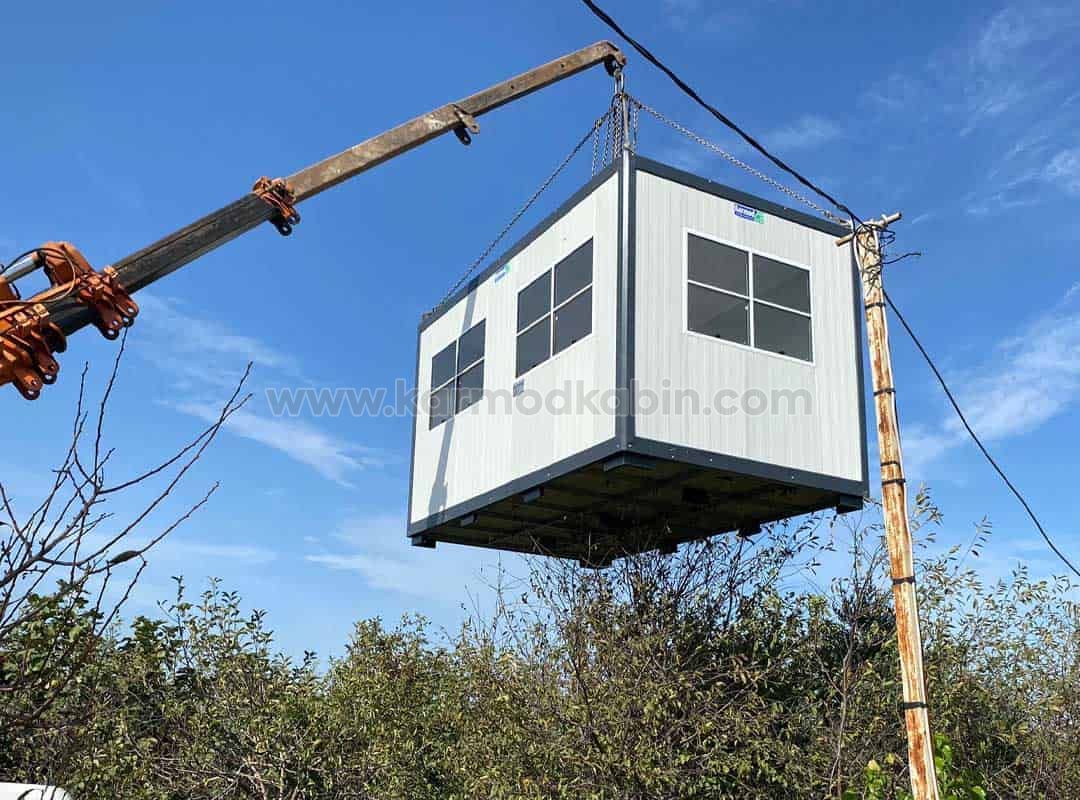
When transporting a security cabin with a forklift, precision and balance are crucial to avoid structural damage. Forklifts are best suited for light to medium-sized cabins and short-distance transfers on stable ground. Before lifting, always consult the manufacturer’s technical drawing to locate the designated forklift slots or lifting points-usually reinforced areas along the cabin’s steel frame or base. The forks should be fully extended beneath the cabin’s floor chassis, evenly spaced to distribute the weight. Never lift the structure by side panels or walls, as this can cause bending or detachment.
To maintain balance, raise the cabin slowly and keep it as close to the ground as possible while moving. The operator should ensure that the center of gravity is aligned with the forklift’s mast, especially on uneven terrain. Sudden movements or sharp turns should be avoided to prevent tilting. If the cabin is heavy or wider than standard forklift dimensions, use a double-forklift method-two synchronized forklifts lifting from both sides-to stabilize the load. Finally, check the forklift’s weight capacity before use; the machine must support the full load without exceeding its limit. A well-executed forklift transport ensures your security cabin arrives safely and intact, ready for immediate installation.
For large or heavy security cabins, or when access to the site is limited, crane transport is the safest and most efficient method. Cranes are especially necessary when the cabin must be lifted over walls, placed on rooftops, or installed in confined areas where forklifts cannot operate. Before lifting, the cabin’s total weight and center of gravity must be confirmed to select the appropriate crane capacity and rigging configuration. The use of certified lifting slings, shackles, and spreader bars is essential to ensure even load distribution and prevent pressure points on the cabin’s roof or side panels.
To guarantee safe lifting, the crane operator and rigging team must work in full coordination. Slings should be attached only to manufacturer-approved lifting hooks or brackets, never to random frame sections. The cabin should be lifted slowly, just a few centimeters at first, to check balance before completing the lift. Wind speed should be below safety thresholds-strong gusts can destabilize suspended loads. Once airborne, movement should be smooth and steady, avoiding sudden stops or swings. Upon placement, workers must guide the cabin precisely using tag lines, ensuring correct alignment with the prepared foundation. By following these professional steps, crane transport ensures your security cabin is delivered safely, securely, and damage-free, even in complex installations.
Once your security cabin has been loaded onto a truck or trailer, proper securing is the key to preventing damage during transport. Because cabins are prefabricated structures with delicate components such as windows, panels, and electrical fittings, they must be fastened using the correct straps, anchors, and support blocks. Heavy-duty ratchet straps should be placed across the cabin’s structural base-not the roof or walls-to prevent crushing or warping. The straps must be tightened evenly to hold the cabin firmly without creating tension that could deform the body. For added stability, wooden wedges or rubber pads should be positioned under the chassis to absorb vibrations and protect the frame from movement or friction.
During transit, periodic inspections are vital. Drivers should stop at intervals to check that straps remain tight and that no shifting has occurred, especially on long-distance or uneven routes. Avoid stacking multiple cabins unless they are designed for that purpose, as excessive weight can cause damage. Additionally, ensure that doors and windows remain locked, and that no cables or accessories hang loose. For maximum protection, covering the cabin with a weatherproof tarpaulin shields it from dust, rain, and wind pressure. By following these guidelines, you guarantee that your security cabin arrives in perfect condition-ready to be installed immediately upon delivery.
Even a well-planned security cabin transport can go wrong if certain precautions are overlooked. Many of the most common issues stem from human error, poor preparation, or inadequate equipment. Each mistake not only risks damaging the cabin but can also endanger workers and cause costly project delays. By understanding these risks in advance, you can take preventive measures and ensure a smoother, safer process from start to finish.
The following are the most frequent mistakes that should be avoided when moving a cabin:
Avoiding these mistakes is as much about training as it is about equipment. Ensuring that all operators are certified, machinery is inspected, and weather conditions are favorable will help maintain the structural integrity of your security cabin and ensure a flawless delivery every time.
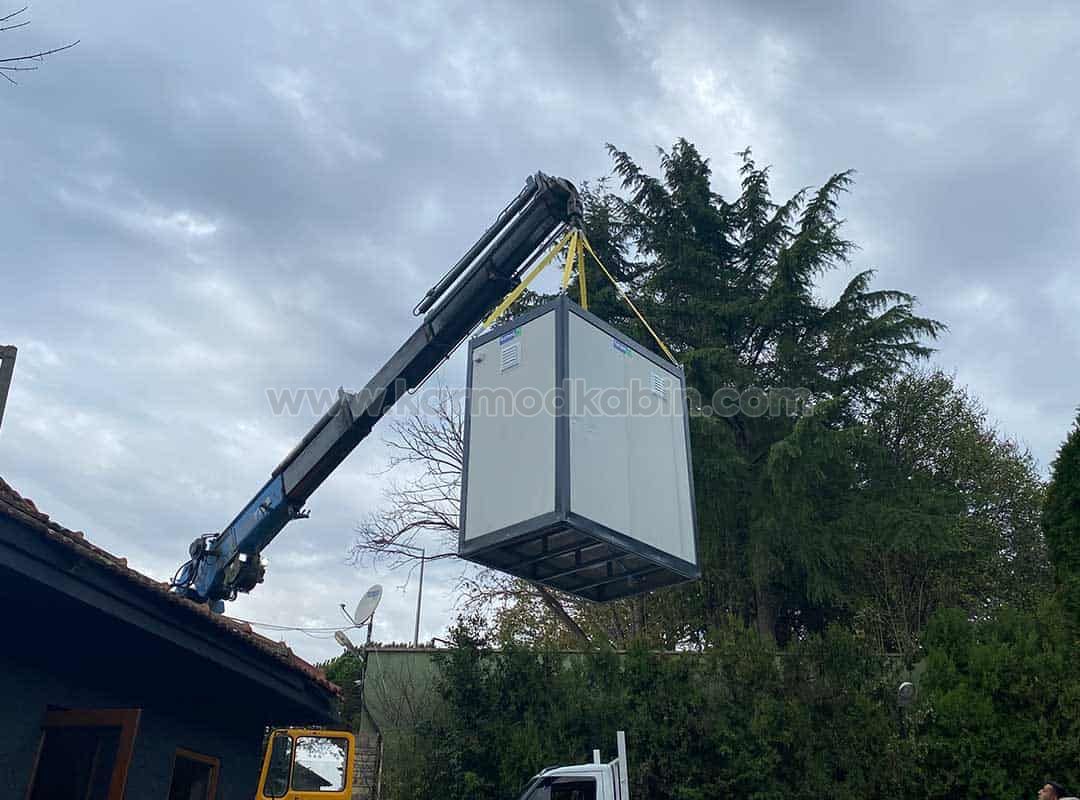
Transporting a security cabin involves more than logistics-it also requires strict adherence to national and international safety standards. Each country has its own laws governing the movement of large or prefabricated structures, and failing to comply can result in fines, confiscation, or delays. These regulations cover everything from vehicle load limits to operator qualifications and equipment certification. Following them not only protects your cargo but also reinforces your company’s reputation for professionalism and responsibility.
Below are key regulations and safety standards to keep in mind:
Complying with these standards guarantees that the entire process-from factory loading to final placement-remains safe, legal, and efficient. A well-regulated transport operation also minimizes liability risks and demonstrates your company’s dedication to quality and safety in every stage of security cabin delivery.
Selecting the right logistics partner is just as important as choosing the right cabin manufacturer. A professional transport company experienced in modular and prefabricated structures ensures that your security cabin reaches its destination safely, on time, and in perfect condition. The ideal partner should have a proven track record with forklift and crane operations, proper load insurance, and certified equipment suited to handle cabins of various sizes and weights. Before hiring, it’s wise to request documentation of their lifting procedures, operator certifications, and previous project references. Working with experienced professionals eliminates risks such as structural damage, delayed delivery, or compliance issues during transport.
In addition to experience, communication and coordination are key. Your logistics partner should work closely with your production or installation team to schedule pickup, route planning, and on-site placement. They must also conduct a route inspection beforehand to identify potential obstacles such as low bridges, narrow roads, or restricted access points. A reliable company provides real-time updates and guarantees that your cabin is handled according to safety and regulatory standards from loading to final installation. Partnering with the right logistics provider not only safeguards your investment but also enhances your brand’s reputation for professionalism and reliability.
Once your security cabin has arrived on-site, a detailed post-transport inspection is essential before installation. Start by visually examining the entire exterior - check for scratches, dents, or misalignments that might have occurred during transit. Pay special attention to corners, lifting points, and panel joints. Next, inspect the base frame and foundation contact areas to ensure the cabin sits level and stable. If the cabin includes electrical or plumbing systems, verify that all connections are intact and undamaged. Any protective wrapping, strapping, or corner padding should be removed carefully to avoid scratching the painted surfaces. Documenting the condition of the cabin immediately upon delivery is also recommended, especially for insurance and warranty purposes.
After inspection, proceed with installation readiness checks. Confirm that the prepared foundation or platform matches the cabin’s size and load capacity. For units that include electrical or HVAC systems, ensure certified technicians handle the final connections. Doors, windows, and internal fixtures should be tested for proper alignment and function before the cabin is officially put into use. If multiple cabins are being installed side by side, make sure spacing allows for maintenance access and wiring routes. Completing these steps ensures that your security cabin is not only delivered safely but also fully operational and compliant from the very first day of service.
Transporting and installing a security cabin may seem straightforward, but it requires technical expertise, precision equipment, and strict safety coordination. Partnering with a professional cabin manufacturer or logistics provider ensures that every stage-from lifting to final placement-is carried out in accordance with international standards. Experienced teams use certified forklifts, cranes, and load-securing systems to minimize risks and protect your investment. They also provide on-site supervision during delivery, ensuring that the cabin is placed exactly where it’s needed, levelled correctly, and ready for immediate use.
When you choose a professional partner, you save valuable time, reduce maintenance risks, and guarantee long-term performance. Every cabin we deliver is handled by specialists who understand the engineering design, lifting points, and structural balance of prefabricated units. Our goal is to provide a turnkey delivery solution-safe, fast, and fully documented.
Why trust professional delivery services:
Contact us today for a seamless, professional, and worry-free delivery of your security cabin. Our expert team ensures that your structure arrives intact, compliant, and installation-ready-no matter where your project is located.

Leading manufacturer in modular cabin since 1986.
 EN
EN