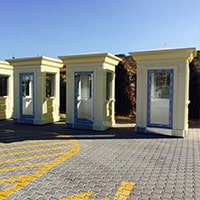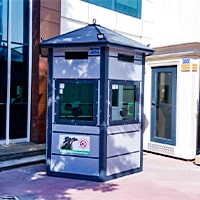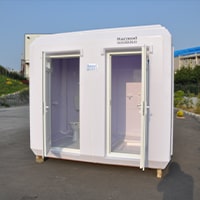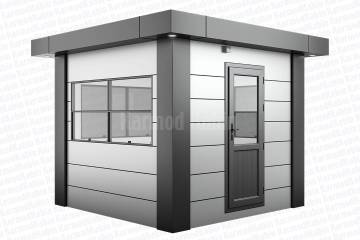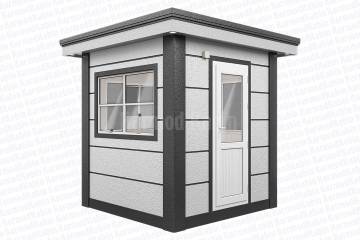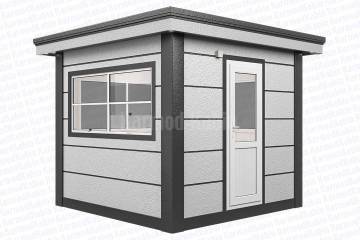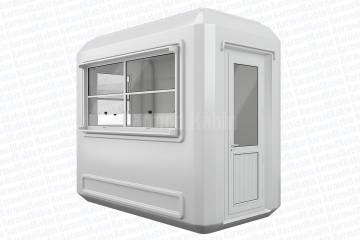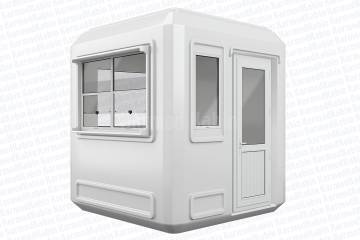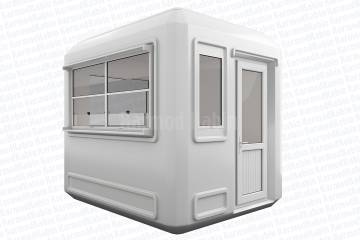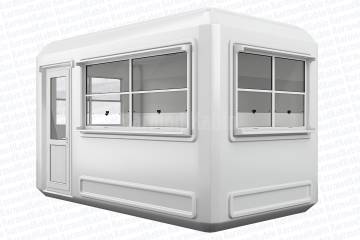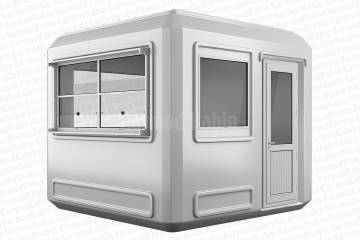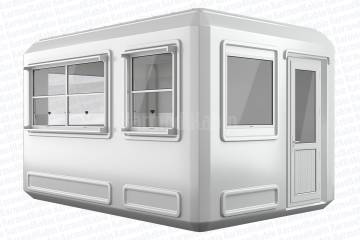

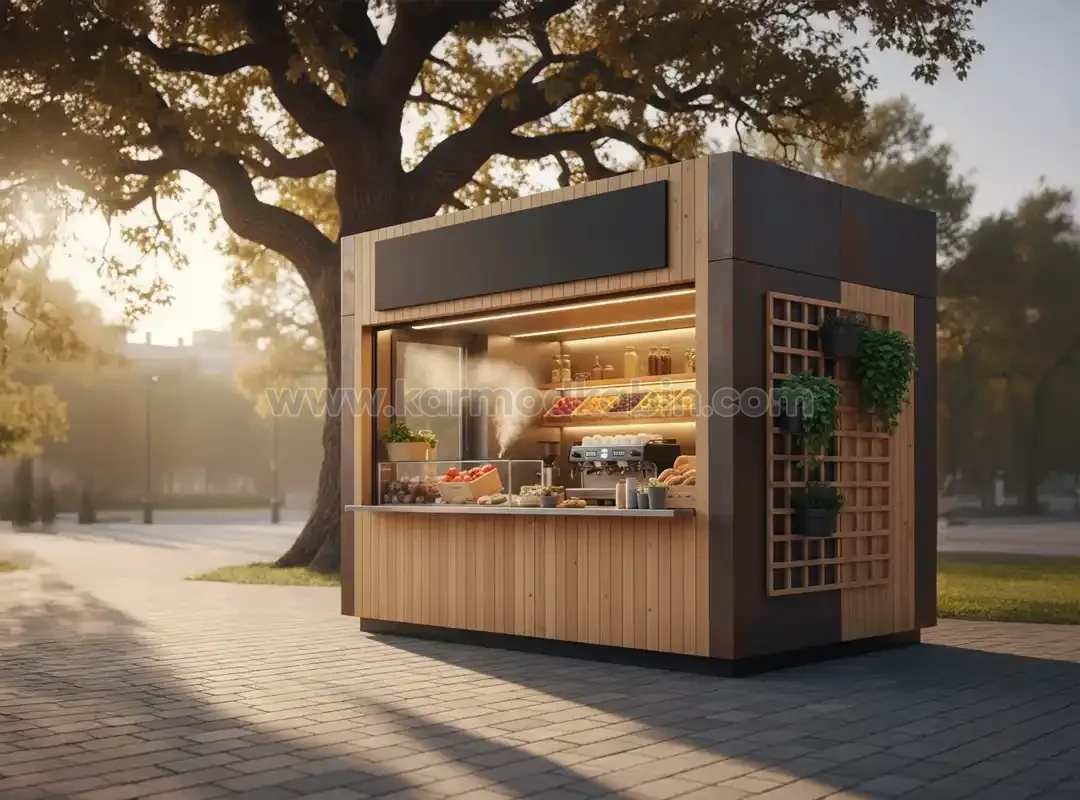
Starting a food kiosk business is one of the most exciting and profitable ways to enter the food industry with minimal investment. Unlike traditional restaurants, kiosks require less space, lower startup costs, and offer maximum flexibility-you can set up in high-traffic areas, events, or even rotate locations seasonally. With the right planning, your food kiosk can grow from a small startup into a thriving brand recognized for its quality and convenience.
Today’s consumers are constantly on the move, and they’re drawn to quick, accessible, and visually appealing food options. This is where modern prefabricated and modular kiosks stand out. Designed for mobility, durability, and style, these units provide entrepreneurs the ideal foundation to launch their culinary ventures-whether it’s a coffee stand, juice bar, burger kiosk, or gourmet street food concept.
The key to success lies in planning strategically: understanding your audience, choosing the right location, managing your costs, and selecting a high-quality kiosk structure that enhances your brand identity. This guide walks you through every step of launching your own kiosk-from setup and licensing to design and marketing-so you can build a business that stands out in both taste and presentation.
For aspiring entrepreneurs, the food kiosk business offers a golden opportunity to enter the market without the heavy risks and expenses associated with traditional restaurants. With a lower upfront cost and faster setup process, kiosks are ideal for testing concepts, exploring new locations, or building a loyal customer base quickly. They allow flexibility, creativity, and scalability-all essential ingredients for a successful start-up.
Unlike conventional dining spaces, kiosks can operate in diverse environments-shopping centers, festivals, campuses, or busy streets-where foot traffic guarantees consistent visibility. Their compact yet customizable structure makes it possible to experiment with unique menus and seasonal offerings. You can start small, analyze what works, and then expand your brand strategically.
Moreover, modern prefabricated and modular food kiosks are designed for functionality and long-term use. With integrated power systems, ventilation, and hygiene-friendly surfaces, these units allow you to focus entirely on your products and customers instead of worrying about infrastructure. For entrepreneurs seeking a fast, flexible, and profitable business model, the food kiosk is the perfect entry point into the competitive food industry.
The success of any food kiosk business depends heavily on where it’s placed. Even the most delicious menu won’t perform well in the wrong spot. Choosing a high-traffic, strategically visible, and easily accessible location is the foundation of steady sales and long-term success. Whether your kiosk is serving morning coffee, fast snacks, or street-style meals, location determines how many people notice, stop, and buy.
Start by identifying areas with consistent daily foot traffic-like shopping malls, transport hubs, university campuses, or event zones. These locations naturally attract hungry or time-limited customers looking for quick, convenient options. Visibility is equally critical; your kiosk should be noticeable from multiple directions, ideally near pathways where people already slow down or gather.
Beyond visibility, think about context and timing. A smoothie kiosk might thrive near a gym or park, while a late-night food stall fits better near entertainment districts. Local regulations and rent costs also matter-some areas may require specific permits or higher fees, so always balance exposure with financial feasibility.
A well-chosen location doesn’t just bring more customers-it builds consistency. Once people start associating your kiosk with convenience and quality, they’ll return again and again, turning casual visitors into loyal clients.
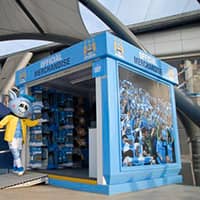
Your food kiosk’s design is the first thing customers notice-and it can make or break their decision to stop and buy. A well-designed kiosk doesn’t just look appealing; it communicates professionalism, cleanliness, and quality. The design should capture attention from a distance, reflect your brand’s personality, and make customers feel confident about the food they’re about to enjoy.
Modern modular kiosks make this easier than ever. They can be customized with eye-catching materials, efficient layouts, and built-in functionality that helps you operate smoothly. From the lighting to the serving counter, every element plays a role in creating a seamless customer experience.
Here are key design principles that attract customers and build brand trust:
An attractive kiosk doesn’t just draw crowds-it builds trust at first glance. When customers see a clean, well-lit, and well-branded kiosk, they’re far more likely to stop, order, and come back for more.
Before serving your first customer, your food kiosk business must meet all local legal and health requirements. Compliance isn’t just about avoiding fines-it’s about earning customer trust and operating smoothly without interruptions. A properly licensed kiosk signals professionalism and reliability, reassuring clients that the food they’re buying is safe and handled with care.
Depending on your region, the specific documents and inspections may vary, but most authorities require similar core permits. Securing these early prevents costly delays and protects your business reputation.
Here are the most common licenses and permits needed to operate a food kiosk legally:
Staying compliant not only protects your business but also enhances customer confidence. People are more likely to purchase from a kiosk that operates transparently, visibly meeting all food and safety standards.
Once your paperwork is complete, it’s time to transform your food kiosk into a fully functional business. The setup stage determines how efficiently you’ll serve customers, how comfortable your team will be, and how smoothly daily operations will run. Every element-from the kitchen layout to power supply-should be optimized for safety, speed, and quality.
Start with a layout that supports an organized workflow. The serving area should be clear and welcoming, while the preparation zone must allow staff to move freely without crowding. Modular kiosks make this easy, as they can be custom-designed with built-in counters, shelves, sinks, and ventilation systems. Pay close attention to ergonomics: efficient design saves time and reduces fatigue during busy hours.
When selecting equipment, invest in durable, energy-efficient appliances suitable for your menu-grills, fryers, refrigeration units, coffee machines, or juicers. Reliable electrical wiring, sufficient lighting, and a stable water connection are must-haves. Don’t forget waste management solutions and proper ventilation systems to ensure compliance with health and fire safety standards.
A well-equipped and thoughtfully arranged kiosk not only improves service speed but also enhances customer experience. When customers see cleanliness, efficiency, and professionalism in your setup, they’ll associate your brand with quality and trust.
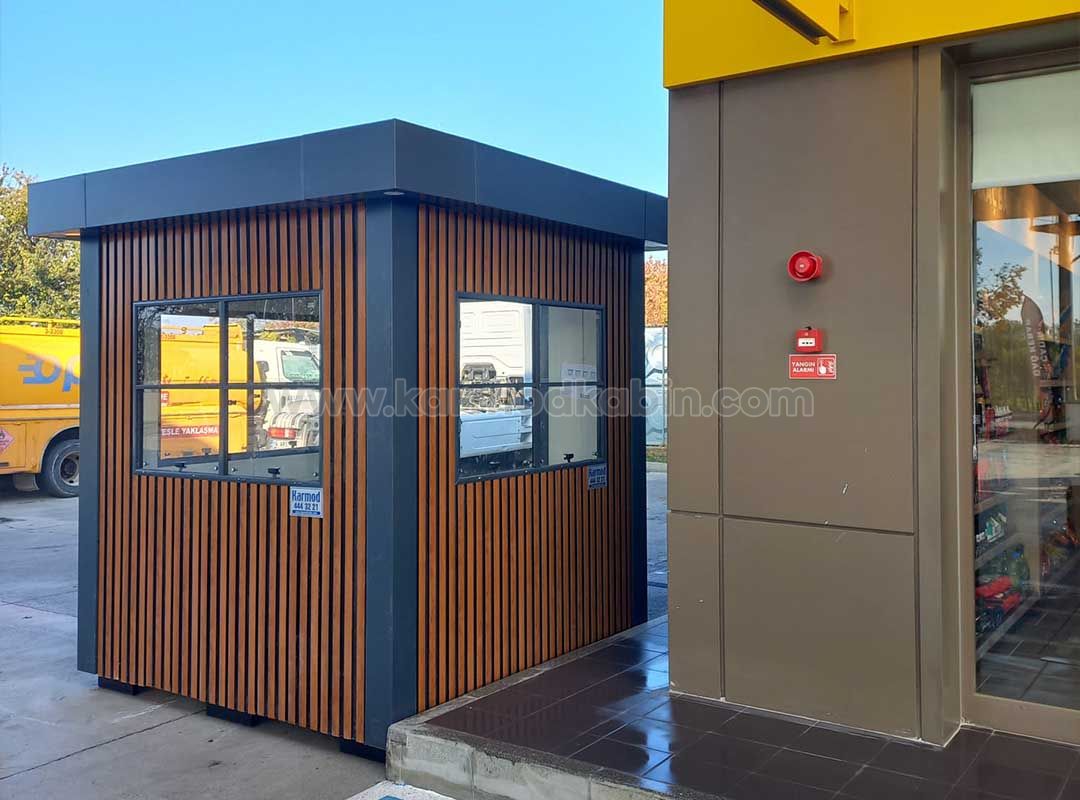
Even the best food won’t sell if people don’t know about it. Successful food kiosk businesses combine great products with smart, consistent marketing. Whether you’re just opening your first kiosk or expanding to multiple locations, promoting your brand strategically helps attract steady customers and turn first-time visitors into loyal fans.
Your marketing plan should blend digital visibility with real-world presence. Social media, local ads, and location-based promotions are powerful tools for creating buzz and driving foot traffic. Pair these with exceptional service and memorable branding, and your kiosk will quickly become a recognizable stop in the area.
Here are proven marketing strategies to grow your food kiosk business effectively:
Consistent marketing builds visibility, but authenticity keeps people coming back. Customers want more than food-they want an experience. Present your kiosk as part of their daily routine or leisure time, and you’ll build lasting connections that grow your brand.
Running a successful food kiosk business requires more than good recipes-it demands daily discipline and smooth organization. The way you manage staff, cleanliness, and supplies determines not only customer satisfaction but also your long-term reputation. Consistency in these areas keeps operations stable, efficient, and profitable.
Start with your team. Train every employee to understand hygiene protocols, customer service, and workflow efficiency. Since space inside a kiosk is limited, teamwork and clear communication are essential. Encourage your staff to maintain a clean workspace, handle food safely, and follow daily closing routines such as equipment cleaning and waste disposal.
Hygiene should always be a top priority. Regular sanitization, clean uniforms, and safe storage of ingredients prevent contamination and reflect professionalism. A spotless kiosk naturally attracts more customers and helps you pass any surprise health inspections with ease.
Equally important is inventory control. Track supplies daily to avoid shortages or excess waste. Implement a simple digital or manual system to monitor ingredient usage, expiration dates, and reorder schedules. Proper inventory management not only reduces costs but also ensures freshness-one of the biggest factors in repeat business.
A well-run kiosk feels organized, smells clean, and operates smoothly. When customers sense that level of professionalism, they trust your brand-and that trust turns into repeat visits and word-of-mouth growth.
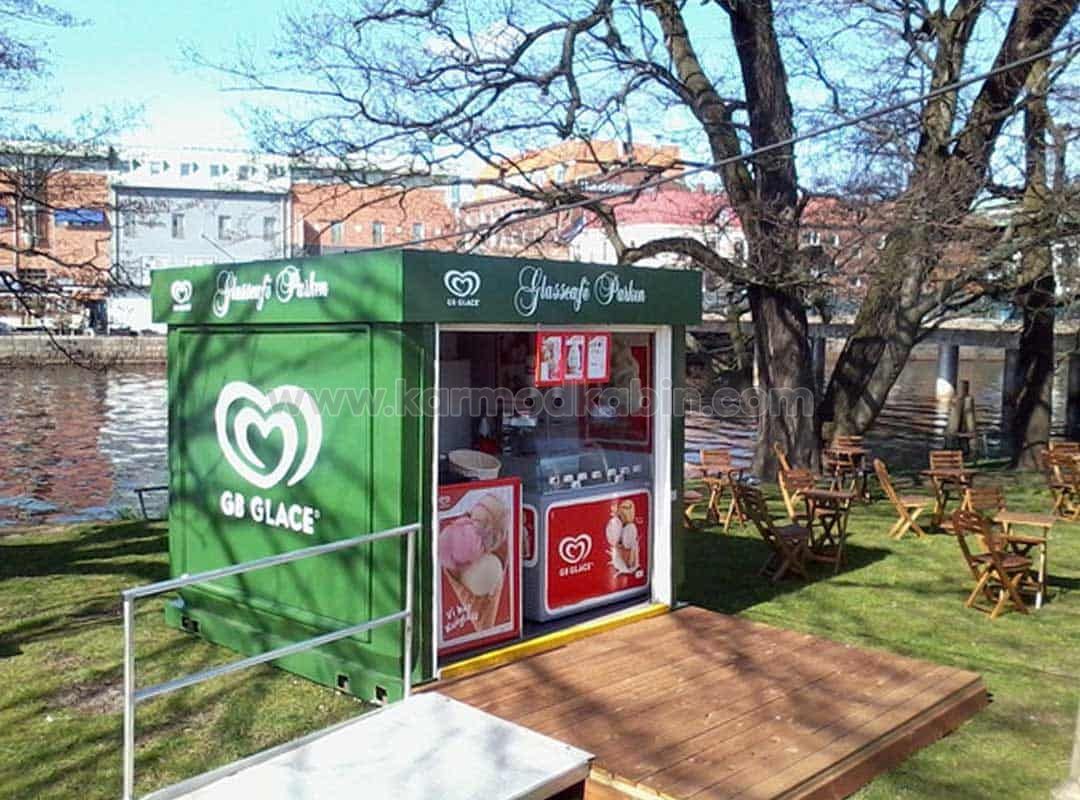
Once your first food kiosk is running smoothly, expanding into multiple locations becomes the natural next step. Growth doesn’t always mean doubling your workload-it means replicating what already works while keeping the same quality and customer experience. With a well-documented business model and consistent brand identity, scaling up can happen quickly and sustainably.
Start by analyzing performance data from your initial kiosk: sales volume, peak hours, popular menu items, and customer feedback. These insights reveal what makes your business successful and where to focus improvements. Once you identify a proven formula, you can confidently replicate it in new locations.
Expansion can take several forms-opening additional kiosks in different districts, franchising your brand, or partnering with event organizers for seasonal pop-up setups. Modular and prefabricated kiosks make this process faster and more cost-efficient; they can be relocated, customized, or replicated without major construction costs.
As you grow, standardize your operations. Develop a simple training manual, supplier list, and maintenance checklist to ensure every kiosk delivers the same level of taste, service, and hygiene. Growth doesn’t have to compromise quality-when done strategically, it strengthens your reputation and creates a recognizable network of trusted food spots.
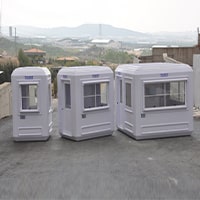
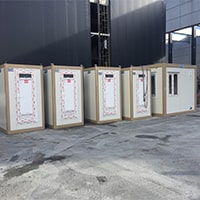
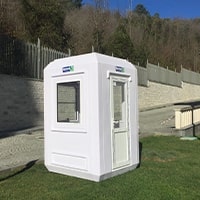
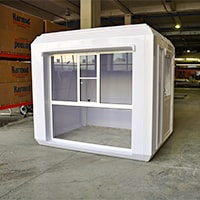
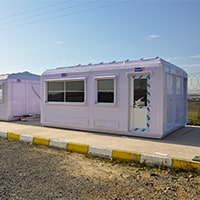
In today’s fast-paced food industry, flexibility and speed matter as much as quality. That’s why prefabricated and modular food kiosks have become the go-to solution for entrepreneurs who want to launch or expand their business efficiently. Unlike traditional structures, modular kiosks are built off-site in controlled environments, ensuring precision, durability, and minimal on-site construction time.
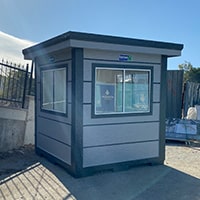
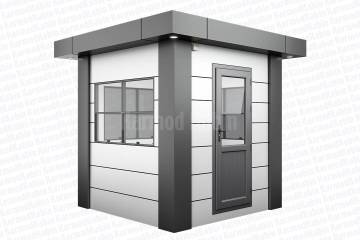
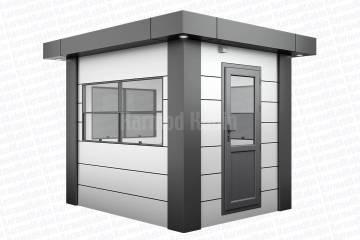
Prefabricated kiosks offer exceptional value by combining mobility, aesthetics, and functionality. Whether you’re starting a coffee corner, burger stand, or juice bar, these units can be customized to reflect your brand style while maintaining top hygiene and safety standards. Their solid insulation, integrated plumbing, and electrical systems make them ready to use immediately upon delivery-helping you start selling faster and earning sooner.
From an investment standpoint, modular kiosks reduce both startup costs and maintenance expenses. Their robust steel or composite panels resist weather conditions, corrosion, and heavy use, ensuring long-term reliability. When your business grows, these kiosks can be easily relocated, expanded, or upgraded without major reconstruction.
For serious entrepreneurs, a prefabricated kiosk isn’t just a purchase-it’s a business strategy. It allows you to test new markets, adapt to customer demand, and expand your footprint quickly. Choosing a high-quality, factory-built kiosk means choosing efficiency, mobility, and professional design-all the qualities that make modern food ventures thrive.
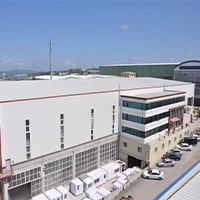
Your dream of owning a profitable food business starts with the right foundation-and that begins with a high-quality prefabricated kiosk. We design and manufacture durable, customizable, and visually striking food kiosks that help entrepreneurs launch fast, operate efficiently, and stand out in any location.
Whether you’re planning a single kiosk or a growing chain, our expert team builds each unit with precision-engineered materials, energy-efficient systems, and modern designs tailored to your brand. From compact coffee stands to full-service modular kitchens, we deliver solutions ready to perform from day one.
Make your business vision a reality. Contact us today to get your custom food kiosk directly from the manufacturer - built to attract customers, boost profits, and grow with your success.

Leading manufacturer in modular cabin since 1986.
 EN
EN