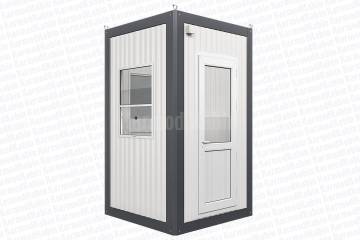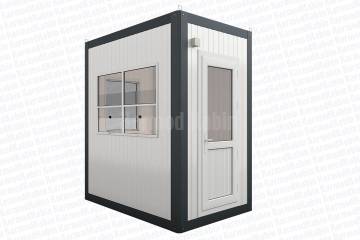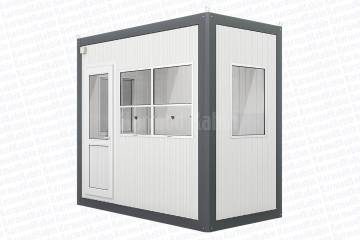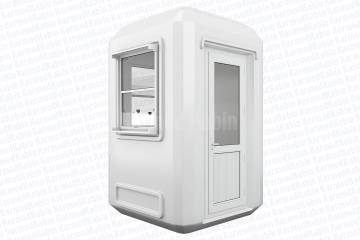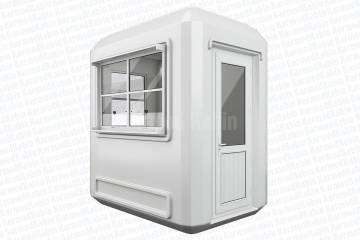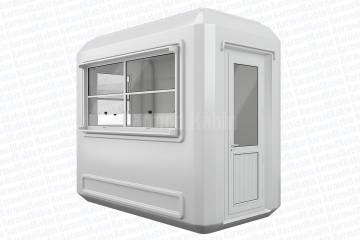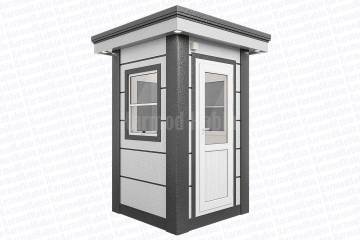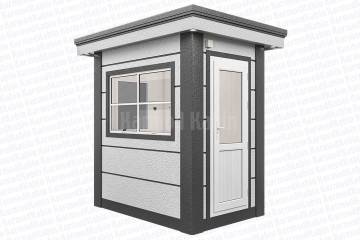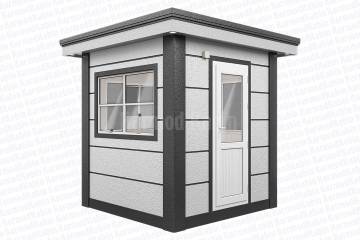

As the demand for secure and modular infrastructure continues to rise, guard huts have become essential for construction companies, industrial facilities, logistics areas, and commercial sites. Yet one of the most common questions buyers ask is: “How much does a guard hut cost in 2026?”
Determining the price of a guard hut is not as straightforward as quoting a single number. Prices depend on materials, size, design complexity, insulation, added features, and even delivery location. In 2026, global supply chain adjustments and the rise of eco-friendly building materials have introduced new variables into the cost equation. To help buyers plan budgets realistically, this guide breaks down every factor that influences guard hut pricing - from structure type to total cost of ownership.
The price of a guard hut is shaped by several interconnected elements - much like how a building’s value is determined by its design, materials, and functionality. The base cost usually includes the frame, wall panels, doors, windows, and electrical wiring. However, any upgrades or special configurations can alter pricing dramatically.
Material selection is one of the largest cost drivers. Galvanized steel, aluminum, and composite panels all vary in durability and price. Insulation type, whether polyurethane (PUR), polyisocyanurate (PIR), or rock wool, also affects thermal performance and energy efficiency - ultimately influencing long-term value.
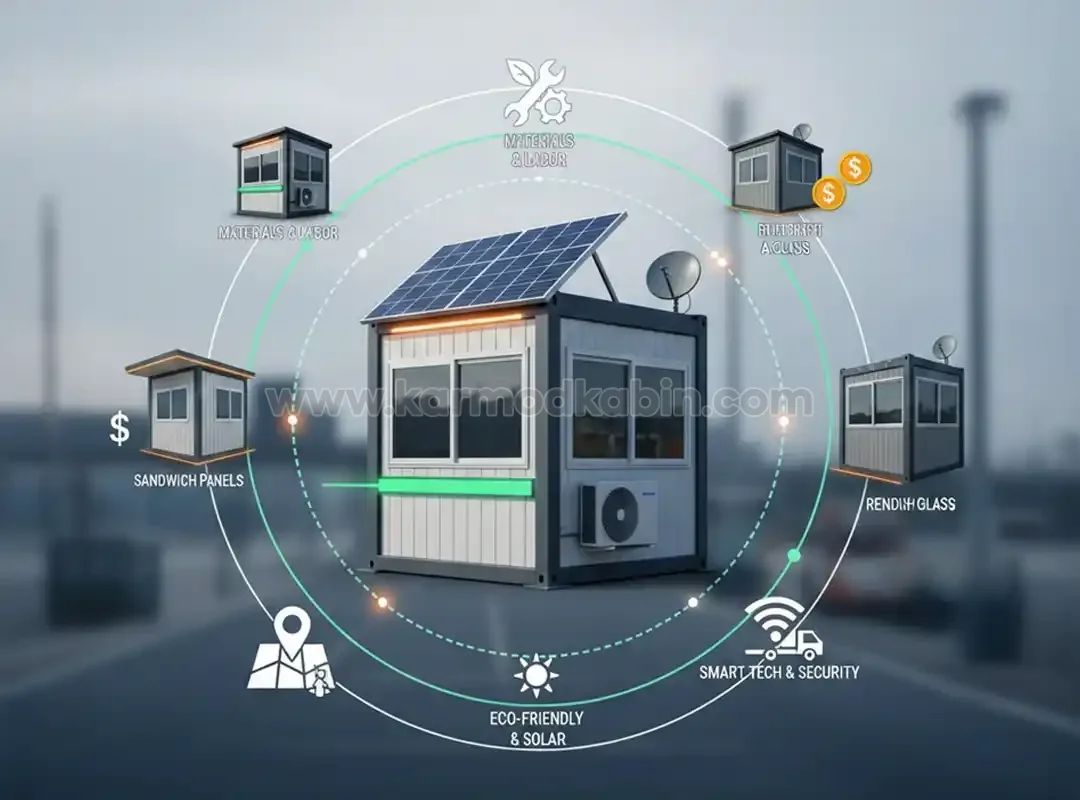
Labor, production technology, and design complexity further add to pricing. Prefabricated, standard-sized units are typically more affordable than custom-made versions with bulletproof glass, air conditioning, or solar panels. Understanding these components helps buyers make informed comparisons between price and value.
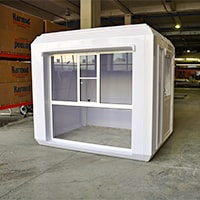
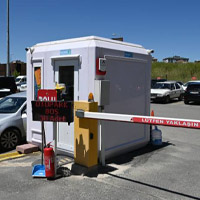
Not all guard huts are built the same. Structural materials play a critical role in both durability and cost. Entry-level models often feature sandwich panels with 40–50 mm insulation, suitable for mild climates and short-term use. These are the most cost-effective, often used at parking lots, schools, or event areas.
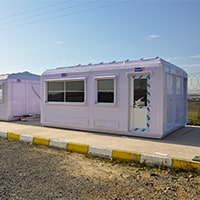
Mid-range models, typically constructed from galvanized steel frames and 60–75 mm insulated panels, provide better structural rigidity and thermal resistance. They are ideal for construction sites and medium-term industrial applications. High-end models may include reinforced columns, double-glazed windows, and anti-corrosion coatings - designed for long-term use in harsh environments.
Roof structure and flooring systems also affect pricing. A flat insulated roof costs less, while sloped or reinforced roofs increase both materials and labor. Flooring made with PVC, ceramic tiles, or aluminum checker plates adds comfort but also cost. The difference between a simple entry-level cabin and a premium model can range anywhere from $1,200 to $8,000 USD depending on size and configuration.
Below is a general guide to help estimate price ranges for different categories of guard huts commonly available in the 2026 market. Actual prices can vary based on customization, location, and brand specifications.
When evaluating prices, it’s important to consider that smaller huts might cost less upfront but larger or specialized models deliver higher long-term value due to durability, insulation efficiency, and comfort.
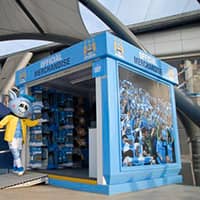
Customization is what turns a standard guard hut into a high-performance workspace - but every upgrade adds to the final price. Here are key options that influence cost in 2026:
Each option enhances functionality and user experience. Buyers should balance necessity with budget - identifying which features truly add operational value versus purely aesthetic upgrades.
Geographical location significantly influences overall cost. In regions with high import taxes or limited local production, prices may rise by 15–30%. Shipping distance, fuel costs, and access routes all affect logistics fees.
For example, inland transportation for prefabricated units typically costs $2–$4 per kilometer, depending on weight and size. Exported models incur customs, VAT, and packaging costs, which can increase total pricing by another 10–15%. Buyers should always confirm whether quoted prices include delivery and installation, as these often represent hidden expenses that vary by region.
Prefabricated guard huts are mass-produced in standard dimensions, allowing economies of scale that make them more affordable and faster to deliver.
Prices are predictable, and quality consistency is easier to maintain.
Custom-built guard huts, however, offer flexibility in design and materials. While initial costs are 20–40% higher, customization ensures the structure perfectly suits operational needs - whether for a specific site layout, branding requirement, or environmental condition. For organizations planning long-term use, the higher upfront cost often pays for itself through improved efficiency and longevity.
With rising energy costs and environmental awareness, eco-friendly guard huts are gaining traction. Solar-powered and high-insulation models cost more initially - sometimes by 15–25% - but yield significant savings over time.
Energy-efficient lighting, motion sensors, and reflective cladding materials reduce power consumption. Over a 10-year span, these systems can lower operational costs by 30–40%, while improving indoor comfort and temperature stability. For companies aligning with sustainability policies or pursuing green certifications, the return on investment is both financial and reputational.
Buying a guard hut is not just about upfront price - long-term ownership costs matter too. Routine maintenance ensures extended service life and lower repair expenses.
Considering these figures, investing in higher quality materials upfront reduces overall lifecycle costs - proving that durability is often the most cost-effective choice in the long run.
The 2026 guard hut market reflects a combination of global industrial changes and technological innovation. Raw material prices, especially for steel and aluminum, have seen modest increases of 5–10% compared to previous years. Meanwhile, energy-efficient and modular production methods have stabilized manufacturing costs.
There’s also a growing trend toward sustainable and smart cabins - solar-ready designs, hybrid energy systems, and IoT-enabled monitoring. These technological integrations will continue influencing average pricing but also expanding functionality. Buyers in 2026 should expect slightly higher base costs but significantly greater value in return - more durability, lower maintenance, and smarter energy management.
Getting the best deal doesn’t always mean choosing the lowest price. True value lies in balancing cost, quality, and long-term reliability. Buyers should request detailed quotations that specify materials, insulation thickness, electrical capacity, and warranty terms. Transparent specifications help compare “apples to apples” between suppliers.
Additionally, consider after-sales support and certification standards (ISO 9001, CE, or local building codes). Choosing a hut that meets recognized quality criteria ensures safety and compliance. Finally, verify that installation, delivery, and warranty services are clearly included in your quotation to avoid unexpected expenses later.
Invest smartly in your security infrastructure with a durable, customizable, and cost-efficient guard hut that fits both your operational and financial goals. Contact us today to receive your personalized quote and discover the most competitive guard hut prices available in the market.
Leading manufacturer in modular cabin since 1986.
 EN
EN