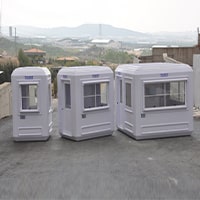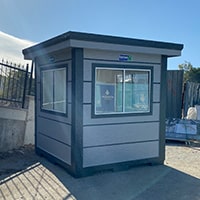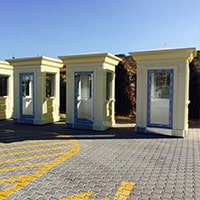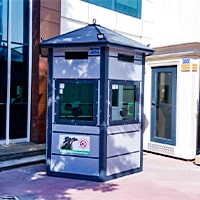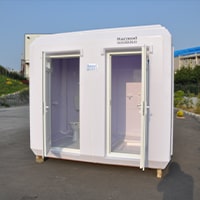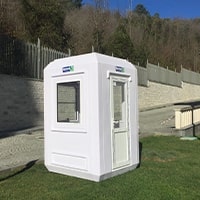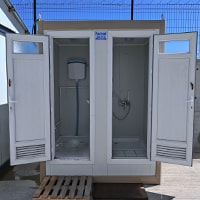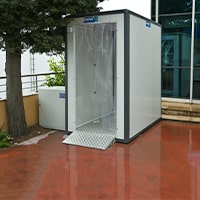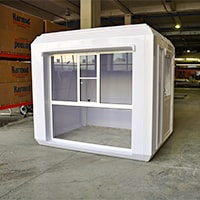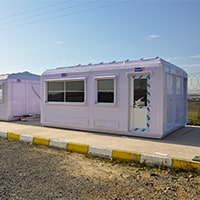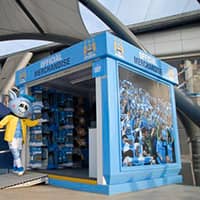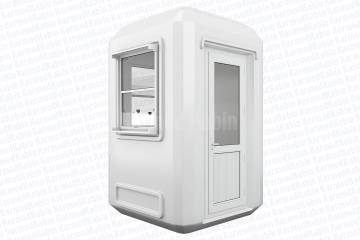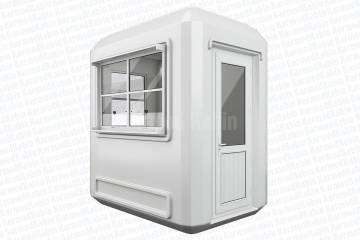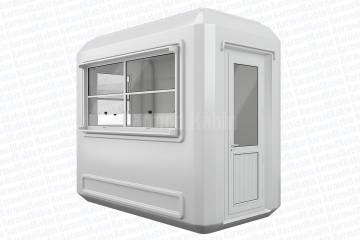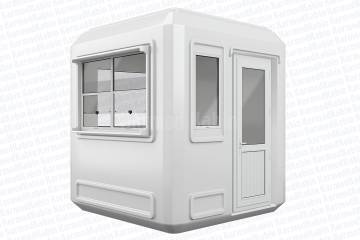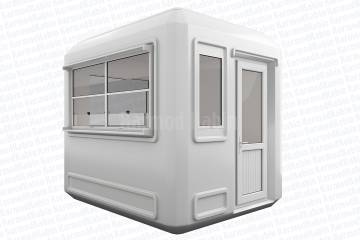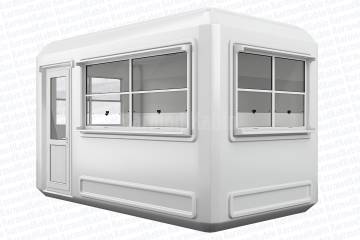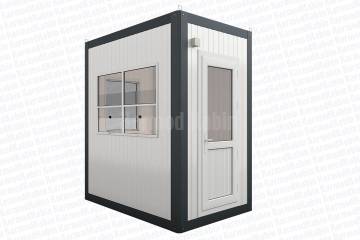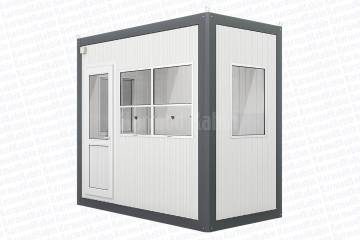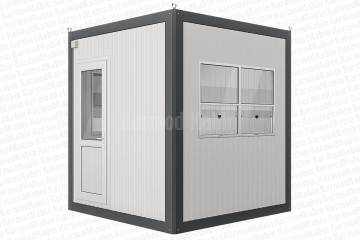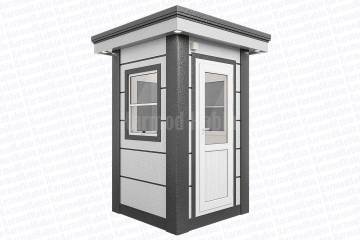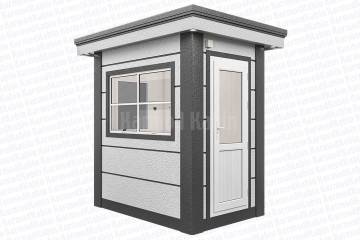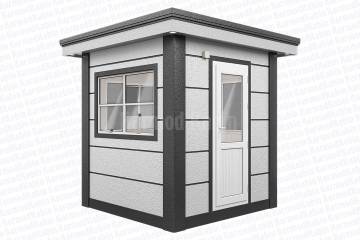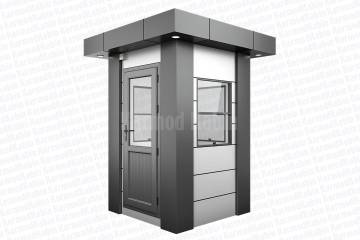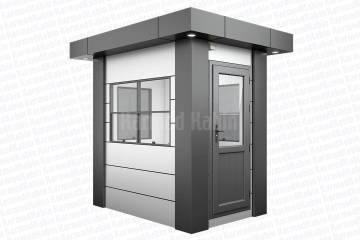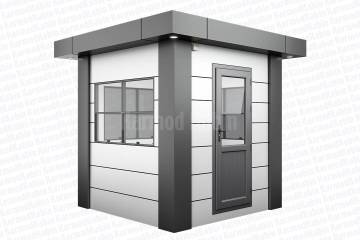

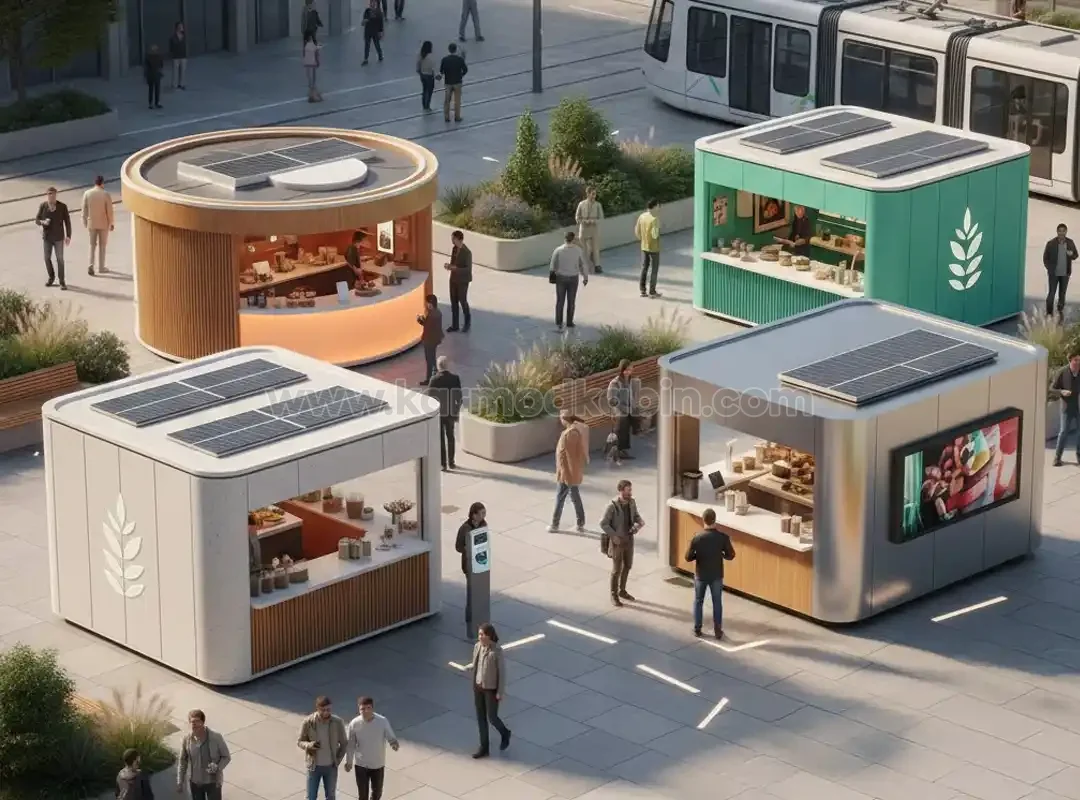
Starting a kiosk business in 2026 is one of the smartest entrepreneurial moves in today’s evolving retail landscape. Compact, efficient, and versatile, kiosks bridge the gap between affordability and visibility. Whether for food, beverages, or services, they offer a flexible business model that aligns perfectly with changing consumer habits and modern market dynamics.
The kiosk industry has seen massive transformation-thanks to urbanization, digitalization, and the growing preference for grab-and-go convenience. Entrepreneurs are increasingly investing in modular kiosks, portable retail cabins, and custom-designed booths that can be installed almost anywhere-from shopping malls and transport hubs to university campuses and open-air events. With minimal overhead and rapid setup, kiosks deliver strong ROI potential even for first-time investors.
A strong kiosk business plan in 2026 focuses not only on design and operations but also on aligning with market trends such as sustainability, mobility, and contactless payment systems. Businesses that adapt quickly to consumer demand, embrace smart technology, and choose quality kiosk manufacturers gain a competitive edge in this fast-growing segment.
The year 2026 marks a golden window for entrepreneurs aiming to enter the kiosk market. Consumer behavior has shifted decisively toward speed, accessibility, and personalized experiences-all of which kiosks naturally provide. Shopping mall foot traffic is recovering, outdoor events are expanding, and the demand for flexible retail formats has never been stronger. This makes 2026 a year when the kiosk industry isn’t just surviving-it’s thriving.
The rise of portable and modular kiosks allows investors to launch with lower upfront costs while maintaining high visibility. A kiosk can start generating income within weeks of setup, making it a low-risk entry point for aspiring business owners. Moreover, 2026’s emphasis on sustainable, energy-efficient materials-such as insulated panels, LED lighting, and solar-powered systems-aligns perfectly with eco-conscious consumers. Buyers today actively support brands that demonstrate responsibility through both design and operation.
Economic factors also play a decisive role. Compared to full-size retail stores or cafés, kiosks require a fraction of the capital, less staff, and faster ROI. Additionally, municipalities and shopping centers are increasingly supportive of kiosk initiatives that activate underused spaces, boosting local commerce. In essence, the 2026 kiosk ecosystem is designed for agility-giving smart entrepreneurs the chance to launch quickly, adapt easily, and grow sustainably.
The kiosk market in 2026 is driven by three main consumer priorities: speed, personalization, and sustainability. Modern customers are busier than ever-they want fast service, quality products, and memorable experiences. A well-designed kiosk that delivers quick transactions and consistent quality can easily outperform traditional retail setups. Whether it’s a coffee kiosk, street food stand, or modular service booth, buyers now expect brands to blend convenience with creativity.
Another powerful shift shaping 2026 is the rise of eco-conscious consumer behavior. Shoppers prefer kiosks built with energy-efficient systems, eco-friendly materials, and minimal waste operations. Modular kiosks with solar panels, LED lighting, and recyclable panels are not just trendy-they symbolize modern responsibility. Businesses that communicate their green initiatives gain both loyalty and positive public image.
Digital technology is also transforming the kiosk landscape. Consumers increasingly expect contactless payments, QR menus, digital displays, and self-ordering systems. These aren’t luxuries anymore-they’re standards of modern convenience. Smart kiosks that integrate mobile apps or digital loyalty programs attract repeat customers by merging on-site experiences with online engagement.
In 2026, the most successful kiosk brands will be those that listen to evolving customer needs and respond with adaptive design, seamless service, and strong visual identity. Investing in a kiosk that reflects innovation and sustainability isn’t just a choice-it’s a strategic advantage.
Selecting the ideal kiosk format is one of the most crucial decisions in your business plan. Each type serves a unique customer segment and operational model, so the key is to match your kiosk’s purpose with your target audience and location. In 2026, flexibility defines success-investors are choosing modular kiosks that can evolve from one concept to another with minimal adjustments.
Here are the most profitable and trending kiosk formats today:
Choosing the right type comes down to understanding both the foot traffic profile and the operational investment you’re ready to commit. The beauty of modular kiosk systems is that they can easily adapt - a coffee kiosk today can become a fresh juice booth tomorrow with minimal modification.
Your kiosk’s location can make or break its profitability. Even the most visually striking kiosk design won’t succeed if it’s placed in the wrong spot. The smartest kiosk owners in 2026 are no longer chasing random high-traffic areas-they’re choosing strategic micro-locations that balance visibility, accessibility, and relevance to their target audience.
Different locations serve different purposes and attract distinct types of customers. Choosing wisely allows your business to grow faster and stabilize income across seasons. Below are the most effective kiosk placement options:
A location strategy should never rely on luck. It should combine data-based observation (foot traffic counts, dwell time, demographics) with smart timing-understanding when and where customers are most likely to make impulse purchases.
Your kiosk’s design is your silent salesperson. Before a customer even approaches, the visual appeal and layout of your kiosk determine whether they stop-or walk past. In 2026, kiosk buyers are prioritizing modern modular designs, high-quality finishes, and brand consistency that instantly capture attention. A well-designed kiosk doesn’t just look good; it strategically guides movement, improves service flow, and subtly encourages higher spending.
A powerful kiosk layout starts with clarity. Each zone-from the counter and display to the payment area-should serve a purpose. Using durable materials like composite cladding, aluminum framing, and insulated panels ensures longevity while maintaining a premium look. Smart lighting, digital menus, and minimalist branding further reinforce the brand’s personality without overwhelming the customer.
Strong branding plays a major role in transforming a small structure into a recognizable business. From the logo placement and color palette to the tone of signage, everything should reflect your brand promise. When customers can immediately recognize your kiosk’s identity, it builds trust and recall value-even across multiple locations.
The success of a kiosk doesn’t depend only on what you sell - it depends on how you structure and price your offer. In 2026, kiosk owners who understand product mix and pricing psychology are consistently outperforming competitors. The goal is simple: create a combination of items that feels irresistible to customers while maximizing your average ticket size.
A balanced menu or product mix starts with clear differentiation. Each product should serve a purpose - a few core bestsellers to drive volume, a few premium options for higher margins, and limited-time specials to generate curiosity. For food and coffee kiosks, variety without complexity is the key: too many items slow service; too few limit appeal. For retail kiosks, cross-selling is essential - pairing complementary products boosts impulse purchases and customer satisfaction.
Pricing psychology plays an equally important role. Customers rarely buy the cheapest or the most expensive item; they choose what feels like the smartest option. That’s why effective kiosk operators use techniques such as decoy pricing, bundled offers, and tiered product displays. For example, offering a “combo” slightly above the single-item price can significantly increase average sales per transaction.
Smart kiosk pricing is not about lowering prices - it’s about designing perceived value. By analyzing customer behavior, positioning premium options strategically, and keeping visuals consistent, kiosk owners can subtly influence purchase decisions and elevate profitability without adding costs.
Before opening your kiosk, securing the right permits and meeting hygiene regulations is essential. In 2026, many municipalities have simplified the licensing process for small modular businesses - but compliance still determines how fast you can start operating. A well-prepared kiosk business plan should include a clear checklist of all documentation and safety standards.
Different kiosk formats require different permits. For example, food and beverage kiosks must meet sanitation and waste management criteria, while retail or service kiosks may need only location authorization. Working with a professional kiosk manufacturer that designs according to local codes and international safety standards ensures your structure meets all inspection requirements from day one.
Here’s a quick compliance roadmap for kiosk owners:
Completing these steps early allows you to launch faster and operate confidently. Delays often happen when kiosk owners overlook documentation or underestimate inspection times - two issues that can easily be avoided by partnering with an experienced supplier who understands the process inside out.
Every successful kiosk launch begins with smart preparation. Before opening day, your goal is to have a setup that’s both functional and efficient - no wasted space, no missing essentials. In 2026, kiosk owners are leaning toward modular systems that integrate utilities, insulation, and storage to minimize downtime and operating costs.
Selecting the right materials from the start ensures your kiosk looks professional and lasts longer. High-quality exterior cladding, composite panels, and durable flooring not only enhance aesthetics but also improve hygiene and maintenance efficiency. Investing in the right infrastructure upfront saves significant repair and upgrade costs later on.
Here’s a basic checklist of what every kiosk should be equipped with:
Even the most visually impressive kiosk will fail without strong daily operations. Success in 2026 depends on precision - from staffing schedules to standard operating procedures (SOPs). The goal is to create a system where every process runs smoothly, regardless of who’s on duty. A kiosk’s small size means every second and every staff member matters.
Start with shift planning. Staffing should match foot traffic patterns: mornings for commuters, midday for office crowds, and evenings for shoppers. In food and beverage kiosks, the busiest periods often come in short bursts - a well-planned rotation avoids burnout and ensures constant service quality. Use digital time-tracking tools or simple shift charts to keep operations transparent and predictable.
SOPs (Standard Operating Procedures) are your invisible managers. From restocking routines to cleaning protocols and cash reconciliation, every task should be written, repeatable, and measurable. Consistency builds reliability, and reliability builds brand trust - especially in high-traffic zones where customers return daily.
Loss prevention is another critical piece. Small kiosks are vulnerable to both inventory shrinkage and human error. Secure POS systems, clear cash-handling policies, and camera monitoring (if allowed) are must-haves. When every transaction and stock movement is accounted for, profitability becomes predictable.
Technology has completely reshaped the way kiosks operate. In 2026, digital integration isn’t optional - it’s the backbone of customer satisfaction and operational efficiency. Today’s kiosk buyers expect seamless transactions, automated reporting, and real-time insights into their sales performance. Investing in smart payment and tech solutions gives your kiosk a serious competitive advantage.
Here are the essential systems every modern kiosk should include:
The integration of technology also builds long-term scalability. With smart analytics and cashless systems, kiosk owners gain visibility into every aspect of their business - from product trends to profit margins. The result is a smarter, faster, and more customer-centered operation that adapts to evolving market behavior.
Launching a kiosk business is not just about opening the shutters - it’s about creating anticipation, visibility, and trust from day one. In 2026, smart marketing strategies for kiosks combine physical engagement with digital presence, turning a small footprint into a big brand impression. A successful launch plan should focus on driving immediate traffic, building recognition, and securing repeat customers within the first few weeks.
Modern kiosk marketing thrives on creative, low-cost tactics that connect emotionally with the audience. Sampling, collaborations, and social media integration all play critical roles in establishing your brand in high-traffic zones. The best kiosk brands don’t just sell; they tell a story - one that customers can relate to and share online.
Here are key strategies to make your kiosk stand out:
A kiosk’s size doesn’t limit its marketing potential - it enhances it. With compact operations and personal interaction, you can build a loyal following faster than many traditional businesses. Consistency, creativity, and community engagement turn one kiosk into a scalable brand.
A kiosk’s greatest strength lies in its financial efficiency. Compared to traditional retail spaces, kiosks require a fraction of the investment while offering similar-or even higher-profit potential. In 2026, entrepreneurs are focusing on lean startup models that prioritize fast ROI, modular construction, and long-term scalability. Understanding your cost structure and revenue dynamics from the beginning allows you to build a business that’s both sustainable and profitable.
When preparing your budget, think beyond just the purchase price. Include operational, maintenance, and marketing costs to get a realistic view of your payback period. Smart kiosk investors analyze every detail before launch to avoid cash flow surprises.
Here’s a clear breakdown of the main financial components to consider:
On average, most kiosk businesses achieve ROI within 12 to 24 months, depending on concept and traffic volume. Food kiosks and coffee kiosks often reach breakeven faster due to daily repeat customers, while retail kiosks may take slightly longer but offer higher margins.
Every business faces risks, but kiosk operations require special attention to seasonal changes, market volatility, and operational disruptions. In 2026, successful kiosk entrepreneurs aren’t avoiding risks-they’re anticipating them. A kiosk’s compact format allows rapid adaptation when planned correctly, but that flexibility only works if you’ve designed smart backup strategies from the start.
Seasonality plays a significant role in kiosk profitability. For example, ice cream or beverage kiosks may see peak sales in summer, while coffee or snack kiosks perform best in colder months. Understanding these cycles helps you plan product rotations, adjust staff schedules, and balance your stock levels efficiently.
Many kiosk owners now adopt dual-season menus-refreshing their offerings to stay relevant year-round.
Supply chain reliability is another critical factor. Kiosks rely on just-in-time inventory models, meaning even small delays can impact sales. Partnering with dependable suppliers, maintaining safety stock, and using digital inventory alerts minimize downtime and lost revenue.
Operational risks-such as power outages, equipment breakdowns, or sudden regulation changes-can be mitigated through preventive maintenance and insurance coverage. Choosing durable kiosk materials and working with a manufacturer that complies with fire and weather safety standards also reduces long-term vulnerabilities.
The ultimate protection for your margins comes from agility. A kiosk business that can quickly adjust its menu, location, or pricing will always stay one step ahead, no matter the economic climate or consumer trend.
Once your first kiosk achieves stability and steady revenue, the next logical step is expansion. In 2026, kiosk owners are scaling up faster than ever by leveraging modular manufacturing and replicable business models. The question is no longer whether to expand - it’s how: through franchising or company-owned growth. Each path has its own financial logic and control dynamics.
Franchising Model:
Company-Owned Growth:
The best strategy often combines both: start with company-owned flagship kiosks to perfect the model, then franchise once you’ve proven its success and profitability. A well-built modular kiosk design also simplifies scaling - identical units can be reproduced and shipped quickly, ensuring visual consistency across all locations.
The kiosk industry in 2026 is full of innovation, and several business concepts are standing out as clear winners. These success stories share one thing in common - they understand customer behavior and use modular design to deliver fast, memorable, and repeatable experiences. Entrepreneurs entering the market can learn a lot from these thriving examples.
One of the strongest trends is the rise of specialized coffee kiosks. Compact espresso or cold brew kiosks positioned in busy transit zones are seeing impressive daily turnovers with minimal staff. Their strength lies in consistency, branding, and customer loyalty programs that make people return every morning. Likewise, healthy snack kiosks and smoothie stations are booming as consumers focus on wellness and nutrition. Bright colors, natural ingredients, and transparent operations help these kiosks attract a steady health-conscious audience.
Another successful segment is smart retail kiosks-modular booths selling tech accessories, cosmetics, or artisanal goods. These combine the aesthetics of a premium retail store with the agility of a pop-up unit. Digital displays, touchless checkouts, and interactive demos help them compete with larger stores while maintaining low operating costs.
Event-based kiosks are also thriving, especially in tourist regions and seasonal festivals. Portable kiosks customized for merchandise, street food, or local souvenirs can relocate easily, following crowds and maximizing profits throughout the year.
What makes all these examples succeed is a shared formula: compact structure, strong design identity, tech integration, and direct manufacturer support. Kiosks that embody these values not only survive in 2026 - they dominate.
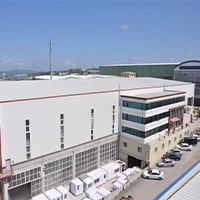
When it comes to kiosk investment, the smartest decision you can make is to buy directly from the manufacturer. Working with experts who design, build, and deliver ready-to-use modular kiosks saves you both time and money. In 2026, purchasing directly means gaining control over every aspect of your project - from design to delivery - without paying extra for intermediaries or unnecessary markups.
A reliable manufacturer doesn’t just sell a structure; they deliver a business-ready solution tailored to your brand, your target market, and your long-term goals. Whether you’re planning a single coffee kiosk or a network of portable retail units, direct collaboration ensures consistency in quality, safety, and visual appeal.
Here’s why buying directly makes your investment smarter and more profitable:
By purchasing directly from us, you secure a kiosk that represents your brand, attracts customers, and delivers measurable returns from the very first day. Our team specializes in custom-designed kiosks that combine style, durability, and profitability - built to match your business vision perfectly.Contact us today to get your tailor-made kiosk project started and grow your business with confidence.
Leading manufacturer in modular cabin since 1986.
 EN
EN