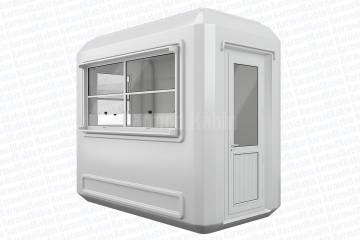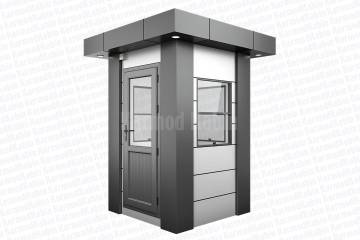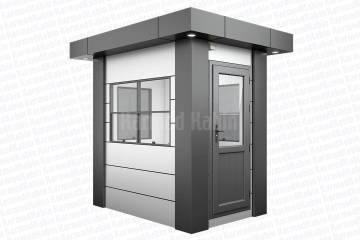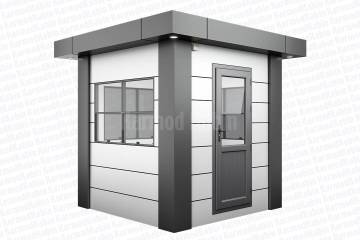

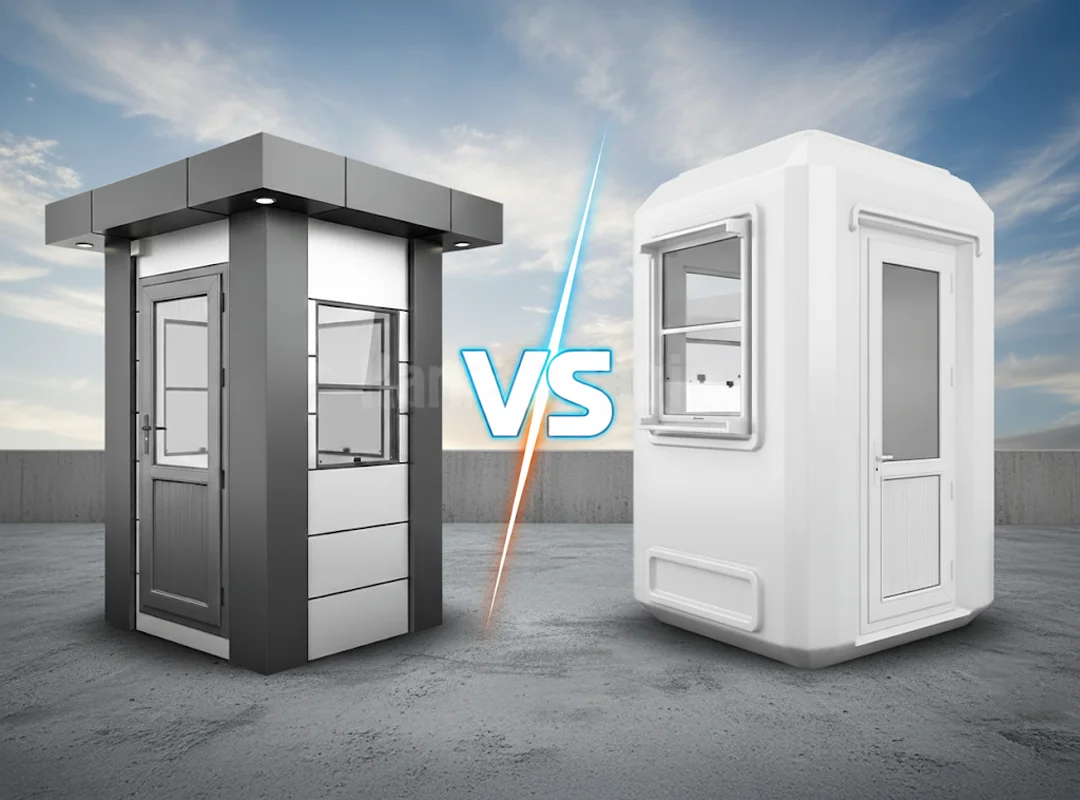
Durability has become the number one priority for anyone investing in modern cabins - whether for residential, commercial, or on-site use. As mobile living, modular offices, and portable housing solutions rise in popularity, so does the question: which material truly lasts longer? Among the top contenders, fiberglass and composite cabins stand out for their strength, weather resistance, and sleek finishes. Yet, beneath their similar appearances lie important differences in structural integrity, maintenance needs, and long-term performance.
Choosing between fiberglass and composite materials isn’t just about aesthetics - it’s about finding a solution that will stand strong against daily wear, harsh climates, and years of use. Understanding how each material behaves under stress, temperature shifts, and environmental exposure helps you make an informed decision that protects your investment. In this guide, we’ll explore the real-world durability factors that distinguish fiberglass from composite cabins, helping you decide which option truly delivers lasting value.
Fiberglass is made from extremely fine glass fibers bound with resin, creating a lightweight yet rigid structure. It’s known for its smooth surface finish and resistance to corrosion, making it ideal for coastal or humid environments. Many manufacturers favor fiberglass because it’s easy to mold into aerodynamic or modern cabin shapes. However, while fiberglass is strong, it can become brittle over time if exposed to UV light or thermal stress without proper protective coating. This means that its performance heavily depends on the quality of resins and the manufacturing process used.
Composites, on the other hand, represent a broader class of advanced materials that combine different fibers (such as carbon, glass, or aramid) with high-strength polymers. The result is a material that offers both rigidity and flexibility - absorbing impacts that might otherwise crack fiberglass. Composite cabins typically feature multi-layered panels engineered for superior insulation, soundproofing, and strength-to-weight ratio. In simple terms, fiberglass is durable, but composites are engineered for durability - combining the best features of several materials into one cohesive, resilient system.
When it comes to raw structural strength, both fiberglass and composite cabins offer impressive performance - yet composites tend to outperform in real-world impact scenarios. Fiberglass cabins have excellent rigidity, which helps them maintain their shape under static loads. However, this same rigidity can work against them under dynamic impact. A strong hit, such as a transportation bump or debris collision during a storm, can lead to cracks or surface fractures that weaken the panel over time. In contrast, composite materials are designed with layered reinforcement systems that absorb and distribute impact energy more evenly. This means they can withstand sudden shocks without permanent deformation, ensuring long-term reliability in demanding environments.
Composites also offer greater structural elasticity, allowing them to flex slightly without compromising integrity. This makes them especially suitable for mobile cabins or prefabricated structures that may be relocated multiple times. Fiberglass panels, while strong, often require additional reinforcement or gel-coating to match this performance level. In high-pressure industrial settings or heavy-use environments, composite cabins consistently maintain their strength and appearance, proving that material innovation directly translates into real-world endurance. For buyers who value both form and function, composites clearly demonstrate a more balanced combination of toughness, flexibility, and safety.
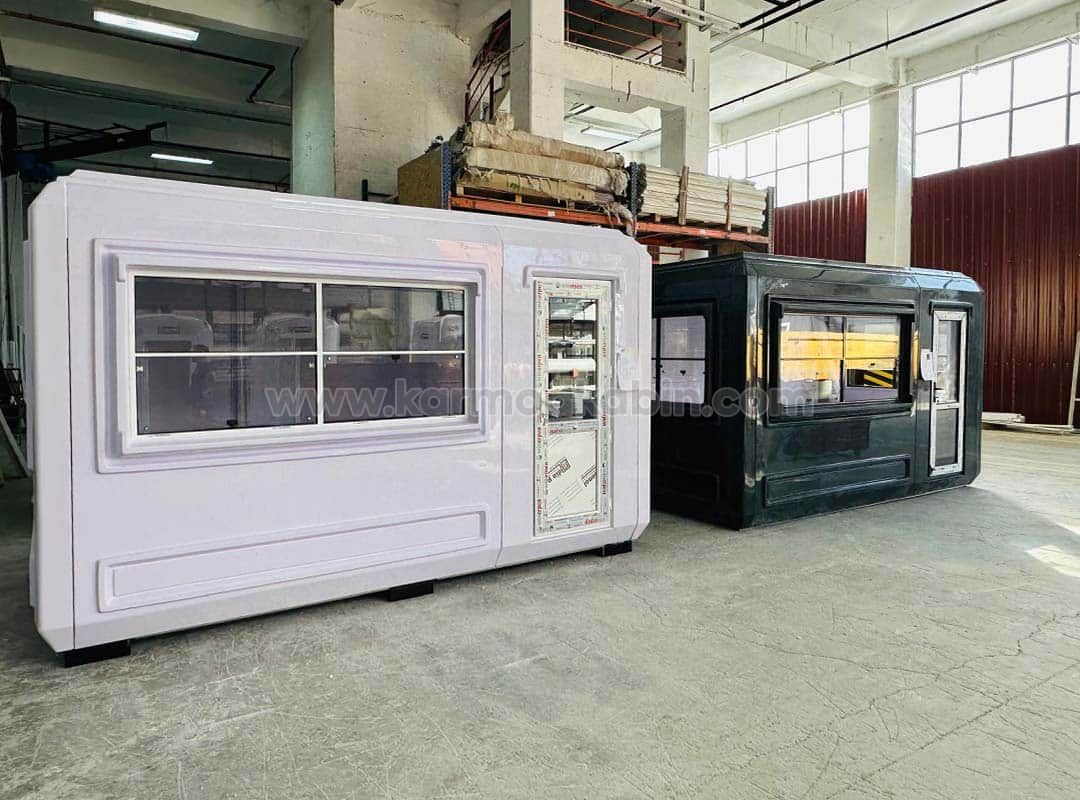
Weather exposure is the ultimate test of a cabin’s endurance. Fiberglass cabins are known for their resistance to moisture and rust - a major advantage in coastal or humid regions. The non-porous surface prevents water absorption, reducing the risk of mold and corrosion. However, fiberglass can show signs of aging under prolonged UV radiation, leading to color fading or surface micro-cracks if the gel-coat protection wears off. Temperature fluctuations can also cause minor expansion and contraction, which may eventually affect structural joints if not properly maintained. Despite these minor limitations, fiberglass remains a reliable option for moderate climates with consistent maintenance routines.
Composite cabins, however, are built to perform exceptionally well in more extreme environments. Their layered structure allows them to endure temperature variations, from intense summer heat to freezing winter conditions, without warping or cracking. Many composite panels feature built-in UV stabilizers and weather-resistant outer coatings, which eliminate the need for frequent surface refinishing. In desert climates, mountain regions, or coastal zones exposed to salt air, composites maintain both structural and visual integrity for years. This superior resilience makes them the preferred choice for users seeking a cabin solution that requires minimal upkeep and can withstand nature’s toughest challenges.
When evaluating durability, long-term maintenance is just as important as initial strength. Fiberglass cabins are relatively easy to clean and maintain, especially in the early years. The smooth surface resists dirt accumulation, and small scratches can often be polished out. However, over time, UV exposure and micro-abrasions can cause surface dulling or tiny cracks known as “crazing.” Regular waxing and occasional gel-coat restoration become necessary to preserve their glossy finish and prevent moisture penetration.
Composite cabins, in contrast, are built with aging resistance in mind.
Here’s how they compare:
Their combination of reinforced layers and advanced resins prevents color fading, cracking, or delamination. These materials are engineered to remain structurally stable without the need for frequent touch-ups. For buyers seeking a cabin that can age gracefully with minimal effort, composites present a clear advantage - combining low maintenance with long-lasting performance.
Weight is one of the most critical factors when selecting a cabin material, especially for mobile or modular setups. Fiberglass cabins are lightweight compared to traditional materials like steel or wood, making them relatively easy to transport and install. However, due to their rigidity, they can be less forgiving during installation - any structural misalignment may cause tension cracks or surface stress. Installers often need to handle fiberglass panels carefully to avoid damaging corners or joints. While it remains a popular choice for smaller or fixed-site cabins, its stiffness can sometimes complicate adjustments during assembly or relocation.
Composite cabins, however, offer the perfect balance between lightness and flexibility. Their hybrid composition allows panels to flex slightly without losing strength, making them easier to align and fasten during installation. This flexibility not only reduces labor time but also minimizes material damage during transportation. Many composite designs also come with integrated mounting systems, allowing faster assembly and better structural sealing. The result is a smoother installation process, fewer on-site corrections, and improved long-term integrity. For developers and homeowners seeking efficiency, composite cabins clearly deliver a faster and more resilient installation experience - an advantage that directly translates into lower total project costs.
In today’s construction landscape, sustainability and cost efficiency are just as important as structural strength.
Key comparisons:
Fiberglass cabins offer a lower initial price, making them appealing for short-term or budget-sensitive projects. However, fiberglass production has a higher carbon footprint, and the material can be harder to recycle. Composites, on the other hand, combine sustainability with financial sense - lasting longer, requiring less maintenance, and contributing to a lower total cost of ownership.
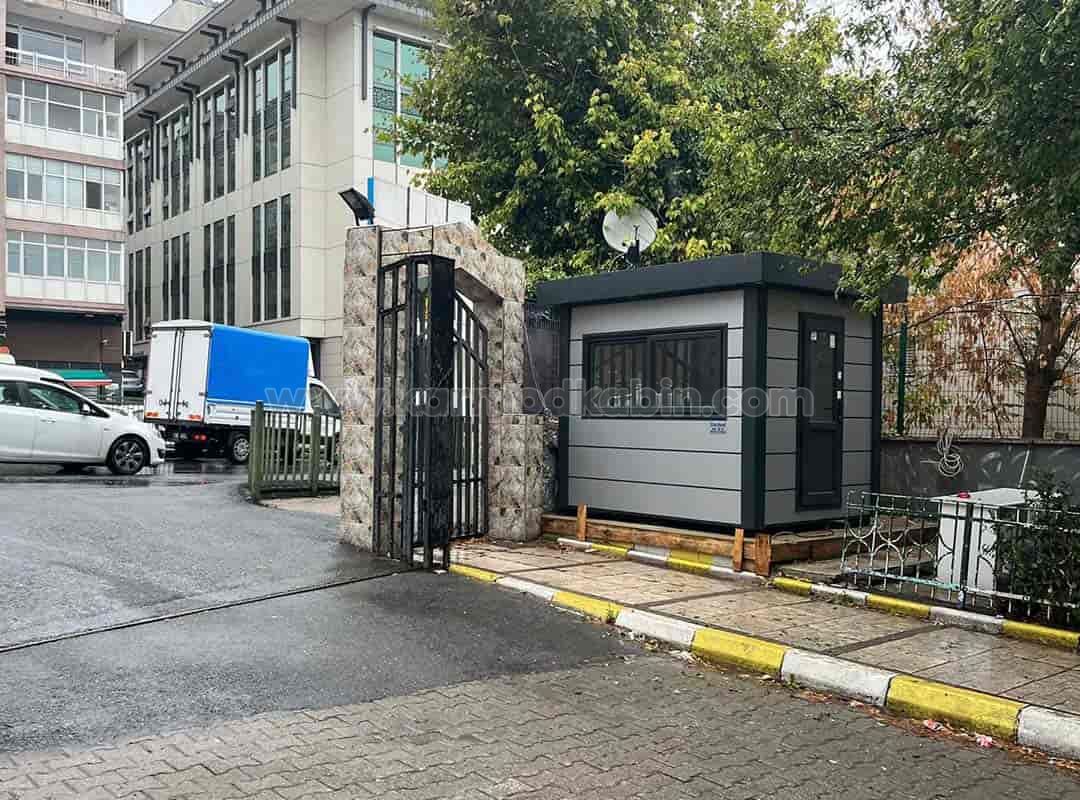
When comparing fiberglass and composite cabins from an investment perspective, the difference becomes clearer over time. Fiberglass cabins provide solid short-term value - they are more affordable initially and can perform well with consistent care. However, as years pass, recurring maintenance such as re-coating, crack repairs, and UV protection can add up. Their resale value also tends to depend heavily on appearance and upkeep. For buyers prioritizing immediate cost savings or temporary installations, fiberglass remains a practical and efficient choice.
Composite cabins, however, are built with longevity and low total cost of ownership in mind. They retain structural and aesthetic quality far longer, even under harsh weather conditions or frequent relocations. Their resistance to wear, impact, and environmental damage ensures that the cabin continues to look and perform like new for many years. In addition, energy-efficient insulation and minimal maintenance requirements mean lower operational costs and higher resale appeal. Simply put, while fiberglass wins in initial affordability, composites dominate in long-term value - offering a smarter investment for those who think ahead.
Choosing between fiberglass and composite cabins ultimately depends on how you define durability. If your goal is a cost-effective structure for short-term or moderate use, fiberglass offers a practical entry point. But for those who value long-term reliability and all-weather performance, composite cabins clearly stand above the rest.
Why choose our composite cabins:
At our company, we specialize in premium composite cabins built for strength, efficiency, and longevity. Whether you need a tiny home, modular office, or luxury site cabin, our systems are crafted to deliver comfort and endurance for years to come.
Invest in the cabin that truly lasts - contact us today to explore our composite solutions.

Leading manufacturer in modular cabin since 1986.
 EN
EN