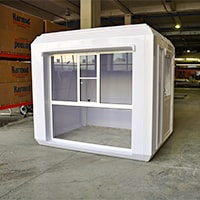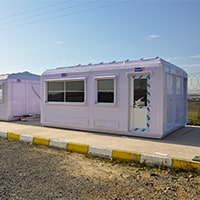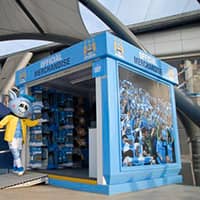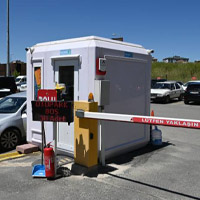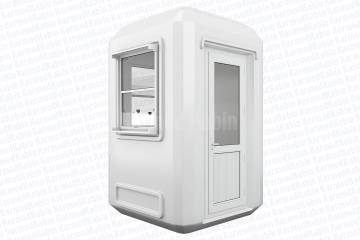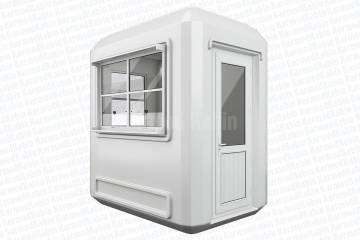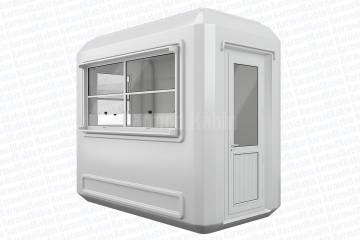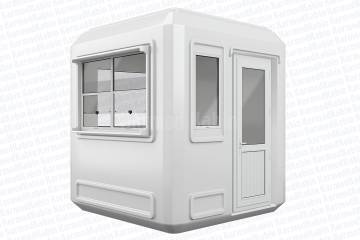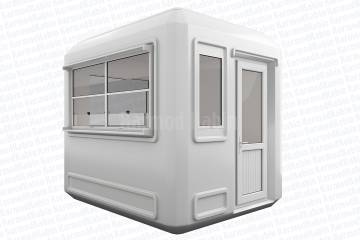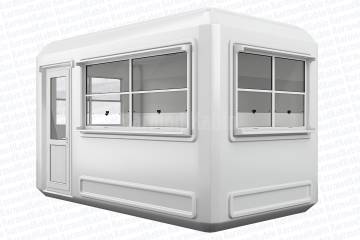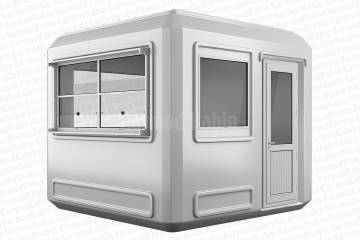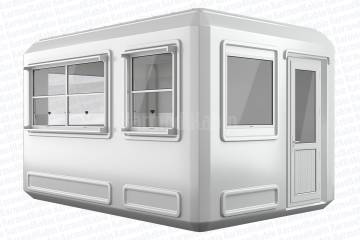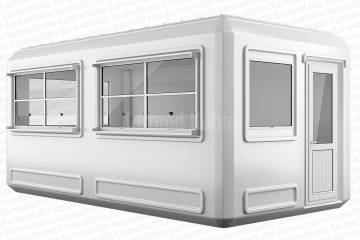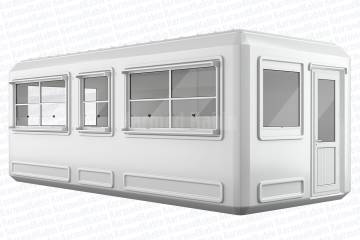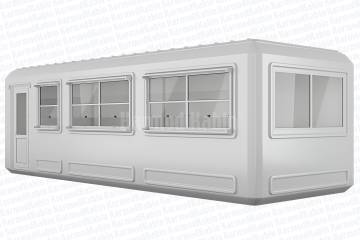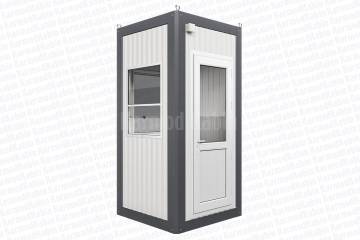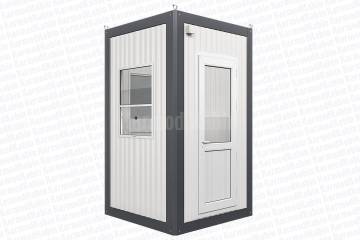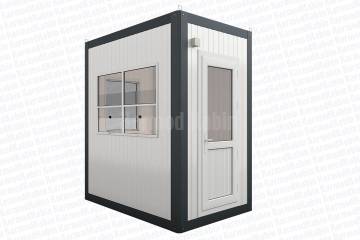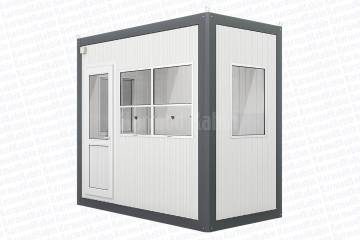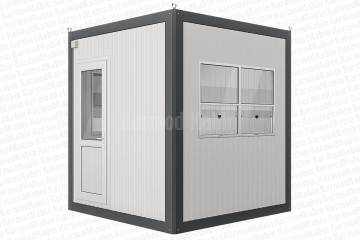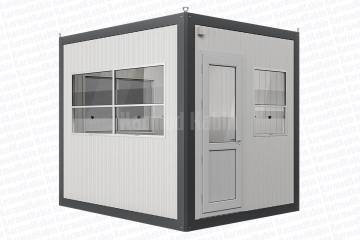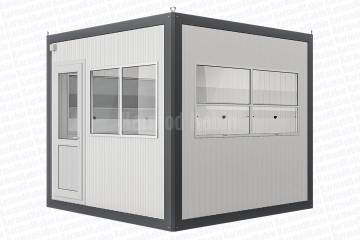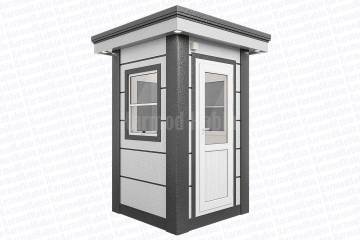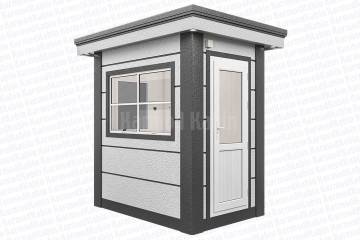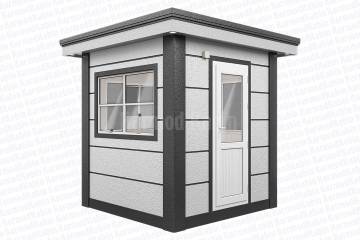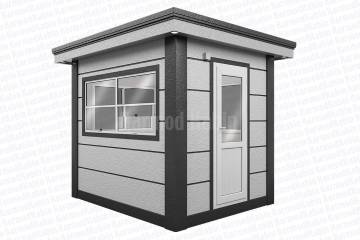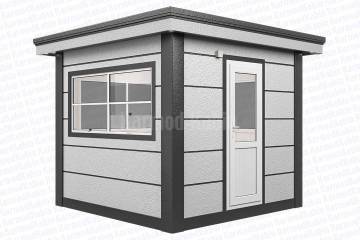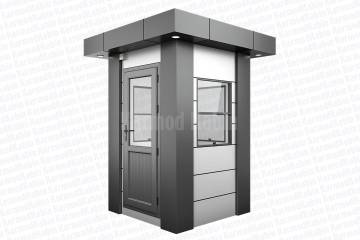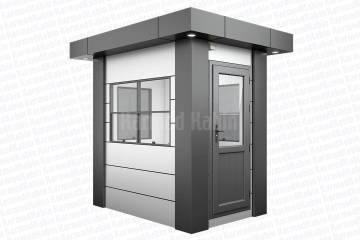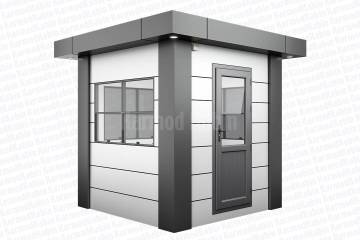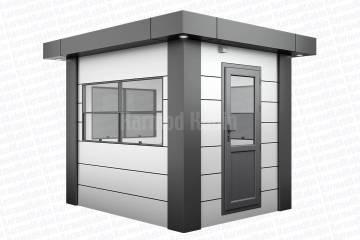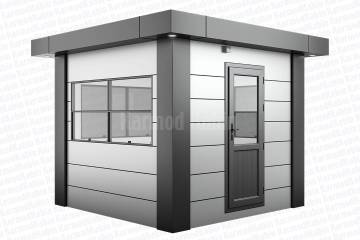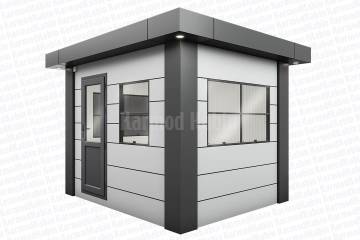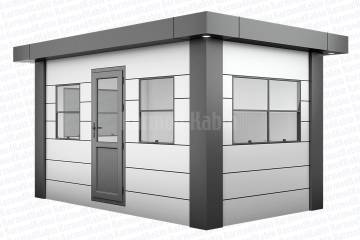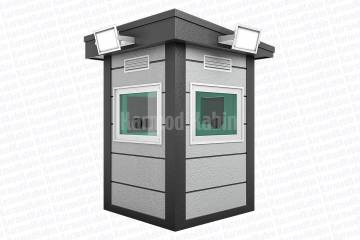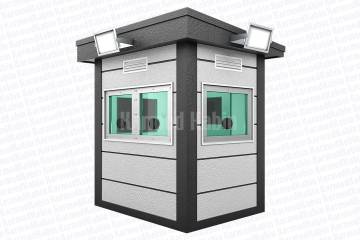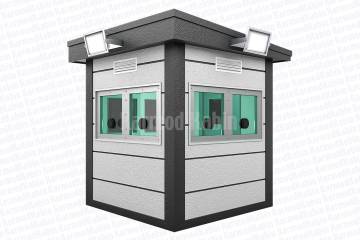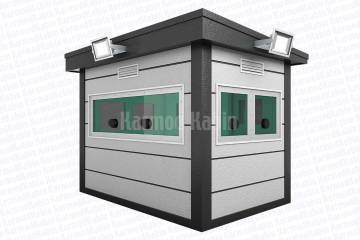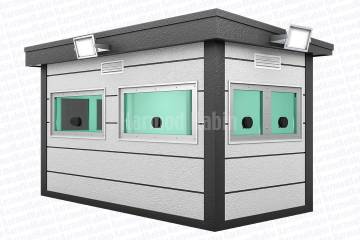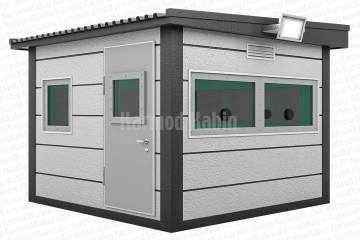

In today’s world, where energy costs are constantly rising, businesses are looking for smarter ways to reduce operational expenses without compromising on performance or safety. One of the most effective approaches is investing in energy-efficient guard booths. These cabins not only ensure the comfort and protection of security personnel but also help companies cut down on electricity usage, heating and cooling costs, and maintenance expenses.
Unlike traditional guard huts, modern energy-efficient models are built using high-performance materials, superior insulation systems, and advanced ventilation technologies. This makes them ideal for long-term use in all weather conditions - from scorching summers to freezing winters. By choosing the right model, companies can achieve a perfect balance between security, sustainability, and cost-efficiency.
Beyond the immediate utility savings, energy-efficient cabins also align with global sustainability goals and corporate green initiatives. Many large organizations now require energy performance compliance even for temporary or portable structures on their premises. Installing an eco-conscious guard booth not only saves money but also strengthens your company’s environmental reputation.
Security cabins operate around the clock - meaning energy consumption is continuous. Lighting, air conditioning, heating, and security systems must stay active to maintain comfort and safety for staff. Over time, this constant energy demand can turn into a hidden cost that significantly impacts operational budgets. That’s where energy-efficient design comes in. By focusing on insulation, ventilation, and smart energy management, companies can drastically reduce power use without compromising the protection of their facilities.
Energy-efficient cabins are more than just a trend; they’re a strategic investment. Modern models use insulated wall panels, double-glazed windows, and airtight construction that limit heat loss and prevent unwanted heat gain. As a result, the interior temperature remains stable with minimal need for continuous HVAC operation. The outcome is lower utility bills, extended equipment lifespan, and improved comfort for the personnel inside.
Moreover, many regions now encourage or even require businesses to use eco-friendly construction solutions. By installing a cabin that meets energy performance standards, companies show commitment to sustainability - which strengthens their brand image and can even lead to tax advantages or operational incentives.
When purchasing a guard booth, most buyers focus on the upfront price - the capital expenditure (CapEx). However, the real financial impact lies in the operational expenditure (OpEx), which includes electricity bills, maintenance, and replacement costs over time. A cheap, poorly insulated cabin might save you money on day one, but it will quietly drain your budget in the following years due to constant cooling and heating demands.
In contrast, energy-efficient guard booths are designed to reduce OpEx dramatically. Their superior insulation, high-quality materials, and energy-saving systems ensure that power consumption stays low throughout the year. Although the initial investment may be slightly higher, the payback period is short, often within just a few years. After that, every kilowatt saved directly contributes to profit.
Let’s consider this simple comparison:
When viewed over a 5–10 year period, the difference is significant. Smart buyers see beyond the purchase price - they calculate the total cost of ownership and realize that an energy-efficient cabin is not an expense but a long-term saving asset.
The building envelope - meaning the walls, roof, and floor of the cabin - plays a critical role in maintaining interior comfort and minimizing energy loss. In an energy-efficient guard booth, every part of the envelope is carefully engineered to block unwanted heat transfer and air leakage. The goal is to create a thermally continuous structure, where insulation is uninterrupted, and cold or hot air cannot seep through tiny gaps or poorly sealed joints.
High-quality wall and roof panels are the foundation of this system. Prefabricated guard booths typically use sandwich panels that combine durability, insulation, and aesthetics in one compact solution. The key is to choose panels with low thermal conductivity and strong structural integrity to ensure both energy savings and long-term performance.
Sandwich Panel Choices: EPS vs. Rockwool vs. PIR - Impact on U-Values
Different insulation materials affect the cabin’s energy efficiency. The most common options are:
When designed correctly, these panels can achieve U-values as low as 0.18–0.25 W/m²K, dramatically reducing the need for active heating or cooling. Combining these with tight joints, silicone sealing, and thermal bridge breaks ensures the cabin remains comfortable even under extreme conditions.
Windows and doors are often the weakest points in a building’s energy performance. In small structures like guard booths, even a single poorly insulated window can cause significant energy loss. That’s why energy-efficient glazing and frame selection are crucial. Using Low-E (low emissivity) glass helps reflect heat back into the room during winter and blocks excessive solar radiation in summer, maintaining an ideal indoor temperature year-round.
Frames also matter. Aluminum frames without a thermal break can act like heat bridges, conducting outdoor temperatures directly inside. For optimal results, manufacturers use PVC, composite, or thermally broken aluminum frames that eliminate these issues. Proper sealing between the frame and panel joints further prevents air infiltration and condensation - two major enemies of efficiency and comfort.
Shading, Overhangs, and Films for Solar Gain Management
While windows bring natural light, they can also introduce unwanted solar heat during hot days. Smart exterior shading systems, roof overhangs, or UV-reflective window films can significantly lower indoor heat buildup. These additions reduce the workload on air conditioning systems and extend the lifespan of HVAC components.
Simple adjustments like adding reflective coatings or external louvers can cut cooling energy demand by up to 20%. In regions with strong sunlight, such strategies make the difference between a cabin that overheats and one that stays cool and efficient throughout the day.
Heating, ventilation, and air conditioning (HVAC) are often underestimated in small structures like guard booths. Yet, they represent one of the most critical aspects of both comfort and energy efficiency. Oversized systems lead to wasted power and short cycling, while undersized units struggle to maintain temperature and air quality. The key is right-sizing-selecting a system that matches the cabin’s volume, insulation performance, and climate zone.
Modern energy-efficient cabins use inverter-based heat pumps that automatically adjust output depending on real-time temperature needs. These systems provide both heating and cooling using up to 70% less energy than traditional electric heaters or air conditioners. The result is a consistent indoor climate, even in extreme weather, with noticeably lower utility bills and less maintenance.
Fresh Air Without Energy Waste: HRV/ERV Options for Small Footprints
Proper ventilation is essential, especially in tightly sealed cabins. Without it, air quality deteriorates quickly, leading to discomfort or condensation issues. That’s where Heat Recovery Ventilators (HRV) and Energy Recovery Ventilators (ERV) make a difference. These devices allow fresh outdoor air to enter while reclaiming up to 85% of the heat or coolness from the outgoing stale air.
By balancing temperature and humidity levels, HRV and ERV systems help create a healthier, more stable environment inside the cabin. For businesses running 24/7 security operations, this translates to better working conditions for staff and significant long-term energy savings.
Even the most advanced HVAC and lighting systems can waste energy if they operate continuously. Smart controls solve this problem by adjusting performance automatically based on real-time occupancy and environmental conditions. In energy-efficient guard booths, programmable thermostats, motion sensors, and timers ensure that energy is used only when needed. For instance, when guards step out for patrol or during night shifts with low activity, the system can reduce heating or cooling output automatically.
These smart solutions may seem like minor upgrades, but they deliver impressive results. Studies show that occupancy-based control systems can reduce total energy consumption by up to 30% annually in small buildings. Modern cabins equipped with digital controllers and IoT-enabled devices allow remote monitoring - letting operators adjust temperature, lighting, or ventilation from a central dashboard or smartphone.
Night-Setback and Zoning in Multi-Cabin Compounds
For companies operating multiple cabins across a site, smart zoning ensures energy efficiency on a larger scale. By dividing areas into independent zones, managers can lower setpoint temperatures during unoccupied hours or turn off lighting in unused sections. This approach prevents unnecessary energy drain and extends the lifespan of HVAC components.
In multi-cabin setups such as large construction projects, campuses, or logistics hubs, implementing an integrated control network ensures consistent comfort while maintaining strict cost control. Smart technology transforms ordinary cabins into responsive, self-regulating units that pay for themselves over time.
Lighting plays a vital role in both energy efficiency and working comfort inside a guard booth. Because these units often operate 24/7, choosing the right lighting system can greatly impact electricity consumption. LED technology has become the standard for energy-efficient cabins - it consumes up to 80% less energy than traditional incandescent bulbs and lasts significantly longer. In addition, modern LEDs can provide the ideal lux levels for security tasks, ensuring guards have clear visibility without excessive brightness or glare.
Color temperature is another key factor. For example, a 4000K neutral white LED offers a balance between daylight clarity and nighttime comfort, preventing eye strain during long shifts. Equipping the cabin with dimmable LED fixtures allows adjustments according to the time of day, further reducing energy use and improving visual ergonomics for staff.
Daylighting Tactics Without Overheating
Natural light can be both a blessing and a challenge. When designed properly, windows and skylights reduce the need for artificial lighting, cutting electricity use during daylight hours. However, uncontrolled sunlight can cause glare and raise indoor temperatures. To balance this, energy-efficient cabins often use low-solar-gain glazing, reflective blinds, or adjustable light shelves that diffuse daylight evenly.
A combination of well-placed windows and smart daylight sensors allows lighting systems to dim automatically when natural light is sufficient. This not only enhances visual comfort but can also save an additional 10–15% on energy bills annually. The right lighting strategy transforms a small cabin into a bright, efficient, and comfortable workspace - without wasting a single watt.
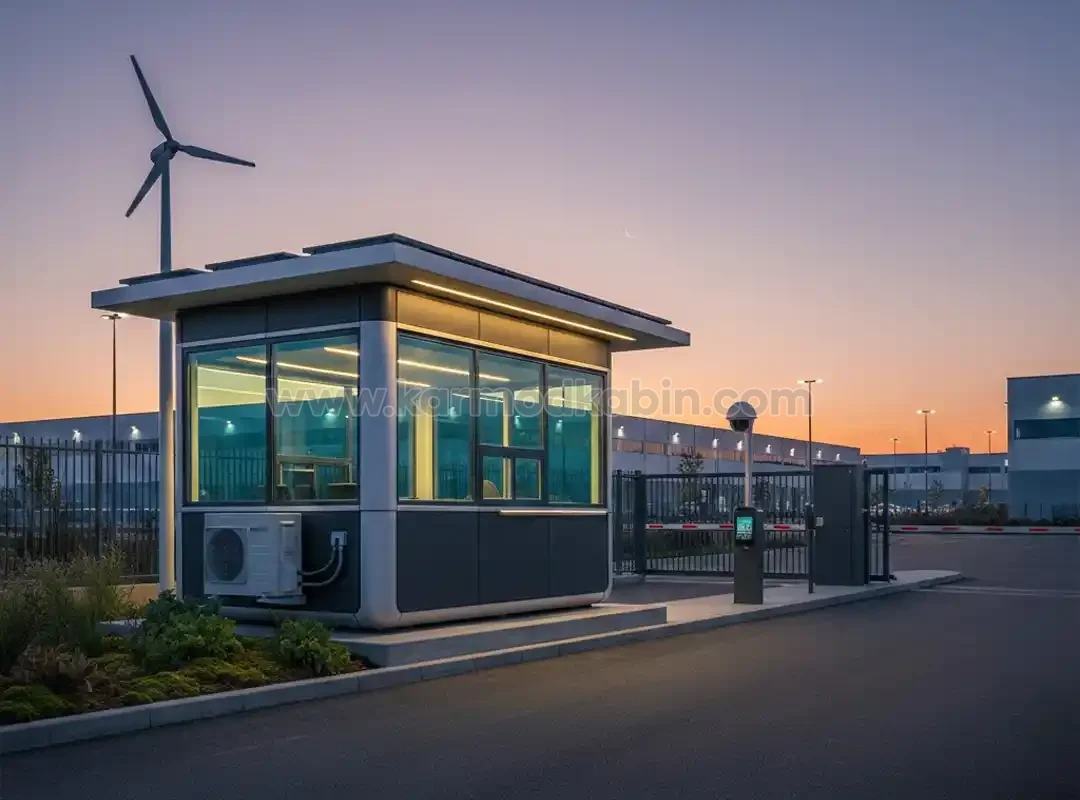
Energy-efficient design doesn’t stop at insulation or lighting - it extends to how the cabin generates its own power. For remote or high-security sites, installing renewable energy systems like roof-mounted photovoltaic (PV) panels offers both independence and long-term cost reduction. These solar modules can power lights, HVAC units, and communication systems without relying entirely on the grid. Even small setups of 1–2 kW can cover a significant portion of a cabin’s daily energy needs.
Modern cabins integrate micro-inverters that convert solar energy into usable electricity more efficiently than conventional systems. Unlike central inverters, micro-inverters optimize the output of each solar panel individually, ensuring maximum performance even when one panel is shaded. The addition of battery packs or hybrid energy storage systems allows operators to store excess energy during the day and use it during the night - ensuring continuous power supply for critical security functions.
Hybrid and Off-Grid Power Management for Remote Security Posts
For sites without a stable grid connection, hybrid systems combine solar power with backup generators or wind turbines. These setups automatically switch between sources, ensuring reliability while minimizing fuel consumption. Smart charge controllers manage the energy flow, preventing battery overuse and optimizing efficiency.
In remote regions such as border checkpoints, oil fields, or large construction sites, off-grid energy-efficient cabins have become the preferred solution. They reduce logistical costs, eliminate dependency on external power, and contribute to lower carbon emissions. By combining renewable energy with smart storage and monitoring technologies, these cabins deliver true self-sufficiency and sustainability in even the most challenging environments.
Energy efficiency means little if interior air quality and structural integrity are compromised by moisture. In small, enclosed spaces like guard booths, temperature differences between inside and outside often lead to condensation on walls, ceilings, and window surfaces. Over time, this moisture can cause mold, corrosion, or damage to electrical systems - all of which reduce the cabin’s lifespan and safety.
An energy-efficient guard booth addresses these challenges through vapor control and ventilation design. Insulated wall panels with integrated vapor barriers prevent warm, humid air from reaching cold surfaces where condensation can occur. At the same time, controlled airflow ensures that moisture is continuously removed from the indoor environment. Materials such as Rockwool and PIR offer both insulation and excellent moisture resistance, making them ideal for high-duty environments where humidity or temperature swings are frequent.
Vapor Barriers, Breathable Membranes, and Thermal Comfort
Vapor barriers and breathable membranes work together to maintain a healthy balance between airtightness and ventilation. A breathable wall system allows controlled vapor diffusion while keeping external humidity out. This not only protects the cabin’s structure but also stabilizes the indoor temperature, enhancing the overall comfort of security personnel.
Adding thermal bridge breaks at corners and joints eliminates cold spots - common condensation points in poorly designed cabins. Combined with dehumidifiers or heat recovery ventilation, these strategies ensure that the air stays dry, fresh, and comfortable throughout the year. In short, an energy-efficient cabin is not only cheaper to operate but also cleaner, safer, and more durable.
When designing energy-efficient guard booths, safety must always remain a top priority - especially fire protection. While the goal is to reduce energy consumption, the materials chosen should also provide non-combustible and self-extinguishing properties. This is where high-quality insulation materials such as Rockwool (mineral wool) and PIR panels truly excel. They deliver excellent thermal resistance while meeting stringent international fire safety standards like EN 13501-1 or ASTM E84.
In the event of a fire, these materials do not emit toxic smoke or spread flames, allowing occupants to evacuate safely and giving first responders valuable extra minutes. Beyond compliance, using non-combustible materials also protects electrical systems, equipment, and the structure itself from extensive damage. A well-insulated, fire-safe cabin combines energy efficiency with long-term reliability, ensuring the unit remains both sustainable and secure.
Integrating Fire Safety into Energy Design
Fire safety should never be an afterthought; it must be built into the design process from the start. Features like fire-resistant cable conduits, emergency lighting, and automatic shutdown systems help maintain performance during emergencies. Additionally, compartmentalization - the separation of electrical, HVAC, and living zones - reduces the spread of heat and smoke within the cabin.
Many modern energy-efficient guard booths are tested for both thermal and fire performance before leaving the factory. This dual certification gives buyers confidence that their investment meets not only energy targets but also all relevant safety regulations. When efficiency and protection go hand in hand, you get a product that performs flawlessly under any condition.
An energy-efficient guard booth must perform flawlessly in every climate - whether it’s the scorching desert, the humid tropics, or the freezing north. That’s why top manufacturers design climate-adapted packages that tailor insulation, ventilation, and energy systems to local environmental demands. Each climate zone presents its own challenges, and the right materials and technologies ensure comfort and efficiency all year long.
In hot-dry regions, such as deserts or inland construction zones, the focus is on reflecting solar radiation and minimizing cooling loads. Roofs with reflective coatings, double-insulated panels, and optimized ventilation systems keep the interior cool even under direct sun exposure. Thermal mass materials may also be used to stabilize temperature fluctuations between day and night.
Hot-Humid Regions
In humid coastal or tropical areas, the key is to control moisture and prevent condensation. Cabins designed for these climates use anti-corrosion coatings, vapor barriers, and breathable membranes to protect both structure and occupants. The integration of dehumidifiers and cross-ventilation helps maintain air freshness while reducing mold risk. Energy-efficient air conditioning systems with inverter compressors are preferred to handle high humidity with minimal energy draw.
Cold and Mixed Climates
For colder zones, energy-efficient cabins rely on thicker insulation layers, low U-value panels, and airtight joints to retain indoor heat. Windows with triple glazing and argon gas filling further enhance thermal comfort. Paired with smart thermostats and small-capacity heat pumps, these cabins stay warm even during severe winters while using far less energy than traditional units.
No matter the geography, a properly designed energy-efficient cabin adapts to its environment rather than fighting against it. The result is a durable, low-cost, and climate-resilient structure that performs consistently in every season.
Before an energy-efficient guard booth leaves the production line, it undergoes a series of strict quality control checks. Each component - from insulation panels to electrical wiring - must meet factory-level performance and safety standards. These inspections guarantee that the cabin delivered to the site performs exactly as designed, maintaining airtightness, insulation value, and fire resistance.
A reliable manufacturer will test every cabin for thermal continuity, ensuring there are no gaps or weak points in the building envelope. Door and window seals are checked for air and water leakage, while electrical systems are tested under simulated operating loads. HVAC units, lighting, and smart control systems are also verified for energy performance and noise levels. These steps ensure that the cabin performs at maximum efficiency right from installation day.
Transport & Installation Tips to Preserve Performance Metrics
Even the best-built cabin can lose efficiency if mishandled during transport or installation. That’s why it’s essential to follow manufacturer-recommended lifting and placement methods. Proper use of forklifts or cranes prevents frame distortion that could create air leaks or panel separation.
Once on-site, the cabin should be installed on a level, insulated foundation to maintain thermal integrity. Electrical and plumbing connections must be sealed with weather-resistant materials to prevent moisture infiltration. Conducting a final inspection - checking seals, panel joints, and energy systems - ensures that the cabin retains its full factory-rated performance and energy efficiency after setup.
Energy efficiency is not a one-time achievement - it’s a performance that must be maintained throughout the cabin’s lifecycle. Even the most advanced systems lose efficiency over time if not properly serviced. Filters clog, seals wear out, and sensors lose calibration. To prevent these issues, energy-efficient guard booths require a simple but consistent maintenance schedule that preserves both comfort and savings.
The most common maintenance tasks include cleaning or replacing HVAC filters every few months to ensure optimal airflow, checking door and window seals for air leaks, and verifying the performance of thermostats or occupancy sensors. These small actions keep heating, cooling, and ventilation systems running efficiently, avoiding unnecessary power draw. In fact, routine maintenance can extend equipment lifespan by up to 25% and reduce energy consumption by as much as 10–15% annually.
Re-Commissioning for Long-Term Efficiency
Over time, operational changes or environmental factors can alter how a cabin performs. Re-commissioning is the process of inspecting and recalibrating all energy systems to bring them back to peak performance. This includes testing insulation continuity, recalibrating thermostats, checking electrical loads, and verifying that smart controls are functioning as intended.
By conducting a professional re-commissioning every few years, businesses can ensure that their cabins continue to deliver the same energy savings as day one. When maintenance and re-commissioning are part of the operational plan, an energy-efficient cabin remains a long-term asset - reliable, low-cost, and sustainable.
When investing in an energy-efficient guard booth, one of the most common questions is: “How long until it pays for itself?” The good news is - the return on investment (ROI) for these cabins is typically fast and measurable. While the upfront cost of an energy-efficient unit can be slightly higher than a standard model, the operational savings begin immediately after installation.
By combining superior insulation, LED lighting, and smart HVAC systems, these cabins can reduce monthly energy costs by 25–40%, depending on the climate and usage intensity. Over a period of three to five years, the cumulative savings often exceed the initial investment. In large-scale projects or multi-cabin compounds, this translates to thousands of dollars saved annually. The reduction in maintenance costs, thanks to durable materials and long-lasting components, further strengthens the financial case.
Sample Calculations for Construction Sites, Campuses, and Industrial Plants
Let’s consider a practical example:
For businesses operating ten or more cabins, these numbers quickly multiply - turning a modest efficiency upgrade into a major long-term financial gain. The result is a system that not only supports sustainability goals but also delivers tangible, ongoing value to your balance sheet.
Every high-quality energy-efficient guard booth should comply with international performance, safety, and environmental standards. Compliance not only guarantees durability and efficiency but also ensures the structure can be legally installed and operated in different regions. When choosing a manufacturer, it’s important to verify that their products meet or exceed key certifications covering thermal insulation, fire safety, electrical systems, and energy performance.
Some of the most recognized standards include:
Meeting these standards ensures that the cabin’s performance is not just theoretical but verified and certified by independent authorities. This gives buyers confidence that their investment aligns with both technical requirements and legal frameworks.
Panel Certifications, Electrical Standards, and Energy Guidelines
Beyond structural and safety codes, energy-efficient cabins often need to meet specific regional or sector-based guidelines. For example, projects within the EU may require compliance with EPBD (Energy Performance of Buildings Directive), while many Middle Eastern and Asian regions follow ASHRAE or local green building codes.
Incorporating certified materials and systems from the start avoids costly redesigns or on-site rework. A compliant cabin performs predictably, passes inspections with ease, and maintains consistent operational costs throughout its service life. Compliance isn’t bureaucracy - it’s a guarantee of performance, reliability, and long-term efficiency.
When drafting a request for proposal (RFP) for guard booths, many buyers focus on dimensions, layout, or delivery time - yet overlook the key elements that determine energy performance and long-term savings. To make a smart investment, every procurement specification should clearly outline efficiency-related requirements. This ensures suppliers compete not only on price but on quality, durability, and cost of ownership.
Essential points to include in your RFP are:
By including these details, you eliminate ambiguity and ensure every quote you receive is based on the same performance standards. This allows you to compare options transparently and select the solution that offers the best lifetime value, not just the lowest initial cost.
Red Flags to Avoid When Comparing Offers
Be cautious of offers that seem too good to be true. Common red flags include:
A truly energy-efficient cabin is supported by verifiable data, lab results, and proven performance metrics. Choosing a certified, transparent manufacturer saves you from hidden costs and energy inefficiencies that often appear later.
Energy-efficient guard booths aren’t just a concept - they’re transforming how companies manage on-site security worldwide. Whether installed at an airport checkpoint, a hospital perimeter, or a remote mining camp, these cabins consistently prove their ability to reduce operational costs and improve working comfort. Let’s explore a few real-life applications.
At a major international airport, traditional metal guard huts were replaced with insulated energy-efficient cabins equipped with Low-E glass, PIR panels, and LED lighting. The result was a 32% reduction in annual electricity use and a noticeable improvement in staff comfort. The cabins also integrated solar panels on their roofs, providing backup power during outages - a critical advantage for 24/7 airport operations.
Hospital Perimeter: Quiet, Safe, and Hygienic
Hospitals require clean, noise-free, and temperature-stable environments. An energy-efficient cabin with Rockwool insulation and air-tight construction was installed at a large urban medical center. This model reduced external noise by up to 45 dB and maintained perfect humidity control, ensuring guards could perform long shifts comfortably. The hospital’s facility team reported a 25% lower HVAC operating cost after just six months of use.
Mining Site: Off-Grid Durability and Self-Sufficiency
In a remote mining operation where grid access was limited, hybrid power guard booths using solar panels and battery packs replaced diesel-powered units. These cabins now run almost entirely on renewable energy, cutting fuel transport costs by nearly 60%. Despite harsh conditions and temperature extremes, the interior stays stable year-round thanks to triple-layer insulation and heat recovery ventilation.
Each of these projects demonstrates how energy-smart cabin design delivers real, measurable results. From urban to off-grid applications, they provide consistent comfort, reduced emissions, and rapid payback for businesses focused on efficiency and sustainability.
If you’re looking to upgrade your site’s security while cutting down on operating costs, the smartest move is to invest in an energy-efficient guard booth designed and produced by professionals. Our company manufactures cabins that combine advanced insulation, sustainable materials, and modern design - all tailored to your operational requirements and climate conditions.
By purchasing directly from us, you eliminate middlemen, reduce delivery times, and gain full control over customization. From solar-ready roofs and low-energy HVAC systems to advanced smart controls, we build each cabin to maximize comfort, durability, and savings. Every model is factory-tested for thermal performance, fire safety, and compliance before reaching your site, ensuring you get guaranteed efficiency and long-term reliability.
Our team can assist you in selecting the best configuration for your project - whether it’s a compact guard hut, a bullet-resistant cabin, or a large modular control unit. We provide end-to-end support, from design consultation to on-site installation guidance. Contact us today to get your quote for a custom energy-efficient guard booth - built to perform, built to last, and built to save.
Leading manufacturer in modular cabin since 1986.
 EN
EN