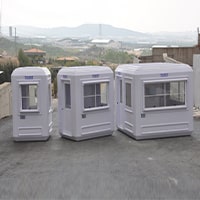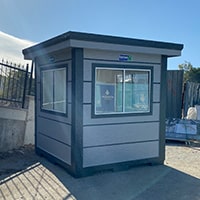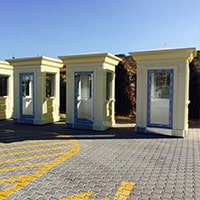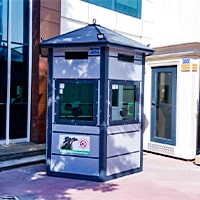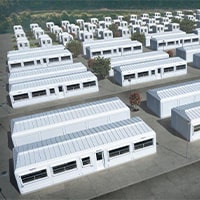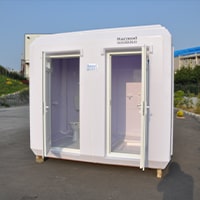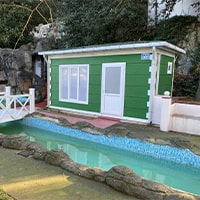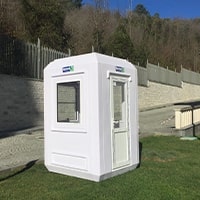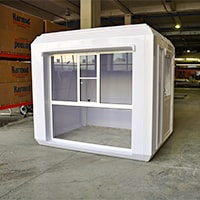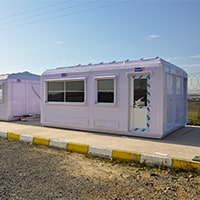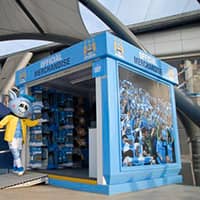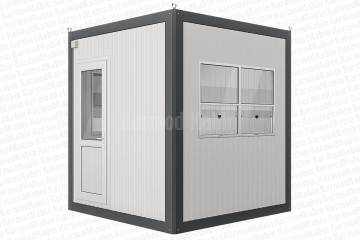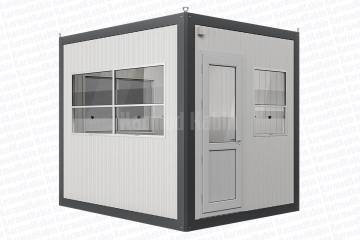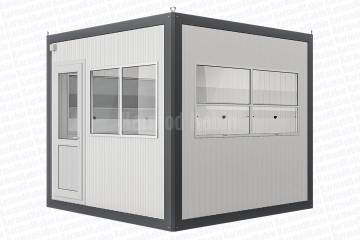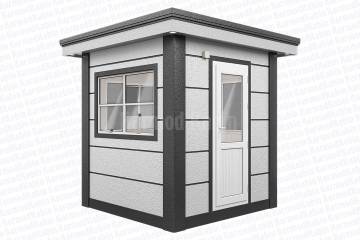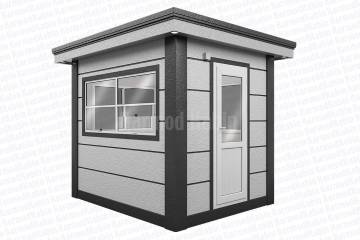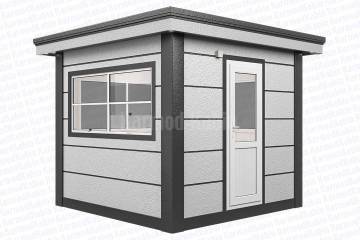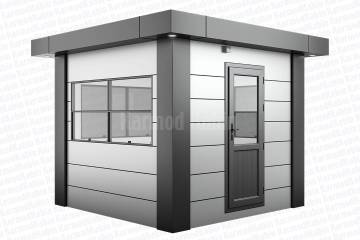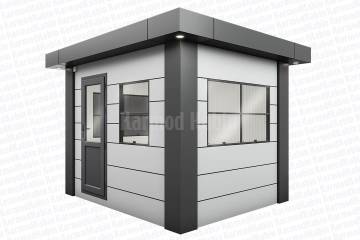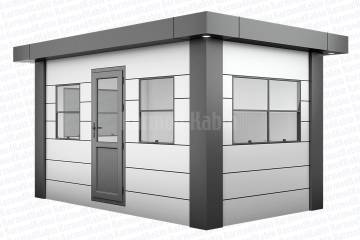

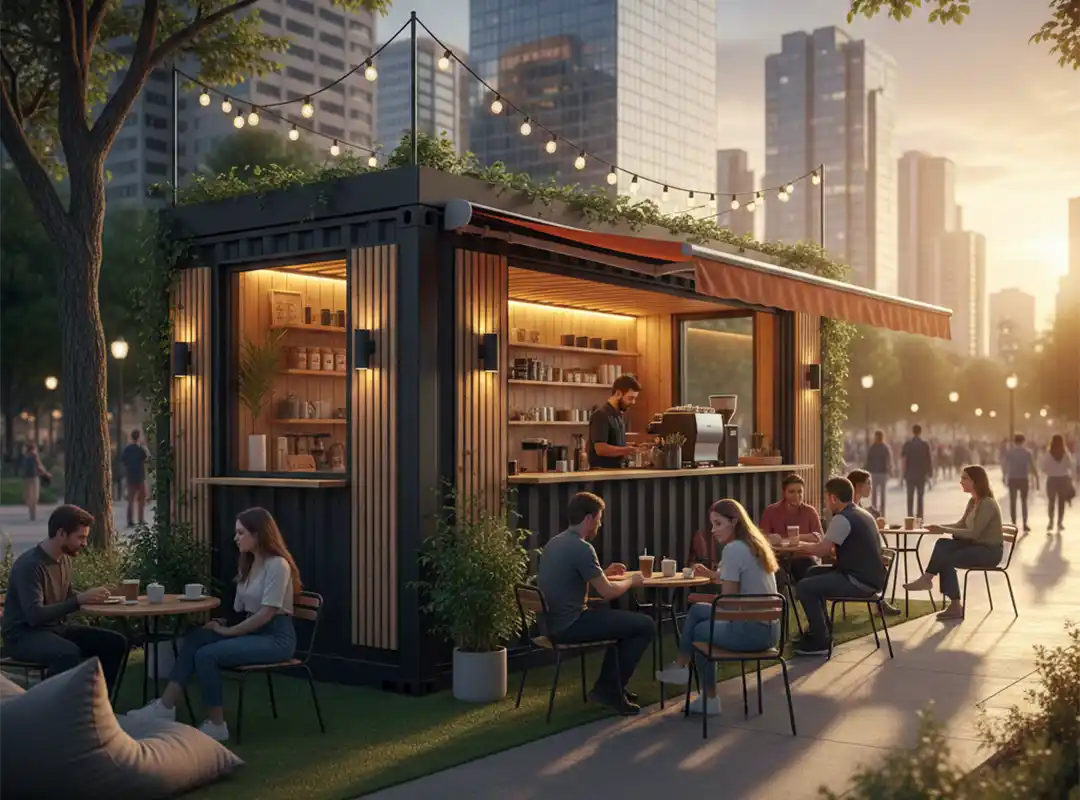
Transforming shipping containers into vibrant, fully equipped cafés is one of the most exciting business trends of the decade. What once transported goods across oceans now serves artisan coffee in urban corners, parks, and seaside promenades. These container conversion kiosks combine mobility, durability, and aesthetic appeal-perfectly fitting the modern demand for compact, sustainable, and cost-efficient business models.
The beauty of a container café lies in its balance between creativity and practicality. Entrepreneurs can start with a single module, design it according to their brand identity, and easily expand later. Whether used as a pop-up coffee stand, a semi-permanent shop, or part of a mobile event setup, converted containers redefine the café experience by merging architectural innovation with entrepreneurial agility.
In the past decade, the coffee industry has witnessed a creative revolution. Instead of investing in high-rent traditional cafés, entrepreneurs are transforming shipping containers into stylish coffee kiosks that blend functionality with urban aesthetics. These compact setups have become a defining element of modern city life-appearing in parks, university campuses, shopping zones, and coastal walkways. Beyond being practical, they represent a new lifestyle: minimalistic, mobile, and environmentally conscious.
Urban dwellers are drawn to this concept for its accessibility and visual appeal. A well-designed container café becomes more than a place to grab coffee-it’s a social hub that adds character to its surroundings. Cities worldwide are supporting this trend by allowing temporary modular structures in public areas, giving small entrepreneurs an affordable way to enter the market. This shift in mindset is reshaping not only how we consume coffee but also how we experience public space and design.
For many modern entrepreneurs, container conversion kiosks represent the perfect balance between innovation and affordability. Instead of committing to expensive permanent buildings, business owners can launch a professional coffee space with a much lower upfront investment. Shipping containers are readily available, sturdy, and easy to modify, allowing café owners to start operations in weeks rather than months. The cost advantage, combined with the possibility of relocation, makes these structures ideal for both new ventures and expanding brands.
Beyond cost and convenience, flexibility is another reason entrepreneurs are turning to container cafés. The modular structure allows each unit to be fully customized - from window placement to counter height and interior décor. Operators can easily integrate branding elements such as logos, color schemes, and even LED signage. As a result, each café container becomes a reflection of the brand’s identity, attracting customers not only for the coffee but also for the design and atmosphere.
One of the strongest appeals of container conversion kiosks lies in their limitless design flexibility. Every surface, from the exterior panels to the serving windows, can be customized to match the brand’s vision. Entrepreneurs can choose modern minimalist designs, rustic wood finishes, or vibrant color palettes that stand out in crowded urban spaces. With the right layout, even a 20-foot container can feel spacious and inviting. By adding glass panels, retractable awnings, or vertical gardens, business owners can create a café that feels both cozy and eye-catching.
Customization also extends to interior functionality. A container café can include built-in espresso bars, storage units, display shelves, and customer seating-all adapted to the operator’s workflow. Lighting design, ventilation, and smart space planning play a huge role in maximizing comfort and efficiency. These details not only improve the daily work experience but also elevate customer perception, helping a small kiosk compete visually with traditional cafés.
Turning a shipping container into a café requires more than design flair - it needs professional equipment that ensures smooth, high-quality service. At the heart of every container coffee kiosk lies the espresso machine, the grinder, and a reliable water filtration system. These core tools guarantee consistency in flavor and speed of service. Operators also include refrigerators, sinks with plumbing systems, and waste management setups to meet hygiene standards. Despite the compact size, the right layout ensures every piece of equipment has its dedicated space for efficient workflow.
To enhance customer experience and increase efficiency, additional features can be integrated:
By combining these essentials, a container café transforms from a creative concept into a fully functional business space. Each element contributes to a professional environment where baristas can work comfortably and customers enjoy every cup.
One of the greatest advantages of container conversion kiosks is their ability to combine business with sustainability. Shipping containers are repurposed structures, giving new life to materials that would otherwise remain unused. By transforming these steel giants into vibrant café spaces, entrepreneurs reduce construction waste and promote an eco-friendly business model. This approach resonates with today’s environmentally conscious consumers, who appreciate brands that value green practices as much as good coffee.
Energy efficiency further enhances the sustainability profile of container cafés. Many operators integrate solar panels, LED lighting, and insulated wall panels to reduce energy consumption. High-quality insulation not only maintains indoor comfort in different climates but also lowers operational costs. With smart planning, these cafés can run efficiently using minimal power, making them ideal for both urban and remote locations. This blend of sustainability, mobility, and innovation helps brands stand out while contributing positively to the environment.
The success of a container café often depends on choosing the right location. These modular kiosks are designed to be mobile and adaptable, giving owners the freedom to test various spots before committing long-term. High-traffic zones such as city centers, university campuses, beach promenades, event venues, and gas station forecourts are ideal for maximum visibility. Even compact spaces like parking lots or office courtyards can be transformed into profitable micro-cafés with minimal setup requirements.
Unlike traditional cafés, container kiosks thrive in unconventional spaces. Their portability allows operators to relocate based on seasonal demand or event opportunities. For instance, a seaside café can move to a ski resort in winter or to a festival ground during the summer. This flexibility not only boosts brand exposure but also helps maintain steady revenue throughout the year. In short, location versatility is a built-in advantage that allows container cafés to adapt quickly to changing market dynamics.
Before launching a container conversion café, entrepreneurs must understand the legal framework that governs mobile or modular structures. Each city or municipality may have specific zoning laws defining where temporary kiosks can operate. Typically, a container café requires a business license, electrical safety certification, and hygiene approval from local health authorities. These steps ensure that the café operates safely, complies with environmental standards, and meets all food service regulations.
Installation is usually straightforward but should still be handled professionally. A level foundation-such as a concrete base or steel supports-is essential to stabilize the container. Connections for electricity, water, and drainage must be completed by certified technicians to ensure long-term reliability. Once permits are secured and utilities connected, the café can be operational within days. By following these guidelines, entrepreneurs can avoid delays, protect their investment, and maintain a trustworthy reputation from day one.
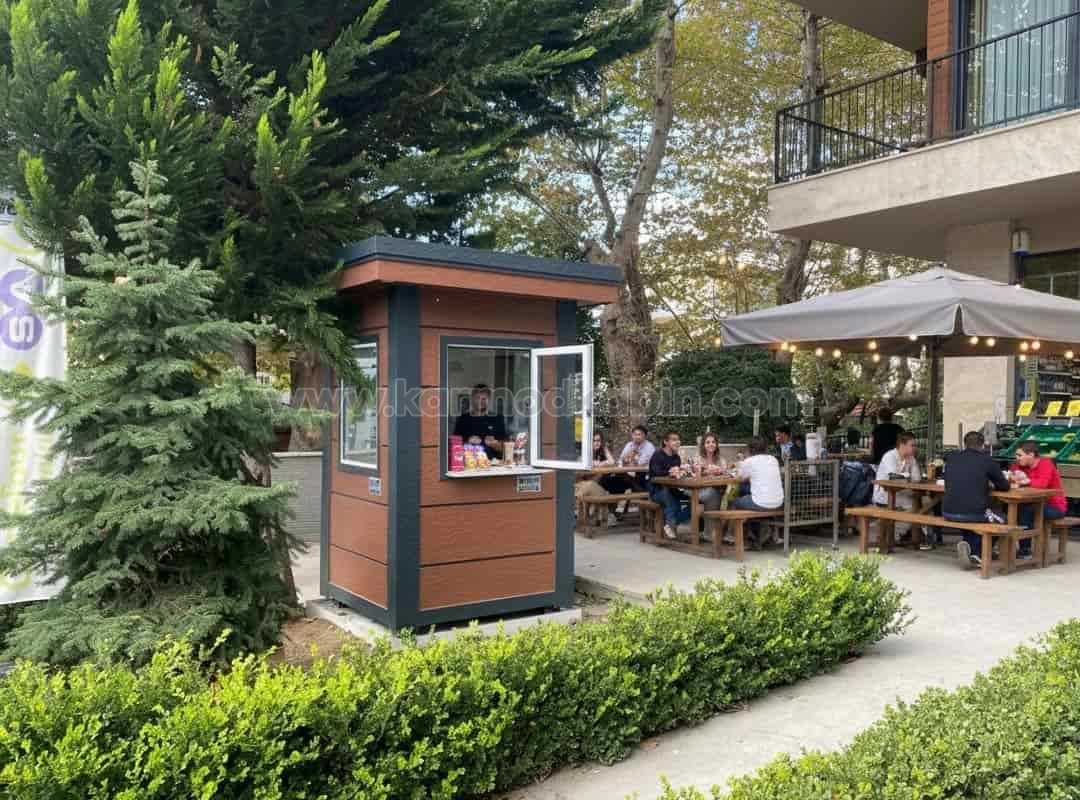
Investing in a container café is often far more affordable than establishing a traditional brick-and-mortar coffee shop. The initial costs depend on container size, equipment level, and design complexity, but generally remain significantly lower than standard commercial rents and construction fees. Because the structure is pre-fabricated and easy to transport, entrepreneurs can save on both time and labor. This efficient setup enables faster business launches, quicker customer access, and an earlier start to generating revenue.
When designed strategically, a container coffee kiosk can recover its investment within a short period. The combination of lower maintenance costs, mobility, and reduced overhead means that profit margins can grow quickly. Additionally, these cafés can participate in events, festivals, and seasonal markets to boost earnings. Many operators also rent out their units for special occasions, creating an additional income stream. With smart location choices and appealing design, container cafés can deliver impressive ROI while maintaining flexibility for future growth.
Across the world, container cafés have evolved from simple pop-up stands into iconic community landmarks. In busy metropolitan areas, small entrepreneurs have transformed a single container into thriving micro-coffee businesses serving hundreds of customers daily. Beachfront setups with open-air seating have become tourist favorites, offering coffee lovers a scenic view with every cup. Even large brands have begun adopting this model, integrating container kiosks into events, business parks, and temporary shopping districts to boost visibility and reach new audiences.
These success stories highlight how flexibility, design, and strategic location can turn a simple idea into a profitable brand. Many owners started with modest investments and grew into full-scale café chains thanks to the mobility and branding potential of modular containers. Their experiences show that success in this industry doesn’t rely on size-it’s about creativity, smart planning, and the courage to try something new. For entrepreneurs seeking a distinctive and scalable business model, the container café movement is proof that innovation truly pays off.
Every great business begins with a bold idea, and turning a shipping container into a café is one of the most creative ways to bring that idea to life. With the right design, reliable materials, and professional production, your container café can become a profitable and eye-catching business in any location. Whether you dream of a small espresso kiosk by the sea or a branded coffee hub in a busy city center, modular container structures make it all possible - fast, affordable, and sustainable.
Start your journey with experts who understand both design and practicality. Our team provides complete solutions, from concept to installation, ensuring your café is ready to serve customers in record time.
Get in touch today to discuss your project, explore customization options, and bring your container café vision to reality. Your future business could be brewing sooner than you think.

Leading manufacturer in modular cabin since 1986.
 EN
EN