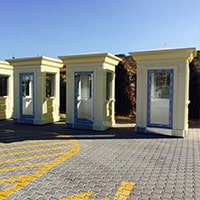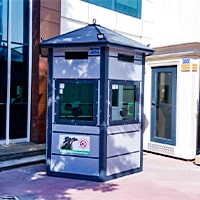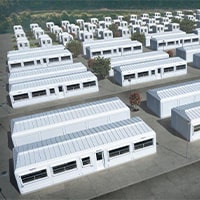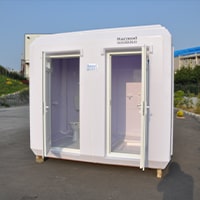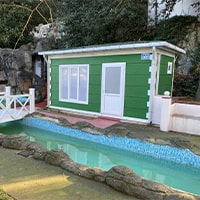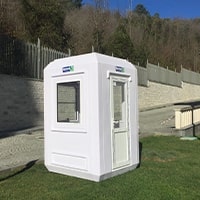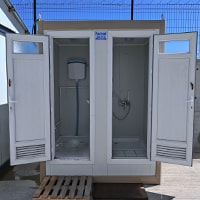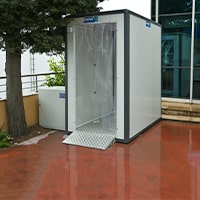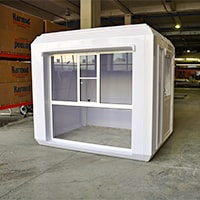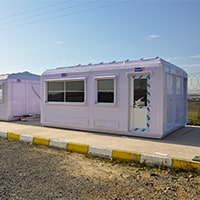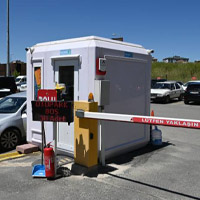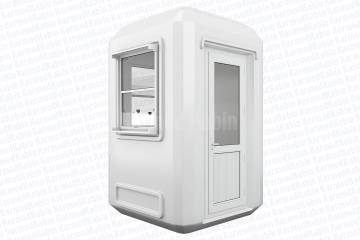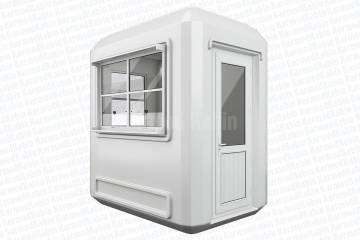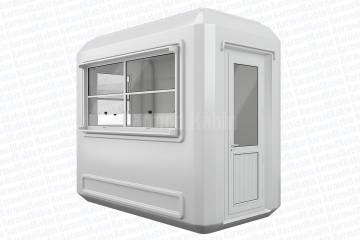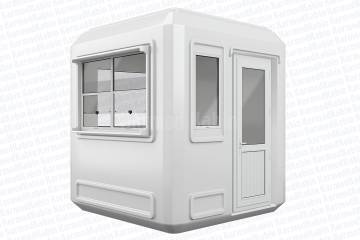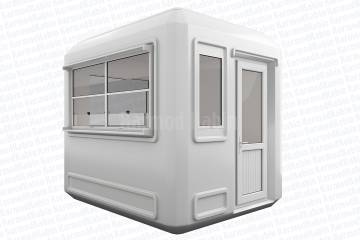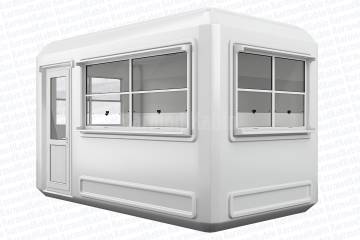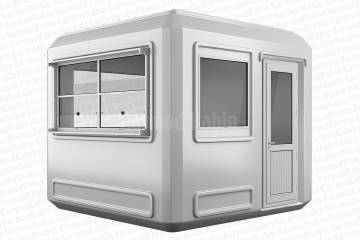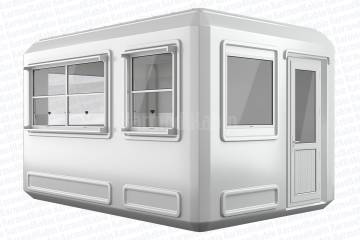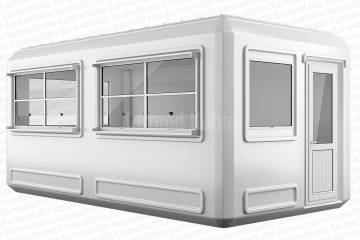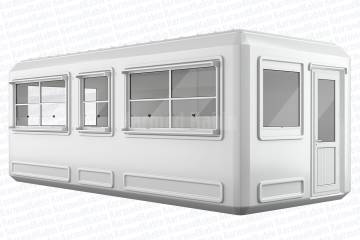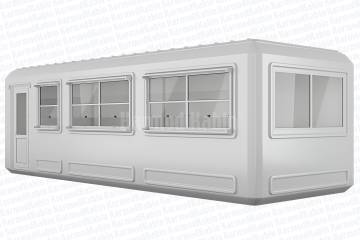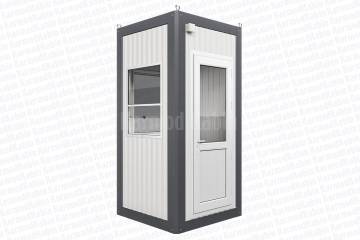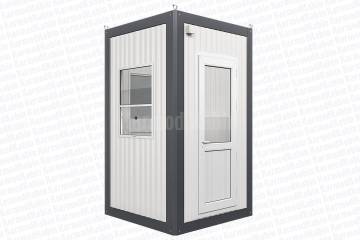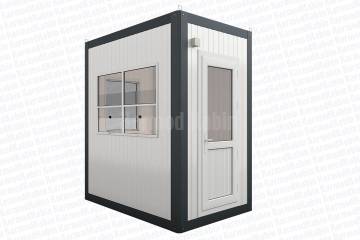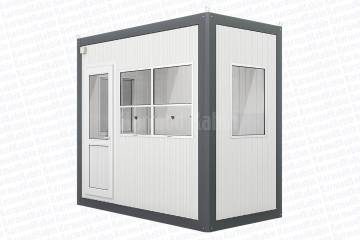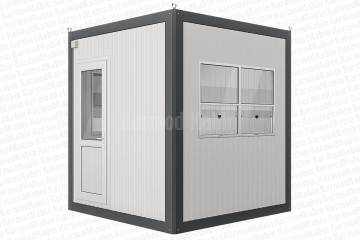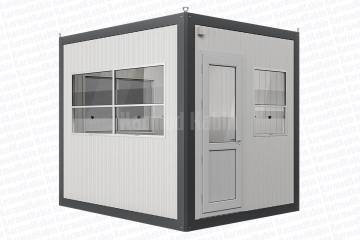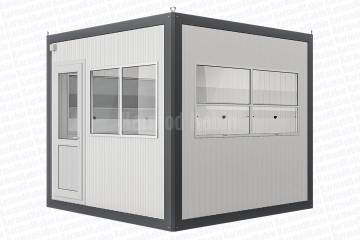

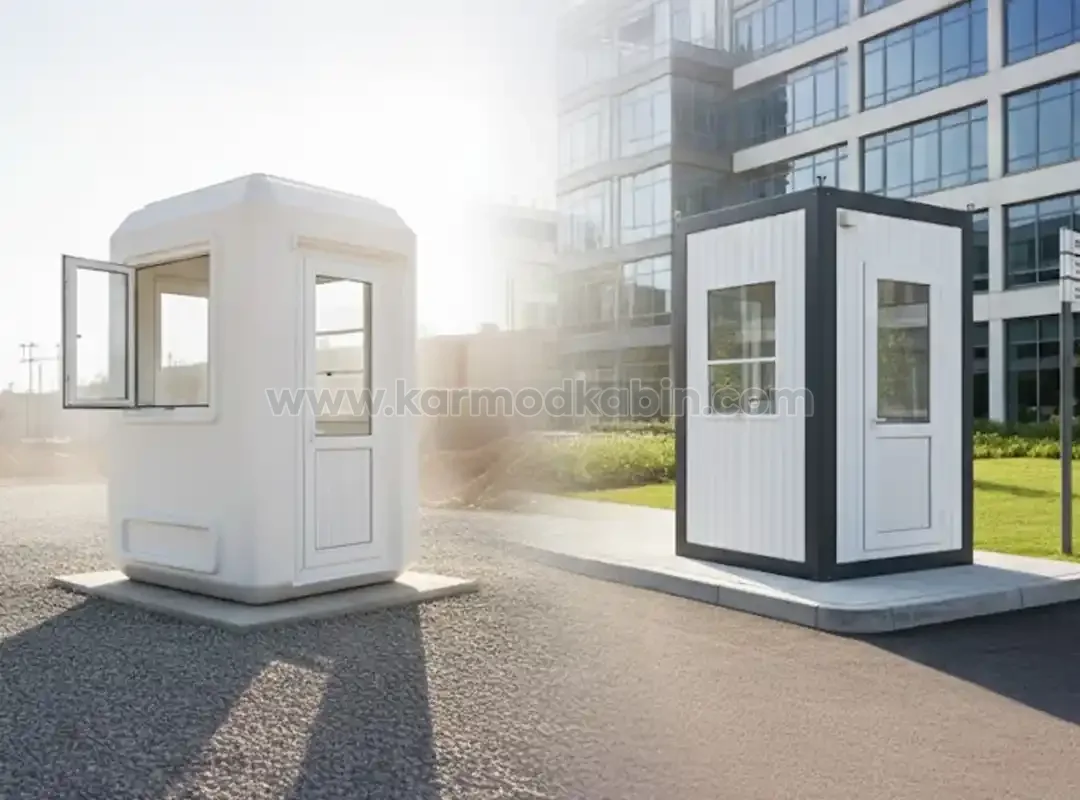
The terms guard hut and guard booth are often used interchangeably, yet they represent two distinct approaches to site security design. Both structures serve the same purpose - providing protection, visibility, and control for on-site security personnel - but their construction style, mobility, and intended use can vary significantly. Understanding these differences helps you make an informed decision that fits your site’s operational goals, budget, and long-term needs.
A guard hut is typically a more compact, portable solution ideal for temporary or semi-permanent use. It’s perfect for construction zones, outdoor events, or short-term monitoring points where mobility and speed of installation are top priorities. A guard booth, on the other hand, is usually larger, more sophisticated, and built for long-term deployment. It often features integrated systems like HVAC, CCTV, and advanced electrical wiring, making it suitable for corporate, industrial, and government facilities where guards need a comfortable and durable workspace.
Choosing between the two depends on the nature of your project. If your operations are mobile or seasonal, a guard hut offers flexibility and cost efficiency. But if you need a permanent, fully equipped checkpoint that reflects your company’s image and professionalism, a guard booth delivers superior performance and presence.
While both guard huts and guard booths share the same protective function, their structural design sets them apart in terms of strength, insulation, and long-term performance. A guard hut is generally built for mobility. It uses lightweight but durable materials such as galvanized steel frames, insulated sandwich panels, or aluminum composite sheets. These ensure the unit remains weatherproof yet easy to transport. The structure is often compact and modular, allowing quick installation on any stable surface without complex groundwork.
A guard booth, on the other hand, represents a more permanent, high-spec design. Built with reinforced steel frames, thicker insulation, and integrated utility channels, it offers superior rigidity and comfort. These booths often feature internal cabling for electrical and communication systems, built-in air conditioning, and sometimes bullet-resistant glazing for high-security zones.
From an architectural perspective, guard huts focus on agility, while guard booths prioritize endurance and advanced infrastructure. Both share modern engineering, but their construction philosophy differs: one is designed to move; the other is built to stay.
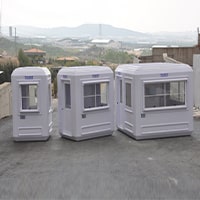
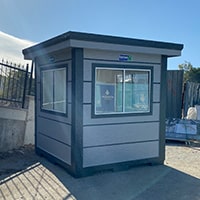
Size and layout play a huge role in choosing the right structure. Guard huts are compact, typically accommodating one or two personnel. Their layout focuses on essential functionality - wide windows for 360° visibility, a simple counter for ID checks, and basic climate control. Despite their small size, they are highly ergonomic, ensuring guards can perform effectively in confined spaces.
Guard booths, however, are designed for extended occupancy and comfort. They can be configured with multiple workstations, filing areas, and even rest sections for long shifts. Larger floor space allows for the integration of control panels, monitors, and communication devices. Booths can also include multiple entry doors and security compartments, depending on site requirements.
If mobility and quick setup are your goals, a smaller guard hut may be ideal. But if you need a larger, permanent command center capable of supporting advanced systems, a guard booth provides the flexibility, space, and comfort your staff deserve.
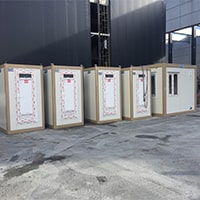
The biggest difference between a guard hut and a guard booth lies in how and where they’re used. Guard huts are designed for mobility - they can be relocated, installed, or removed within hours. Equipped with built-in forklift slots or lifting hooks, these compact cabins are ideal for construction sites, temporary events, and seasonal projects where security coverage changes often. Their lightweight yet durable frame allows multiple relocations without structural wear, giving companies full flexibility with minimal setup costs.
Guard booths, in contrast, are built for permanence. These are typically installed on reinforced concrete foundations or fixed steel bases and connected to permanent utilities such as electricity, water, or data lines. Because of their heavier structure and more integrated systems, they’re intended to stay in one location for years, functioning as a permanent control point or access office.
Quick comparison:
For businesses that move from site to site, mobility equals savings-less downtime, no permit delays, and instant readiness. But for organizations seeking stability, brand presence, and comfort, a permanent guard booth stands as the more professional and durable choice.
Regardless of mobility, both guard huts and guard booths are engineered for outdoor endurance. Modern designs use weatherproof sandwich panels, rust-resistant steel frames, and UV-protected finishes to ensure year-round protection. However, the degree of durability varies depending on purpose and installation type.
A guard hut focuses on portability without compromising on protection. It resists rain, heat, and wind through efficient sealing and insulation, yet remains light enough to move. In contrast, a guard booth is built for decades of exposure. Its thicker walls, reinforced roof, and superior insulation make it virtually maintenance-free, capable of handling extreme temperatures or high-traffic environments.
In essence, guard huts deliver strength in motion, while guard booths deliver strength in permanence. Both safeguard personnel, but the booth outperforms when longevity, heavy use, and architectural integration are priorities.
Beyond structure and design, what truly defines a modern security unit is its functionality. Both guard huts and guard booths can be equipped with advanced systems, but the level of integration depends on their intended use.
A guard hut is designed for simplicity and speed. It often includes pre-installed lighting, basic electrical wiring, and outlets for connecting security devices. These plug-and-play features make it ready for instant use upon delivery. Optional add-ons like compact HVAC units, communication intercoms, or CCTV mounts can be installed depending on project needs. For short-term sites, this minimal yet functional setup provides everything required for reliable on-site monitoring.
A guard booth, on the other hand, is engineered for comprehensive integration. Because of its larger space and permanent setup, it can host multiple systems simultaneously - from advanced surveillance cameras to climate control, access panels, and even bulletproof protection for high-security environments. Every element is designed to enhance workflow, comfort, and real-time coordination.
Common integration features include:
Whether you need fast deployment or full-scale control, the right choice depends on how advanced your operations are. For daily security duties or multiple rotating sites, a guard hut is efficient. But for complex facilities that require constant monitoring and reporting, a guard booth delivers the full command-center experience.
While performance and safety come first, appearance also matters. The exterior design of your guard cabin shapes the first impression of your facility. Both huts and booths can be finished to match the surrounding architecture, but guard booths generally offer broader design flexibility and a more premium visual appeal.
Guard huts are compact and practical, with clean, minimal aesthetics. They can be customized with color options, reflective decals, or company logos - creating a consistent brand identity even on temporary or rotating sites.
Guard booths, however, elevate this concept further. Their larger façades allow for architectural finishes such as composite cladding, tinted glass panels, and custom lighting. The result is a security structure that looks professional, aligns with your corporate style, and enhances the overall image of the facility.
A well-designed booth communicates confidence and order - a small yet powerful way to project reliability to employees, partners, and visitors before they even step through the gate.
At first glance, guard huts seem more affordable because they require less material, smaller foundations, and quicker installation. For companies operating on limited budgets or managing temporary sites, this cost efficiency makes them highly appealing. However, when looking at long-term return on investment, the equation shifts significantly in favor of guard booths.
A guard hut is ideal for short-term or mobile projects-construction zones, seasonal facilities, or event grounds-where cost control and flexibility outweigh long-term durability. The initial price is lower, but frequent relocations and wear from constant movement can increase maintenance costs over time. In contrast, a guard booth demands a higher upfront investment but delivers far greater value over the years.
Because booths are built for permanence, they require less maintenance, offer superior insulation (reducing energy bills), and maintain their appearance even after years of exposure. Their integrated systems-CCTV, air conditioning, lighting, and data connectivity-add convenience and operational savings.
In other words:
For businesses seeking a professional, long-lasting presence, a booth is not an expense-it’s an asset. It reflects credibility, supports security efficiency, and can serve multiple purposes beyond guarding, such as visitor reception or gate management.
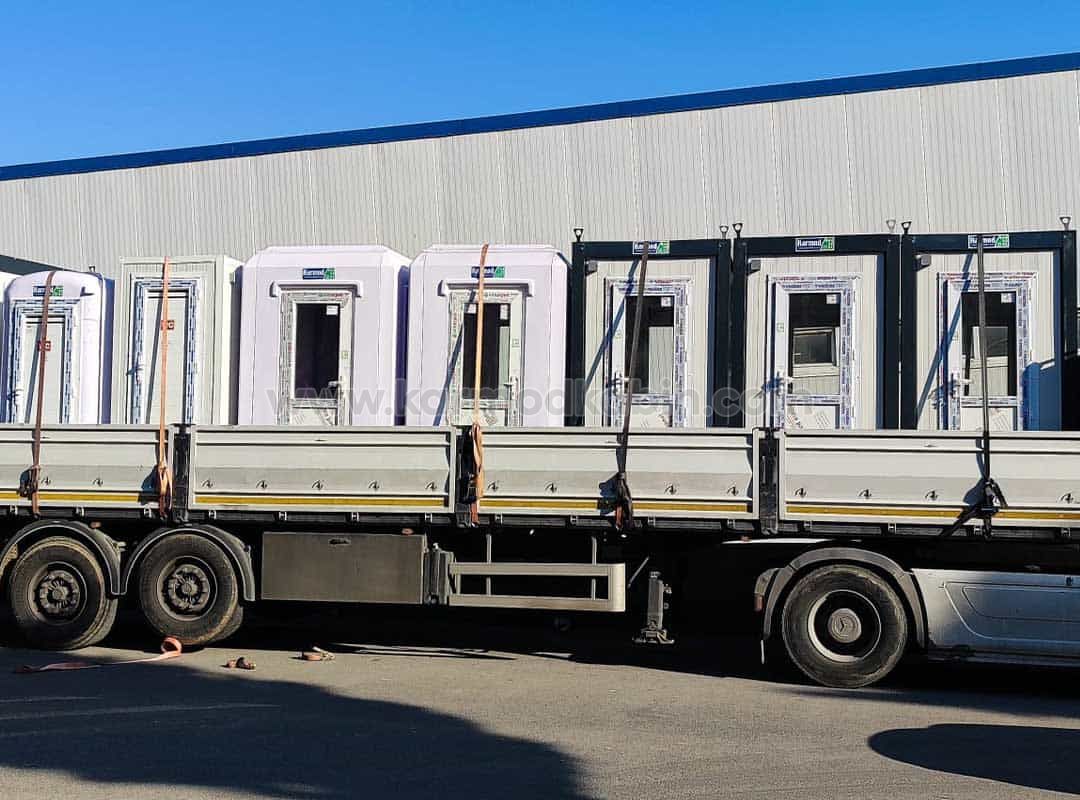
Guard huts excel where flexibility and speed are critical. Their light structure, quick setup, and mobility make them the best option for temporary security arrangements and short-term site management.
Common use cases include:
These huts provide instant functionality wherever and whenever needed. For operations that move frequently or last only a few months, they deliver the perfect balance between affordability and reliability.
When security, durability, and professional image are top priorities, guard booths are the ultimate solution. These structures are designed for long-term, high-traffic environments where guards need comfort, advanced monitoring tools, and protection from the elements 24/7. Their solid build and integrated systems make them indispensable for businesses that value permanence and reliability.
Ideal applications include:
A guard booth enhances not only protection but also perception. Its larger footprint allows for comfort features-insulated walls, ergonomic desks, and full surveillance control panels-while its architectural finish adds a touch of sophistication to any property.
In environments where stability, aesthetics, and constant readiness matter, a guard booth is more than a workspace-it’s the heart of a secure access system.
Selecting between a guard hut and a guard booth ultimately comes down to your operational priorities: mobility or permanence, cost or comfort, temporary control or long-term stability. Both solutions have their strengths, but the best choice is the one that matches your site’s security rhythm.
If your operations shift locations frequently or require quick deployment, a guard hut offers unbeatable convenience. However, if your facility operates continuously and demands a professional presence that impresses visitors and reinforces safety, a guard booth becomes the smarter, future-proof investment.
For maximum efficiency, many organizations choose to combine both-using mobile guard huts for remote or temporary sites and fixed guard booths at main entrances. This hybrid approach provides total coverage with minimal downtime.
By consulting with a manufacturer who offers both systems, you can find the perfect model tailored to your timeline, budget, and environment.
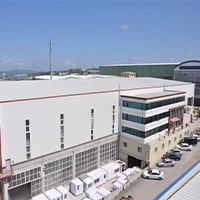
When it comes to security structures, where you buy matters just as much as what you buy. Purchasing your guard hut or guard booth directly from the manufacturer ensures that every detail - from materials to electrical installation - meets your specific requirements. Unlike middlemen or resellers, direct manufacturers design, build, and test every cabin under strict quality control, ensuring precision and consistency at every stage.
Buying direct also gives you total customization freedom. You can select dimensions, interior layouts, insulation types, color finishes, and integrated systems such as CCTV, HVAC, and access control. Every unit is tailored to your environment and security level - whether it’s a high-risk industrial site or a modern corporate entrance.
Perhaps most importantly, direct purchase eliminates unnecessary costs. There are no distributor markups, no communication delays, and no uncertainty about warranty or after-sales service. You communicate directly with the production team, receive real-time updates, and enjoy faster delivery with guaranteed technical support.
Top advantages of buying direct:
When safety, quality, and reputation matter, there’s no substitute for a direct partnership with the manufacturer. You’re not just buying a cabin - you’re investing in performance, reliability, and long-term peace of mind.
Every project is different - and so should your security solution be. Whether you need a portable guard hut for temporary use or a fully equipped guard booth for long-term control, our manufacturing team delivers precision-built cabins tailored to your environment.
We combine structural strength, ergonomic design, and aesthetic excellence to create security spaces that protect people and reinforce your brand image. From design to delivery, every cabin is built to perform, impress, and last. Contact us today to request a tailored quote and discover how our factory-engineered guard cabins can enhance your site’s safety, comfort, and professional appeal - all at direct manufacturer pricing.
Leading manufacturer in modular cabin since 1986.
 EN
EN