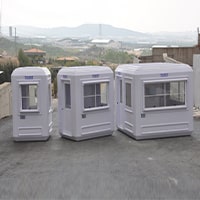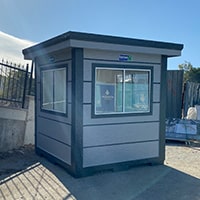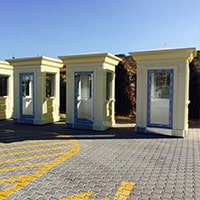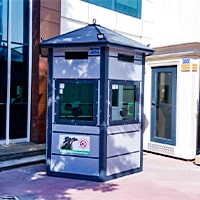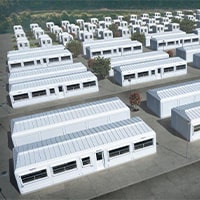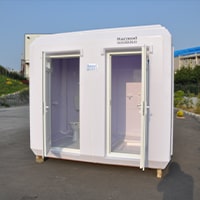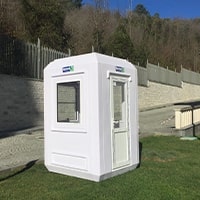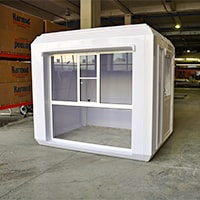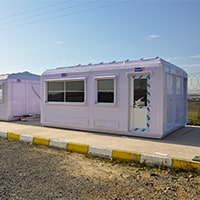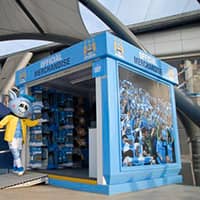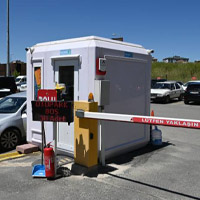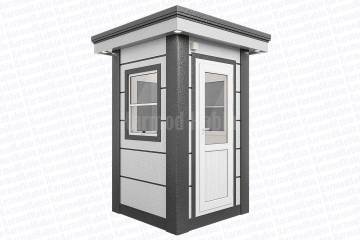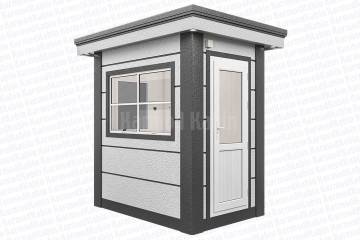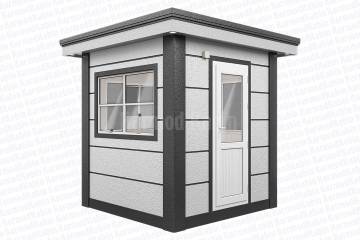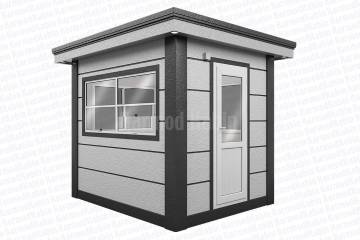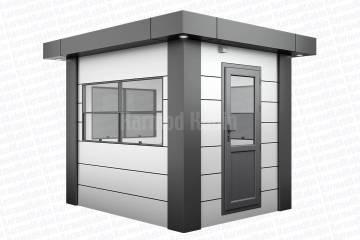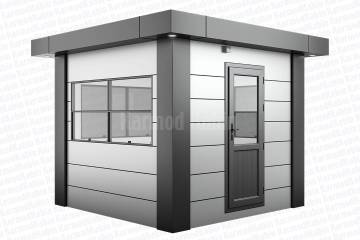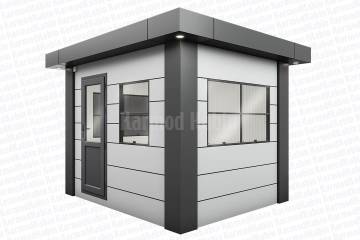

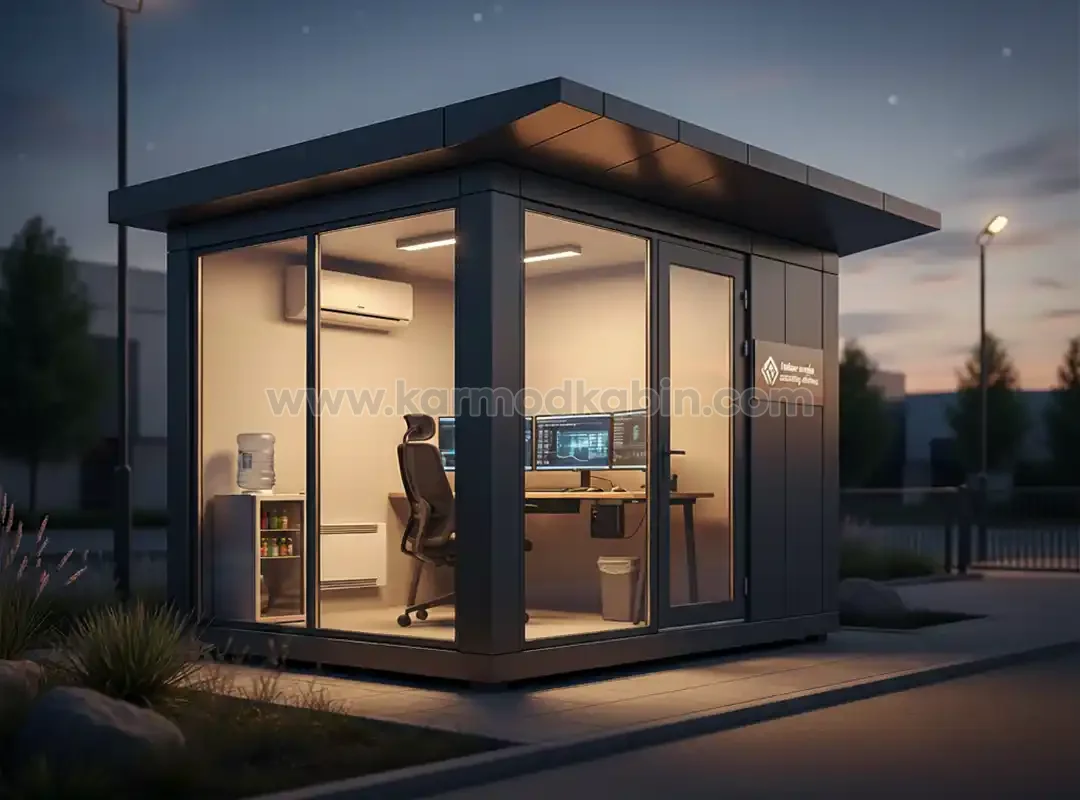
In today’s professional security operations, comfort inside security cabins is no longer a luxury - it’s a necessity. Guards often spend long hours in confined spaces, monitoring entry points and ensuring safety. If the environment inside the cabin is poorly ventilated, too hot, too cold, or ergonomically unfit, it can directly affect alertness, morale, and overall job performance. For this reason, the latest prefabricated and modular security cabins are now designed with advanced comfort features such as efficient heating, cooling, and ergonomic layouts.
Modern cabin manufacturers understand that personnel comfort contributes directly to operational efficiency. By integrating climate control systems, ergonomic furniture, and insulated materials, these cabins create ideal working conditions throughout the year. Whether placed in a hot industrial zone, a cold mountain area, or a coastal region with high humidity, the right cabin design ensures a stable, comfortable, and safe interior environment for security staff.
Security personnel often spend 8 to 12-hour shifts inside small guard cabins, monitoring entrances, checking vehicles, or controlling access points. In such conditions, comfort becomes a key factor that affects concentration, reaction time, and overall performance. A well-equipped cabin not only supports the physical well-being of the guards but also ensures smoother, more effective security operations throughout the day.
When guards work in uncomfortable environments - whether due to extreme heat, cold, or poor ergonomics - fatigue sets in faster, leading to slower response times and reduced attentiveness. On the other hand, a climate-controlled and ergonomically designed cabin keeps staff alert and comfortable, minimizing errors and stress. This is especially crucial for locations with 24/7 surveillance, such as industrial zones, airports, or corporate compounds.
Modern prefabricated security cabins are therefore built to prioritize human comfort just as much as durability. With proper insulation, adjustable lighting, temperature control, and soundproofing, these cabins become safe, efficient, and pleasant workplaces that enhance both security performance and employee satisfaction.
Maintaining a comfortable temperature during cold months is essential for ensuring that security personnel can work effectively without discomfort. Modern security cabins are equipped with various heating solutions designed to provide steady warmth, even in harsh winter climates. These systems are not only efficient but also safe and easy to control, making them ideal for long-term, continuous use.
Most prefabricated cabins feature built-in electric or infrared heaters that distribute heat evenly throughout the interior without consuming excessive energy. In regions with extremely low temperatures, wall-mounted convectors or underfloor heating systems can be integrated during production to guarantee a stable environment. The use of high-density polyurethane insulation in walls, roofs, and floors further improves heat retention, reducing energy consumption and keeping the interior consistently warm.
Recommended heating options include:
By combining quality insulation with the right heating system, you ensure that your guard hut remains a comfortable, energy-efficient workspace, even during the coldest months of the year.
In regions where temperatures rise sharply during summer, cooling and proper ventilation become essential for maintaining both comfort and productivity inside security cabins. Guards working in small enclosed spaces are particularly vulnerable to heat stress and fatigue, which can compromise alertness and efficiency. To prevent this, modern prefabricated security cabins are designed with integrated cooling systems and airflow solutions that regulate temperature and humidity effectively.
The most common and practical solution is the installation of energy-efficient air conditioning units that provide fast and uniform cooling throughout the cabin. For locations where constant air circulation is necessary, ceiling or wall-mounted ventilation fans help maintain a steady airflow and prevent the buildup of stale air. Additionally, UV-protected double-glazed windows and heat-reflective roof coatings reduce solar gain, keeping the interior naturally cooler.
Recommended cooling and ventilation features include:
With the right combination of cooling and ventilation, a guard hut can remain refreshing, quiet, and comfortable even in extreme summer conditions - ensuring uninterrupted security operations around the clock.
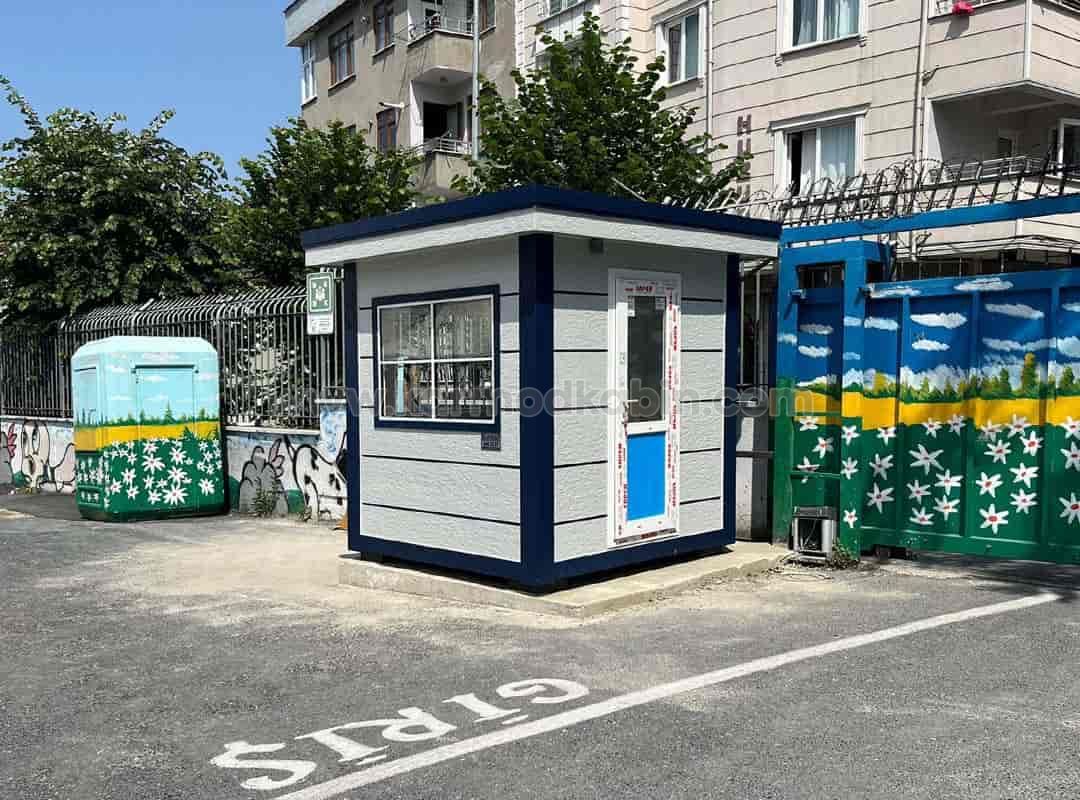
Ergonomics is one of the most overlooked yet most important aspects of security cabin design. Security guards often spend long shifts seated, observing screens, or communicating with visitors - and poorly arranged interiors can lead to back pain, fatigue, or reduced focus. That’s why the best modern cabins are built with ergonomic principles that prioritize health, mobility, and efficiency.
A well-designed layout ensures that every inch of space serves a purpose. Desks and chairs should be positioned at comfortable heights to prevent posture strain, and there should be sufficient legroom and movement space even in compact cabins. Shelves, control panels, and electrical outlets should be within easy reach, allowing guards to operate efficiently without unnecessary stretching or turning. For multi-shift environments, adjustable seating and proper lighting make a huge difference in maintaining comfort over time.
Ideal ergonomic features include:
When ergonomics and comfort come together, the result is a functional and productive workspace - one that keeps security personnel focused, alert, and ready throughout even the longest duty hours.
As technology advances, security cabins are becoming smarter, more sustainable, and energy-efficient. Traditional heating and cooling systems are now being replaced with automated climate control technologies that help maintain ideal indoor conditions while minimizing energy consumption. This not only enhances comfort for personnel but also lowers long-term operational costs for businesses and institutions.
Modern guard huts often include smart thermostats and digital climate controllers, allowing temperature settings to be adjusted automatically based on time of day or occupancy. These systems ensure that energy is not wasted during off-hours while keeping the interior perfectly balanced during working periods. Combined with high-quality insulation, double-glazed windows, and energy-efficient LED lighting, these technologies help reduce the cabin’s environmental footprint.
Key components of an energy-efficient setup include:
By investing in smart, energy-efficient solutions, organizations ensure that their security cabins remain comfortable, cost-effective, and eco-friendly - aligning modern performance with environmental responsibility.
Noise is one of the most common distractions that can reduce focus and increase stress for security personnel. A quiet, acoustically balanced security cabin allows guards to stay alert and communicate clearly without interference from outside noise such as traffic, machinery, or crowds. That’s why sound insulation has become a key feature in modern cabin design, especially for sites located in busy industrial or urban areas.
High-quality acoustic insulation materials - such as rock wool or multi-layer sandwich panels - are used within the walls, ceilings, and floors to block or absorb external sound. These materials not only improve concentration but also create a calmer atmosphere for guards who work long shifts in noisy surroundings. In addition, double-glazed windows, airtight door seals, and rubber-based floor coverings help further reduce vibrations and echo inside the cabin.
Practical acoustic comfort features include:
When properly designed, a sound-insulated cabin creates a focused and peaceful working environment, allowing personnel to perform at their best - even in high-traffic or industrial settings.
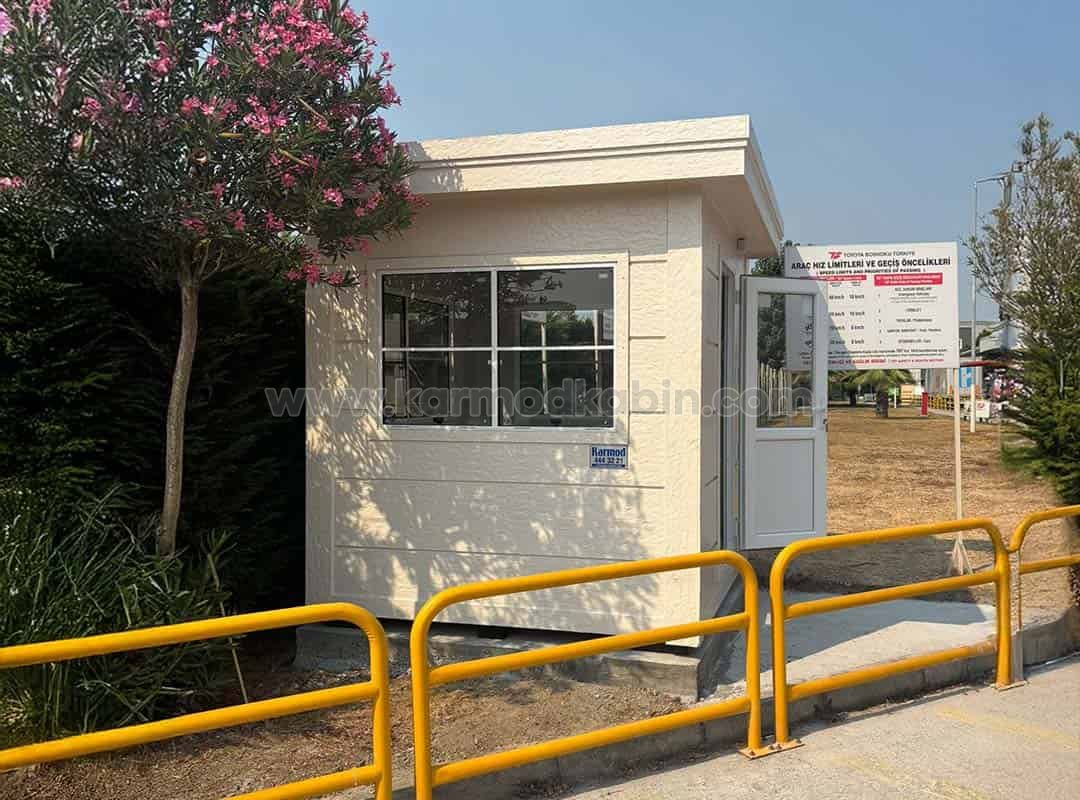
Proper lighting is one of the most essential elements of comfort and functionality in security cabins. Guards often work in low-light or night conditions, where inadequate illumination can cause eye strain, fatigue, and reduced alertness. A well-lit cabin improves visibility, enhances reaction time, and supports continuous monitoring without discomfort. Modern prefabricated cabins now feature custom lighting systems designed for both comfort and operational efficiency.
The most effective setup combines natural light during the day and soft LED illumination at night. Large, double-glazed windows positioned strategically around the cabin allow natural light to enter while maintaining privacy and insulation. Inside, energy-efficient LED lights provide uniform brightness without glare, helping personnel read documents, check screens, and observe surroundings comfortably. Exterior spotlights or motion-sensor lights can also be added for better visibility of entry points and parking zones.
Key lighting and visibility features to consider:
By blending ergonomic lighting with strategic visibility design, you create a safe, comfortable, and efficient control point where guards can maintain focus around the clock - regardless of lighting conditions outside.
Beyond heating, cooling, and lighting, small yet thoughtful add-ons can make a big difference in the daily comfort and efficiency of security personnel. These features transform a simple guard cabin into a fully functional workspace, making long shifts more manageable and improving overall productivity. Modern prefabricated cabin manufacturers now offer a wide variety of customizable accessories designed to make everyday operations smoother and more pleasant.
Some of the most effective comfort-enhancing additions include built-in furniture, climate-control tools, and convenience installations. For example, a mini refrigerator allows guards to store refreshments during long shifts, while USB charging ports and extra electrical sockets support modern device use. For cabins used in high-traffic zones, anti-slip flooring and small storage cabinets help maintain organization and safety. Integrating these small but functional details makes a noticeable difference in both performance and morale.
Popular comfort add-ons include:
By combining practicality with thoughtful design, these upgrades turn any cabin into a comfortable, efficient, and modern workplace, reflecting the same care and professionalism that defines your overall security standards.
Every site has its own environmental challenges - from humid coastal air to dry desert heat or freezing mountain temperatures. Choosing a security cabin that matches your specific climate and site conditions is the key to long-term performance and comfort. The materials, insulation, and ventilation design should all be selected based on the location’s temperature range, humidity level, and exposure to external factors like dust, wind, or rain.
For regions with extreme heat, cabins with reflective roofing, UV-protected coatings, and powerful ventilation systems are essential. In colder climates, high-density insulated walls, double-glazed windows, and integrated heating systems ensure energy efficiency and warmth. For industrial or coastal zones, cabins made of galvanized steel or corrosion-resistant materials are ideal to prevent rust and degradation. Modular designs also offer the flexibility to relocate the cabin if site conditions change over time.
When evaluating climate suitability, consider:
Selecting a cabin tailored to your environment ensures consistent comfort, minimal maintenance, and extended service life, no matter where your facility operates.
Transform your work environment with a security cabin built for real comfort and performance. Our prefabricated guard huts combine advanced heating, cooling, and ergonomic systems to ensure that security personnel can work efficiently in every climate. Each model is designed with attention to detail - from insulation and air circulation to seating layout and lighting balance - creating a professional, productive space that truly supports your team.
When you choose us, you benefit from:
Provide your staff with a workspace that reflects the same care and professionalism you bring to your operations.
Contact us today to request your personalized design and discover how our tailor-made cabins can redefine comfort in security operations.
Leading manufacturer in modular cabin since 1986.
 EN
EN