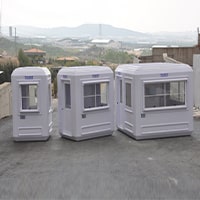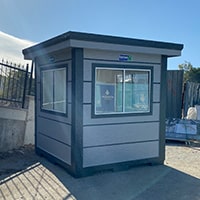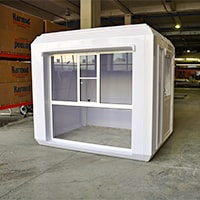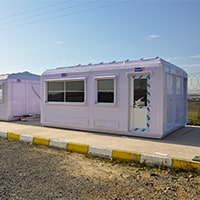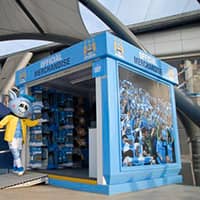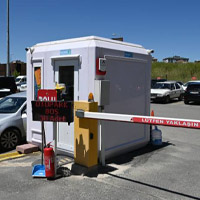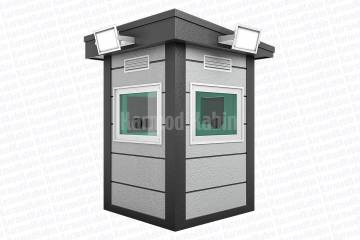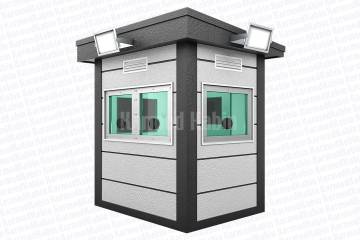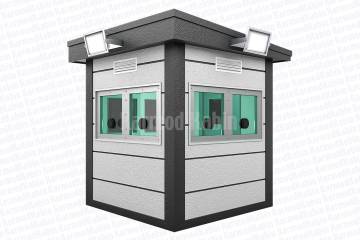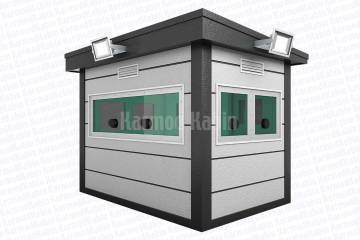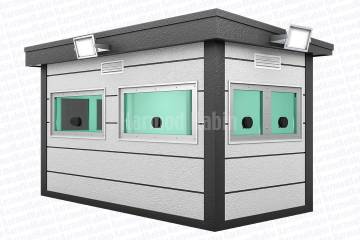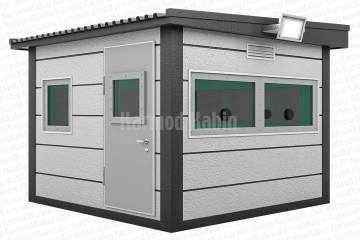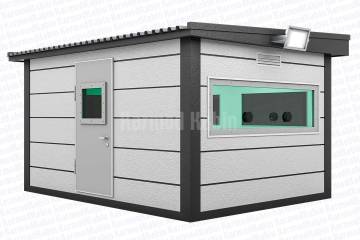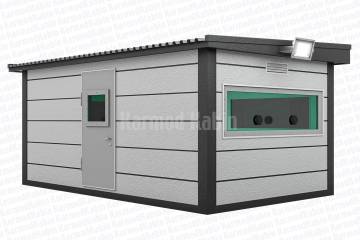

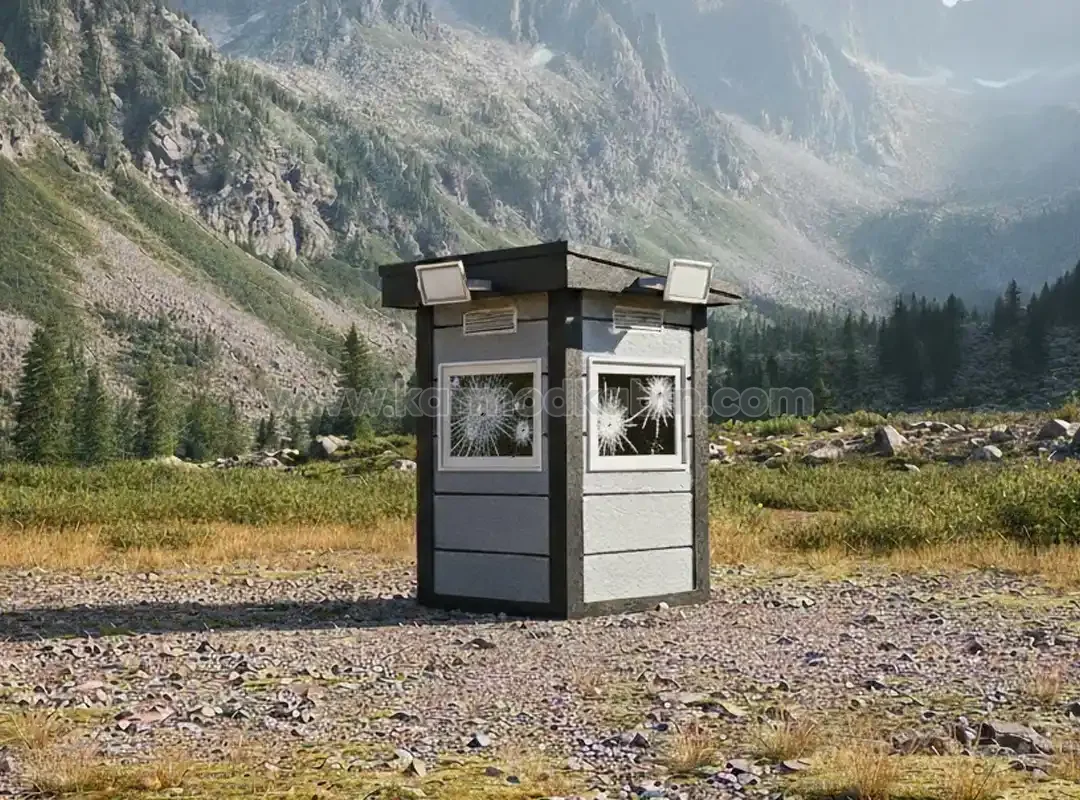
In high-risk environments where security is non-negotiable, the choice of protective materials determines how effectively a structure can resist threats. BR glass protection levels-a classification system for bullet-resistant glazing-play a crucial role in the design and performance of armored cabins. These cabins, used by law enforcement, military personnel, and private security teams, rely on BR-rated glass to withstand ballistic impacts while maintaining visibility and comfort inside the enclosure.
The BR rating system helps engineers, architects, and safety professionals identify the exact level of ballistic resistance required for a given scenario. Each level corresponds to a specific caliber and weapon type, ranging from handguns to high-powered rifles. By integrating the right BR glass into armored cabins, users can ensure a secure, transparent barrier that not only protects but also enables smooth operation in critical environments. This balance of safety, clarity, and reliability makes BR glass one of the most essential elements in modern armored design.
In armored cabin engineering, the BR rating (short for Ballistic Resistance) defines the glass’s ability to withstand specific types of firearm attacks. It’s part of the EN 1063 European Standard, which sets clear testing methods and performance requirements for bullet-resistant glazing. Each BR level-ranging from BR1 to BR7-indicates the weapon caliber, bullet type, and impact energy the glass can resist. This standardization allows manufacturers and security professionals to choose the most suitable glass for the threat level their cabin may face.
For example, a BR2 glass panel may stop a 9mm handgun round, while BR6 or BR7 glass is strong enough to resist rifle bullets used in military-grade firearms. In armored cabin design, this distinction is critical: cabins used at border checkpoints or embassies require higher protection levels, while standard security posts may only need intermediate levels. Understanding the BR classification ensures that protection is not over- or under-engineered, providing optimal safety with practical weight, clarity, and cost efficiency.
Ballistic glass levels are determined through a controlled series of live-fire tests that simulate real attack scenarios. Each glass sample is subjected to multiple shots fired under strict laboratory conditions, following the EN 1063 standard. The key goal is to evaluate how well the glass absorbs and disperses the kinetic energy of bullets without allowing any penetration or spalling-meaning no glass fragments should detach and cause harm on the protected side.During testing, the weapon type, bullet caliber, distance, and firing velocity are all standardized. For example, BR2 glass is tested with 9mm ammunition at about 390 m/s, while BR7 glass faces 7.62×51mm NATO rounds traveling around 830 m/s. The glass must withstand three direct hits in a triangular pattern without failure. Panels that meet or exceed these conditions receive certification for that specific BR level. This testing process ensures the product performs reliably in real-life armored cabin applications, where lives depend on proven resistance under fire.
The BR classification scale provides a clear hierarchy of ballistic resistance, from protection against small-caliber handguns to high-powered rifles. Understanding these levels helps determine which type of glass is best suited for specific armored cabin environments - whether it’s a police checkpoint, embassy guard post, or military observation unit.
Here’s a breakdown of what each BR level can withstand:
Each level is carefully engineered to balance thickness, weight, and optical clarity, ensuring that armored cabins remain both secure and functional in any threat scenario.
Not every armored cabin faces the same security risks - that’s why different BR glass grades exist. The level of protection needed depends on the environment, the potential threat type, and the cabin’s operational purpose. For instance, a border control booth or military checkpoint may face a higher risk of rifle fire, requiring BR6 or BR7 glass, while a corporate guard post in a commercial complex may only need BR3 or BR4 protection. Using the right grade ensures that the cabin offers adequate safety without unnecessary weight or cost.
The choice of BR glass directly influences both mobility and performance. Higher-level protection means thicker, heavier glass, which impacts the structure’s overall balance and installation method. Designers must carefully assess how to integrate the glass with the steel frame and ventilation systems while maintaining visibility and comfort for personnel inside. By selecting the correct BR grade, armored cabin manufacturers can create solutions that perfectly balance threat resistance, operational practicality, and ergonomic design-ensuring safety without sacrificing usability.
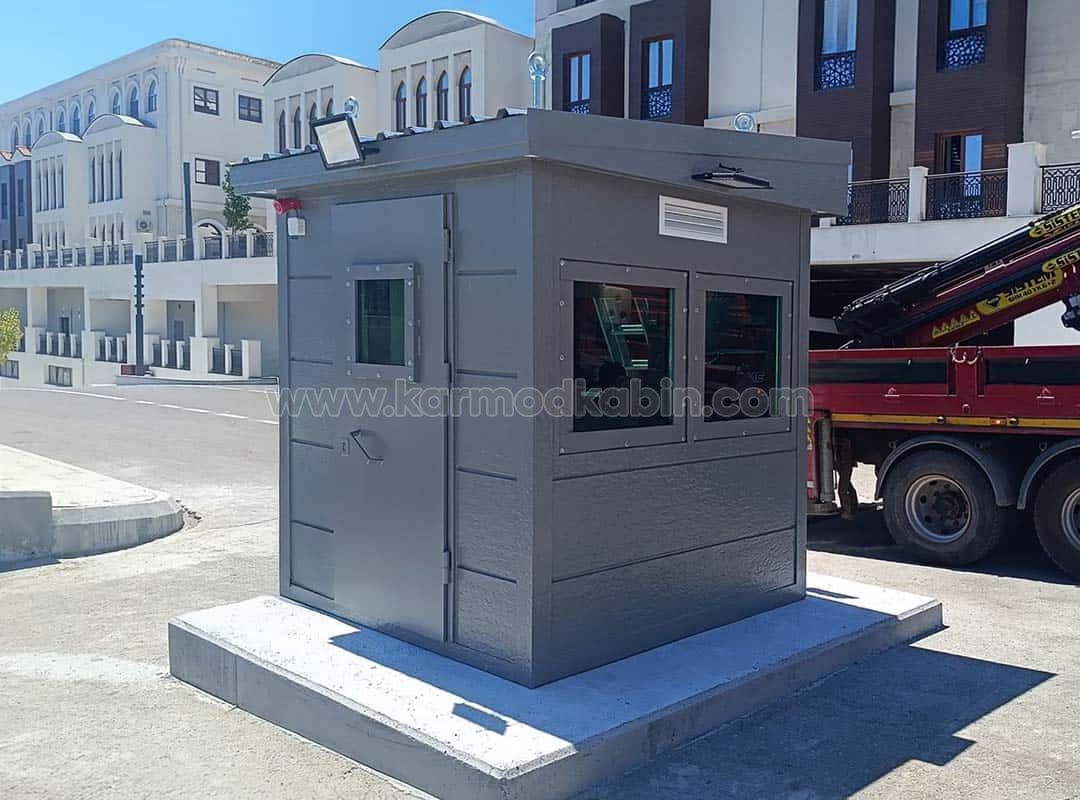
BR-rated glass is not a single pane but a multi-layered composite engineered to stop bullets by absorbing and dispersing kinetic energy across several materials. Each layer serves a distinct purpose - from blocking the bullet’s impact to preventing glass shards from reaching the protected side. This advanced construction allows armored cabins to maintain both transparency and ballistic integrity under extreme pressure.
Key components that make BR glass exceptionally strong include:
This multi-layer composition transforms a transparent surface into a defensive shield, capable of protecting personnel from high-velocity projectiles while maintaining clear visibility in mission-critical environments.
One of the most remarkable features of modern BR glass used in armored cabins is its ability to provide maximum security without sacrificing visibility or comfort. Earlier generations of bulletproof glass were heavy, thick, and often distorted vision, but today’s advanced materials and lamination technologies allow for optical clarity even at high protection levels such as BR6 and BR7. This is crucial for personnel working long hours inside armored cabins-clear vision means better awareness, faster response, and less fatigue.
Equally important is the thermal and acoustic comfort BR glass provides. The laminated layers naturally improve insulation, keeping interiors cooler in hot climates and reducing external noise from traffic or industrial activity. Many BR-rated glasses also include UV-resistant coatings that protect against sun exposure, preventing both eye strain and material fading inside the cabin. This careful balance of protection, comfort, and functionality ensures that armored cabins are not just safe shelters, but efficient, ergonomic work environments for modern security operations.
Selecting the correct BR glass level for your armored cabin depends on a detailed assessment of potential threats, operational context, and environmental factors. Overestimating protection needs can lead to unnecessary cost and weight, while underestimating them may compromise safety. The ideal solution is to find a balance between risk, practicality, and performance-ensuring that the cabin meets both security and usability goals.
When deciding which BR level suits your facility best, consider these essential factors:
By analyzing these factors, designers and operators can confidently select the right ballistic protection class that ensures both security and operational efficiency for their armored cabins.
Installing certified BR glass in security and armored cabins provides a powerful combination of safety, functionality, and professional credibility. These specialized glazing systems are tested and approved according to international ballistic standards, ensuring that every panel performs reliably under real-world attack conditions. For facilities where protection and visibility are equally important, certified BR glass offers unmatched assurance.
Key benefits include:
Certified BR glass turns armored cabins into trustworthy, high-performance protection units, combining defensive power with aesthetic appeal-ideal for both government and private sector security infrastructure.
Even the strongest ballistic glass requires proper care to maintain its clarity and long-term performance. In armored cabins-where the glass is constantly exposed to sunlight, temperature changes, and outdoor elements-regular maintenance ensures the material continues to perform as originally certified. While BR-rated glass is built to resist impact and environmental stress, neglecting cleaning or inspection can shorten its lifespan or compromise visibility.
Here are practical maintenance tips to keep BR glass in optimal condition:
Consistent care helps BR glass retain its clarity, strength, and certification status, guaranteeing continued protection and professional appearance over many years of service.
When safety, precision, and durability matter most, choosing an armored cabin equipped with certified BR glass is the smartest investment you can make. Our armored cabins are engineered to meet international ballistic standards, offering the highest protection without compromising on design or functionality. Every model is built with advanced materials, airtight sealing, and optical clarity-ensuring your personnel stay secure and alert in every situation.
By partnering with us, you gain:
Your facility deserves protection you can trust. Contact us today to request a personalized quote and discover how our armored cabins with BR-certified glass can enhance your security standards with unmatched reliability and craftsmanship.

Leading manufacturer in modular cabin since 1986.
 EN
EN