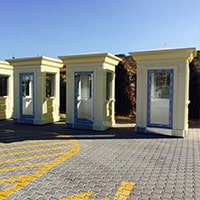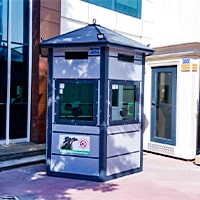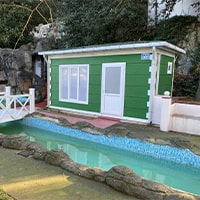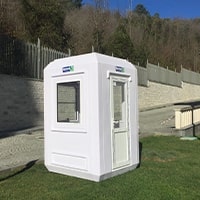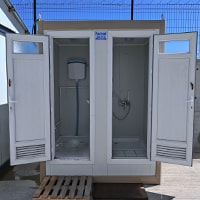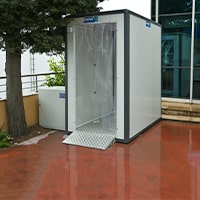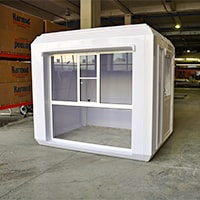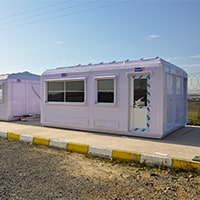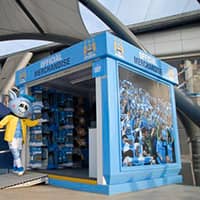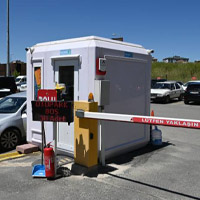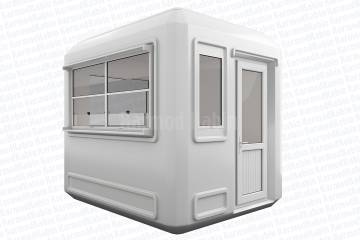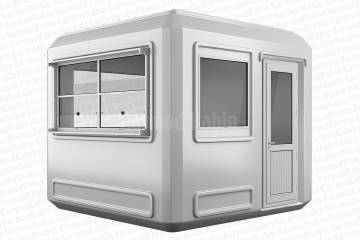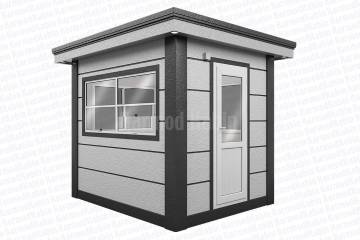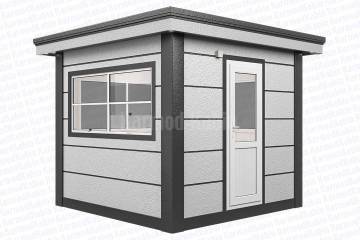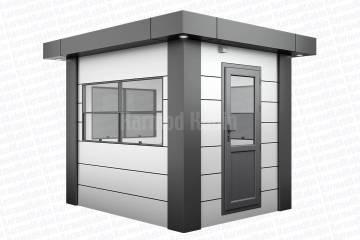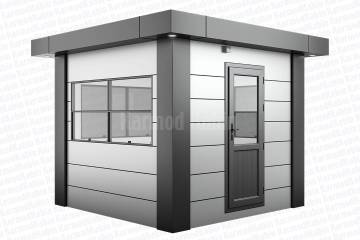

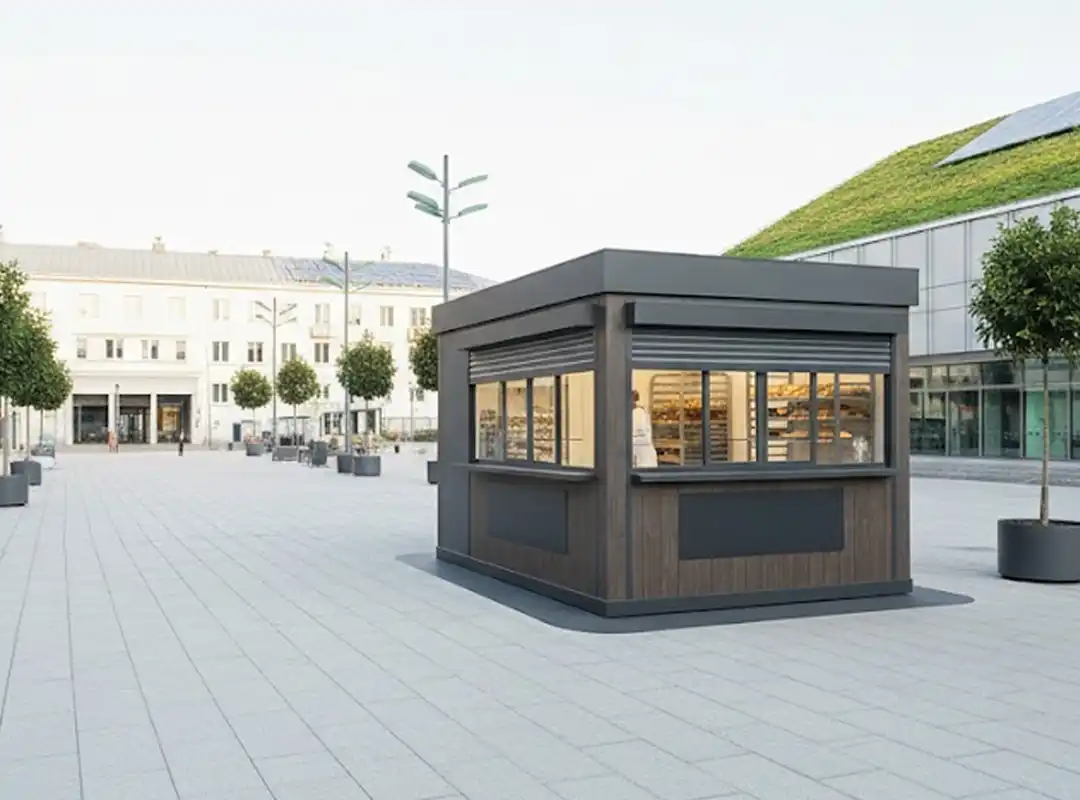
Public bread kiosks are small yet vital structures designed to serve the community efficiently and hygienically. Their functionality goes beyond selling bread; they represent municipal reliability, urban cleanliness, and service consistency. For this reason, every kiosk must be planned with attention to materials, durability, and comfort. From insulation layers to interior claddings, every component contributes to maintaining food safety and staff comfort.
A well-equipped bread kiosk reflects the professionalism of the institution behind it. When designed with the right materials - stainless steel surfaces, antibacterial coatings, durable flooring, and ergonomic storage - it ensures that thousands of loaves are distributed daily without contamination. Modern modular kiosk models combine long-term stability, low maintenance costs, and clean aesthetics that make them a strong part of the city’s public infrastructure.
A public bread kiosk must meet the highest hygiene standards since it handles food distribution for a large number of people. The internal design should allow one-way movement: bread enters from one section, is packaged in another, and exits through the sales window. This organized flow prevents cross-contamination and keeps operations smooth. The interior surfaces should be covered with PVC-coated antibacterial panels, which resist dirt, moisture, and heat.
Floors must be anti-slip and waterproof, ensuring both hygiene and worker safety during cleaning processes. Corners and edges should be curved instead of sharp, allowing effortless disinfection without residue buildup. Likewise, the counter area - where bread is bagged and handed to customers - should have a food-grade stainless-steel surface. These details may seem minor but collectively guarantee the kiosk remains compliant with municipal hygiene regulations while projecting a clean and professional image to citizens.
Additionally, it’s crucial to maintain visual transparency. Glass partitions or service windows enhance customer interaction while minimizing direct contact. Installing automatic or foot-pedal handwashing sinks further strengthens hygiene routines, ensuring every staff member operates in a sanitary environment from start to finish of the working day.
Inside every bread kiosk, the choice of interior materials determines how smoothly the daily operation runs. Equipment should not only meet health standards but also support efficiency and durability. Using stainless-steel shelving units ensures that bread trays can be stored neatly without attracting dust or bacteria. These shelves are resistant to moisture and easy to clean - essential when dealing with food that must remain completely uncontaminated.
An insulated bread cabinet helps preserve the bread’s texture and temperature during distribution. This is particularly important in varying climates where outdoor temperatures fluctuate throughout the day. Next, a waste collection unit with separate compartments for organic and packaging waste helps maintain order and supports sustainability. Under-counter storage drawers or compact cabinets allow workers to keep packaging materials close at hand, preventing clutter.
Essential equipment inside a bread kiosk includes:
When these elements are properly integrated into the kiosk layout, the result is a compact yet highly functional workspace where hygiene, safety, and productivity coexist seamlessly.
Public bread kiosks operate in varying climates - from hot summer days to cold, damp winters - and must provide stable internal conditions for both bread and workers. Ventilation systems are essential to prevent humidity buildup and odor accumulation. Ceiling vents, extractor fans, or small air circulation systems can keep the air fresh while maintaining temperature balance. A comfortable working environment reduces fatigue and improves service quality throughout the day.
Safety measures should also be prioritized. Using fire-resistant wall panels and insulated sandwich panels around electrical installations ensures compliance with safety standards. Each kiosk should include a CO₂ fire extinguisher, smoke detector, and emergency exit plan. Electrical sockets and lighting systems must be installed by certified technicians, using flame-retardant cables and proper grounding. These precautions ensure long-term safety and municipal approval while protecting staff and infrastructure.
A modern bread kiosk must not only function well but also consume energy efficiently. Using thermal-insulated wall panels and energy-saving LED lighting systems can dramatically reduce electricity use. LED fixtures provide consistent illumination while minimizing heat output - an important factor in confined spaces. Strategic light placement above counters and storage units creates a bright, clean environment that improves visibility and efficiency.
The inclusion of energy-efficient ventilation fans, motion-sensor lighting, and double-glazed service windows contributes to a sustainable operation model. Kiosks with integrated solar connections or battery systems are becoming increasingly popular in municipalities seeking eco-friendly infrastructure. This combination of low energy consumption and renewable support makes the kiosk both cost-effective and environmentally responsible.
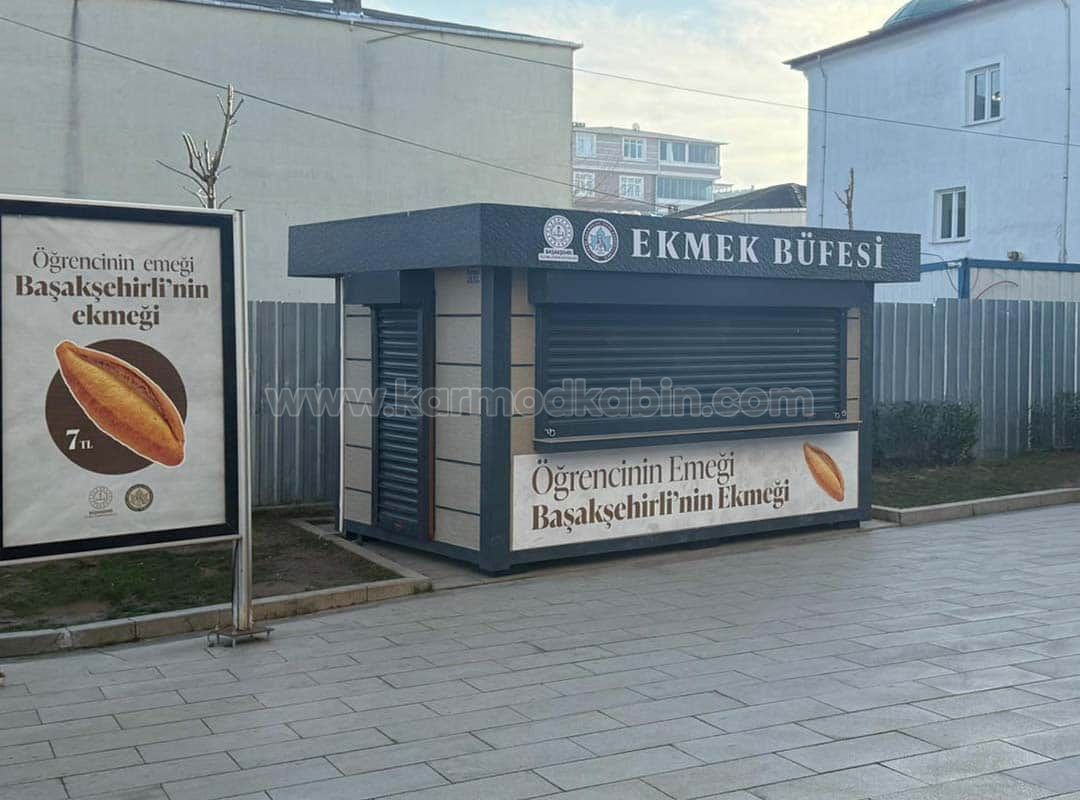
Durability and hygiene are inseparable in public bread kiosks. The most successful projects use galvanized steel framing, antibacterial coatings, and UV-resistant outer cladding to ensure a long service life even under heavy use. Unlike wooden structures, which deteriorate with humidity, steel and composite panels maintain their integrity and cleanliness for years with minimal maintenance.
Internally, surfaces like epoxy-coated floors and stainless-steel counters prevent corrosion and discoloration caused by heat or cleaning chemicals. The visual aspect is equally important - clean white or light-toned panels reflect light and reinforce the sense of cleanliness. Choosing materials that align with municipal branding (colors, logos, or patterns) helps strengthen the kiosk’s visual harmony with its environment.
Every city has unique operational and aesthetic requirements. Some municipalities may demand larger storage spaces, others may focus on accessibility and quick service design. Modular kiosk manufacturers offer full customization - from interior shelving arrangements to façade colors - ensuring that each bread kiosk fits perfectly into its intended location.
Optional features include digital signage panels, cashless payment systems, solar-powered ventilation units, and temperature control systems for bread preservation. Such details enhance efficiency and modernize public service structures. By using modular production methods, these kiosks can be relocated or expanded when service demands increase, giving municipalities flexibility for future urban planning.
Choosing the right bread kiosk is an investment in public trust and long-term service reliability. Our company specializes in manufacturing ready-to-use modular bread kiosks that combine hygiene, safety, and modern aesthetics. Each unit is engineered with durable materials, energy-efficient systems, and ergonomic layouts suitable for continuous operation.
When you buy directly from us, you benefit from:
Every kiosk we produce reflects our dedication to urban quality, community health, and modern design. Contact us today to discuss your municipality’s needs and discover the best ready-to-use bread kiosk models tailored to your project.

Leading manufacturer in modular cabin since 1986.
 EN
EN